Uganda has declared an end to the 2026 Ebola outbreak after completing the mandatory 42-day monitoring period without recording any new cases after following weeks of intensive surveillance and response efforts.
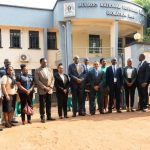
Health Minister Chris Baryomunsi announced the development on Tuesday, confirming that the country had successfully interrupted transmission of the deadly virus.

“The Ministry of Health is pleased to announce that Uganda has officially declared the end of the 2026 Ebola Disease outbreak. Uganda is Ebola-free,” Baryomunsi told reporters in Kampala.
The declaration follows the discharge of the country’s last Ebola patient on June 16, after which health authorities maintained heightened surveillance for 42 consecutive days, the internationally required period before an outbreak can officially be declared over.
Earlier this month, health authorities announced that Uganda had entered the final phase of the countdown to declaring the outbreak over after all identified contacts successfully completed the mandatory follow-up period. The Ministry of Health and the Africa Centres for Disease Control and Prevention (Africa CDC) reported that the country had recorded no new confirmed cases or deaths since the last patient was discharged, raising optimism that transmission had been successfully interrupted.

Africa CDC also confirmed that Uganda remained with 20 confirmed cases and two deaths throughout the monitoring period, while enhanced surveillance detected no unexplained community transmission, keeping the country firmly on course to regain its Ebola-free status.
According to the Ministry of Health, Uganda recorded 20 confirmed Ebola cases during the outbreak. Of these, 18 patients recovered while two succumbed to the disease. Fifteen of the confirmed infections were imported, while five involved Ugandan nationals.
Health officials said no new Ebola infections had been detected since June, with enhanced surveillance across the country finding no unexplained community transmission.
The Ministry noted that, unlike previous Ebola outbreaks, the 2026 outbreak stemmed from a fully documented importation event, enabling health authorities to rapidly trace and contain the spread of the virus.
“The source of infection was identified, the route of introduction established, all confirmed cases were epidemiologically linked, transmission chains were completely characterised and reconstructed, and all identified contacts were institutionally quarantined and completed the mandatory 21-day follow-up without evidence of further transmission,” the ministry said.
Officials added that extensive surveillance conducted after the last patient was discharged confirmed there had been no further spread of the disease.
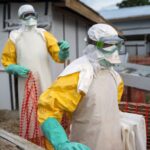
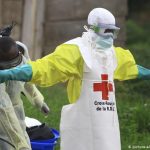
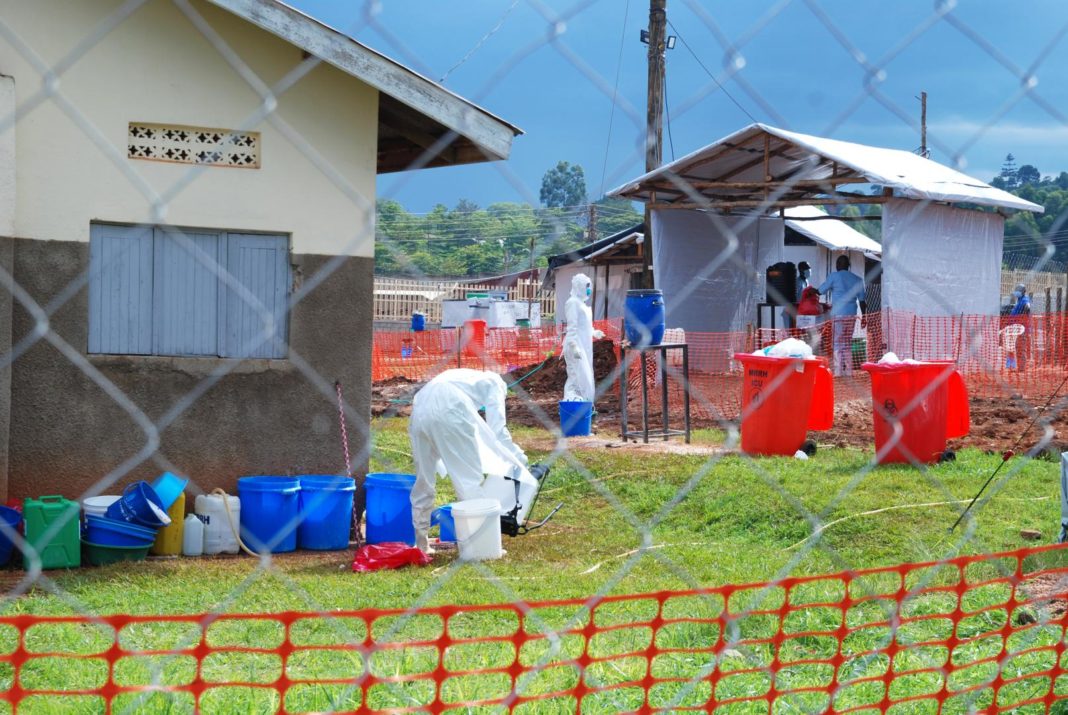
The outbreak, which originated from eastern Democratic Republic of the Congo, prompted an aggressive national response involving case isolation, contact tracing, quarantine, laboratory testing and community surveillance. The World Health Organization (WHO) had classified the outbreak as a Public Health Emergency of International Concern in May.
Ebola is a severe viral haemorrhagic disease that spreads through direct contact with the bodily fluids of an infected person or contaminated materials. Symptoms include fever, vomiting, diarrhoea, muscle pain, severe weakness and, in advanced cases, internal and external bleeding.
The 2026 outbreak was caused by the Bundibugyo strain of the Ebola virus, first identified in Uganda in 2007. Unlike the Zaire strain, there is currently no licensed vaccine or specific treatment for the Bundibugyo variant, making rapid detection, isolation and infection prevention measures critical in controlling outbreaks.
The successful containment of the outbreak has been attributed to coordinated efforts by the Ministry of Health, local authorities, frontline health workers, international partners and communities, whose vigilance enabled Uganda to halt transmission and regain its Ebola-free status.