Uganda’s telecommunications sector recorded a record quarterly gross revenue of Shs1.73 trillion between April and June 2026, driven by rising data consumption, growth in active subscribers and increased use of mobile money, according to the latest market performance report by the Uganda Communications Commission (UCC).
The revenue represents an increase from Shs1.60 trillion recorded in the previous quarter and is the highest quarterly figure reported during the period covered by the regulator’s latest data.

It surpassed the Shs1.66 trillion recorded in December 2025 and Shs1.62 trillion in September 2025, highlighting the continued expansion of Uganda’s telecommunications and digital services market.
UCC attributed the growth to increased demand for internet services, expansion of the active subscriber base and the continued growth of mobile money transactions.
Active mobile subscriptions, defined by UCC as SIM cards used at least once within a 90-day period, increased to 49 million by the end of June, from 47.5 million three months earlier.

The total number of registered mobile subscriptions stood at 64.6 million, while active mobile internet subscriptions, based on usage within 30 days, increased from 17.9 million to 19.7 million during the quarter.
The number of smartphones connected to Uganda’s networks also edged up to 20.5 million, although basic and feature phones continue to account for a significant share of devices in use.
Data use drives spending
The report shows that Ugandans are not only connecting to mobile networks in larger numbers but are also spending more on telecommunications services, particularly data.
UCC reported that the average monthly spending per user rose to Shs15,349 in June, from Shs10,932 in the previous quarter.
Average monthly data consumption increased to 3.7 gigabytes per user, while the average monthly data bill rose sharply to Shs10,841, compared with Shs6,118 in the preceding quarter.
At the same time, traditional voice communication continued to lose ground to internet-based communication.
On-net voice traffic declined to 20.4 billion minutes, from 20.9 billion minutes in the previous quarter, reflecting the growing shift towards internet-based calls, messaging and other digital communication platforms.
Mobile money remains a major driver
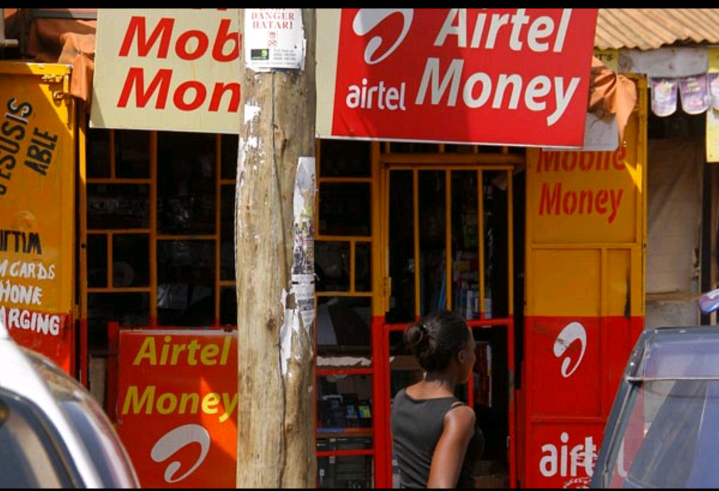
Mobile money continued to play a central role in the performance of Uganda’s telecommunications sector, with the figures in this area attributed by the report to the Bank of Uganda.
Active mobile money subscriptions reached 37.8 million, while transaction volumes rose from 2.37 billion to 2.55 billion transactions during the quarter.
The figures underline the increasingly important role of mobile money in Uganda’s financial and telecommunications ecosystem, as millions of users rely on the service for payments, transfers and other transactions.
Telecom infrastructure expands
The growth in subscribers and data consumption was accompanied by an expansion of telecommunications infrastructure.
The number of telecom towers increased from 5,578 to 5,663, while fibre-optic coverage expanded significantly from 71,740 kilometres to 80,257 kilometres.
The quarter also saw major operators make statutory contributions towards expanding connectivity to underserved communities.
Airtel Uganda remitted Shs42.9 billion, while MTN Uganda paid Shs54.27 billion to the Uganda Communications Universal Service and Access Fund (UCUSAF).
According to UCC, the payments represent the operators’ statutory contribution of 2% of gross annual revenue towards extending communications services to underserved areas.
Starlink cleared to operate in Uganda
The quarter also marked a major development in Uganda’s internet connectivity landscape after UCC signed a memorandum of understanding and operational licence agreement with satellite internet provider Starlink, clearing the company to commence operations in Uganda.
UCC said Starlink’s entry is intended to improve connectivity in hard-to-reach and underserved communities.
The regulator said Starlink had committed to complying with Uganda’s legal and regulatory requirements as it begins operations in the country.
Courier revenue rises as TikTok leads social platforms
Beyond telecommunications, the postal and courier sector also registered growth, with gross revenue rising to Shs16.2 billion, from Shs12.7 billion in the previous quarter.
Couriers delivered slightly more than one million items across the country during the period.
In the pay-TV market, UCC reported approximately one million active subscribers as of June.
The regulator also reported 11.4 million TikTok users in Uganda, placing the platform ahead of WhatsApp, which had 11 million users, while YouTube had 6.9 million users.
Netflix had approximately 100,000 users among the platforms listed in the report.
UCC allocates Shs182.2 million for research
UCC also announced Shs182.2 million in grants to nine research projects selected from 212 applications submitted under its research support framework.
The projects cover areas including artificial intelligence-driven cybersecurity and the development of a Luganda-English medical translation tool.
The Commission said the investments are part of efforts to strengthen innovation and research within Uganda’s communications and technology sector.
UCC said the latest market performance figures demonstrate continued progress towards its “Connected Uganda 2030” agenda, which seeks to expand access to communications services and strengthen Uganda’s digital economy.
The regulator, however, cautioned that the figures contained in the report were compiled from submissions by licensed operators and other sources available to the Commission, and that UCC does not warrant the interpretation of the data.