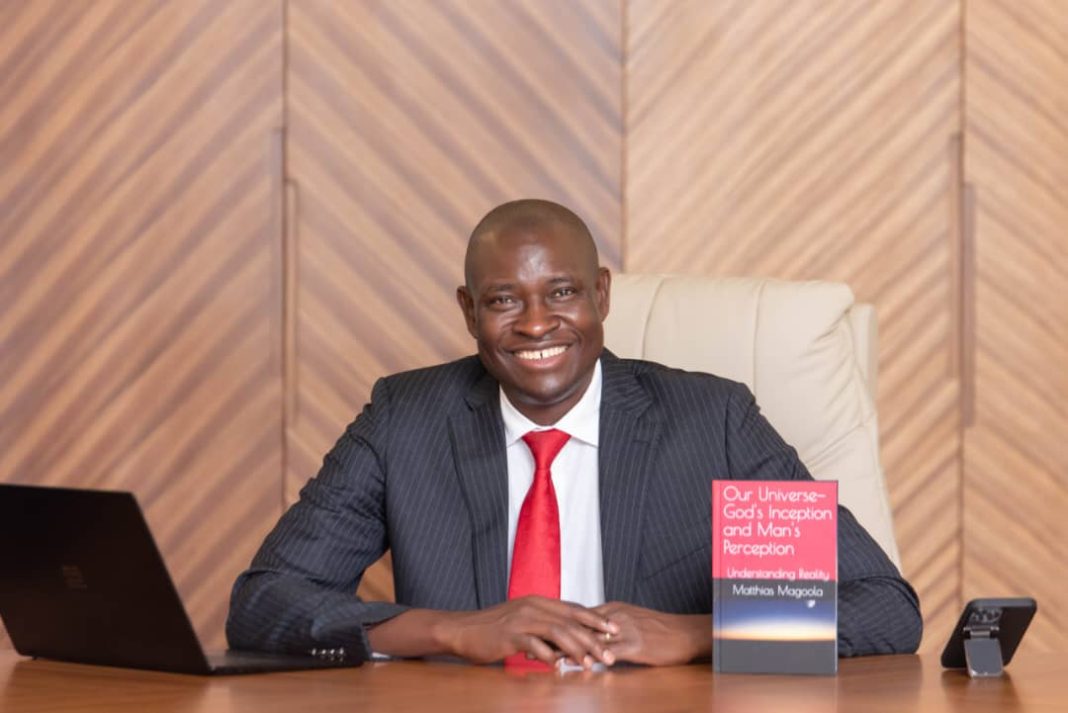
The Court of Appeal has stopped proceedings in the Shs147.7 billion loan dispute involving Dei Industries International Ltd, Dei BioPharma Ltd and their director Mathias Magoola, pending the hearing of an intended appeal challenging the audit used to determine the companies’ alleged indebtedness.
Justice Florence Nakachwa, sitting as a single Justice of Appeal, ordered a stay of all proceedings in High Court Civil Suit No. 929 of 2024 until the intended appeal is heard and finally determined.

The dispute stems from several credit facilities obtained between 2016 and 2021 from Equity Bank Uganda, Equity Bank Kenya and other lenders to finance the construction of Dei’s pharmaceutical manufacturing facility at Matugga in Wakiso District.
The companies later contested the outstanding loan balances, arguing that interest and other charges had inflated the amount they were allegedly required to repay.
An audit report prepared by Clayton & Co on June 28, 2025 placed the alleged debt at $39.9 million, about Shs147.7 billion, making it the central issue in the court battle.

The audit itself became the subject of a separate legal fight after the parties abandoned an earlier agreement for KPMG to reconcile the disputed accounts.
The Commercial Court later directed the Institute of Certified Public Accountants of Uganda (ICPAU) to nominate an independent auditor, which led to Clayton & Co’s appointment.
Magoola’s companies challenged that process, arguing that the appointment lacked integrity and independence.
However, Commercial Court Judge Susan Abinyo dismissed the challenge on July 29, 2026, ruling that ICPAU had acted within the court’s directives and that consultation with either party before appointing the auditor was not required because it could compromise the independence of the process.
Following that decision, the companies lodged a notice of appeal and sought an order freezing the main loan case until their challenge is determined.
The respondent banks opposed the application, arguing that the applicants had no automatic right of appeal against the Commercial Court decision without obtaining leave and that any concerns about the Clayton & Co report could be addressed during the main trial through cross examination and other evidence.
The Court of Appeal, however, found that the intended appeal raises substantial questions about the audit process and whether allowing the High Court case to continue would undermine the appeal before it is heard.
In their submissions, Magoola and his companies argued that the dispute goes beyond a commercial disagreement because their business manufactures essential medicines.
“We produce medicines for HIV, malaria, cancer, diabetes and neurodegenerative disorders, and allowing the proceedings to continue before the appeal is determined would have far reaching consequences,” the applicants told court.
The Court of Appeal agreed that the applicants had demonstrated the possibility of substantial loss if the High Court proceedings continued before the intended appeal is resolved, ultimately staying the case until the appellate process is completed.
A dispute stretching back years
The broader financing arrangement behind the dispute involved much larger credit facilities than the amount currently under challenge.
Equity Bank financed the pharmaceutical project with facilities running into $100 million, about Shs368.7 billion, while Uganda Development Bank contributed $20 million, about Shs73.7 billion, and Tropical Bank provided $2 million, about Shs7.3 billion.
The project later suffered setbacks after the Covid 19 pandemic disrupted the original business plan and shifted attention towards vaccine production, leading to additional borrowing and multiple restructuring attempts.
In 2023, Bank of Uganda rejected Equity Bank’s request to further restructure the facilities, saying previous restructurings had already exhausted the available regulatory options.
“The wheat factory, which was the primary source of repayment for the credit facility from Equity Bank, is not operational, and therefore there are no cash flows to service the loans as intended,” then Deputy Governor Michael Atingi Ego wrote in the regulator’s response to the bank.
This Court of Appeal decision does not determine whether the companies owe Shs147.7 billion. Instead, it temporarily suspends the High Court proceedings while the appellate court considers whether the audit that established that figure should remain part of the case.