Stanbic Bank
Stanbic Bank
20.6 C
Kampala
Stanbic Bank
Stanbic Bank
Home Blog Page 132

Sudhir, other entrepreneurs commended for boosting Uganda’s tourism sector

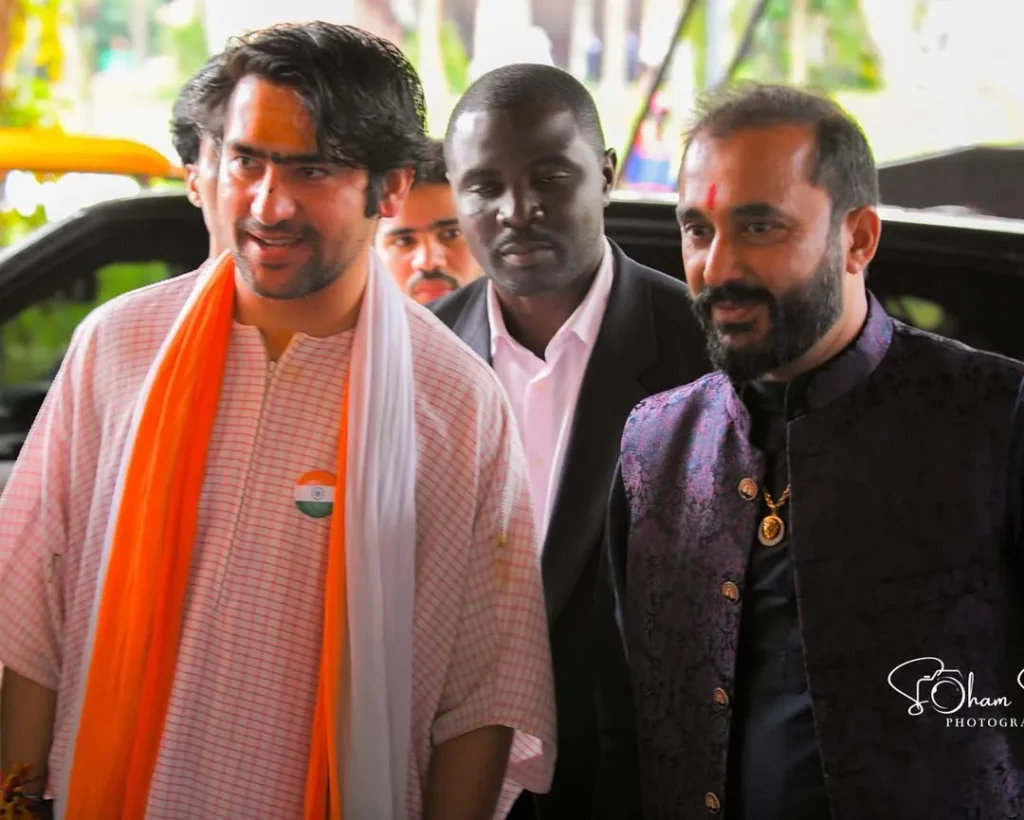
Tycoon Sudhir at the Pearl of Africa Tourism Expo (POATE) 2025.

The Ministry of Tourism, Wildlife, and Antiquities of Uganda has commended the participation of prominent entrepreneurs Sudhir Ruparelia, Patrick Bitature, and Karim Hirji at the just concluded Pearl of Africa Tourism Expo (POATE) 2025, which has been a vibrant showcase of Uganda’s tourism potential.

The event, held at the Speke Resort Munyonyo, drew industry leaders, investors and hospitality giants like Serena Hotels, Sheraton Kampala, and Protea Hotels, signaling a robust future for the sector.

The expo has been a platform for dialogue, cultural displays, and investment pitches, with Uganda’s tourism sector taking centre stage as a lucrative destination. During a keynote session, Col. Edith Nakalema, speaking on behalf of the Ministry, praised the entrepreneurs for their commitment to advancing Uganda’s tourism landscape.

“The presence of visionaries like Sudhir Ruparelia, Patrick Bitature, and Karim Hirji at POATE2025 underscores the confidence that Uganda’s business community has in our tourism sector,” Nakalema stated.

She highlighted the country’s stability, investor-friendly policies, and global recognition, including its ranking as the third most rewarding economy by the Oxford Economic Forum.

Sudhir Ruparelia, a Forbes-listed entrepreneur since 2019, is a major investor in the hotels sector, including the prestigious Speke Resort Munyonyo, the venue hosting POATE2025. His portfolio of accommodation facilities has played a pivotal role in elevating Uganda’s hospitality standards, known for their luxury accommodations and top-tier services like conference hosting and catering, attracting both local and international visitors.

Patrick Bitature, owns Protea Hotels, including the notable Protea Hotel Kampala Marriott Skyz, which has become a cornerstone for business travelers and tourists alike. Meanwhile, Karim Hirji, leads the Imperial Group, operating six hotels across Entebbe and Kampala.

The event featured a series of engaging activities, including a cultural performance by a traditional dance troupe, which captivated attendees with vibrant displays of Ugandan heritage. A formal dinner setting also provided a space for networking, where industry leaders were seen exchanging ideas over elegantly set tables, as captured in images shared by the Ministry on X. Nakalema encouraged attendees to convert tourists into investors, noting that many expatriates have chosen to settle and start businesses in Uganda due to its conducive environment.

Amos Wekesa, the founder of Great Lakes Safaris, delivered an inspiring keynote, recounting his journey from humble beginnings to leading a tourism empire that operates lodges, cruise boats, and safari vans across Uganda and Tanzania. “You don’t need a Harvard degree to succeed in this industry,” Wekesa emphasized, urging aspiring entrepreneurs to focus on passion, resilience, and financial discipline. His story resonated with many, highlighting the opportunities within Uganda’s tourism sector for those willing to persevere.

The World Bank’s Mohammed Suleiman Akbar also spoke at the expo, underscoring Uganda’s global relevance in authentic tourism experiences. “With attractions like the source of the Nile, the largest lake in Africa, and the Big Five, Uganda is well-positioned to benefit from the resilient global tourism industry,” he said. He stressed the importance of effective marketing to attract more visitors and encourage repeat visits.

Financial support for the sector was another key focus, with the East Africa Venture Capital Association announcing readiness to fund viable tourism ventures, particularly those led by women and youth, with up to $100,000. PostBank Uganda and the Uganda Free Zones Authority also highlighted tailored financial services and investor incentives, reinforcing the government’s commitment to fostering growth.

As POATE2025 continues, the Ministry of Tourism remains optimistic about the sector’s trajectory. “Opportunities abound, and they are waiting to be exploited,” said Rebecca Nalumu of the Uganda Free Zones Authority. With the backing of entrepreneurs like Ruparelia, Bitature, and Hirji, Uganda’s tourism industry is poised to shine brighter on the global stage, turning every visitor into a potential business partner.

Stories Continues after ad

Finance Ministry launches national budget month for FY 2025/26

Finance Minister, Matia Kasaija presenting before Parliament.

                                                                                                                                              Finance Minister Matia Kasaija has launched the national budget month activities for FY 2025/26 at the Uganda Media Centre.

During the launch that took place in Kampala, Finance Minister Matia Kasaija said the government has continued to undertake deliberate reforms to strengthen good governance and inclusivity in the national budget processes.

Kasaija said a responsive budget process, is one that leaves no one behind, and is therefore fundamental in building a just and equitable society.

He applauded the collaboration with civil society organisations since 2018 to date to promote budget transparency and accountability.

Kasaija said the national budget month is a vital platform for bringing the budget closer to the people, adding that it provides space for dialogue on national priorities and citizen concerns.

“It’s an opportunity for all stakeholders to better understand what the approved budget entails and how it will impact their lives,” said the Minister.

Kasaija also launched the National Public Investment Management [NPIM] Policy which will transform how Uganda plans, implements, and monitors public investments.

The NPIM Policy will ensure that every shilling invested delivers real value through job creation, improved services, and sustained economic growth.

“As we embark on the implementation of the Fourth National Development Plan [NDP IV], our ambition is to grow Uganda’s economy from $50 billion to $500 billion in the next 15 years. Achieving this will require better planning, efficient use of public resources, and timely delivery of high-impact projects,” said the Minister.

The Deputy Secretary to the Treasury, Patrick Ocailap said the government remains committed to the fiscal consolidation agenda by sustaining the drive for increasing revenue generation, limiting borrowing to only critical investments and ensuring efficiency and effectiveness in use of the limited public resources.

He said during the budget month the Ministry together with Partners will provide full disclosure of the budget; communicate the opportunities in the budget and how every Ugandan can benefit from them; account to the people of Uganda on the previous financial year budget commitments and also obtain feedback from the citizens to inform future budgets and policies.

Earlier, Uganda Revenue Authority [URA] Commissioner, Abel Kagumire who represented the URA Commissioner General, John Musinguzi said the national ambition is to fully fund the budget using domestic resources, adding that this is how Uganda will reduce dependence, regain policy space, and take ownership of its development journey.

“This ambition is not for government alone. It requires the full participation of every eligible citizen. It calls for tax compliance, civic vigilance, and a renewed sense of shared responsibility,” said Kagumire.

He reaffirmed URA’s commitment to transparency, dialogue, and service, adding that they are ready to support every citizen, every taxpayer, and every stakeholder on this journey.

The Civil Society in a joint statement delivered by the Executive Director, Civil Society Budget Advocacy Group [CSBAG], Julius Mukunda commended the government for the approval of the Public Investment Management Policy and demonstrated commitment to climate finance.

They however called upon government to prioritise financing to refers to the “Agro-industrialization, Tourism development, Mineral-based industrialization (including oil and gas), and Science, technology and innovation [ATMS] and local governments in addition to limiting domestic borrowing and ensuring that the private sector is effective.

Budget Month Activities FY 2025/26

Launch of the Budget Month and National Public Investment Management [NPIM] Policy – May 29, 2025;

Blood Donation drive by Uganda Blood Transfusion Services – May 29, 2025 at the Ministry of Finance parking area;

Pre & Post budget speech Media Engagements on Topical Issues on the Budget/Economy –Wednesday June 4, 2025 to Saturday July12, 2025;

Pre-Budget Dialogue on the State of the Economy by SEATINI on Tuesday 10th June, 2025;

 Budget Reading- Thursday June 12 , 2025;

Hybrid Post-Budget Breakfast Conference on Tax Measures by URA Tuesday June 17, 2025;

 Business to Budget High-Level Dialogue under the theme “Assessing the effects of Budget on Growth, Trade and Private Investment” by CSBAG- Tuesday June 17, 2025;

Post Budget Dialogue to facilitate public discussion and feedback on the approved budget by ACODE and CSBAG – Wednesday 18th June, 2025;

 Post- Budget EAC Tax and Debt Dialogue and National Dialogue on Tax Measures for FY 2025/26 by SEATINI- Thursday 26th June, 2025;

Private Sector National Dialogue on Wealth Creation, Business and Economic Recovery by PSFU- Monday June 16, and Regional Dialogues from Wednesday June 18 to Friday June 27, 2025;

Regional Budget Engagements and Taxpayers Dialogue on Opportunities in the Budget and Tax Measures by URA from June 19 to June 27, 2025; and,

Dialogue with Journalists and Editors on the National Budget on Friday June 27, 2025.

Stories Continues after ad

BoU eyes Shs990b in treasury bond auction for June

Bank of Bank headquarters.

The Bank of Uganda (BoU) has opened bids for government Treasury Bonds worth Shs990 billion, aiming to tap into investor appetite while supporting the country’s economic stability and development agenda.

The auction, scheduled for Wednesday, June 11, 2025, will offer re-openings of 2-year, 5-year, and 15-year bonds, with settlement set for Thursday, June 12. The central bank is inviting both institutional and individual investors to participate through the Central Securities Depository.

Breakdown of the offering

2-Year Bond (Shs230 billion) – 13.500% coupon, maturing July 9, 2026, taxed at 20%.

5-Year Bond (Shs330 billion) – 14.250% coupon, maturing August 23, 2029, taxed at 10%.

15-Year Bond (Shs430 billion) – 15.800% coupon, maturing June 23, 2039, taxed at 10%.

The auction is part of regular government fundraising under the Public Finance Management Act, 2015.

Minimum bid amounts are set at Shs200.1 million for competitive bidders and Shs100,000 for non-competitive participants. Bids must be submitted by 10:00 AM on the auction day.

Analyst: 15-year bond offers immediate gains

Financial analyst Alex Kakande described the 15-year bond as a “strategic pick” for income-focused investors.

“The timing of this bond is especially favourable,” he noted. “Anyone who invests by June 11 will receive the next coupon on July 10, 2025—just a month later. That’s a 7% net return almost immediately, followed by another payout on January 8, 2026, totaling 14% within seven months.”

He added that such returns, especially in a stable macroeconomic environment, make the 15-year bond a compelling option for those managing liquidity and seeking predictable cash flows.

This auction adds to Uganda’s efforts to maintain macroeconomic stability while giving investors opportunities for medium and long-term portfolio growth.

Stories Continues after ad

 Cedric Babu was patriotic-Gen. Muhoozi

RIP: Cedric Babu.

The Chief of Defence Forces and also Chairman of the Patriotic League of Uganda pressure group Gen Muhoozi Kainerugaba has mourned the passing on of Cedric Babu as a great loss to the country and Moreso PLU.

“I join the family of Capt. Francis Babu to mourn the passing of my brother, my close friend and comrade in the struggle, Cedric Babu, who passed away yesterday in Nairobi. Cedric was an optimist always thinking about tomorrow, a better tomorrow. He is survived by a wife and three handsome boys who love sports like their father did” the CDF wrote.

He continued “It is for all these talents and many more that I appointed him Vice Chairman for Kampala on the Central Committee of PLU. He was a great addition to the team and we shall miss him immensely. May his soul rest in eternal peace”.

Mr Babu was known for his media works and as a former tennis star Cedric died yesterday.

Cedric, the son of veteran politician, Captain Francis Babu and businesswoman Olive Kigongo, passed away on Saturday, May 31, at Aga Khan Hospital in Nairobi, Kenya. He had been airlifted there after collapsing in Kigali, Rwanda.

At the time of his death, Cedric and his family were in the middle of a campaign to raise £300,000 (approximately Shs1.2billion) for a life-saving heart transplant.

The transplant was to be conducted abroad, and the family had appealed for urgent financial support.

The campaign’s momentum was immediate. Donations streamed in from all corners—Uganda, the diaspora, strangers, friends, and celebrities alike. One anonymous contributor donated £7,417, six others gave £1,000 or more, and Leopold Kyanda offered £622. Each donation carried a message of hope. But it was the Ruparelias’ tribute, combining generosity and emotional resonance, that touched many the most.

Tragically, time was not on Cedric’s side. Despite the overwhelming response, his condition worsened, and he passed away less than two days later in a Nairobi hospital. His death stunned a nation and left a void in the media community but also shone a light on Uganda’s unshakable spirit.

Even as some cynics questioned the possibility of raising such a large sum so quickly, their doubts were drowned out by the voices of 343 donors who gave what they could. The GoFundMe effort may have fallen short of the full target, but it became something more a symbol of solidarity, of people rising to support one of their own in his darkest hour.

Gen. Muhoozi eulogised his friend as someone who stood out amongst his peers as an individual who had a rich and wide spectrum of talents. “He had a passion for sports in which he excelled. He played tennis with a skill that made him amongst the best that our country has ever produced”. “Cedric was a businessman and was equally successful there at a young age. He was a nationalist and a patriot. Where many children of Uganda’s elite families eschew politics, Cedric had the courage to participate in the governance of his country”.

According to the tentative sendoff programme, from Sunday, Monday June 2 until Tuesday June 3, there will be prayers at the late’s residence on Plot 1 Fumu Close Kololo before mass on Wednesday and vigil on Thursday at his father’s residence. On Friday, there will be requiem mass at Rubaga Cathedral before the cortege leaves for Kamengo home for burial on Saturday.

Stories Continues after ad

Atingi-Ego discusses Uganda’s financial transformation at Musevenomics2025 conference 

BoU Governor Michael Atingi-Ego.

At the #Musevenomics2025 summit, Bank of Uganda Governor Michael Atingi-Ego delivered a powerful reflection on Uganda’s financial evolution, tracing the sector’s transformation from a past of repression to a future of inclusive growth and resilience.

He recalled a bleak history: “Uganda’s financial sector was once more of a barrier than a bridge to progress,” marked by “rampant inflation, a contracting productive base, and rigid interest rates.” This era of financial repression, he said, demanded fundamental reforms that laid the foundation for today’s economic stability.

Central to these reforms was the controversial privatization of Uganda Commercial Bank (UCB). Atingi-Ego described UCB as a “living embodiment of the problems of the past,” citing 75% non-performing loans and chronic mismanagement.

“Selling UCB to Stanbic Bank Uganda in 2002 was a crucial component of our comprehensive financial sector reform,” he stated, “transforming it from a long-standing liability into a dynamic bank” that now plays a key role in financing government programs.

The Governor emphasized that the Bank of Uganda’s mandate now goes beyond maintaining price stability. It includes financial inclusion, with significant gains from mobile money platforms, which have extended nearly Shs1 trillion in short-term loans and are increasingly linked to insurance and savings services.

He also outlined the integration of Environmental, Social, and Governance (ESG) principles within the banking sector. “We are urging commercial banks to participate in environmental protection for long-term sustainability in an agricultural economy,” he noted.

To build more resilient reserves, Atingi-Ego revealed a strategic shift: monetizing Uganda’s raw gold deposits, a move designed to support local artisanal miners while strengthening the country’s financial backbone. “We must move away from reliance on volatile portfolio flows,” he asserted.

The Governor closed with a focus on digital transformation, highlighting its role in driving inclusive growth while addressing cybersecurity. He envisions a “future of prosperity” powered by secure and accessible digital financial services.

In a complementary address, Dennis Galabuzi Ssozi, the National Coordinator for the Parish Development Model (PDM), brought grassroots development into sharp focus.

Galabuzi began by affirming the state’s crucial role in strategic sectors. “Electricity, water, and telecom must remain under strong state involvement,” he warned. “A collapse in these foreign-dominated utilities could cripple half the economy.”

Turning to the PDM, he described it as “a government strategy to accelerate wealth creation and improve the quality of life of Ugandans by delivering services closer to the citizens.” Using an aircraft analogy, he said: “We are bringing services down to the ground level, making the parish the epicenter for planning, budgeting and service delivery.”

The model’s design tackles Uganda’s youth bulge, with 51% of the population under 16 years. “This dependency ratio must be flipped,” Galabuzi emphasized. “With the right policies, this can become our demographic dividend.”

He concluded that Uganda must seize its greatest opportunities—its youthful population, strong agricultural potential, rising urbanization, and arable land—through a plan of execution that empowers grassroots households to drive economic transformation and independence.

Stories Continues after ad

WHO outlines recommendations to protect infants against RSV – respiratory syncytial virus

The World Health Organization (WHO) published its first-ever position paper on immunization products to protect infants against respiratory syncytial virus (RSV) – the leading cause of acute lower respiratory infections in children globally.

Every year, RSV causes about 100 000 deaths and over 3.6 million hospitalizations in children under the age of 5 years worldwide. About half of these deaths occur in infants younger than 6 months of age. The vast majority (97%) of RSV deaths in infants occur in low- and middle-income countries where there is limited access to supportive medical care, such as oxygen or hydration.

Published in the Weekly Epidemiological Record (WER), the position paper outlines WHO recommendations for two immunization products: a maternal vaccine that can be given to pregnant women in their third trimester to protect their infant and a long-acting monoclonal antibody that can be administered to infants from birth, just before or during the RSV season.

“RSV is an incredibly infectious virus that infects people of all ages, but is especially harmful to infants, particularly those born premature, when they are most vulnerable to severe disease,” says Dr Kate O’Brien, Director of Immunization, Vaccines, and Biologicals at WHO. “The WHO-recommended RSV immunization products can transform the fight against severe RSV disease, dramatically reduce hospitalizations, and deaths, ultimately saving many infant lives globally.”

RSV usually causes mild symptoms similar to the common cold, including runny nose, cough and fever. However, it can lead to serious complications – including pneumonia and bronchiolitis – in infants, young children, older adults and those with compromised immune systems or underlying health conditions.

Two immunization products to protect against RSV

In response to the global burden of severe RSV disease among infants, WHO recommends that all countries introduce either the maternal vaccine, RSVpreF, or the monoclonal antibody, nirsevimab depending on the feasibility of implementation within each country’s existing health system, cost-effectiveness and anticipated coverage. Both products were recommended by the Strategic Advisory Group of Experts on Immunization (SAGE) for global implementation in September 2024. In addition, the maternal vaccine received WHO prequalification in March 2025, allowing it to be purchased by UN agencies.

WHO recommends that the maternal vaccine be given to pregnant women during the third trimester of pregnancy, from week 28 onwards, to optimize for the adequate transfer of antibodies to their baby. The vaccine may be given during routine antenatal care, including at one of the 5 WHO-recommended antenatal care visits in the third trimester or any additional medical consultations.

The second WHO-recommended immunization product, nirsevimab, is given as a single injection of monoclonal antibodies that starts protecting babies against RSV within a week of administration and lasts for at least 5 months, which can cover the entire RSV season in countries with RSV seasonality.

WHO recommends that infants receive a single dose of nirsevimab right after birth or before being discharged from a birthing facility. If not administered at birth, the monoclonal antibody can be given during the baby’s first health visit. If a country decides to administer the product only during the RSV season rather than year-round, a single dose can also be given to older infants just before entering their first RSV season.

The greatest impact on severe RSV disease will be achieved by administering the monoclonal antibody to infants under 6 months of age. However, there is still a potential benefit among infants up to 12 months of age.

WHO regularly issues updated position papers on vaccines, combinations of vaccines and other immunization products against diseases that have major public health impact. These papers focus primarily on the use of vaccines in large-scale vaccination programmes. The new position paper aims to inform national public health policymakers and immunization programme managers on the use of RSV immunization products in their national programmes, as well as national and international funding agencies.

Stories Continues after ad

Tycoon Sudhir led support as Ugandans raised Shs200m in Cedric Babu’s final hours

TWO FRIENDS: Rajiv Ruparelia and Cedric Babu. In this photo, Cedric was interviewing Rajiv. Rajiv perished in a car accident, while Babu died of heart failure.

 Ugandans and friends across the globe came together in a desperate race to save the life of media personality Cedric Babu Ndilima, who was battling severe heart failure at just 50 years old. 

At the center of this wave of generosity stood Sudhir Ruparelia and the Ruparelia family, whose contribution was more than financial it was deeply personal.

When news of Cedric’s condition broke, revealing that he urgently needed a £300,000 (approx. Shs1.5 billion) heart transplant in London, his family launched a GoFundMe campaign on Thursday, May 29, 2025. Within 48 hours, more than Shs200 million (about £39,358) was raised from 343 contributors around the world. But among the donations, one stood out: £2,500 from the Ruparelia family, a gesture rooted in history, love, and heartbreak.

For Sudhir Ruparelia, one of Uganda’s most prominent businessmen, Cedric was more than a public figure, he was like family. Cedric had shared a close bond with Sudhir’s late son, Rajiv Ruparelia, who had passed away years earlier. Together, Cedric and Rajiv had been a dynamic duo in the media space, their vibrant energy lighting up interviews and storytelling across platforms. That history, that brotherhood, moved Sudhir and his family to act swiftly and generously.

Sudhir’s tribute on X (formerly Twitter) said it all. He posted a photo of Cedric and Rajiv together in the midst of a media interview, both smiling with purpose and passion. The caption was heartfelt:

“Another son of ours has left this world. May Cedric’s Soul Rest in Peace. Here with Rajiv, may they rest in peace .”

The rose emoji was simple, but powerful. It symbolized the deep grief of losing not just a friend, but someone considered part of the family. For the Ruparelias, their donation wasn’t just charity, it was a final act of love, a way to honor both Cedric and Rajiv.

The campaign’s momentum was immediate. Donations streamed in from all corners—Uganda, the diaspora, strangers, friends, and celebrities alike. One anonymous contributor donated £7,417, six others gave £1,000 or more, and Leopold Kyanda offered £622. Each donation carried a message of hope. But it was the Ruparelias’ tribute, combining generosity and emotional resonance, that touched many the most.

Tragically, time was not on Cedric’s side. Despite the overwhelming response, his condition worsened, and he passed away less than two days later in a Nairobi hospital. His death stunned a nation and left a void in the media community but also shone a light on Uganda’s unshakable spirit.

Even as some cynics questioned the possibility of raising such a large sum so quickly, their doubts were drowned out by the voices of 343 donors who gave what they could. The GoFundMe effort may have fallen short of the full target, but it became something more a symbol of solidarity, of people rising to support one of their own in his darkest hour.

Cedric Babu Ndilima’s legacy is now intertwined with the story of a nation that refused to be indifferent. In just 48 hours, Uganda showed the world the size of its heart. And in the midst of that show of unity, Sudhir Ruparelia’s gesture stood as a reminder: that beyond wealth, it’s the bonds we build and the memories we cherish that define our humanity

Stories Continues after ad

Will NRM party reciprocate Speaker Anita’s Among’s efforts?

Speaker Anita Among.

Last week, Parliament passed the Uganda People’s Defence Forces (UPDF) Amendment Bill, a move that will significantly deepen the military’s intervention in Uganda’s justice and civic systems. The bill has sparked widespread backlash, both at home and across the diaspora, with many critics viewing it as a direct affront to the rule of law and the freedoms it protects. For many Ugandans tirelessly advocating for justice, this decision feels like a betrayal.

This is but one of several contentious bills that have recently been passed under the stewardship of Speaker Anita Among. In stark contrast to the measured approach of her predecessor, Rebecca Kadaga, Among has taken bold and, at times, controversial steps to push legislation through the August House. Her approach has left many reeling; not only because of the substance of these bills but because of the swift and determined manner in which they’ve been enacted.

Notably, prior to the UPDF Bill, Parliament passed the Anti-Homosexuality Bill, a proposal that has long drawn scrutiny from local and international communities. Despite decades of debate, previous attempts to pass the bill were mired in legal and technical obstacles. However, not under Among’s watch. With a tenacity that has become her hallmark, she navigated those hurdles and ushered the bill through, aiming to “restore moral clarity” and redefine Uganda’s ideological footing.

Since May of last year, her actions have attracted sanctions, travel bans, and asset freezes from countries such as the United Kingdom. Yet, unshaken remains the “Lioness of Bukedea.” The passing of the UPDF Amendment Bill is but the latest testament to her resolve. A symbolic effort to rid Uganda of neo-colonial influence and re-anchor its youth in a Pan-African ideology that she believes is under siege by Western agendas and their paraphernalia.

Among’s legislative record underlines her vigorous leadership. Under her tenure, Parliament has passed the Public Health Amendment Bill, the Computer Misuse Amendment Act, and the Mining and Minerals Act, among others. Her efficiency has stunned both citizens and fellow politicians alike — a level of decisiveness rarely seen within Uganda’s political institutions.

Yet Among’s influence extends beyond lawmaking. She has consistently taken strides toward peace and unity, most notably when she facilitated peace talks between the Ugandan government and the Kingdom of Rwenzururu after the tragic 2016 massacre. Her participation in the Sudan peace negotiations between opposition leader Riek Machar and President Salva Kiir further demonstrates her diplomatic competence and expertise.

Her split from the Federal Party for Change was only the beginning. For Right Honourable Anita Among, no length is too far when it comes to securing Uganda’s future. Her vision is clear: a prosperous and sovereign nation, unburdened by external interference and guided by pragmatic leadership.

Which brings us to the lingering question: Will the National Resistance Movement (NRM) recognize and reciprocate her efforts?

The NRM has been in power for over three decades, during which countless politicians have come and gone with many leaving little to no impact at all whilst a number have prioritized personal interests over national development. But Among has disrupted that norm. Since taking up the Speaker’s gavel, she has replaced complacency with urgency and inaction with results. Her commitment to furthering the party’s ideological goals through action rather than rhetoric is rare and stays invaluable.

As Uganda stands at a crossroads, the NRM must consider what role Among will play in its future and whether her loyalty and labour will be duly recognized. For a party long criticized for stagnation, she represents momentum. And momentum, if properly supported, could be the key to ushering in a new political era.

Stories Continues after ad

Parliament approves Shs2t gov’t loan amidst protests

Finance Minister, Matia Kasaija.

The House has approved a government proposal to borrow up to €270 million from the African Export-Import Bank (Afreximbank) and €230 million from Ecobank Uganda Limited and the Development Bank of Southern Africa (DBSA) to finance the 2024/2025 national budget, despite strong reservations from several Members of Parliament.

The borrowing adds to Uganda’s public debt stock, which stood at $25.55 billion as of June 2024.

Tabling the motion during the plenary sitting on Thursday, May29,2025, the Minister of Finance, Planning and Economic Development, Matia Kasaija, defended the borrowing, citing urgent obligations and pending invoices.

“We have a number of pending invoices. The contractor is on the road. He has to be paid, and we do not want to carry it to the next financial year when the opportunity is available,” Kasaija told the MPs.

The minister reiterated the government’s struggle to meet financial obligations, noting delays in negotiations with lenders.

“If we had closed with them two months or three months behind, I would not be standing here. Now, if we do not pass these loans, we are going to default,” he warned.

However, opposition MPs sharply criticised the timing, purpose, and terms of the loans.

Muhammad Muwanga Kivumbi (NUP, Butambala County) accused government of mismanagement and circumventing the law and said the manner of borrowing “is a post-mortem kind of approval” and described the process as “unconstitutional.”

“You are speaking to a minister who has undisbursed money, borrowed Shs16 trillion. It is lying out there. We are paying interest,” Muwanga Kivumbi said.

He further questioned the loan’s intent. “The President clearly stated borrowings should only be for security, infrastructure, and human capital development not recurrent expenditure. So is the minister serious when he says the money is to pay wages?” the Butambala County MP asked.

He also pointed out that money is sitting unused at the Bank of Uganda, despite being disbursed.

“One of the reasons the Auditor General is consistently advancing this predicament is the way Parliament approves borrowing without taking all the necessary conditions to ensure that this money will be absorbed,” he said.

Theodore Ssekikubo (NRM, Lwemiyaga County) echoed those concerns, pointing to hidden costs.

“We are having new conditions like management fee, agency fee, commitment fee, base tranche, commercial tranche – can we unpack this loan?” he demanded. “We are ready to support, but once you stampede Parliament at the last minute, who is to blame really?”

He warned of profiteering by intermediaries: “There is a middle entity called the agent who is going to get free money. He is there to arrange the money and carry away part of this loan.”

Karim Masaba (Indep; Industrial Division, Mbale City) went further, citing legal violations. “When you look at the law, the Public Finance Management Act (PFMA), this loan was supposed to be brought before us passing the next annual budget. We are breaking the law by passing it now,” he said.

Despite the criticism, government defended its position.     

The Government Chief Whip, Denis Hamson Obua, explained that the delay was due to “prolonged and protracted negotiations with the banks” and that part of the loan would fund Supplementary Schedule No. 3, already approved by Parliament.

Eddie Kwizera (NRM, Bukimbiri County) questioned the ministry’s planning. “This is a ministry responsible for economic planning. Do they plan? If they did, they should have come and given us sufficient time,” he argued.

Speaker Anita Among acknowledged the concerns but sided with the urgency of the situation. “There is no money. So can we agree that since we do not have money, nobody should be paid a salary? Should we stop working on roads?” she questioned.

According to the motion document, the loan from Afreximbank carries an effective interest rate of 7.33 per cent, while the Ecobank and DBSA loans have rates of 7.28 per cent and 7.18 per cent respectively.

Stories Continues after ad

President Ruto mourns literary icon Ngũgĩ wa Thiong’o

Prof. Ngũgĩ wa Thiong’o.

President William Ruto has paid tribute to celebrated Kenyan author, playwright and scholar Prof. Ngũgĩ wa Thiong’o  who passed away yesterday at the age of 86.

Ruto described the late writer as a “towering giant of Kenyan letters” whose voice and intellect profoundly shaped Kenya’s literary and political consciousness.

“I have learnt with sadness about the death of Kenya’s beloved teacher, writer, playwright, and public intellectual, Prof Ngũgĩ wa Thiong’o. The towering giant of Kenyan letters has put down his pen for the final time,” said President Ruto.

Ngũgĩ, known globally for his bold and unrelenting critique of post-colonial African governance, colonialism, and cultural imperialism, leaves behind a body of work that defined African literature for decades. Among his most influential novels are Weep Not, Child (1964), The River Between (1965), A Grain of Wheat (1967), Petals of Blood (1977), and Devil on the Cross (1980), which was originally written in Gikuyu. His memoirs, essays, and plays also contributed significantly to pan-Africanist discourse and debates on language and decolonization.

“Always courageous, he made an indelible impact on how we think about our independence, social justice as well as the uses and abuses of political and economic power,” Ruto noted.

Throughout his career, Ngũgĩ challenged the intellectual status quo, urging African writers to embrace indigenous languages and narratives that reflect their cultural realities. His insistence on writing in Gikuyu was both a political and artistic act, inspiring generations of African writers to reclaim their voice.

“In his bold and creative career, Prof Thiong’o showed us how to make contributions that cannot be ignored and speak in ways that both supporters and opponents cannot ignore,” said Ruto.

Ngũgĩ spent years in exile following his arrest in 1977 for staging the politically charged play Ngaahika Ndeenda (I Will Marry When I Want). Despite persecution, he never wavered in his commitment to truth, justice, and intellectual freedom.

“His patriotism is undeniable, and even those who disagree with him will admit that Prof Thiong’o’s discourse always sprang forth from a deep and earnest quest for truth and understanding, devoid of malice, hatred or contempt,” Ruto added.

For many Kenyans and admirers across the world, Ngũgĩ was a perennial contender for the Nobel Prize in Literature—a dream that remained unfulfilled in official form, but not in spirit.

“Many Kenyans cannot remember a time when we were not united in the hope that Prof Thiong’o would finally receive the Nobel Prize for Literature, which we all felt he more than deserved,” the President said. “Be that as it may, he will always remain the champion of literary emancipation and innovation in our hearts and minds.”

Ruto offered condolences to Ngũgĩ’s family and celebrated his unmatched contribution to Kenya and the global literary stage.

“May his family find peace and comfort in this period of mourning, and may Prof Thiong’o rest in eternal peace.”

Stories Continues after ad