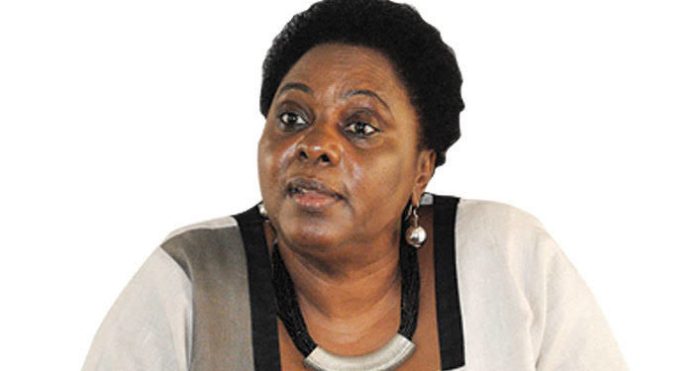
Board Chair, UBUNTALISM GLOBAL, a member of the MUNGAANO INITIATIVE FOR CLIMATE JUSTICE
Kampala faces an uncertain climate future. Like the rest of the world, Kampala is experiencing climate change, mostly with increased temperatures and more intense rainy seasons, which are less predictable and more erratic, leading to flooding and food insecurity. The recorded temperature has increased by 1.50 °C over the last 50 years. Although the amount of rain hasn’t changed much, it now comes at more unpredictable times. This makes the urgency to build climate climate-resilient city necessary. A Kampala Climate Change Action Strategy was put in place in 2019. City authorities, donors, and planners are investing heavily in infrastructure upgrades—stormwater drainage systems, roads, and greening projects—meant to help the city cope with these pressures. But while these efforts are necessary, they have also created a new crisis: the forced displacement and marginalization of the urban poor.
Across informal settlements in Kampala—such as Bwaise, Katanga, Kinawataka, Lubigi, and Kisenyi—residents are increasingly living in fear of eviction. The very communities that have long been excluded from formal housing, water, and sanitation services are now being blamed for occupying wetlands and flood-prone areas. Under the guise of climate adaptation and environmental protection, entire neighborhoods are being cleared, often without compensation, relocation, or a meaningful chance to be heard. In the rush to make Kampala “climate smart,” justice is being left behind.
Climate risks in Kampala do not affect everyone equally. Informal settlements, which house over 60% of the city’s population, are often built on marginal lands such as wetlands, steep slopes, or floodplains. These areas were not chosen out of preference but out of necessity. They reflect decades of neglect in housing policy, rising land values in central areas, and a failure to provide affordable alternatives for low-income earners.
When floods hit, these communities suffer the worst losses—destroyed homes, waterborne disease outbreaks, disruption of livelihoods, and death. Yet when adaptation projects are planned, these same communities are often treated as the problem rather than partners in the solution.
True climate resilience requires acknowledging this imbalance and addressing it, not reinforcing it. It is not enough to build bigger drainage channels or expand roads if doing so leaves the most vulnerable even worse off than before.
One of Kampala’s flagship climate actions is wetland restoration. Wetlands are vital ecosystems that regulate floods, purify water, and store carbon. However, the implementation of wetland recovery projects in urban areas has largely targeted settlements of the urban poor, not the factories, upscale homes, or commercial developments that have also encroached on wetlands—sometimes with tacit approval or licenses.
This selective enforcement raises critical questions. Why are evictions more common in low-income settlements than in commercial zones? Why are ordinary citizens penalized for settling in places where the state failed to provide alternatives? And why is there no serious effort to integrate housing, livelihoods, and climate adaptation into a single, coherent urban plan? The answer lies in the lack of climate justice framing in Kampala’s urban adaptation strategies.
Adaptation without justice is no adaptation at all.Adaptation, by its very definition, should enhance the ability of communities to cope with climate shocks—not expose them to new vulnerabilities. If building a storm drain means displacing hundreds without compensation, it is not resilience—it is injustice disguised as progress.
Just urban adaptation must be guided by the principle of “not harm.” This includes: securing land for vulnerable residents, especially those with long histories of informal occupancy, meaningful participation in planning processes, where communities help shape the projects that affect them, equitable compensation and resettlement, not only for physical displacement but also for economic and social disruption and integration of nature-based solutions with inclusive urban design—like retaining wetlands while upgrading housing in adjacent communities. Without these safeguards, adaptation becomes yet another driver of inequality and exclusion.
Cities around the world are demonstrating how climate resilience can be built with, not against, the poor. In Durban, South Africa, informal settlements have been integrated into flood management plans through co-designed infrastructure and participatory mapping. In Nairobi’s Mukuru slum, residents developed their climate resilience strategies, which were adopted into the city’s adaptation plan. These approaches are not only more just—they are more effective, because they are rooted in the lived realities of those most affected.
Kampala can do the same. Uganda’s own National Climate Change Policy recognizes the need for socially inclusive adaptation. The Kampala Climate Change Action Strategy also emphasizes equity and citizen engagement. The challenge is translating these principles into practice on the ground. What is needed now is a shift in mindset—from “clearing the poor to save the environment” to “working with the poor to protect both people and nature.” This means investing in informal settlement upgrading, enhancing community-based early warning systems, and ensuring that urban infrastructure is designed to serve everyone—not just the privileged.
Climate change will reshape Kampala in profound ways. But the question is: will we allow it to deepen injustice, or will we use it as an opportunity to build a fairer, more resilient city? Urban adaptation must not be reduced to engineering projects and technical blueprints. It must be a democratic process that centers the voices, needs, and rights of all city residents—especially the poorest.
The floods that engulf Kampala’s slums are not just the result of climate change. They are also the outcome of policy choices, governance failures, and social neglect. If we want a resilient Kampala, we must first build a just Kampala. Let us not solve one crisis by creating another. Climate resilience must never come at the cost of human dignity, inclusion, or justice.
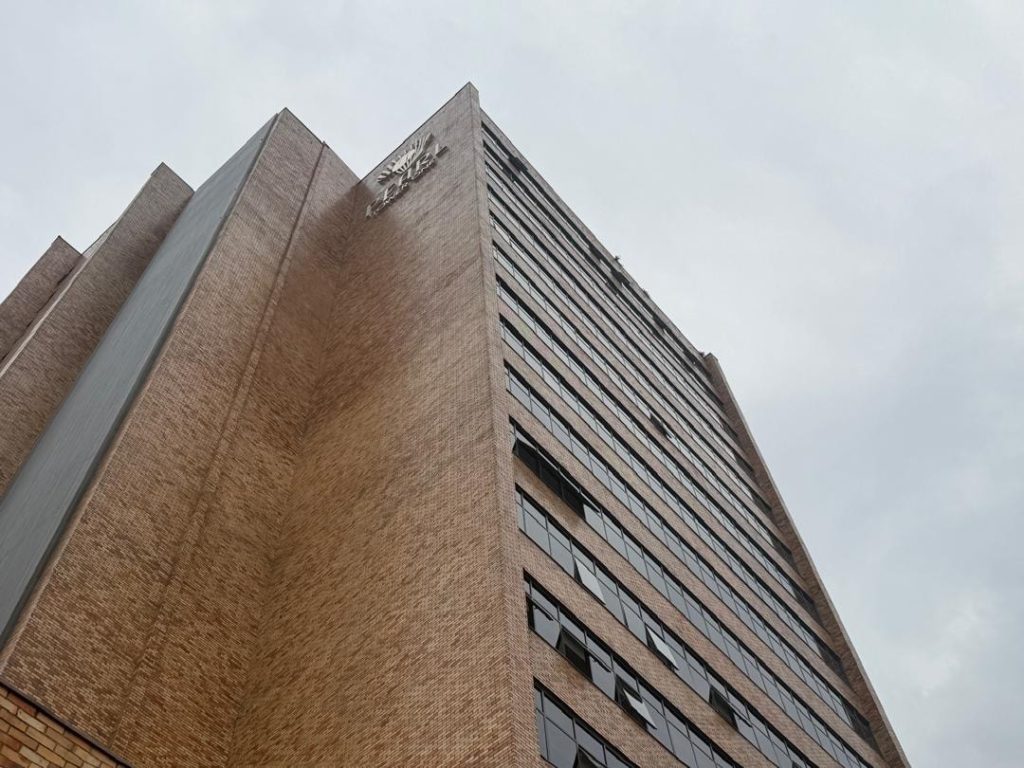
East African mogul Sudhir Ruparelia has officially unveiled Pearl Tower One, an iconic new 19-storey Grade-A office tower marking the inaugural phase of the sprawling Pearl Business Park.
Located at the intersection of Yusuf Lule and Old Kiira Roads, this architectural marvel features 16 floors of premium office space, spanning approximately 24,000 square metres of lettable area, supported by three secure basement parking levels with capacity for over 360 vehicles, though some reports estimate parking for over 1,000 vehicles.
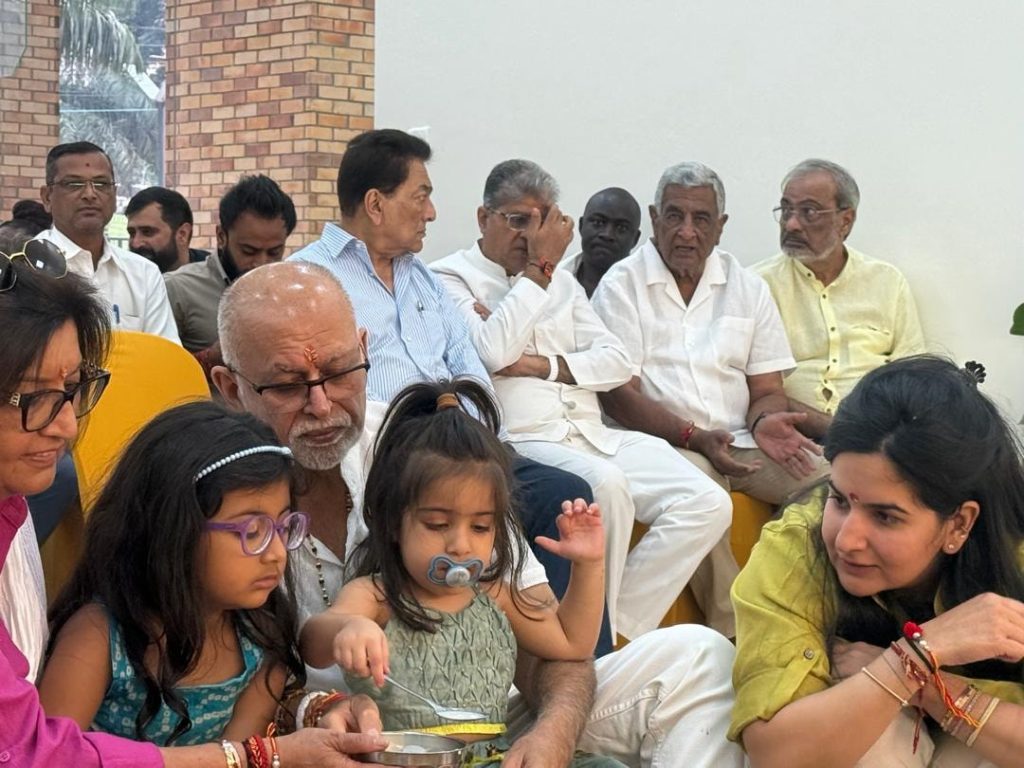
City Tycoon Sudhir, Wife Jyostna, Daughter Sheena and grandchildren are joined by family friends at the unveiling of the new building on Monday August 11, 2025.
Its distinctive combination of brick and glass façade and modern lines now stands as a visible landmark across central Kampala
Pearl Tower One is a bold statement of Sudhir’s confidence in Uganda’s economic future.
It reflects his commitment to creating world-class infrastructure that supports business growth and urban transformation.
The structure boasts world-class amenities designed to meet the demands of modern enterprises: energy-efficient lighting and ventilation, high-speed dual-fibre internet, automated fire detection and sprinkler systems, 24/7 security with over 170 CCTV cameras, reliable power backup via three-phase Umeme supply supported by a multi-day generator backup, and consistent water provision through underground and rooftop storage tanks.
As the first of an impressive 10-tower master plan within the 18–20 acre Pearl Business Park, the project paves the way for an integrated commercial ecosystem featuring a five-star hotel, modern shopping mall, hospital, and landscaped open spaces, effectively creating a “city within a city” in Kampala’s heart.
Strategically positioned near the Central Business District, Mulago Hospital, Makerere University, banking hubs, government institutions, and luxury hotels, the tower’s accessibility via both private and public transport routes makes it an ideal address for embassies, multinationals, startups, and growing enterprises.
Leasing is now open, with businesses already showing interest in securing space in this prime location ahead of its official opening.
Pearl Tower One is more than a building; it’s a grand manifestation of vision, innovation, and investment. It underscores Uganda’s leap into modernity while honoring the enduring legacy of the entrepreneurial spirit. To the Ruparelia family: your perseverance continues to elevate our nation. We cherish the memory of Rajiv Ruparelia, whose spirit remains a guiding light for us all.
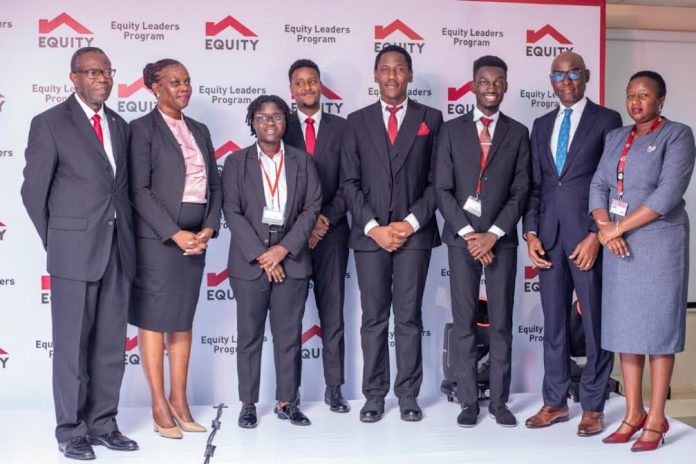
A total of 128 scholars under the Equity Leaders Program (ELP) have secured fully funded scholarships worth Ksh2.79 billion (approximately $21.6 million) to study at 62 prestigious universities across 19 countries and five continents. The cohort includes 87 students from Kenya, 33 from Rwanda, four from Uganda, and four from the Democratic Republic of Congo.
Equity Group Foundation Executive Chairman, Dr. James Mwangi, officially commissioned the scholars’ airlift, each receiving up to Ksh200,000 to facilitate their transition to their respective institutions. Sixteen of the scholars will join Ivy League universities, including Harvard, Princeton, Columbia, and the University of Pennsylvania.
Speaking at the commissioning ceremony, Dr. Mwangi said the ELP was designed not just to educate, but to transform the continent’s future.
“The Equity Leaders Program is both an investment in Africa’s future innovators and a catalyst for the continent’s transformation,” he said.
He added, “Return with a spirit of innovation, a commitment to building a more prosperous and equitable Africa, and the knowledge, skills, and networks to drive economic growth, promote social progress, and build a brighter future for generations to come.”
Among the Ugandan scholars is Garvin Alimu, headed to Harvard University to study Engineering. He reflected on a journey marked by persistence:
“The journey to realizing my dream has been filled with risks, sacrifices, and challenges that at times felt insurmountable. I started my education in a little-known school in Nansana, but worked hard and joined King’s College Budo, where I scored 20 points. But excelling in Uganda is one thing and sitting for a USA essay exam is another altogether,” Alimu said.
Alimu added, “Equity bank staff prepared me for four straight months. This opportunity is not just for me; it’s for the collective good of our communities.”
Claire Nsaba from Kisoro District, who will join New York University’s Abu Dhabi campus to study Environmental Engineering, shared a similar message of perseverance:
“When I received the scholarship, I saw hope for my future and my family’s. Facing rejections from some universities was disheartening, but mentorship from Equity taught me that rejection can redirect you to something better,” she said.
She added, “Applying to New York University was my last attempt, and it worked. Proof that persistence and faith can open doors you never imagined.”
Dr. Mwangi urged the scholars to use their time abroad as an opportunity for growth beyond academics.
“See your time abroad as more than just an academic pursuit—it is a profound global opportunity for personal growth. Let accountability and integrity be your compass. Use your skills, knowledge, and global exposure to become solution-oriented leaders, bridge cultures, and inspire others to dream bigger,” he advised.
Since its inception in 1998, the ELP has supported 23,825 scholars, with 1,098 earning admission to top global institutions on full scholarships. Launched in Uganda in 2022, the program has already admitted 419 scholars, 13 of whom are currently studying abroad.
The program’s holistic approach—blending academic excellence, leadership training, mentorship, and global exposure—aims to equip Africa’s brightest young minds with the tools to drive sustainable economic growth and tackle the continent’s most pressing challenges.
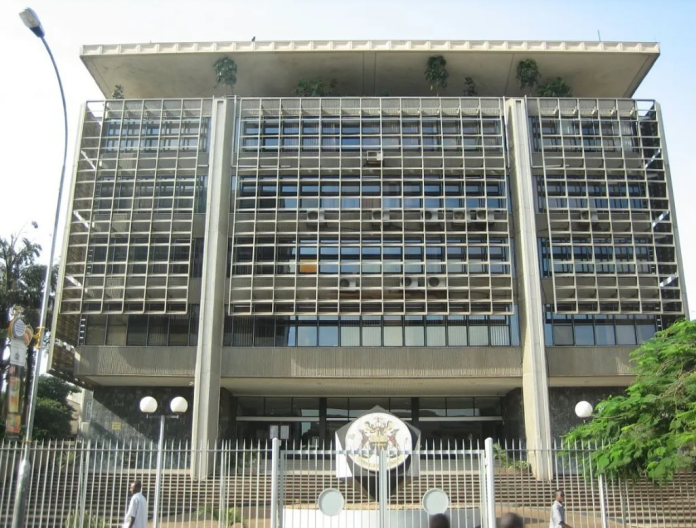
The Bank of Uganda’s Monetary Policy Committee (MPC) has opted to maintain the Central Bank Rate (CBR) at 9.75%, signaling a cautious yet confident approach to navigating ongoing global economic volatility and geopolitical tensions.
The decision, announced on Tuesday, underscores the central bank’s balancing act of controlling inflation while fostering economic growth and socio-economic transformation.
The fiscal year 2024/25 showcased Uganda’s macroeconomic resilience, buoyed by strong coordination between monetary and fiscal policies. This partnership helped anchor investor confidence and preserve economic stability despite a challenging external environment marked by unpredictable commodity markets and geopolitical frictions.
Inflation remained well within manageable limits, with annual headline inflation averaging 3.4% and core inflation at 3.9%, both comfortably below the medium-term target of 5%. July 2025 figures indicated a modest easing, as headline inflation declined to 3.8%, supported by lower prices in food crops and services.
Uganda’s economy expanded by an estimated 6.3% in the past fiscal year, a slight improvement over the 6.1% growth recorded in FY2023/24. Key drivers of this growth include stable inflation rates, a steady exchange rate, and strategic government investments in infrastructure and the extractive industries.
Looking ahead to FY2025/26, the Bank of Uganda projects real GDP growth between 6.0% and 6.5%, buoyed by prudent monetary policy, rising agricultural production, and increased capital inflows into mining and oil sectors. Inflation is expected to edge closer to the 5% target, with core inflation forecasted between 4.5% and 4.8%, supported by a stable exchange rate, improved food availability, and favorable global oil prices.
However, the MPC cautioned that inflationary risks remain. A stronger Ugandan shilling and subdued domestic demand could exert downward pressure on prices, whereas potential exchange rate depreciation, rising import costs, and expansive fiscal spending pose upside inflation risks. The committee emphasized the need for vigilance to manage these dynamics effectively.
Alongside maintaining the CBR at 9.75%, the rediscount rate remains at 12.75% and the bank rate at 13.75%. The MPC indicated that future rate adjustments will be data-driven, responding to evolving economic indicators and external shocks. The current policy stance reflects a “cautious approach” aimed at sustaining economic momentum while safeguarding against inflationary shocks amid uncertain global conditions.
Market analysts view the MPC’s decision as prudent, reflecting a commitment to stability amid external risks such as fluctuating commodity prices and geopolitical unrest in key trading partners. Investors have welcomed the steady rate environment, which provides a predictable monetary landscape conducive to long-term planning and investment.
By maintaining the Central Bank Rate at 9.75%, the Bank of Uganda signals confidence in its current monetary policy framework to balance inflation control with growth stimulation. As the global economy continues to face uncertainty, Uganda’s focus on prudent fiscal and monetary coordination, infrastructure investment, and targeted sectoral support will be critical in sustaining economic resilience and achieving development goals in the coming years.
The Government’s new Online Casino Gambling Bill, currently under Select Committee review, is a step in the right direction toward creating a safer, fairer, and more transparent gambling environment for New Zealanders. As the country’s leading source of information on legal online gambling, we at PlayCasino.co.nz support the push to regulate offshore operators and introduce licensing, age checks, harm minimisation measures, and tax contributions.
But we believe the bill has a serious flaw: it makes no provision for the ongoing funding of community sport, which currently receives over NZ$170 million annually from gaming machine grants.
This gap in the legislation threatens the very fabric of Kiwi sport — the local clubs, youth teams, and community programmes that rely on consistent, ring-fenced funding from gambling grants. If licensed online operators are going to take market share away from the current retail sector, then it is only fair and responsible that they contribute back to the communities they serve.
We Believe in Smart Regulation That Gives Back
The bill includes strong proposals for reducing harm, enforcing local oversight, and holding operators accountable. That’s excellent — and long overdue.
But regulation is not just about minimising harm. It’s also about maximising benefit. And right now, community sport stands to lose big.
As Martin Snedden, Chair of Cycling New Zealand, rightly put it:
“Sport has thrived for decades off the back of community gambling grants. It all goes to clubs, not professional sport.”
We couldn’t agree more. If these new offshore casinos are to be welcomed into our regulatory framework, then they must be required to support the public good, just like the domestic gaming trusts they’ll be replacing.
Public Submissions Close 17 August – Let’s Make Our Voices Heard
This is not a done deal. The bill is still under Select Committee review, and the Government is accepting public submissions until 17 August. That means every New Zealander has a chance to weigh in and help shape the future of online gambling in Aotearoa.
We’re calling on our readers, our fellow players, sports lovers, parents, club organisers — everyone who cares about keeping our communities strong — to speak up.
We’ll be publishing a simple guide to help you make a submission quickly and easily. The more people who raise this issue, the harder it will be for lawmakers to ignore.
How We See It: Four Principles for a Better Gambling Bill
Safer Gambling for Players We fully support age verification, harm prevention, and enforcement of responsible gambling standards.
Legal Options for Kiwis Licensing offshore operators gives Kiwis safe, controlled alternatives to the black-market casinos they’re already using.
Fair Play for Communities If operators are earning revenue from Kiwi players, they must return some of it to the grassroots clubs that hold our communities together.
Transparency for All Licensing is meaningless unless it comes with clear rules — and clear benefits — for the whole country.
We want the Online Casino Gambling Bill to succeed. We want safer play. But we won’t stay silent while community sport is pushed to the side.
We’ll Only Recommend Licensed, Responsible Operators
Once New Zealand’s online gambling market is regulated, we at PlayCasino.co.nz will only promote and review licensed casinos that meet the highest standards of safety, fairness, and transparency.
But we also want to see those operators contributing back — not just to tax revenue or harm services, but to the clubs and communities that make New Zealand what it is.
Final Word: Gambling Should Be Safe — and It Should Give Back
This bill is a chance to build a future where gambling works for players and communities, not just for offshore companies.
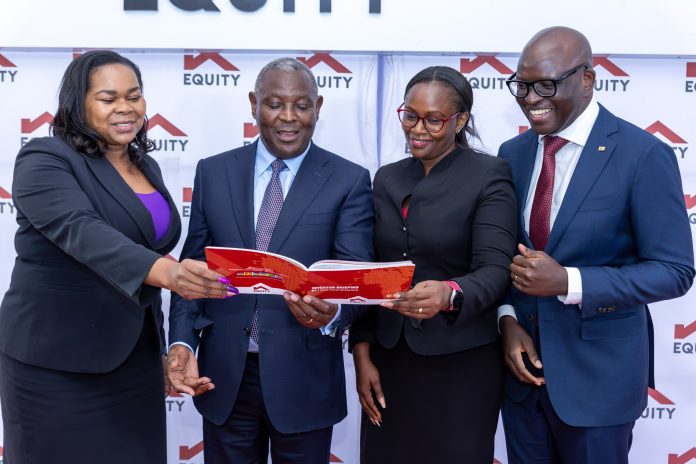
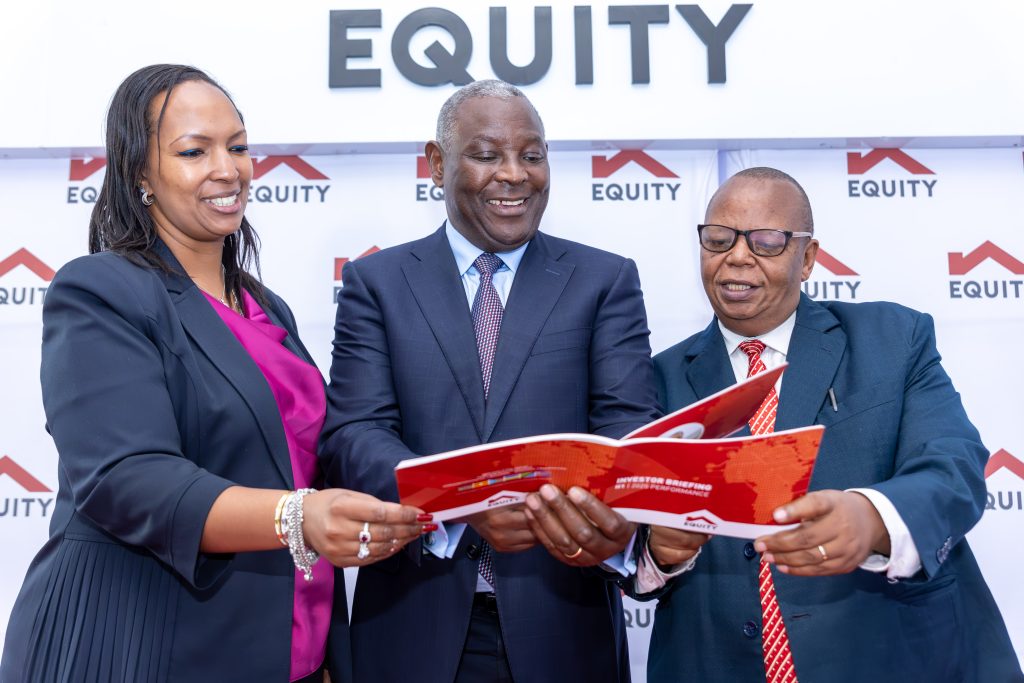
From Left to Right: Equity Life Assurance (Kenya) Limited Managing Director, Angela Okinda, Equity Group Managing Director and CEO, Dr. James Mwangi, Director Equity Group Foundation Operations, Dr. Joanne Korir and Equity Bank Kenya Managing Director, Moses Nyabanda, during the Half Year 2025 Investor Briefing event.
Four years ago, Equity Group embarked on a journey of transformation. The journey was not of incremental change or optimizing the business but one of self-disruption and complete transformation. Nothing, including the core, the true north, corporate beliefs and philosophies, and culture has been spared. The vision has remained socio-economic transformation but has now significantly evolved. The purpose has pivoted from financial inclusion to giving dignity and changing lives while expanding opportunities for wealth creation to one of championing, catalyzing and facilitating private sector led development financing. Knowing Equity could not own the development of a continent, the Group has collaboratively led to the development of the ‘Marshall like plan’ for the continent; The Africa Recovery and Resilience Plan (ARRP) which has informed disruption and transformation of the Group to strategically position it to provide African Leadership.
The Group has developed and mapped its 2030 strategic plan to anchor the ARRP with an ambition to have presence in 15 countries and serving a hundred million customers by 2030. This ambition has necessitated disruption and transformation of the core pillars, enablers and critical success factors. Governance and leadership have been overhauled to provide adequacy of capacity, competence, transparency and openness necessary for the ambition. Systems and infrastructure have been fully replaced with scalable next generation, 4th industrial revolution technologies that are digital, machine learning, Generative Artificial Intelligence (GAI) and data analytics ready and enabled. Applications that can leverage the capabilities of the systems and infrastructure with inbuilt enhanced security and innovations are being deployed. Go to market strategy has been developed for the roll-out to transform the capabilities of a modern product house into customer value propositions and solutions for a segmented market on the basis of industries, sectors, segments, demographics and customer specific status. The Group’s organization culture is undergoing transformation to have built-in customer centricity and market responsiveness on core values of integrity, professionalism, creativity, innovation and teamwork for a fit for purpose human capital and to attract and retain talented, skilled and experienced staff.
Commenting on the Half Year 2025 performance, Equity Group Managing Director and CEO, Dr. James Mwangi said, “The execution of the strategic business plan has started to reflect on the balance sheet and performance of the Group in agriculture, mining, manufacturing, trade and investment, and small and medium enterprises (SMEs) that populate the eco-systems of the formal sector in these value chains and is likely to significantly and increasingly transform the structure and performance of the Group. Continued execution has resulted in transformation of the balance sheet structure and the resultant profit and loss structure creating resilience in performance.”
Group profit after tax grew by 17% to Kshs.34.6 billion up from 29.6 billion year on year driven by a 9% growth in net interest income after an 18% decline in interest expense. Total costs declined by 2% driven by a 34% reduction in loan loss provisions.
From Left to Right: Equity Group Chief Internal Auditor, Beth Kithinji, Equity Group Managing Director and CEO, Dr. James Mwangi, and Daniel Kimotho, a Shareholder, during the Half Year 2025 Investor Briefing event.
The Group has also bounced back to record a 4% growth in loan book to Kshs.825.1 billion despite the challenging global, regional and local macroeconomic environment characterized by uncertainty, depressed GDP, growth rates, high interest rates, volatile exchange rates and high inflation. Customer deposits registered a 2% growth to Kshs.1.32 trillion and total assets grew by 3% to reach Kshs.1.8 trillion.
The loan deposit ratio remains favourable at 62.5% signifying headroom in lending which could be supported by strong capital buffers of 16.5% and 18.1% for both core capital to risk weighted assets and total capital to risk weighted assets respectively and a liquidity ratio of 58.6% confirming the opportunity for asset reallocation from cash and cash equivalent assets to higher yielding loan assets.
The four-year Group business transformation journey has started to deliver consistent quarter-on-quarter improvements. The Group has registered the strongest quarterly performance in Q2 2025 of Kshs.22.9 billion and Q1 2025 of Kshs. 18.6 billion both above the quarterly average for the last 4 years, of Kshs.14.8 billion despite the muted loan book growth, geopolitical uncertainty and impact of culture, governance, systems, people, customer value proposition and transformation the Group is undertaking.
The recovery and build up resilience is evident in every business. Equity Bank Kenya has seen its net interest margin rise to 7.5% from 6.5%, return on assets rise to 3.9% up from 2.8% and return on equity jump to 28.1% from 25%. Equity Bank Tanzania has seen its net interest margin rise to 8.7% up from 8.1%, return on assets rise to 4% from 2.3% and return on Equity grow to 27% from 17.5% year on year. Equity Bank Uganda has seen its return on assets jump to 3.4% from 2.2% and return on equity grow to 25.1% from 17.1%. Equity EBCD has seen its net interest margin rise to 7.1% from 6.9%, return on assets grow to 3.1% from 2.6% and return on equity grow to 23.5% from 21.9% while Equity Bank Rwanda has achieved the highest return on assets of 4.1% and a return on equity of 29.6% and a cost to income ratio of 35.8%.
Recovery
In Kenya
Profit after tax increased by 40% from Kshs.13.9 billion to 19.5 billion, net interest income increased by 18% from Kshs. 27.7 billion to Kshs. 32.8 billion after 29% decline on interest expense to Kshs.18.3 billion down from Kshs. 25.6 billion. Total equity grew by 22% to Kshs.154.6 billion from Kshs. 127.2 billion.
In DRC
Profit after tax increased by 22% to Kshs. 9.1 billion from kshs.7.4 billion. Loans and advances grew by 13% to Kshs.275.4 billion from Kshs. 244.2 billion funded by a corresponding decline in cash from Kshs. 271.4 billion down to Kshs.236.5 billion. Total equity grew 28% to Kshs.82.6 billion up from Kshs.64.8 billion
In Uganda
Profit after tax increased by 40% to Kshs.1.9 billion from Kshs.1.4 billion. Deposits grew by 5% to Kshs.96.8 billion from Kshs. 91.9 billion fueling growth of cash and bank balances by 11% to Kshs.25.7 billion from Kshs.23.1 billion and growth of investment securities by 14% to Kshs.36.8 billion from Kshs. 32.3 billion. Capital grew by 9% to Kshs.16.8 billion up from Kshs. 15.4 billion.
In Rwanda
Total assets registered 21% growth to Kshs.130.1 billion up from Kshs.107.6 billion driven by 22% growth in deposits from Ksh.77.7 billion to Kshs.94.7 billion and 23% in loan book from Kshs. 45.5 billion to Kshs. 56.1 billion and 48% growth in cash and bank balances of Kshs. 42.1 billion up from Kshs. 28.5 billion. Capital grew by 26% to Kshs.19.9 billion up from Kshs.15.8 billion.
In Tanzania
Profit after tax grew by 75% to Kshs.1.1 billion up from Kshs.0.6 billion. Shareholders’ funds grew by 67% to Kshs.10.7 billion up from Kshs. 6.4 billion. Loans and advances grew by 19% to Kshs.31.3 billion from Kshs.26.2 billion.
Insurance Group
Balance Sheet grew by 40% to Kshs.31.48 billion up from Kshs. 22.4billion. Profit after tax was 27% up from Kshs.520 million to Kshs. 660 million.
Regional diversification of the banking business continues to register success transforming Equity Group from a Kenyan bank to a regional bank with 49% of deposits, 50% of loan book, 48% of total banking assets and 50% of Group banking revenue coming from the region. The regional banking business has been value creative with 46% of profit before tax and 43% of profit after tax of banking business being contributed by the regional subsidiaries.
The Group’s loan book quality remains stable with Group NPL ratio having peaked to 14.0 in Q1 2025 from 12.9 in H1 2024 to 13.7 in H1 2025, driven by improvement in NPL ratios of Equity Bank Tanzania 2.9%, down from 10.6% and Equity Bank Uganda which registered NPL ratio of 12.2%, down from 17.9%. Equity Group outperformed the Kenyan industry registering NPL ratio of 13.7% against industry average ratio of 17.6% as at April 2025, while maintaining an IFRS NPL coverage of 68.2%. Group’s cost of risk declined from 2.6% to 1.7% year on year.
On business diversification into the insurance industry to transform the Group from a banking Group into an integrated financial services Group, that has now obtained three licenses of life insurance, general insurance and health insurance. In its 3rd year of operations, the life insurance business has become the second largest group credit insurance company with a market share of 7% of group life and credit life, and number 7 in life insurance in terms of return on Equity and number 8 in profitability. Equity Life Assurance saw its gross written premiums grow by 58% to Kshs.3.8 billion up from Kshs.2.4 billion with net insurance and investment revenue growing by 18% to Kshs. 953 million up from Kshs.808 million, with profit before tax rising by 20% to Kshs. 890 million from Kshs.740 million. Insurance contract liabilities grew by 22% to Kshs. 23 billion up from Kshs.18.9 billion. Total assets increased to Kshs. 28.6 billion up from 22.4 billion. Return on equity stood at 40.7% with a return on assets of 4.7%. Within 3 years of operation, Equity Life Assurance has reached 6.7 cumulative unique customers and issued 16.6 million policies.
The General insurance, which began operating this year, has had a strong start with a Kshs.1.36 billion gross written premiums within 6 months generating Kshs. 640 million insurance revenue to register a profit before tax of Kshs. 32 million, a 6.6% return on equity and a 2.8% return on assets. Equity Insurance Group registered a 26% growth in profit before tax supported by a 115% increase in gross written premiums, of Kshs. 5.181 billion up from Kshs. 2.414 billion. Insurance revenue grew by 59% while total assets grew by 40%.
The investment in systems to create convenience with compression of distance and time for customers has led to a transformation of the business delivery model with migration from fixed and variable cost channels to self-service channels. While over 98% of transactions happen outside the branch, 87.4% of these happen on digital channels.
The non-banking business of the technology and insurance Group have raised its total contribution to Group assets from 1.4% to 1.9% year on year, revenue to 4% up from 2.8% and profit before tax to 3.8% up from 3.5%. The non-banking Group generated a return on Equity of 42.4% and return on assets 6.6% compared to the Group return on Equity of 26.1% and return on assets of 3.9%.
While the Group continued to transform its business arm (economic engine) it continued to invest in its social and sustainability engine under the Equity Group Foundation. A total of $715 million in social impact and sustainability investment program with 47% of funding going to social investments of secondary school scholarships and 34% into university scholarship with the balance being invested in the real economy to derisk and capacitate development of enterprise, entrepreneurship, financial inclusion, health, energy and environment and food and agriculture. Equity Group Foundation has taken global leadership in championing private sector led development, financing and offering direction in reform of global financial architecture.
The Equity Leaders Program (ELP) remains central to nurturing the next generation of African leaders, having supported 29,515 university scholars to date. Among them, 1,061 scholars have secured placements at leading global universities, while 9,700 students have participated in paid internships. The Group’s investment in technical and vocational education has benefited 3,979 TVET scholars, reflecting its commitment to workforce development.
Advancing environmental sustainability, Equity has distributed 520,549 clean energy products and planted 36.4 million trees, driving both climate action and community resilience. Through targeted climate finance exceeding USD 200 million, the Group is enabling enterprises and households to adopt sustainable practices. This leadership in green financing has earned Equity international recognition, with the International Finance Corporation (IFC) acknowledging it as the global leader in climate-related transactions.
Equity’s flagship Young Africa Works program continues to unlock entrepreneurial potential. A cumulative Kshs 363.09 billion has been disbursed to 350,149 MSMEs, while 2.49 million women and youth have received financial education. Complementing these efforts, 658,459 MSMEs have been equipped with entrepreneurship training, broadening economic inclusion across the region.
Further supporting vulnerable populations, the Group’s social protection initiatives have reached 5.9 million individuals, with Kshs 169.8 billion disbursed via cash transfer programs. At the same time, Equity Afia, the Group’s healthcare network, has expanded to 139 clinics, registering 3.98 million patient visits and contributing significantly to affordable and accessible healthcare in the region.
Equity Bank was named the “Best Regional Bank in East Africa” at the African Banker Awards 2025 and retained title as Kenya’s most valuable brand in 2025, for second year running. These recognitions affirm Equity Group’s regional leadership and role in advancing financial inclusion and socio-economic transformation across the continent.
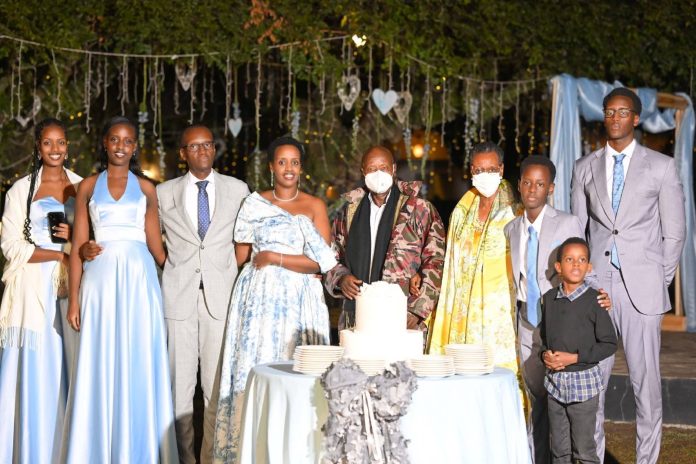
President Yoweri Museveni and First Lady Janet Kataaha Museveni pose for a family photo while marking 25 years of their daughter Natasha Karugire’s marriage to lawyer and businessman Edwin Karugire.
President Yoweri Museveni has revealed that “intelligence is dead” amid rampant corruption and inefficiency.
“People are paying Shs30 million to ensure a letter reaches me. And if I see it, I give an answer and a solution. Yet, the messenger is paid. We have arrested them,” Museveni said, lamenting the distortion of basic communication channels.
He further accused intelligence officers of being hollowed out by “parasites” who have robbed them of credibility.
Museveni painted a grim picture, for years, he said, he avoided listening to informants until the information inevitably reached him by flawed routes.
“Many are dead and robbed by those parasites,” he said, before adding, with bitter irony, “NRM is a benevolent group and we don’t harm people… these people who plan bad things… they come and report themselves.”
The president revealed how, due to distrust in formal intelligence, even his daughter Natasha, described as “most apolitical,” has become a de facto Director General of Intelligence in his eyes.
“So Natasha tells me, and then I call these people,” he explained. He said this at a function to celebrate his daughter Natasha’s 25 years of marriage to Edwin Karugire.
Museveni’s rebuke comes amid mounting concerns over the reliability and politicization of Uganda’s intelligence agencies
Museveni reveals deep distrust in formal channels, widespread corruption, and the urgent need for reform. By publicly naming these issues, the president hints at potential shakeups within intelligence and security agencies. When the head of state implies that grassroots or personal networks have replaced official agencies, it undermines public confidence in the country’s national security apparatus.
President Museveni’s claim that intelligence is “dead” unveils an urgent and systemic failure across the security and information networks. Whether this public censure will translate into effective reform or further consolidate executive control remains to be seen. But one thing is clear: trust in the formal intelligence system has been profoundly eroded.
Gen. Museveni isn’t known for seeking public sympathy, and his reason for coming out could signal an indicator that he is tired of the rotten system around him, and this could imply an impending sacking and dropping of those in intelligence circles.
EagleOnline has further learnt that, due to this frustration by the head of state, he is surrounded by non-functioning systems. Insiders say the internal fights within the agencies mandated with gathering intelligence are the biggest contributor, as well as a lack of funding.
The ongoing bickering in the External Security Organisation (ESO) between the two topmost leaders, for example, and the internal crisis at the Internal Security Organisation (ISO) involving several individuals, can lead to the current state of affairs. So, the public should expect a purge among the top leaders of these agencies soon.
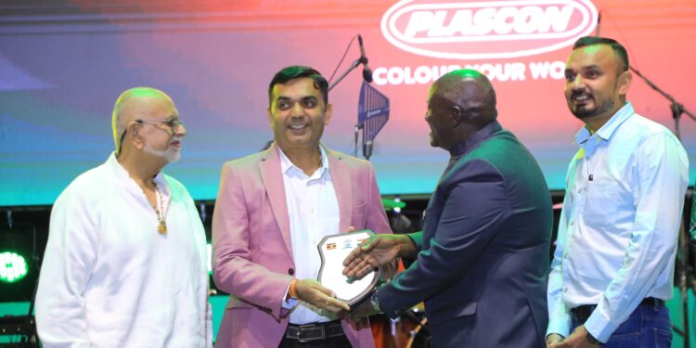
Works and Transport Minister, Gen. Edward Katumba Wamala, chats with Tycoon Sudhir Ruparelia and Paresh R. Mehta, acting chairman of the Indian Association Uganda, and another guest at Kololo.
The Indian community in Uganda turned the Kololo Independence Grounds into a vibrant display of culture and compassion on Saturday, August 9, as thousands gathered for the annual India Day celebrations — this year dedicated to raising funds for lifesaving heart surgeries for more than 100 Ugandan children.
Organized by the Indian Association Uganda and the Sindhi Community Uganda, the event showcased the community’s deep commitment to social welfare. Its primary mission was to address the alarming statistic that 8,300 children are born each year in Uganda with congenital heart defects. This reality leaves many without access to life-saving care.
“This is not just a cultural celebration; it’s a lifeline,” said Paresh R. Mehta, acting chairman of the Indian Association Uganda. “We wanted this year’s India Day to be a celebration with a heartbeat. The first group of 50 children will soon travel to India for surgeries, with all their medical and travel costs fully covered.”
The cause received a major boost from Kansai Plascon Uganda, which donated approximately $80,000 (Shs300 million). “Our paint brings color to homes, but our partnerships and community work bring hope to hearts,” noted Santosh Gumte, the company’s managing director. “We cannot stand by and let that potential fade away.”
Several other partners, including Airtel Uganda, Uganda Airlines, the Rotary Clubs, and the Ruparelia Group, joined the effort, underscoring the spirit of collaboration between the Indian community and local institutions.
Government leaders also praised the initiative. Minister of Works and Transport Gen. Katumba Wamala commended the Indian community for aligning the event’s mission with Uganda’s own healthcare goals.
He said, “Tonight’s cause is deeply aligned with our national priorities. You have shown that friendship between nations is measured not just in trade, but in compassion.”
The day was steeped in Indian tradition — colorful dance performances, the aroma of street food, and musical acts by Indian pop stars Anjana Padmanabhan and Guru Randhawa kept the crowd energized. The Indian High Commissioner, H.E. Upender Singh Rawat, reminded attendees that the event celebrated not only India’s independence but also “the enduring friendship and shared values between India and Uganda.”
As the evening closed with fireworks, awards were presented to individuals and companies who had gone above and beyond in supporting blood donation and medical aid. For many, the night symbolized more than cultural pride — it was proof that the Indian community in Uganda remains a steadfast partner in saving lives and building hope.
Former Minister of Information and National Guidance Mary Karooro Okurut is dead.
Karooro, who has been serving as a Senior Presidential Advisor on Media. She was aged 71. She was born on December 8, 1954.
“With so much pain, grief, and sorrow, I announce the death of my ‘bosom buddy’ Mary Karooro Okurut. My literature teacher, my mentor, my close buddy, my world, my all. So painful to imagine. This is a sting I will never forget. May the angels receive her in glory.” Margaret Muhanga, the State Minister of Health in charge of Primary Health Care, posted on her X handle.
Ms Okurut further served in the cabinet dockets of Security, General Duties in the Office of the Prime Minister, Public Service and Gender, Labour and Social Development.
From 1999 to 2004, she served as a Press Secretary to the president. Mary Karooro Okurut began lecturing at Makerere University in the Department of Literature in 1981, as soon as she completed her master’s degree. She maintained her status as Lecturer until 1993. In 2004, she was elected in the bye election as the Bushenyi District Woman Member of Parliament.
Before her political career, Okurut was perhaps best known for her contributions to Ugandan literature both as a writer and as the founder of the Uganda Women Writers Association
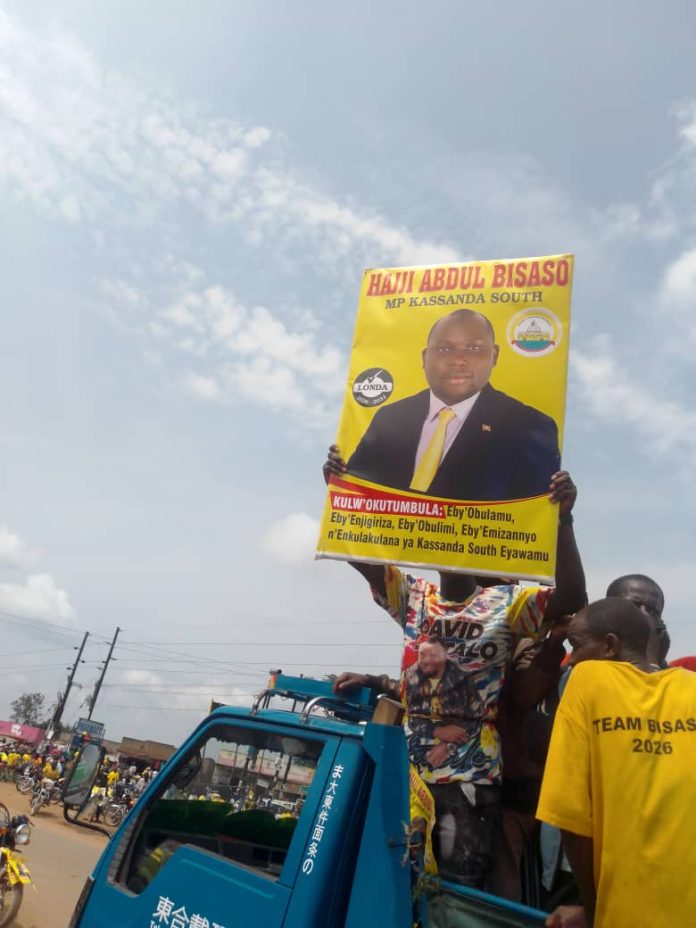
Kassanda, Uganda – August 10, 2025 – The unresolved NRM Central Electoral Tribunal case challenging Abdul Bisaso’s narrow victory in the July 17, 2025, Kassanda South parliamentary primaries has plunged the constituency into a volatile standoff, with Eriya Mubiru’s alleged security connections and aggressive propaganda campaign deepening divisions.
As locals brace for a ruling, fears mount that the National Resistance Movement’s (NRM) disarray could jeopardize its chances in the 2026 general elections, not only for the parliamentary seat but also for President Yoweri Kaguta Museveni’s re-election and other district positions.
The primaries, overseen by Kassanda District NRM Registrar Henry Rukundo, saw Bisaso secure 10,226 votes against Mubiru’s 9,860 and Simeo Nsubuga’s 3,172, out of roughly 24,000 valid votes cast (68% turnout among 45,000 registered NRM members). Mubiru’s July 20 petition, alleging vote rigging and intimidation at 25 polling stations, remains unresolved, with the tribunal’s repeated adjournments—most recently on August 5—fuelling accusations of deliberate delays. The process, typically resolved within 14-21 days, as per the NRM’s 2010 constitution, is strained by a nationwide backlog of 200 disputes, a consequence of the party’s expanded membership of 10 million.
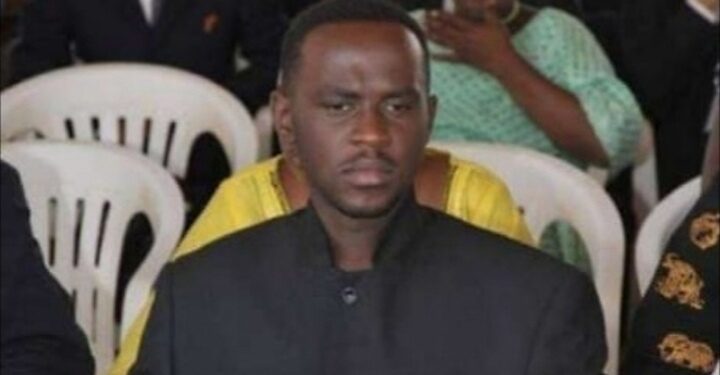
Eriya Mubiru.
Adding to the turmoil, Rukundo’s recent imprisonment on charges related to the primary election has sparked outrage among Bisaso’s supporters, who blame Mubiru’s influence as a contractor with the Uganda People’s Defence Force (UPDF). Mubiru, notorious for moving with armed soldiers and boasting State House connections, is accused of leveraging these ties to orchestrate Rukundo’s remand, undermining the primary results. “He flaunts military escorts and claims Kampala will hand him the flag,” said a Kiganda Town Council resident, who prefers to remain anonymous for fear of retribution by Eriya ‘s henchmen, reflecting sentiments echoed in local X posts. Mubiru’s history reinforces this perception as a Nalutuntu-based land dealer, whose 500-acre cattle farm has sparked disputes, including the controversial enclosure of Bukompe Village, which affects 150 households (Uganda Land Alliance data).
Mubiru’s media machine—spanning WhatsApp groups, TikTok accounts, and ads on local radios —has amplified claims that the tribunal has “already awarded him the card,” with 50,000 social media impressions in the past week alone, outpacing Bisaso’s 20,000. His assertions of clinching victory through “Kampala connections” have fuelled propaganda, with 62% of 500 surveyed residents (Kassanda Development Forum, August 2025) believing the delay is politically motivated. This has eroded NRM trust, with member engagement down 15% since the dispute began.
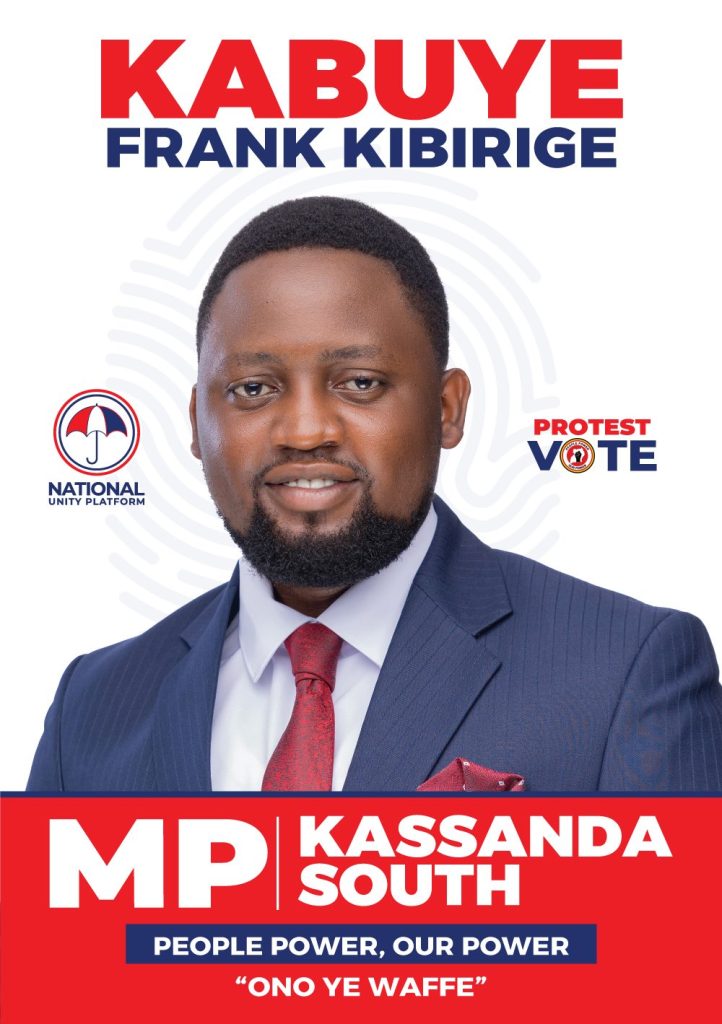
Bisaso, a self-made entrepreneur with deep Kiganda roots, commands organic support from his youth leadership days in pre-2017 Mubende District and his role as NRM DEC Chairman for Entrepreneurs. His contributions to past victories—Nyombi Thembo, Simeo Nsubuga, and Michael Muhumuza in 2021—alongside initiatives like Emyooga (Shs2 billion to 5,000 youth since 2020), cement his grassroots appeal. Yet, the tight margin (366 votes) underscores the need for unity with Mubiru and Nsubuga, whose combined 23,258 primary votes could secure 20,000 in the general election, crucial in a constituency where NUP’s Frank Kabuye Kibirige won in 2021 with 12,279 votes (39% of 31,453).
NRM insiders warn that consolidating Bisaso, Mubiru, and Nsubuga is vital not only for the MP seat but also to boost Museveni’s tally (10,456 votes or 33% in 2021) and secure positions like woman MP and district LC chairman. Kassanda’s 315,000 residents, reliant on agriculture (70% of household income) and grappling with 18% youth unemployment (UBOS 2024), demand cohesive leadership. Mubiru’s security-backed posturing, however, risks alienating voters, with his land disputes—resolved in court against Abdi Hassan in 2022 but ongoing with neighbours—casting him as an outsider.
As the September flag bearer certification deadline nears, Kassanda remains on edge. “Mubiru’s soldiers and boasts are splitting us,” a local elder warned, predicting opposition gains if the “floodgate” of disunity persists. Bisaso’s camp is countering with community outreach, but the tribunal’s silence and Mubiru’s military clout threaten NRM’s hold on Greater Mubende, where 2021 losses to NUP loom large. A ruling, expected by August 15, is critical to averting electoral disaster in 2026.