Stanbic Bank
Stanbic Bank
25.2 C
Kampala
Stanbic Bank
Stanbic Bank
Home Blog Page 1537

No contaminated Brazilian sugar on Ugandan market, says UNBS

Following reports about the presence of the Brazilian imported contaminated sugar in neighbouring Kenya, the Uganda National Bureau of Standards has come out to allay fears that the same product could be selling on the Ugandan market.

In the latest statement, UNBS says it has put in place measures to curb any contaminated sugar on the local market, having done inspections that failed to identify any traces of the unwanted sweetener.

“The UNBS market surveillance team has so far inspected more than 200 outlets focusing on the main sugar supply centres in and around Kampala but no sugar imported from Brazil has been found on the market,”.

UNBS says over 100 samples were randomly picked from the market and taken to its laboratories for further testing and analysis. “It was established that all the samples did not contain any contaminants or heavy metals such as copper, lead, mercury that may have adverse effects on human health,” reads part of the statement.

According to the statement, more samples have been picked from towns of Mbale, Busia, Malaba and Tororo to mention but a few and they are being assessed.

All UNBS imports inspectors at various border entry points have been carrying out regular testing of imported sugar before it is allowed on the market, the statement further says.

“Based on the results so far, UNBS would like to assure the public that the sugar on the Ugandan market meets the required standards and therefore it is safe for consumption,” it says.

The standards body has urged the public to remain vigilant and report any cases of substandard products on the market, adding that it will continue to perform its mandate of enforcing standards to protect consumer health and safety and the environment against dangerous and sub-standard products.

Over two weeks ago, samples of contraband sugar confiscated by Kenyan police in Nairobi tested positive for lead and copper while failing to meet quality standards on microbiological matter which determines the shelf life of consumable goods.

The high presence of copper and lead in the sugar means millions of Kenyans have been exposed to the harmful effects of heavy metals, which cause a wide range of diseases and disorders.

According to health experts, lead causes cancer of the kidneys, brains and lungs, affects the development of the nervous system and the brain, decreases intelligence in children, and causes anaemia and high blood pressure.

The confiscated sugar, re-packaged in Kabras packs, was determined not fit for human consumption as it had not been inspected when it entered the Kenyan market.

Reports from Kenya indicate the consignment of white and brown sugar had been milled in Brazil but packed in different countries, including the United Arab Emirates and India.

Stories Continues after ad

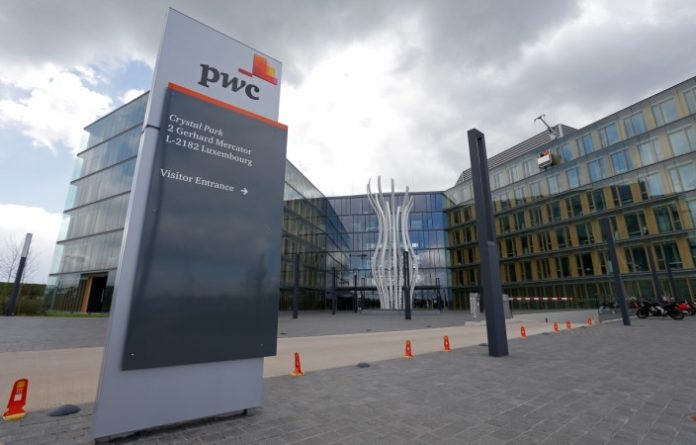
PwC must pay FDIC $625.3 million over bank’s collapse: U.S. judge

A federal judge on Monday said PricewaterhouseCoopers LLP must pay $625.3 million in damages to the Federal Deposit Insurance Corp for failing to uncover fraud that led to one of the largest bank failures of the global financial crisis.

U.S. District Judge Barbara Rothstein found it more likely than not that PwC’s negligence was the proximate cause of FDIC damages from the August 2009 demise of Montgomery, Alabama’s Colonial BancGroup Inc, once among the 25 largest U.S. banks.

Rothstein said PwC failed to uncover a multi-year fraud between Colonial, its former client, and Ocala, Florida-based Taylor, Bean & Whitaker, once the nation’s 12th largest mortgage lender and a major Colonial customer.

The FDIC sued in its role as receiver for Colonial Bank, which once had more than $25 billion of assets and 340 branches.

Taylor Bean also failed in August 2009. Its former chairman, Lee Farkas, is serving a 30-year prison term for his 2011 conviction on fraud and conspiracy charges.

Rothstein had found PwC liable for negligence in December, after a non-jury trial, and tried the damages issue in March, also without a jury.

PwC had argued that the FDIC could recover $306.7 million at most, and that no damages were justified because numerous Colonial employees had interfered with its audits.

“We intend to pursue an appeal of this matter at the earliest opportunity,” it’s outside lawyer Phil Beck said in a statement provided by PwC.

The FDIC said it does not discuss pending litigation. It previously settled with Colonial’s internal auditor, Crowe Horwath.
On Feb. 28, Taylor Bean’s former auditor Deloitte & Touche LLP [DLTE.UL] agreed to pay $149.5 million to settle U.S. government claims it also missed the fraud.

According to the FDIC, the fraud began in 2002 when Taylor Bean began overdrawing its accounts and Colonial, at Farkas’ urging, began manipulating those accounts to conceal it.

This allegedly included the sale by Taylor Bean to Colonial of mortgages that had already been sold to other investors, and Colonial receiving stakes in mortgages that had no collateral or were in default.

By the time the fraud was discovered, Colonial’s balance sheet included $1.47 billion of mortgage trades that were “fake or otherwise impaired,” Rothstein wrote.
The $625.3 million award covers PwC’s audits of Colonial from 2003 to 2005 and in 2008.

A trial for the 2006 and 2007 audits has not been scheduled because the FDIC did not waive its right to a jury trial.
The case is Federal Deposit Insurance Corp as receiver for Colonial Bank v PricewaterhouseCoopers LLP, U.S. District Court, Middle District of Alabama, No. 12-00957.

Stories Continues after ad

Produce witness in Bishop Luwalira case—Magistrate

Kaddu is accused of attacking the clergy at the alter

Mwanga II Magistrate court, Mengo has set July 20 as the last day to hear the case against Hebert Solomon Kaddu accused of trying to attack Bishop Wilberforce Kityo Luwalira at the altar.

With the aid of Reuben Wasswa Luwagga an official in Namirembe cathedral, Hebert Solomon Kaddu was arrested by police, however his relatives claime that Kaddu had a mental problem and had no intention to annoy or inflict harm on the clergy.

He was examined and produced before Grade One Magistrate Julius Mwesigye and charged with threatening violence against Bishop Luwalira and Rev. Canon Benon Kityo the dean of Namirembe Diocese and disturbing religious assemblies.

Today in court, Justice Mwesigye directed prosecution team led by Immaculate Nambaju to produce key the witness in the matter saying failure to produce them will lead to disposal of the case.

In her response, Nambaju said they had she had not summoned them and vowed to produce them in the next sitting.

Prosecution avers that during the morning service on Easter day celebrations at Namirembe Cathedral, Kaddu while armed with a stick and a backcloth attempted to attack Bishop Luwalira amidst the congregation few minutes after he had just descended from the pulpit to alter for Holy Communion.

Kaddu a driver of a one Tour and Travel Company and a resident of Mackay Zone in Mengo later remanded in Luzira prison however on my 5, he was granted bail.

Stories Continues after ad

ISO’s Kaka advised Museveni into taxing mobile money- Source

ISO Director General Col. Kaka Bagyenda

Somewhere in the course of his job of nosing into peoples’ business, Internal Security Organization’s top boss, Col Kaka Bagyenda stumbled on information showing that Shs2 trillion is transacted through mobile money annually.

He immediately rang the president and requested for a meeting. To the meeting, he went with an intelligence report showing that despite the Shs2 trillion making rounds on the mobile money platform annually, telecom companies led by MTN were having the cake all to themselves.

In that meeting, Col. Kaka suggested to the president that government should only take 1 per cent of the Shs2 trillion (Shs20 billion) and leave the rest to the telecom companies.

“They came and investigated the claims in that so called intelligence report from him and they found nothing. But they were hell bent on taxing the Shs2 trillion which they thought was being taken by us,” a top in house lawyer of one of the leading telecoms who was part of the intense meetings between government and the telecoms told Eagle Online.

He added, “They wanted to push the taxes on to us but we refused arguing that it is not our money but people’s money and that if they wanted to tax it they should tax the owners. There was no way we were going to pay tax on money we do not own.

“We told them that Mobile Money has two pools. The deductions by the telecoms and the money owned by the account holders. We pay tax on our telecoms pool. We refused pay tax on behalf of the second pool.”

According to the lawyer, government officials in the discussions failed to understand that taxing mobile money will be taxing the movement of money instead of the value that money has created.

“If I have money in my wallet and I want to put on my mobile wallet, it will be taxed 1 per cent. What value has that money created for it to deserve being taxed? If all people were keeping their money in pots at home, would government have introduced a pot tax?

“We argued against taxation on the velocity of money because you only end up hurting people’s incomes without justification. Money should be taxed because of the value it has created, not because it has been moved from one one pocket to another,” the lawyer, who spoke on condition of anonymity because he is not supposed to speak on behalf of his employer said.

Over the weekend, government activated a 1 per cent tax on Mobile money transactions and another controversial social media tax of Shs200 per day for one to access any social media platform.

Some people have resolved to challenge the taxes in courts of law.

Asked whether he sees any chance for success in the individuals petitioning the courts of law especially on the social media tax, the lawyer said it will be very big luck.

“We were involved in long hard discussions. Even the US Ambassador to Uganda personally wrote a letter to the president but it did not yield anything. For now the people will shoulder the burden,” he said.

Stories Continues after ad

Top bosses at Education Ministry fight over contracts

The Ministry of Education and Sports official has been forced out of office under unclear circumstances.
Martin Muhanga, a Senior Internal Auditor got into trouble for reportedly questioning approved payments to an unfinished World Bank funded project.

Muhanga was forced out of office on June 1 2018. “His office was broken into by senior ministry officials under the supervision of area police boss a one Sempijja,” a source told Eagle Online.

How trouble started for Muhangi
Early this year, the Ministry of Education and Sports contracted a UK firm, Mott Macdonald Limited to carry out consultancy services for the Education Sector Early Childhood Development (ECD) policy review under the Uganda Teacher and School Effectiveness Project (UTSEP) and the Global Partnership for Education (GPE) Project.

The project funded by World Bank costs US $100 million and Shs5 billion would go for the review of early childhood policy. “Government has been short in the area of childhood policy. Most of this has been in the hands of the private sector and so, this project was intended to streamline that,” said an insider at Education Ministry.

The consultancy started its work and was to have a Technical Reference Committee in place whose role was to qualify payments to be made to the contractor. The terms of reference given to the consultancy company included the review of reports and documents from the consultancy firm before submission to the relevant working groups and authority.

However, a February 2018 meeting convened by State Minister for Education, Rose Mary Sseninde discovered that whereas the inception report had been done and fully in place, the meeting realized that there was a problem with milestones 2, 3 and 4.

“Although 2 and 3 had been paid and the preparation to pay for milestone 4, the final comment of the contract manager showed that milestones 2, 3 and 4 had issues,” a source noted.

Expenditure
Whereas milestones 2, 3 and 4 were said to have had issues and did not call for payment, a letter dated Feb 26, 2018 authorized payment for the fourth installment.

“The submitted Zero Draft ECD report forms the basis upon which consultations will be made and whose input will inform the final product. This is therefore to forward the claim for onward processing for payment,” a letter by Contract Manager, ECD Policy Review at the Ministry, Assistant Commissioner Ibrahim Bigabwa reads in part. Interestingly, the requisition was written and forwarded a day before the Sseninde meeting was held towards the end of February 2018.

Insiders say Muhanga is wanted out for questioning controversial payments. Upon landing on the Milestone four requisition for payment, Muhanga wrote two letters on March 16, 2018 and March 20, 2018 to the Assistant Commissioner Internal Audit and Contract Manager ECD Policy Review respectively questioning the inconsistencies in the payments and also offered guidance.

“Payments to the consultant continue to be processed through his office and yet the clear process of paying for consultant services is not being followed,” the letter to the Assistant Commissioner Internal Audit reads in part. Muhanga added that before payment was made there was need to review the payment so that government gets value for money from the consultant.

“Refer to your report to the Minister of State for Primary Education where you highlighted the status of Milestone four as ongoing validation by the Technical Reference Committee and that was as at Feb 27, 2018 and yet you signed loose minute forwarding for payment on the Feb 26, 2018 a day earlier than your progressive report to the Minister. This confirms that you actually forwarded documents for payment for unfinished product by Mott Macdonald because by this time according to your progressive report, the TRC was still validating the Consultant’s work. One wonders what you were paying when you did not have a complete product from the Technical Reference Committee…” Muhanga wrote to Bigabwa. “In the view of the above audit observations, please clarify on why the process of payments for reviewing of the ECD policy by Mott Macdonald was handled that way. I would be glad if individual written submissions are made for final consolidation of a report on the subject.”

In what appeared to be a response to Muhanga’s letter however, Bigabwa, authored a document on March 16, 2018 reporting lost consultancy payments even upon receiving Muhanga’s.
“I allocated the payment request and all the attached documents to Mrs. Sukie Bainomugisha, SIA, to verify and revert to my office for review. I have been informed that you picked the said payment request from her desk, in her absence and without her knowledge, on Monday March 12, 2018 and went with it….” Part of Bigabwa’s letter reads.

“The purpose of this memo is double; to demand that you return the document to the officer from whose desk you picked it with minimum delay; to advise you to desist from such unprofessional conduct in furtherance of government business,” Bigabwa said.
A few days later, the office of Muhanga was broken into and some documents were taken. His lock was also changed to restrict him from accessing it.
Contacted for a comment Muhanga declined to comment on the matter, referring us to the ministry spokesperson, Muhinda.

We have however, learnt that the ministry has filed eight cases against Muhanga at the Criminal Investigations Directorate in Kibuli. The cases include; abuse of office, embezzlement, neglect of duty, theft of documents, threatening violence, disobedience of lawful orders, fraudulent recruitment and promotion and causing financial loss. Eagle Online has established that the man at the centre of the fight is PS Alex Kakooza who is trying to shield others officials at the ministry including those that sold tablets that were purchased to distribute to Uganda National Examination Board (UNEB) and other top officials. Eagle Online couldn’t reach Kakooza as his phone was off.

Stories Continues after ad

Busoga King joins Jinja Scouts in Campsite Silver Jubilee celebrations

The Kyabazinga of Busoga (center) receives a gift of a Jinja scouts Scarf, a district badge and a Uganda Badge and the World scouts badge form the Jinja district commisioner Mike Baraza(right). Looking on is the district executive secretary, Richard Ssimwogerere(Left) and Chairman district council, Mr Pithy Ndiko. in black coat.

Jinja: Himself a Scout and a former camper at the same site, the Kyabazinga of Busoga, His Royal Highness William Nadiope IV spent his Saturday in a familiar crowd.

“I am a scout and I will forever be a scout,” the king told a cheerful crowd at the opening of his speech. “I used to camp here and I am happy to be back.”

Jinja Scouts Association invited the Kyabazinga to celebrate with him 25 years of BP Training and Camping Ground. The Campsite itself a got by the scouts with the help of the Kingdom was developed in 1993 with a partnership of the Jinja scouts and scouts from Avon County in the United Kingdom.

Welcome Home: The Kyabazinga being welcomed at the celebrations by the Chief Prince of Busoga, Samwiri Zirabamuzale who is also district deputy scouts commissioner Youth Programs. Looking on (in scout uniform) is the Jinja District Scouts Deputy Chief Commissioner =, Mr Isaac Imaka and District Scouts Council Chairman, Mr Pithy Ndiko(In black jacket)
Happy to be home: HRH William Nadiope IV, the Kyabazinga of Busoga, waves to the campers.

“We are grateful for the partnership and since 1993, a lot of young people have been mentored and nurtured through this place at the different camps and activities that take place here,” Mr Pithy Ndiko, the chairman of the Jinja Scouts Association Council said.

At the ceremony the king inspected a guard of honor mounted by scouts from over twenty schools from Jinja. He there after inspected different campsites where he scouts showcased their creativity in design and craftsmanship with items like dining tables, seats and showers made of only ropes and wood.

The Anthems: Scouts and Busoga Kingdom leaders join the Kyabazinga in singing the National and Busoga anthems.
Campers’ Life: The king leaving his tent to go and inspect the work scouts were doing at the during the camp.

“It is our hope and desire that we continue mentor and inspire the young people of Busoga through scouting.

“You honoring our invite is a sign to the young people that their king and inspiration appreciates the work of scouting and we ask that you continue endorsing our activities as scouts,” the Jinja district Scouts Commissioner”, Michael Baraza said in his speech.

We love scouting: A young female scout narrating her love for scouting the the Kyabazinga.
Some of the female campers during the celebrations

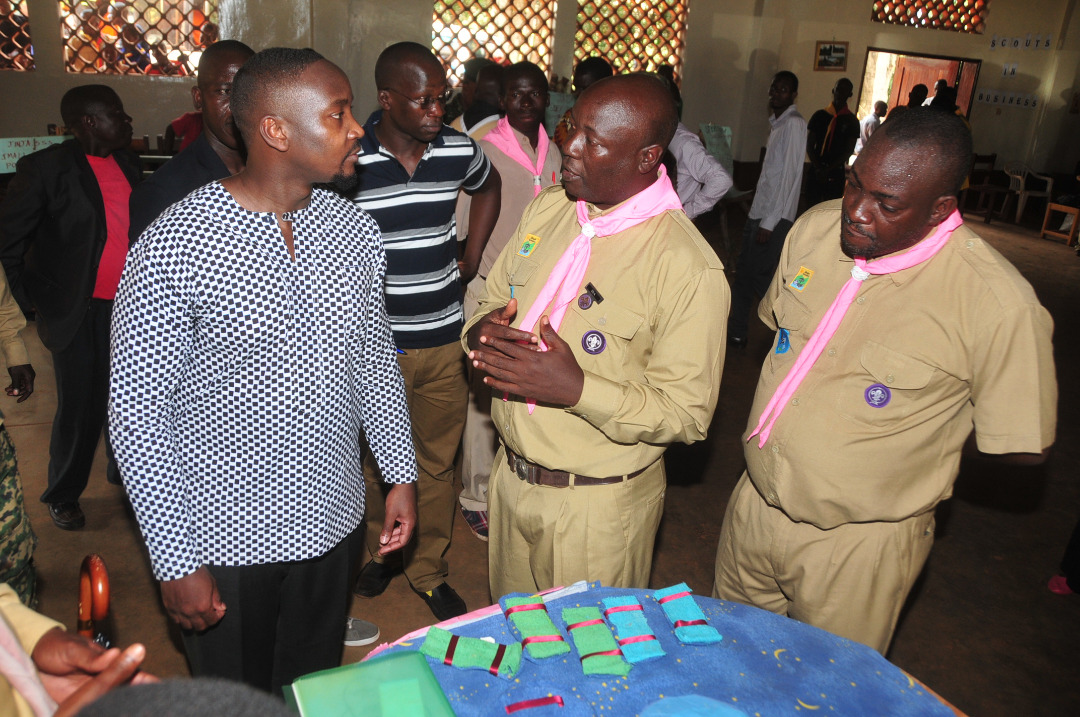
Earlier on, Mr Baraza had taken the King around the campsite to show him the work being done by the young scouts and the projects the district has earmarked to start.

Among these is a 100 bed Boy Scout hostel, the first of its kind in East Africa, which the Jinja scouts plan to use as an income generating project to be run and managed as an affordable hotel for tourists in Jinja.

It will run using the model of the YWCA hostels strewn around the world where card holding members of the YWCA sleep at the facilities at half price.

Jinja district Scouts Commissioner, Michael Baraza, explains to the Kyabazinga about the menstrual pads project. Looking on is the district deputy scouts council chairman, Joseph Waiswa

The Kyabazinga broke the ground for the hostel and it will be named Gabula Boy Scouts Hostel, after him.

Also, in honor of the Kyabazinga’s tree planting and environment protection campaign, the Jinja Scouts Association also introduced the Kyabazinga Environmental Challenge and the king launched trophy which will be competed for annually and will be won by the best scouting group in protecting the environment.

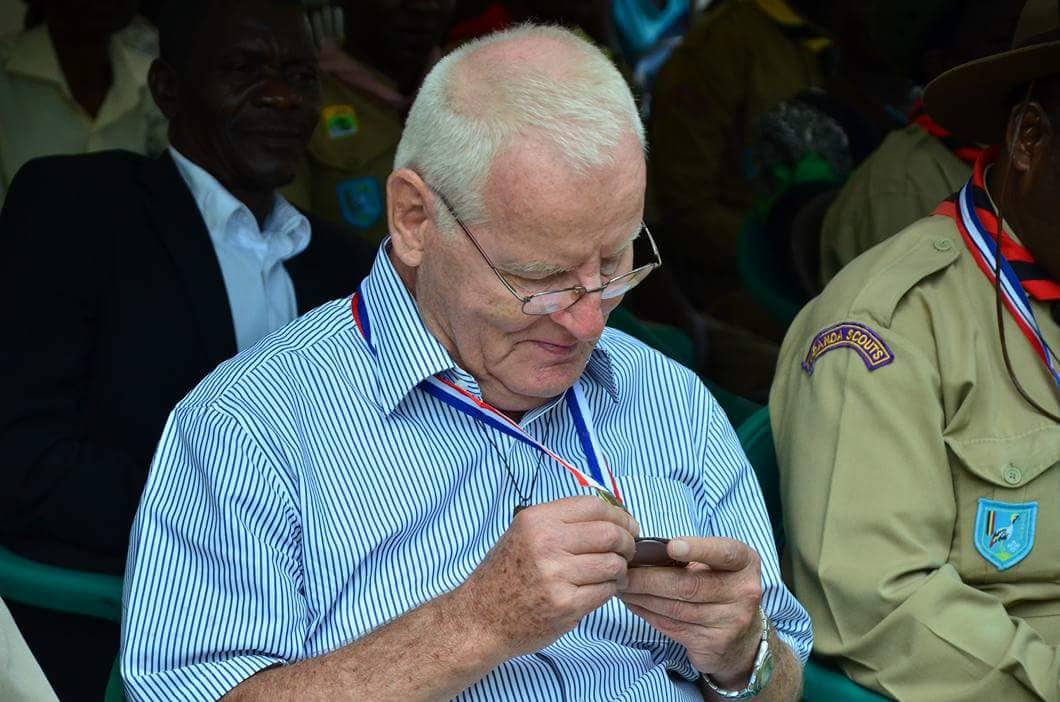
The Jinja scouts association also used the event to award Father Picavet a medal for his illustrious contribution to the development of scouting in district, especially the Buwenda Campsite.

Father Gerald Picavet receiving his medal for the illustrious contribution to scouting and the development of the campsite
Nice: Father Picavet admiring his medal

The event was partly sponsored by Bigfoot Media flagship brand, Eagle Online Publication.

Stories Continues after ad

UCC pushes Telecom companies to block VPN

Outgoing UCC ED Executive Director Godfrey Mutabazi.

Kampala: The Executive Director of Uganda Communications Commission Godfrey Mutabazi has vowed to direct telecommunication companies to block virtual private networks (VPN) applications used by Ugandans to evade paying of social media tax.

With the incentive of increasing tax base in the country, this financial year, government introduced excise duty tax where customers are required pay Shs200 on a daily basis, weekly or monthly through mobile money and Airtel money for one to be granted access to social media platforms.

Following government directives, yesterday telecom companies blocked access to social media platforms however, like in 2016 general elections; Ugandans have embarked on downloading VPN to access.

Speaking at UCC headquarters, Mutabazi said the telecom companies have started blocking VPN applications that are channeling citizens from paying excise duty tax, “some VPNs consume data worthy Shs200, it is good to pay and gain unlimited access to internet,” he said.

“All those going for VPN are taking unwise direction, it is better to pay tax for construction of roads, drugs in hospitals,
diversification of the economy and improvement in service delivery,” he said at UCC offices in Bugolobi.

He acknowledged that some VPN applications are unlocked but he however, insisted that with time, those applications will be no more, “if one incites the other to evade paying of tax, he/she is committing an offence that attracts seven years sentence in prison,”
VPNs allow users to securely access a private network and share data remotely through public networks.

Stories Continues after ad

Eagle Air resumes operations to South Sudan

Eagle Air, a commercial airline has resumed its flights to South Sudan state of Yei River State starting this week after it suspended its operations more than a year ago.

According to a statement, Eagle said, “starting today we are resuming flights to Yei (South Sudan) from Entebbe twice every week, Monday and Friday. We welcome you on board.”

In May last year, Eagle Air suspended its flights to Yei River State due to harassment of its crew by security officials at Yei airstrip.

Stories Continues after ad

Ugandan Kabeho hands over leadership of regional business body

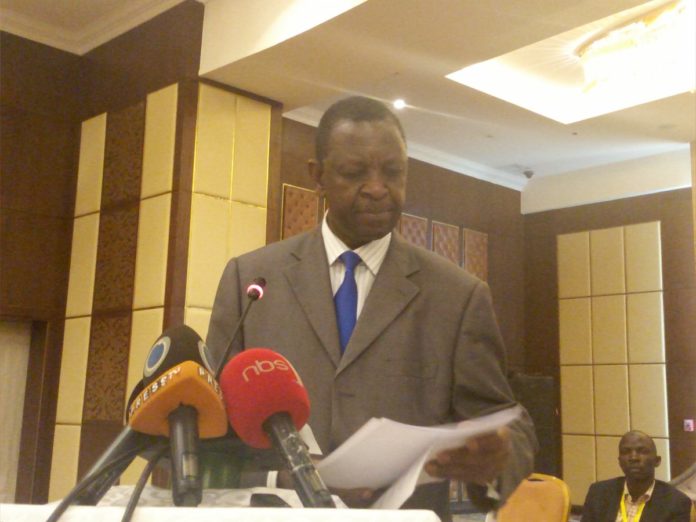
Ugandan Jim Kabeho who has been Chairman of the East African Business Council (EABC) has handed over the office to his successor, Kenyan Nicholas Nesbitt for the period 2018/19.

Kabeho handed over the office during the 19th Annual General Meeting (AGM). Mr. Nesbitt is also the Chairman of Kenya Private Sector Alliance (KEPSA) and General Manager Eastern Africa, IBM East Africa Limited.

In his remarks, Kabeho lauded the EABC Secretariat for the good work that has been done in the year under review and congratulated the incoming board of directors, urging them to continue the ongoing initiatives of the EAC Integration process.

Kabeho pledged to support his successor and the new team as they seek solutions to the challenges that face the private sector in the region.
In his acceptance speech, Nesbitt reiterated the need to increase competitiveness of East African companies and SMEs to compete at continental as well as international level.

“Let’s focus on competitiveness of our businesses to sell our goods at regional, continental, and international scale,” he said.
He urged for close collaboration with the governments of the EAC Partners States and called for the government to improve the business environment support the operations of the Private Sector to thrive.

The new chair also called for improvement of technological infrastructure to fast track free movement of goods and services in the region.
He further appreciated efforts by the former chair Mr. Jim Kabeho in steering the work done in the year 2017 together with the Executive Committee.

He urged private sector players in the region to use technology in service delivery. “Adopt technology such as block chain to solve regional challenges like counterfeits and contrabands,” he said.
“Adopt technology such as block chain to solve regional challenges like counterfeits and contrabands” said Mr. Nicholas Nesbitt, new EABC Chairperson.

Dr. Manu Chandaria, EABC Founding Chairperson in his remarks during the meeting urged the Private Sector to be committed in the EAC Integration and spearhead for full inclusion of EABC in the EAC as a constituent member of the EAC Integration process.

“As the Private Sector our interest should be one East Africa and not our country,” he said, calling for the strengthened private sector advocacy efforts at regional level.

The event also saw the appointment of vice Chairs and Members of the EABC Executive Committee who strategically guide EABC’s mission to promote sustainable Private Sector driven growth.

The (AGM is the supreme policy making organ of the EABC. The AGM meets once a year to elect the Executive Committee headed by the Chairperson, receive annual report on the initiatives undertaken by the Secretariat and give overall direction to the Secretariat in line with the Strategic Plan and interests of the business community in East Africa.

The EABC Board of Directors consists of 22 members, headed by a Chairperson, elected from the Partner States on an annual rotational basis. Each country nominates four Members to the Executive Committee.
During the 19th EABC Annual General Meeting, EABC also honored outgoing board directors for their distinguished service to the council.

Stories Continues after ad

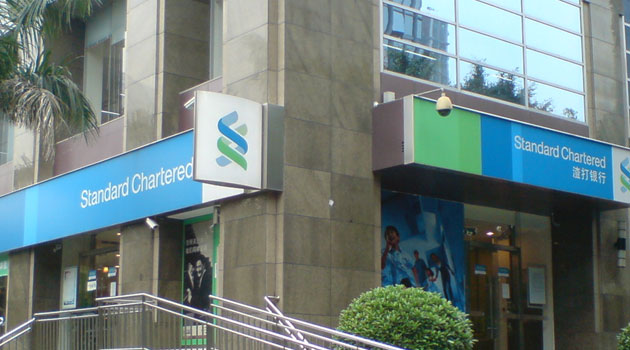
Kampala businessman sues Standard Chartered Bank’s top officials for ‘inflated loan’

Kampala businessman Habib Kagimu has sued the Chief Executive Officer of Standard Chartered Bank Chief Executive Officer, Albert Saltson and other two top officials Winnie Ojambo and Julius Baluku who heads collections department at the bank.

The Buganda Road Magistrate has issued summons asking the three bank officials to appear at the court on July 5, 2018 without fail to defend themselves against the allegations of inflating a loan and denying the businessman information regarding his company’s dollar account. Kagimu and his company Habib Oil Ltd are represented by Muwema and Company Advocates.

The three are accused under case No.2668 of 2018. The trio is also accused of insisting to sell off Kagimu prime properties for allegedly failing to pay back a loan the businessman says it is inflated.

Habib Oil Limited. is challenging the bank’s claims in the High Court, accusing the bank of inflating the loan figures. The case is HCCNo.662/2016. Kagimu operates a US dollar account No.870401296700 with the bank at Speke Road Branch for the last seven years.

The company is also disputing unexplained debt entries that were made on August 2016 of US $3.8 million and on October 31, 2016 of US $ 394,651.57. The complainant wants the actual interest rate applicable to the loan for the whole facility period be disclosed. It also wants the bank to give it bank statements from January 2013 to June 2016.

Kagimu’s lawyers argue that the trio have used their influence at the bank to deny their auditors access to information so that they audit all the transactions on the company’s dollar account held in the bank. On May 29, 2018, Habib Oil Limited., through its lawyers and auditors asked for information and clarification regarding the inflated amount the bank said it was outstanding on the company’s balance sheet.

Kagimu says that the bank’s refusal to grant information to him and his auditors has caused ‘substantial damage and injury’ to him.
Kagimu is also suspicious of the transaction that took place on the company’s account three years preceding 2016. That was worsened when he read in the media recently that Standard Chartered Bank was advertising his assets he offered as security to obtain the said loan.

“…it been a month now and the Bank has denied the Complainant access to its financial data…as sought above and yet is seeking to sell the complainants’ securities for alleged non-payment of loan amounts, it has concealed on its computer system.,” the company’s lawyers say in a letter dated June 28, 2018.

Stories Continues after ad