Stanbic Bank
Stanbic Bank
21 C
Kampala
Stanbic Bank
Stanbic Bank
Home Blog Page 158

UPDF warns of foreign interference and rebel plots ahead of 2026 elections

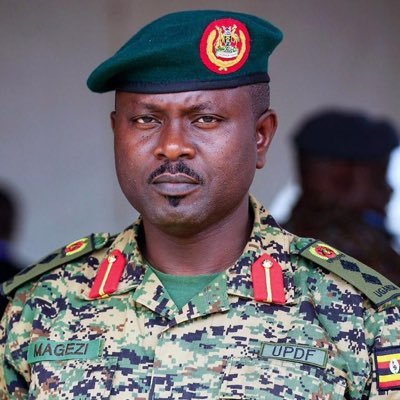
Col. Chris Magezi, Ag. Director of Defence Public Information.

Activists affiliated with the opposition National Unity Platform (NUP) party implicated

The Uganda People’s Defence Forces (UPDF) has warned against foreign interference and ongoing subversive activities aimed at destabilizing the country ahead of the 2026 general elections.

According to Acting Director of Defence Public Information, Col. Chris Magezi, security and intelligence services have over the past few months arrested and interrogated several suspects linked to organized armed rebellion, plans to bomb public places and acts of economic sabotage through the vandalism of electricity infrastructure.

“In the case of extensive vandalization of electricity infrastructure, some of the most affected districts are Wakiso, Mukono, Kayunga, Luweero, Nakaseke, Kiboga, Nakasongola, Mityana, Mubende, Mpigi, and the greater Masaka region,” Magezi revealed.

He noted that some of the arrested suspects had previously posed as activists affiliated with the opposition National Unity Platform (NUP) party.

He added, “Many have accordingly been charged in courts of law and remanded in custody pending trial.”

Magezi said the Inter-Agency Security Committee, chaired by the UPDF Chief of Defence Forces and composed of the Uganda Police Force, Prisons Services, and intelligence agencies, is actively coordinating to dismantle subversive and terrorist cells operating in Kampala’s metropolitan ghettos.

“These groups are luring unsuspecting youths into rebel activities with the goal of disrupting peace and the upcoming general elections. We will take firm action against the ring leaders, organisers, and funders,” he added.

He further accused certain accredited European diplomatic missions, particularly the German Embassy, of financing and mobilizing anti-government groups.

“We are particularly concerned about the illegal and clandestine activities of the German Ambassador in Uganda, His Excellency Mathias Schauer,” said Magezi. “These actions violate the 1961 Vienna Diplomatic Conventions and Uganda is engaging the concerned foreign mission through appropriate diplomatic channels.”

The UPDF condemned any foreign influence in Uganda’s internal affairs and pledged decisive action.

“The youths of Uganda are advised to avoid falling into traps set by enemy political actors. Instead, they should embrace government wealth creation programmes and youth initiatives for their long-term wellbeing,” Magezi urged.

He noted that all domestic and foreign actors found destabilizing Uganda will be “identified, isolated, and dealt with firmly in accordance with the laws of the land.”

Stories Continues after ad

Museveni urges Ugandans to embrace PDM as engine for jobs and wealth creation

President Yoweri Kaguta Museveni has called on Ugandans to take the Parish Development Model (PDM) seriously, describing it as a powerful tool to lift citizens out of poverty and generate far more jobs than the government can offer.

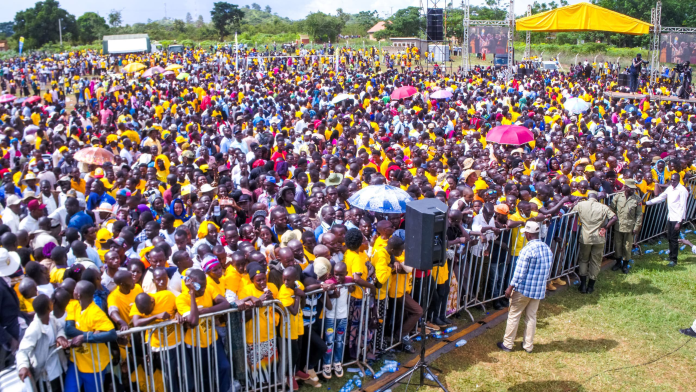
Speaking during a rally at Wabinyonyi playground in Nakasongola District on May 22, 2025, the President emphasized that grassroots wealth creation particularly through commercial agriculture and small-scale enterprises is the foundation for sustainable job creation in Uganda. He warned against the overreliance on limited government jobs, urging the public to shift their focus to private sector opportunities facilitated by initiatives like PDM.

 “People waste a lot of time looking for government jobs. And the leaders also don’t explain very well that in a developing country, there are more jobs in the private sector than in the government because the government jobs are few. The government jobs (civil servants, police, the army, teachers, and health workers) are 480,000. The population of Uganda is 46 million. So, how can they be satisfied? The people who are doing the PDM era are already employing people,” President Museveni said.

President Museveni gave an example of the Minister of State for Transport, Fred Byamukama, who is employing 26 people on his 4-acre model farm, and one Nyakana Richard of Rwengaaju in Kabarole, who is employing 15 people, using 1.2 acres of land.

“Uganda has 40 million acres of arable land. I was calculating that if we used only seven million acres like Nyakana has done, and each acre created 15 jobs, we would have 105 million jobs, more than all the people of Uganda. We would have so many jobs to the extent of importing workers,” the President noted.

President Museveni added that the factories are already employing 1.2 million people, three times more than in the government.

“You, the parents, need to advise your children that the government jobs are limited. You prepare yourself to work in commercial farms, factories, and service sectors or become a job creator in the commercial agricultural sector,” he stressed.

The President hinged his address on six pillars, namely, peace, security, development, wealth, health, and education, as key to achieving socio-economic transformation, while emphasizing that they should be handled carefully through prioritization in the spirit of patriotism.

“You people should continue supporting the NRM, which believes in unity for all Ugandans, and that’s one of the pillars of peace,” he said.

President Museveni emphasized that whereas development (enkulakulana) reflected in social services such as roads, health centers, schools, and electricity is crucial, wealth creation and fighting household poverty should be everybody’s concern.

“This road to Gulu was tarmacked soon after independence and has been tarmacked since that time for 60 years, but up to now, there are poor people residing around it. So, NRM does not want you to only talk about development but also household incomes,” he said, adding that it’s the reason the NRM, since 1995 has been supporting the wealth creation drive through initiatives such as Entandikwa, NAADS, Operation Wealth Creation (OWC), Emyooga, and now PDM.

The President pointed out a few people who have listened and are doing well, such as Joseph Ijara of Serere, who uses two and a half acres to do poultry and livestock, earning him more than Shs1 billion a year through selling eggs and milk, with profits amounting to over Shs800 million per year. Others are Hajjat Mariam Baiga in Ssekamuli, Bamunaanika in Luwero, Nalubowa Aida of Nakaseke, and a 64-year-old Tumusiime Deziranta who just started with Shs1 million from PDM and is doing well.

According to President Museveni, if the PDM is taken seriously, the parish SACCOs will reach an extent of owning banks worth Shs 1.6 billion in 10 years, and this will save them the burden of running to money lenders who charge them exorbitant profits.

After two years, a PDM beneficiary who received Shs 1 million is expected to return it with an interest of Shs 120,000 only.

“So please, don’t neglect this. I heard people blaming the Sacco leaders for prioritizing family members and friends. This is because you don’t go there. A parish Sacco is for everybody above 18 years in that parish, and when you meet, that’s how you elect your Sacco leaders. Be active and get involved,” President Museveni stressed.

President Museveni also promised to set up a special fund for the fishermen after leaders appreciated him for protecting the lakes through the fisheries protection unit, which has streamlined fishing activities.

Stories Continues after ad

Uganda’s economy strengthens on rising exports, business confidence in April

Ntinda Shopping centre in Kampala. Photo by Simon Kabayo/eagle.co.ug

Uganda’s economy continued to show strong signs of recovery in April 2025, driven by a surge in business activity, robust export growth and stable financial conditions, according to the Ministry of Finance’s latest Performance of the Economy Monthly Report.

The report highlights that the Purchasing Managers’ Index (PMI) rose to 55.3 in April, up from 52.9 in March, signaling improved private sector conditions. The uptick was attributed to rising consumer demand, new orders, and increased output across various sectors.

The Composite Index of Economic Activity [CIEA] also ticked up to 170.6 in March, reflecting broad-based growth across agriculture, industry, and services. Business confidence remained strong, with the Business Tendency Index [BTI] climbing to 59.32, driven by optimism in the construction, manufacturing, and wholesale trade sectors.

“Private sector confidence is clearly on the rise. The data show that firms are seeing stronger demand and ramping up activity in response,” says the report.

However, the report says inflationary pressures increased slightly as annual headline inflation rose to 3.5 percent in April from 3.4 percent in March, while core inflation accelerated to 3.9 percent, largely due to higher prices for staple foods such as maize and meat, and increased service costs in hotels and restaurants.

Food crop inflation, however, eased to 2.4 percent, and Energy, Fuel, and Utilities [EFU] inflation fell to 0 percent, reflecting lower fuel prices and reduced electricity tariffs.

The report mentions the Central Bank Rate [CBR] being held steady at 9.75 percent in April by the Bank of Uganda for the seventh consecutive month to anchor inflation expectations. The Ugandan shilling depreciated marginally by 0.04 percent, settling at an average mid-rate of Shs3,669.18 per US dollar.

Lending rates for shilling loans declined to 17.74 percent in March, down from 18.76 percent in February, while foreign currency loan rates edged up slightly to 8.51 percent.

The government raised Shs767.55 billion through domestic securities, allocating Shs452.43 billion to refinance maturing debt and Shs315.12 billion for its budgetary needs.

Uganda’s merchandise exports surged by 40.6 percent year-on-year to US$ 899.1 million, buoyed by increased revenues from coffee, cocoa, mineral products, sugar, and fish. Coffee exports alone jumped 206.8 percent, driven by higher global prices and volumes.

Imports rose by 7.3 percent to $1.11 billion, primarily due to government project imports and private sector demand. This led to a 46.3 percent year-on-year reduction in the trade deficit, which stood at $213.63 million in March.

“The impressive growth in coffee and cocoa exports is a promising sign for Uganda’s balance of trade,” says the report. “However, rising imports have led to a slight widening of the monthly trade gap.”

The Middle East remained Uganda’s top export market, accounting for 37.1 percent of exports, followed by the East African Community [EAC] at 20.1 percent.

Despite economic gains, Uganda recorded a fiscal deficit of Shs1.81 trillion, overshooting projections by nearly Shs600 billion. Revenue shortfalls, particularly in international trade taxes, and overspending contributed to the gap.

Regionally, inflation rose in most EAC states. Uganda, Kenya, Rwanda, and South Sudan all recorded upticks, attributed to higher food and beverage prices. Uganda’s inflation rose to 3.5 percent, Kenya’s to 4.1 percent, Rwanda’s to 6.3 percent, and South Sudan’s to 16 percent.

Conversely, inflation declined in Tanzania and Burundi due to lower food costs. The Ugandan Shilling, along with other regional currencies, depreciated slightly against the US dollar, mirroring global currency trends.

Uganda’s trade deficit with EAC partners widened to $152.97 million, driven by a 46.5 percent rise in imports and a 12.3 percent drop in exports. Trade surpluses were recorded with DR Congo, South Sudan, and Rwanda, while deficits persisted with Kenya, Tanzania, and Burundi.

Stories Continues after ad

UPDF establishes health advisory committee to strengthen disease surveillance and response

The Uganda Peoples’ Defence Forces (UPDF) has established its inaugural Scientific Advisory Committee (SAC), an initiative designed to enhance disease surveillance and bolster the military’s readiness to respond to emerging health threats.

Chaired by Prof Dr Moses Joloba of Makerere University, the committee brings together leading experts including Prof Byarugaba Denis (Makerere University), Prof Peter Olupot (Busitema University), Dr Susan Nabadda (Ministry of Health), and Col Dr Kyobe Bbosa, the Ministry’s Incident Commander.

Speaking on behalf of the Permanent Secretary of the Ministry of Defence and Veteran Affairs (MODVA), Mrs Rosette Byengoma, Under Secretary for Logistics Mr Francis Ngabirano Kahiriita highlighted the critical role of health in national defence. 

“There is need for a deeper understanding of known, unknown, anticipated, and unanticipated health threats to the Force and its operating environment,” he said.

“One of the strategic responses to these challenges is rooted in science, and this is why the SAC was constituted.”

Mr Ngabirano praised the committee’s members for their commitment and expertise, calling them a national asset. 

“SAC is expected to advise on current and future biological threats, identify knowledge gaps, and promote national and international collaboration. Its work will support force health protection and contribute to Uganda’s socio-economic transformation,” he added.

He expressed gratitude to President Yoweri Kaguta Museveni for his guidance, and to the Chief of Defence Forces, Gen Muhoozi Kainerugaba, for approving the initiative.

Maj Gen Dr Ambrose Musinguzi, head of the Joint Staff Health Services, reaffirmed the committee’s role in fortifying Uganda’s disease surveillance capabilities. 

“We saw it necessary to put mechanisms in place to detect, protect against, and respond to emerging infectious diseases. The SAC will play a critical role in advancing this mission,” he said.

Prof Dr Joloba welcomed the collaboration, noting the UPDF’s potential to positively impact public health through its existing infrastructure. 

“We are grateful for this opportunity. The UPDF has made important contributions to public health, and we are excited to be part of this journey. Through collaboration, we can address pressing health issues not just nationally but across the region,” he said.

He underscored the global precedent for military involvement in healthcare. “Globally, the military has been instrumental in health interventions. The UPDF is well-positioned to do the same, and we must harness this potential,” he added.

Stories Continues after ad

Deputy Governor champions inclusive growth rural development in Bushenyi District

Prof. Augustus Nuwagaba.

The Deputy Governor of Bank of Uganda, Prof. Augustus Nuwagaba, has reaffirmed the central bank’s commitment to fostering inclusive economic growth and financial stability during a town hall meeting in Bushenyi District on May 23, 2025.

Addressing a packed hall of residents, local leaders, and business owners, Prof. Nuwagaba outlined the multifaceted role of the central bank in Uganda’s socio-economic transformation, emphasizing that the Bank’s influence reaches far beyond monetary policy.

“The Bank of Uganda, established in 1966, is the nation’s central bank. Its principal mandate is to ensure price stability and to maintain a sound financial system — two pillars that underpin Uganda’s socio-economic transformation,” said Prof. Nuwagaba. “These functions are not abstract; they influence the everyday economic realities of Ugandans — from the price of a loaf of bread to the safety of your savings in commercial banks.”

The town hall was part of an outreach initiative aimed at educating Ugandans on the role of the central bank in their daily lives. The Deputy Governor explained the Bank’s key areas of focus, including inflation control, supervision of financial institutions and promotion of digital payments, financial inclusion, and sustainability in finance.

Highlighting the importance of stable inflation, Nuwagaba noted,

“By maintaining low and stable inflation, we protect the purchasing power of households, particularly those with fixed or limited incomes — from the corrosive effects of rising prices.”

He praised Uganda’s resilience in maintaining inflation below 5% despite global economic shocks and commended the role of transparent, data-driven monetary policy in anchoring inflation expectations.

The Deputy Governor also drew attention to the importance of financial sector regulation, the increasing relevance of mobile money, and the significance of national payment systems in everyday commerce.

“We ensure that these payment systems are secure, efficient, and accessible, enabling businesses and households to move money reliably and affordably,” he said.

In a district where agriculture is a dominant economic activity, Nuwagaba urged residents to take advantage of the Agricultural Credit Facility (ACF), which offers loans at interest rates of up to 12% per annum to farmers and agribusinesses through supervised financial institutions.

“I strongly encourage the farmers and entrepreneurs of Bushenyi, Mitooma, and surrounding areas to take full advantage of this facility,” he said.

He further noted the ongoing impact of the Small Business Recovery Fund (SBRF), a post-COVID initiative providing affordable credit to SMEs that show potential for recovery.

Beyond finance, the central bank is also integrating Environmental, Social, and Governance (ESG) principles into its operations and encouraging sustainable banking practices. Through initiatives like the Sustainability Standards and Certification Initiative, the Bank supports climate-conscious lending and corporate responsibility programs, including health centre upgrades in areas like Mitooma.

Prof. Nuwagaba concluded his address with a strong message of partnership and service:

“The Bank of Uganda is deeply committed to price stability and building a strong, stable, resilient, and inclusive financial system that serves all Ugandans. We recognise that true development is not measured by GDP alone, but by the everyday well-being of all citizens.”

The town hall wrapped up with a Q&A session, where BoU experts engaged directly with residents on issues such as interest rates, loan accessibility, and the safety of their deposits.

The event marked another milestone in the Bank’s strategic plan (2022–2027) to deepen public engagement and promote sustainable, people-centered economic growth across the country.

Stories Continues after ad

Equity Bank hosts over 40 global investors in Uganda to unlock trade and investment opportunities

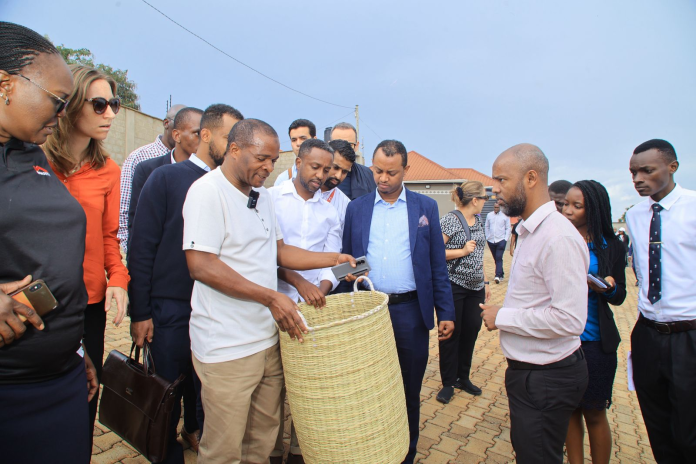
Participants at the events.

Equity Bank has organized a two-day trade mission bringing over 40 foreign investors from across Africa and beyond to explore trade and investment opportunities in Uganda in order to promote local investments and expand markets for the small and medium enterprises,

The investors arrived in Uganda Wednesday evening, having been in Tanzania for a two-day trade mission, which spanned Dar es Salaam and Zanzibar. The trade mission organized by Equity Group is designed to promote cross-border trade and investment and strengthen regional value chains under the Group’s Africa Recovery and Resilience Plan (ARRP).

The mission convenes over 40 investors from Asia, Africa, the Middle East and Europe, including entrepreneurs, private equity firms, development partners, and institutional investors.

The Equity Investors’ Trade Mission Day 1 kicked off with field visits to local businesses and factories early today.

The first stop was at Tambiisa Uganda Limited, which focuses on delivering the finest vanilla for export to international countries through its state-of-the-art processing facilities.  The company that has been in existence since 2009 outsources fresh vanilla from over 8000 farmers in 38 districts across Uganda, and started with working capital provided by Equity Bank Uganda Limited.

The CEO Isa Tamale took the delegates on a guided tour of the facility that employs 25 permanent staff members and 340 casual labourers in Wakiso District.

It’s also among the Top 2 vanilla exporters in Uganda exporting vanilla (dried and in powder form) to countries like the USA, UK, Germany, France, South Africa, Mauritius and Madagascar.

Delegates will participate in panel discussions, B2B networking, government and business forums, and strategic site visits in sectors such as agribusiness, energy, tourism, infrastructure, financial services and manufacturing.

“This mission is a strategic effort to unlock the enormous potential that exists in Tanzania and Uganda by connecting global capital to local opportunities. Our goal is to catalyze investment and trade that delivers lasting impact by creating jobs, enhancing value chains, and driving inclusive economic growth,” said Dr. James Mwangi, Equity Group Managing Director and CEO.

Delegates will also explore opportunities in value addition, manufacturing, and technology, with special attention to sectors such as dairy processing, pharmaceuticals, textiles, mining, and agri-tech. Investors will also go on site visits and engage in dialogue with policymakers and business leaders in Kampala.

The trade mission builds on the legacy of successful Equity-led trade and investment missions in recent years, including Uganda-DRC, Uganda-Vietnam, India-Uganda, and DRC Investors Roadshows.

These missions have helped catalyze billions in investment, facilitate new business partnerships, and supported regional trade integration helping to facilitate the Africa Free Continental Trade Area Agreement, of which Equity Group is a signatory. In addition, through a formal partnership with the East African Community (EAC), Equity is actively supporting the creation of a common market by accelerating the implementation of the ARRP.

As part of its Africa Recovery and Resilience Plan, Equity Group is redirecting liquidity equivalent to 2% of the region’s GDP toward the private sector, targeting critical value chains in agriculture, manufacturing, MSMEs, and infrastructure. The plan aims to reach 100 million people and businesses by 2030 and create up to 50 million jobs across the continent.

Stories Continues after ad

Former flying Squad boss Nixon Agasirwe arrested over Kagezi murder

SSP Nixon Agasirwe (holding water bottle).

Security has arrested former flying squad boss Senior Superintendent of Police Nixon Agasirwe in connection with the murder of Joan Kagezi.

Ms Kagezi was an Assistant Director of Public Prosecution by the time of her death. She was shot dead at Kiwatule in 2015.

His arrest follows a confession by one of the suspects, Daniel Kisseka Kiwanuka to court.

Kiwanuka, who pleaded guilty to his role in the 2015 murder, testified this week that the killing was orchestrated by a man named “Nixon” who operated a white government-marked vehicle.

According to his statement, this Nixon (Nixon Agasirwe)—was the mastermind giving orders through an intermediary.

Security sources revealed that Mr Agasirwe was being held at Kireka.

Agasirwe is not strange to such cases as he was arrested in October 2017 and charged before the General Court Martial for unlawful procession of ammunitions in February 2018

Stories Continues after ad

UEDCL to spend Shs280b for grid upgrade after UMEME exit

The Uganda Electricity Distribution Company Limited (UEDCL) has announced that it has secured $74 million (about Shs280 billion) to kick-start a major overhaul of the country’s ageing electricity infrastructure and expand the national distribution network.

The announcement comes just months after UEDCL formally resumed full control of electricity distribution following the expiry of UMEME Limited’s 20-year concession.

The new funding marks the first phase of a larger, long-term investment strategy valued at $350 million over the next five years. According to UEDCL, the immediate focus will be on refurbishing dilapidated infrastructure and installing technologically advanced systems to create a more robust, smart, and efficient power grid.

“This funding will enable us to install modern, technologically advanced equipment as we work towards building a robust, smart, safe, and efficient electricity distribution system,” UEDCL said in a statement.

“Our goal is to ensure a reliable and sufficient power supply that meets the growing needs of our customers,” it added.

The shift in responsibility from UMEME to UEDCL represents a significant transition in Uganda’s energy sector. UMEME’s contract, which ended in March 2025, had long been a subject of public debate, with concerns raised over high tariffs, billing practices, and infrastructure maintenance. Government officials maintained that bringing distribution back under public control would enhance efficiency and reduce electricity costs.

UEDCL’s $74 million investment will be directed toward immediate grid improvements, including replacement of outdated transformers, strengthening feeder lines, upgrading substations, and deploying smart grid technologies to improve power reliability and response times.

The broader five-year plan, valued at $350 million, is expected to tackle systemic weaknesses in the distribution network and cater to the growing demand for electricity driven by Uganda’s expanding industrial base, urbanization, and rural electrification goals.

Energy sector analysts note that UEDCL’s ability to manage such large-scale infrastructure investments will be critical in determining whether the public sector can effectively step into UMEME’s shoes and maintain—if not improve—service quality.

“The stakes are high,” said energy analyst Alex Kaggwa. “If UEDCL can deliver on this investment plan, it will signal that a government-led model can work. But delays or mismanagement would risk undoing progress made over the past two decades.”

As of 2024, Uganda’s electricity access rate stood at approximately 57% nationally, with wide disparities between urban and rural areas. The new investments are also expected to support the government’s ambitions under Vision 2040, which prioritizes industrialization and universal energy access as drivers of economic transformation.

In its statement, UEDCL reaffirmed its commitment to “strengthen the health and sustainability of Uganda’s electricity distribution sector, ensuring improved service delivery, grid reliability, and future readiness.”

The next few months will be pivotal as UEDCL rolls out its first projects under the new funding. Success will depend not only on engineering capacity but also on transparency, stakeholder engagement, and the ability to align infrastructure with Uganda’s long-term energy policy goals.

Stories Continues after ad

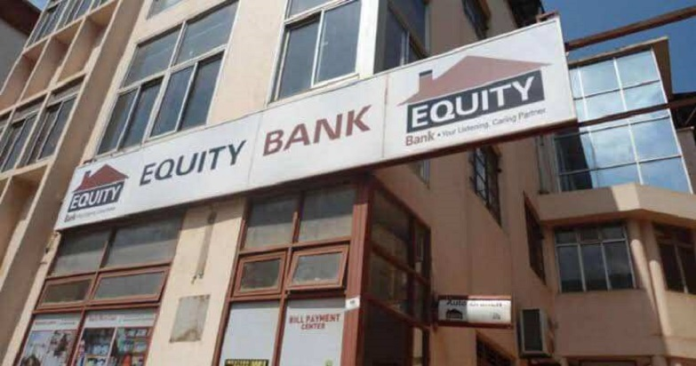
Equity Bank Uganda named as domestic systemically important bank for third consecutive year

Equity Bank Uganda has once again been designated as a Domestic Systemically Important Bank (DSIB) by the Bank of Uganda (BoU), marking the third consecutive year the bank has received this prestigious recognition. This designation underscores Equity Bank’s significant role in Uganda’s financial sector and its continued commitment to maintaining financial stability.

The DSIB status is awarded to banks whose failure could have a substantial impact on the financial system and the broader economy. By meeting the stringent criteria set by the Bank of Uganda, Equity Bank has demonstrated robust financial health, operational soundness, and adherence to regulatory standards.

Gift Shoko, Managing Director of Equity Bank Uganda, expressed pride in the bank’s sustained performance, stating, “Being recognized as a Domestic Systemically Important Bank (DSIB) for the third year running is a testament to our commitment to financial stability and customer trust. We remain dedicated to upholding the highest standards of banking excellence and contributing to the growth and development of Uganda’s economy.”

This achievement reflects Equity Bank’s strategic initiatives, including its focus on digital transformation, customer-centric services, and strategic partnerships. The bank’s efforts to collaborate with fintech companies and other stakeholders have further strengthened its position in the competitive banking landscape.

As a DSIB, Equity Bank Uganda is subject to enhanced regulatory oversight and must maintain higher capital buffers to absorb potential shocks, thereby ensuring continued stability in the financial system. This proactive approach aligns with global best practices and reinforces the bank’s role as a pillar of Uganda’s financial infrastructure.

Looking ahead, Equity Bank remains focused on innovation and inclusive growth, aiming to expand its reach and impact across Uganda. The bank’s sustained recognition as a DSIB highlights its resilience and leadership in the banking sector, positioning it well for future challenges and opportunities.

Stories Continues after ad

Pearl of Africa Tourism Expo kicks off at Speke Resort Munyonyo

Under the theme, “Tourism and sustainable transformation”, The Pearl of Africa Tourism Expo(POATE) 2025 is officially underway at the Speke Resort Convention Center.

The Pearl of Africa Tourism Expo is an annual event that showcases Uganda’s unique attractions, positioning the country as a prime destination for tourism investment, partnerships and cultural exploration. It brings together tourism operators, travel agents, hospitality stakeholders and investors from across the globe, creating a platform to elevate Uganda’s brand as “The Pearl of Africa.”

Each year, the expo highlights Uganda’s tourism assets under various themes, including eco-tourism, cultural tourism, and adventure tourism. Through interactive exhibits, cultural performances, and business-to-business (B2B) meetings, POATE offers a comprehensive experience of the country’s tourism potential while promoting sustainability and responsible travel.

In the context of a growing global tourism market, POATE plays a strategic role in enhancing Uganda’s competitiveness as a premier African tourism destination. It also presents opportunities for building capacity within the sector, improving infrastructure, and attracting investment in tourism-related projects.

Ultimately, Uganda hopes to captivate more international visitors, increase its share in the global tourism market, and strengthen local communities through sustainable tourism practices.

The 2025 edition of the Pearl of Africa Tourism Expo is expected to take place from May 21-24, 2025, at Speke Resort and Convention Centre in Munyonyo, Kampala.

The event began with the Regional Tourism Forum on Wednesday, May 21, 2025. This forum will feature discussions among key regional tourism ministers, tourism boards, IGAD, UNECA, and regional corporations. A Regional Ministers Round Table will address topics such as travel facilitation, trans boundary product development, regional travel inspiration, and collective promotion of East Africa as a single destination.

On Thursday May 22, 2025, the focus will shift to the Tourism Investment Forum. This day will center on key themes like hospitality investment trends and opportunities, financing tourism ventures, and promoting green investment in the tourism sector.

Friday May 23, 2025, will be dedicated to the Destination Marketing Symposium, covering topics such as domestic tourism marketing, regional tourism strategies, and e-tourism marketing. These discussions aim to enhance the visibility of Uganda as a vibrant and accessible tourism hub.

A key feature of this year’s expo will be the Uganda Lifestyle Showcase Zones. These will include a Culinary Pavilion featuring tastings, cooking demonstrations, and masterclasses in traditional Ugandan dishes such as matooke, luwombo, and rolex. Renowned Ugandan chefs may collaborate with international culinary experts to modernize traditional recipes.

The Crafts and Artisans Market will allow visitors to explore and purchase handmade items, including beaded jewelry, bark cloth, and woven baskets. Workshops will give attendees hands-on opportunities to learn directly from the artisans.

Traditional and contemporary fashion shows will be part of the showcase, with runway presentations of Ugandan attire by designers blending modern trends with cultural heritage.

The Hospitality and Service Excellence Hub will highlight Uganda’s premier eco-lodges and boutique hotels, showcasing their wilderness locations, sustainable practices, and luxury amenities. It will also host seminars on service excellence, sustainability, and community-driven tourism, led by local and international experts.

Community-based tourism experiences will also take center stage, with exhibits spotlighting local communities involved in eco-trekking, homestays, and cultural exchanges. These initiatives offer authentic travel experiences while supporting local livelihoods.

The wellness and adventure tourism segment will feature a dedicated zone for eco-friendly wellness retreats, yoga, and mindfulness activities. This will appeal to travelers seeking rejuvenation in natural settings. Adventure tourism will also be prominently featured, with displays on rafting the Nile, mountain climbing, and safari tours — all positioned as key pillars of Uganda’s lifestyle tourism offering.

Visitors will enjoy live cultural performances, storytelling sessions by community elders, and interactive drumming circles that immerse them in the diverse traditions of Uganda’s many ethnic groups. These sessions will emphasize values, music, and dance styles central to Uganda’s cultural identity.

Finally, POATE 2025 will integrate digital promotion through VR installations offering virtual tours of Uganda’s lodges, cultural homestays, and retreats. Strategic media partnerships will amplify the country’s tourism message through influencer campaigns, travel photography, and digital storytelling, ensuring Uganda’s hospitality reaches global audiences.

Stories Continues after ad