Stanbic Bank
Stanbic Bank
21.4 C
Kampala
Stanbic Bank
Stanbic Bank
Home Blog Page 545

ZTE transport products get high ratings from GlobalData

ZTE

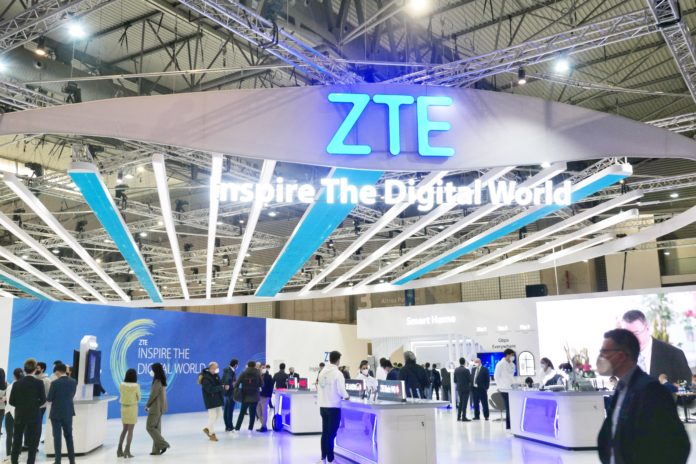
ZTE Corporation (0763.HK / 000063.SZ), a major international provider of telecommunications, enterprise and consumer technology solutions for the mobile internet, today announced that ZTE’s ZXR10 T8000 cluster router has retained the “Very Strong” overall rating in GlobalData’s IP Core Router Competitive Landscape Assessment and has been raised to “Leader” in the criteria of “Infrastructure Service” and “Network and Service Management”. ZTE’s ZXONE 9700 large-capacity flagship optical transport product has retained the highest rating as “Leader” in the latest Metro-Packet Optical Transport Competitive Landscape Assessment released in July 2022 by GlobalData, an international authoritative telecommunications, software and IT service resource company.

ZXR10 T8000 is rated “Leader” in “Infrastructure Service” and “Network and Service Management”

According to GlobalData’s latest IP Core Router product assessment, ZTE’s ZXR10 T8000 product has been raised to the highest rating of “Leader” in the criteria of “Infrastructure Services” and “Network and Service Management”. The assessment also points out that the ZXR10 T8000 supports flexible line cards and advanced routing technologies, employs open SDN management and control system and has competitive advantages compared with the products of the same type.

The ZXR10 T8000 is ZTE’s high-end flagship router product based on the T-level platform. It adopts 3-level CLOS non-blocking switching architecture and supports ultra-high-speed low-latency non-blocking forwarding. It supports multi-chassis interconnection to build an ultra-large-capacity cluster system. A single device can be smoothly upgraded to a cluster, and increase the equipment capacity linearly and meet the operators’ demands for rapid network bandwidth growth. At the same time, based on the industry-leading SRv6, the ZXR10 T8000 can select the optimal path according to the service intent, network bandwidth and latency, and make intelligent real-time adjustment to precisely meet the differentiated service demands. In addition, this product supports SDN standard protocols such as EVPN, BGP-LS, BGP Flowspec and NETCONF, which can help operators build intelligent interconnected backbone networks in the 5G era.

ZXONE 9700 retains the highest overall rating of “Leader

According to GlobalData’s latest Metro Packet-Optical Transport product assessment, ZTE’s ZXONE 9700 Packet OTN product retains the overall rating of “Leader”, and is also rated “Leader” in the criterion of “Switching Features” and “Client Interfaces” . As an ultra-large-capacity optical transport product at the core/backbone layer, the ZXONE 9700 supports a single-system cross-connect capacity of up to 64T and a single-fiber capacity of up to 96T. With industry-leading 200G/400G transmission performance, it can fully meet the network bandwidth requirements of new service development in the 5G era. At the same time, this product supports the 32-degree OXC system, which can be upgraded to 40 degrees+ in the future to meet the flexible requirements of future network. In addition, the ZXONE9700 supports ODUk/PKT/VC/OSU unified cross-connection, dynamic 2Mbit/s-100Gbit/s adjustment and L0-L3 Service Level Agreement (SLA) on demand. It can provide ultra-broadband high-quality interconnection for all services in the digital transformation era.

Stories Continues after ad

UK announces Shs40 billion funding towards Uganda’s humanitarian response

Refugees

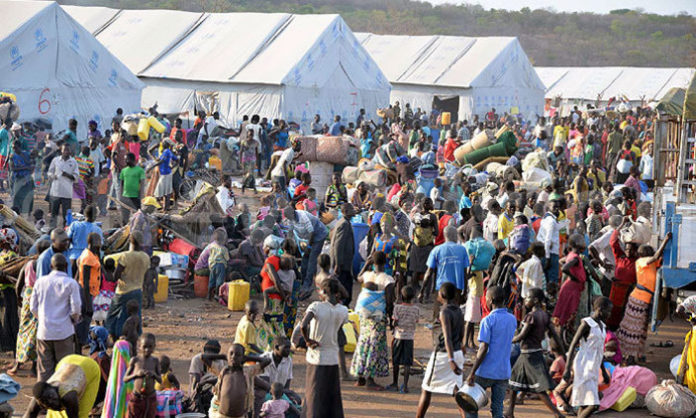
The United Kingdom (UK) has announced £9 million (Shs40 billion) funding to the United Nations World Food Programme (WFP) and £2 million (Shs8.9 billion) funding to the United Nations Children’s Fund (UNICEF). The funding is part of the long standing partnership with both organisations. This humanitarian support will provide life-saving nutrition, food assistance and protection to refugees and their host communities and to vulnerable women and children in the Karamoja region.

Uganda hosts over 1.5 million refugees, the largest refugee population in Africa. About 80% are women and children. Conflicts in the Democratic Republic of Congo and South Sudan continue to cause forced displacement to Uganda, with more than 86,000 refugees arriving so far in 2022, stretching limited resources.

Karamoja has Uganda’s highest levels of food insecurity and malnutrition. The current drought affecting the East Africa region has worsened the situation. More than 500,000 need food assistance, and about 100,000 children and pregnant and lactating women are acutely malnourished.

Speaking about the funding Her Excellency Kate Airey OBE, the British High Commissioner to Uganda, said “the UK applauds the longstanding partnerships with WFP and UNICEF. They have a strong record of reaching the most vulnerable with critical support in times of crisis.”

Minister of State for Relief, Disaster Preparedness and Refugees Hon Esther Anyankun stated: “Refugee food rations have been dwindling as needs continue to rise, and the Karamoja region is currently battling with acute food shortages and malnutrition, especially among vulnerable women and children. This lifesaving donation will go a long way to alleviate these challenges. As Government, we are committed to working with the UK as a key development partner of our country.”

“With food insecurity and malnutrition among children reaching critical levels, the funding UNICEF is receiving today from the UK Government is crucial. With this funding UNICEF will sustain and expand the provision of therapeutic feeding and child protection services. UNICEF thanks the Government of the United Kingdom for this timely support for vulnerable children and women in Karamoja and in refugee hosting districts,” said Munir Safieldin, UNICEF’s Representative to Uganda.

Abdirahman Meygag, WFP Uganda Country Representative added: “Soaring food and fuel prices are combining with unpredictable climate to push more people into poverty and hunger. With the contribution from UK, we shall be able to give food assistance to the most vulnerable — refugees and the people of Karamoja who are currently experiencing unacceptable levels of food insecurity. Giving emergency food assistance is the first step in enabling those hit by crisis get back on their feet and contribute meaningfully to their communities. With this contribution, we shall not only give general food assistance but also specifically target children under five, pregnant and breastfeeding women with malnutrition treatment. With this contribution, the fate of many children will be rewritten as we enable them to beat malnutrition, have better life outcomes, and a brighter future”

Stories Continues after ad

Three arrested as NEMA embarks on restoration of Lubigi wetland system

Lubigi wetland

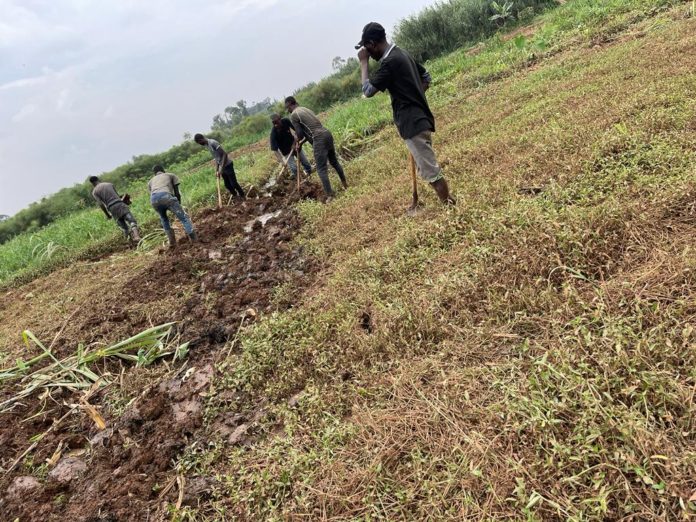
As part of Government efforts to save wetlands, the National Environment Management Authority (NEMA) has today undertaken a joint operation with the Ministry of Water and Environment, the Environment Protection Police Unit and sister security agencies to restore Lubigi wetland in Kampala.

A total of three people were arrested in the exercise and several others are on the run. The authority says suspects will be prosecuted in court. Today’s activity also included removal of alien plant species which had been introduced into sections of the wetland, including the cutting down of eucalyptus trees that are known to degrade the ability of wetlands to hold water.

The Lubigi wetland had been severely compromised by illegal encroachment in the form of settlement, agriculture, dumping of murram and draining. Lubigi is the largest wetland serving Kampala City and the neighbouring districts to the North and Western Parts of the city.

Accoring to NEMA, this wetland system serves as a critical water catchment area for the central region and is a major source of water for the water stressed areas of the cattle corridor in Central Uganda. Rain water from the northern and western suburbs of the city such as Bwaise, Kisaasi, Kawaala, Busega, Mengo and surrounding areas drains via underground aquifers and surface run-off, into the Lubigi wetland. The wetland is also a unique ecosystem that supports over 200 plant, insect and bird species, including the national bird, the Crested Crane.

Wetlands are an important part of our ecosystem because they are a habitat and breeding ground for some species, they perform hydrological functions such as regulation of water quality, reduce downstream soil erosion and aid in flood control by storing excess water during storms.

Despite the above important ecological functions, wetland coverage in Uganda declined from 15.6% in 1994 to 8.9% by 2017 at a rate of 2.5% per year. Therefore, unless radical measures are instituted immediately to restore the integrity of Uganda’s wetlands, coverage may reduce to 1.6% by 2040. In addition, the third National Development Plan (NDP III) set a national target of increasing national wetland cover from the current 8.9% to 9.57% over a period of five years.

The operation is the first of several others that have been planned to apprehend persons who illegally settle in wetlands and/destroy critical ecosystems.

“We once again appeal to all those affected to voluntarily leave wetlands and seek advice from responsible lead agencies on how best to sustainably utilise natural resources. In addition, we also caution against the consumption of foodstuffs grown in urban wetlands such as Lubigi, because they are laden with heavy metals which are dangerous for human health,” NEMA said.

Stories Continues after ad

African health ministers launch drive to curb sickle cell disease toll

Health worker

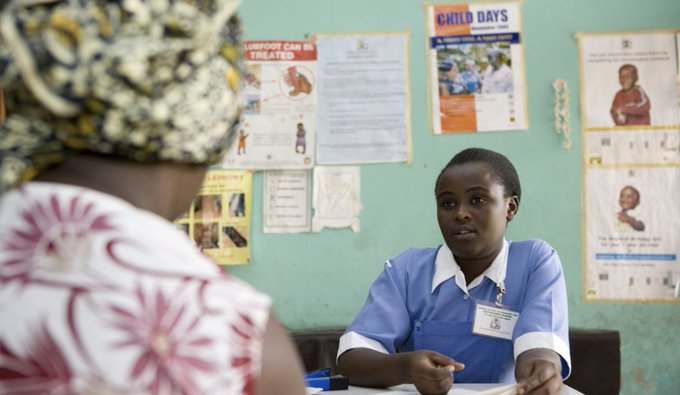
African health ministers have launched a campaign to ramp up awareness, bolster prevention and care to curb the toll of sickle cell disease, one of the most common illnesses in the region but which receives inadequate attention.

More than 66% of the 120 million people affected worldwide by sickle cell disease live in Africa. Approximately 1000 children are born with the disease every day in Africa, making it the most prevalent genetically-acquired disease in the region. More than half of these children will die before they reach the age of five, usually from infection or severe anaemia.

Sickle cell disease is an inherited blood disorder that shortens red blood cell survival, causing anaemia—often called sickle cell anaemia. Poor blood oxygen levels and blood vessel blockages in people with sickle cell disease can cause extreme pain in the back, chest, hands and feet as well as severe bacterial infections.

In the African region, 38 403 deaths from sickle cell disease were recorded in 2019, a 26% increase from 2000. The burden of sickle cell stems from low investment in the efforts to combat the disease. Many public health facilities across the region lack the services for prevention, early detection and care for sickle cell disease. Inadequate personnel and lack of services at lower-level health facilities also hamper effective response to the disease.

The campaign, launched at a side event on enhancing advocacy on sickle cell disease during the Seventy-second World Health Organization (WHO) Regional Committee for Africa—the region’s flagship health meeting, aims to shore up political will and engagement as well as financial resources for sickle cell disease prevention and control across the region. It also seeks to raise public awareness of the disease in schools, communities, health institutions and the media and advocate stronger health systems to ensure quality and uninterrupted services and equitable access to medicines and innovative tools.

“Most African countries do not have the necessary resources to provide comprehensive care for people with sickle cell disease despite the availability of proven cost-effective interventions for prevention, early diagnosis and management of this condition,” said Dr Matshidiso Moeti, WHO Regional Director for Africa. “We need to shine the spotlight on this disease and help improve the quality of life of those living with it.”

Due to the absence of newborn screening programmes and surveillance across the region, there is a lack of accurate and reliable data on the disease. Additionally, data collection for sickle cell disease is not included in most national population-wide surveys. These data gaps have negatively impacted the prioritization and allocation of resources for the disease.

Beyond its public health impact, sickle cell disease also poses numerous economic and social costs for those affected and their families and can interfere with many aspects of patients’ lives, including education, employment, mental and social well-being and development.

“We can no longer ignore the significant burden caused by sickle cell disease,” said Dr Moeti. “We must do more to improve access to treatment and care, including counselling and newborn screening by ensuring that programmes are decentralized and integrated with services delivered to communities and at primary health care level.”

Dr Moeti stressed the need for greater investment and stronger collaboration and partnerships to help stem the tide of rising cases of sickle cell disease in Africa.

In addition to WHO, the new campaign is being supported by partners including the World Bank, the United States Department of Human and Health Services, Novartis Foundation, Global Blood Therapeutics and Sickle in Africa.

Stories Continues after ad

COSASE rejects Uganda Airlines plea to bar media from meetings

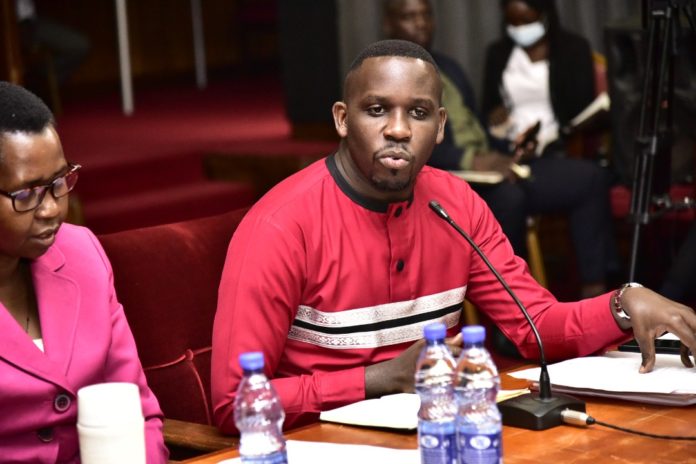
COSASE Chairperson, Joel Ssenyonyi

The Public Accounts Committee on Commissions, Statutory Authorities and State Enterprises (COSASE) has rejected a request by Uganda Airlines to bar the media from covering its proceedings.

The national air carrier, through its Manager, Corporate Quality, Michael Kaliisa, also requested the committee, without revealing details, to reschedule their ongoing meetings to the second week of September 2022 as they had preplanned engagements which were of great bearing on the operations of the airline.

The committee chairperson, Joel Ssenyonyi, held that it was unjust and unreasonable for management of the airline to wait until the meeting to present the letter asking for rescheduling of the meeting.

The governing board of the airline claimed that the continued media coverage of the meetings with the committee were tainting the corporate image of the airline.  

In response, Ssenyonyi said that the committee accounts to the public and Uganda Airlines is a public entity which must account to the public. He added: “Therefore, it would be irregular to ask for the dismissal of the media from these meetings.”

Ssenyonyi further noted that the committee is time-bound by its pending assignments and therefore honouring the request would imply that the committee abandons the investigations which is not an option.

The officials have been in meetings with MPs from the committee investigating matters raised in the Auditor General’s report for the financial year ended 2021.

MPs from across the divide were unimpressed with the requests urging that the management of the airline was taking the committee for granted and undermining its work which is to seek for accountability of state enterprises like the airline.

Mawokota South MP, Yusuf Nsibambi advised that the Chief Executive Officer of the airline, Jenifer Bamuturaki, to return to the committee respectfully and request for a formal adjournment of the meetings.

Roland Ndyomugyenyi (INDP.; Rukiga County), said the airline cannot escape accountability because it draws from the taxpayers, money which is required for its operations, and the media must attend the hearings for the sake of the public.

Stories Continues after ad

MPs want head teachers punished over increased school fees

School Children

Legislators want head teachers of government-aided schools who increase fees without permission from the Ministry of Education and Sports reprimanded.  

The MPs on the Committee of Education and Sports made the demand while meeting officials from education ministry, led by the Minister of State for Higher Education, Mr. John Chrysostom Muyingo on Tuesday, 23 August 2022.

The committee is processing a motion seeking government’s intervention in fees increment for government-aided schools, justification of statutory grants to government-aided schools and recruitment of sufficient teaching and non-teaching staff.

Committee chairperson, Mr. John Twesigye, wondered why the ministry does not take disciplinary action against head teachers of government-aided schools who increase fees arbitrarily.  

“These are the people whom you recruit. The problem we are trying to address is a matter that affects all of us. We are all parents. St. Mary’s College Kisubi charged Shs2.5 million last term and they plan to increase this term,” he said.

Mr. Godfrey Macho (Ind. Busia Municipality) blamed the increment of school fees on the laxity of the ministry in inspecting schools and failure to discipline errant head teachers.   

“The committee should invite head teachers to explain why they are increasing school fees. We have ministers but they do not have authority over teachers,” said Macho.

He also asked the ministry to provide a list of all government-aided schools with their respective fees structures.

“Kawempe Muslim School is less than three kilometres from the Ministry of Education and Sports and it is one of the government-aided schools charging exorbitant school fees. Each student pays Shs2 million per term. Is the government aware of this?” he wondered.

The committee vice chairperson, Mr. Cuthbert Abigaba, accused head teachers of increasing school fees without consulting parents.

“Which schools have you given permission to increase fees. I am a parent of Nabisunsa Girls Secondary School and the school increased fees for next term by Shs500,000. We did not even get a circular informing us of the increment,” Abigaba said.

The Shadow Minister of Education and Sports, Mr. Brenda Nabukenya, asked if any schools seek permission from the education ministry before they make increments.

“The Statutory instrument to regulate school fees is not yet ready and third term is about to begin. We thought by now, we would have the statutory instrument ready. We need the minister to inform us about the time frame within which this instrument will be ready,” said Nabukenya.

The Chairperson of Education Service Commission, Rev. Prof. Dr Samuel Luboga, said that his office is willing to take disciplinary action against head teachers who increase school fees without permission.

“The issue of non-compliance by head teachers is a disciplinary matter. We only await submission from the Ministry of Education and once they submit, we take the necessary action,” he said.

The Permanent Secretary, Ministry of Education, Ketty Lamaro, said that her office received requests for fees increments from Buddo Senior Secondary School and Gayaza High School, which schools were advised to re-prioritise and they complied.

“Some schools have told us that they increase fees because they have large acreage of land which require maintenance. Others say they focus on science subjects which are expensive to teach. Some schools base increment on sanitation, after shifting from using pit latrines to flush toilets,” Lamaro said.

She explained that it is difficult to regulate fees increment without the statutory instrument, which she said is currently being reviewed by the Solicitor General.

Stories Continues after ad

Sudhir, wife light up Kamuli as they treat the sick and blind

Ruparelia Foundation over the weekend held a free medical camp in Kamuli District, at Shree Hindu Bhagin Samal Plot 4-19 Crawford Avenue.

The free eye medical camp offered services like Eye Screening, Cataract surgery, free glasses and a blood drive. A total of 1,830 patients were screened, 143 had eye surgery and over 1,000 were given glasses.

The First Deputy Prime Minister of Uganda, Rt Hon Rebecca Alitwala Kadaga, was the Guest of Honour at the health camp and thanked Ruparelia Foundation for the free treatment, screening and medication to the residents of Kamuli.

During the event, Jyotsna Ruparelia visited her former school, Kamuli Township primary school and donated scholastic materials and also pledged to renovate some classroom block and provide computer accessories.

The Ruparelia Foundation was founded in 2012 by Sudhir & Mrs. Jyotsna Ruparelia and runs its programs under the catchphrase theme: “Enriching Lives Together”.

For the past years, Ruparelia Foundation has worked together with several stakeholders to champion positive change in different communities across the country to improve livelihoods in Uganda. To date, more than 600 charitable causes have been funded by the charity.

The focus areas of the foundation include health care, education, sports, wildlife and environment conservation, disaster relief, startup and general welfare.

Ruparelia Foundation strives to create a positive and transformative change in the community through making a real difference in the course of the present-day but also have a sustainable plan for every initiative carried out.

Stories Continues after ad

Charles Mbire acquires more stake in MTN

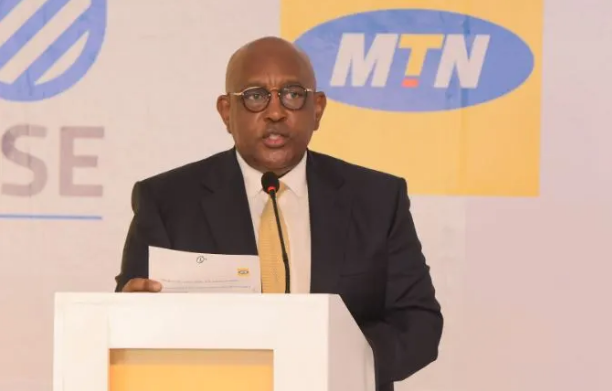
MTN-Uganda Chairman, Charles Mbire who owns 4% of the giant telecom shares.

Businessman Charles Mbire has bolstered his stake at MTN by acquiring an additional 2,263,930 shares at a total cost of Shs 459,907,621.00 on the Uganda Securities Exchange.

The purchase which took place on August 22, is the second purchase Mbire is making since MTN listed on the securities exchange in December 2021.

Mbire has been boasting of a 4 per cent share value in MTN worth over $55 million.

This comes barely a month since the Telecommunications Mogul acquired a huge stake into Bank of Baroda through a single purchase of 23,529,400 shares worth billions of shillings.

MTN Uganda is majority owned by South Africa’s MTN Group and is listed on the Uganda Securities Exchange (USE). The firm listed on the USE in December after a deeply undersubscribed initial public offering.

Charles Mbire’s other investment ventures include Logistics  (FF), Revenue Assurance- Invesco , Oil  services- (INVESCO Tech, Real Estate and oil exploration among others.

Stories Continues after ad

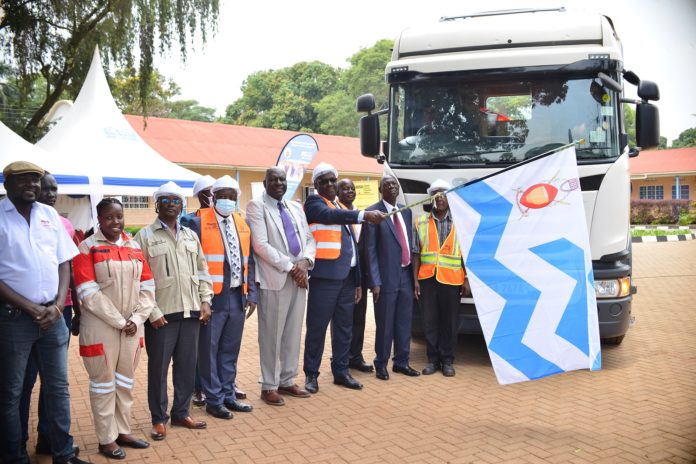
Over 100 Heavy Goods Vehicle Drivers to benefit from 2022 Training and Licensing Program

At least 110 drivers are set to be trained, Licensed and certified to drive Heavy Goods trucks and trailers (class CH License) or rigid trucks (class CM license).

The training will be executed by Uganda Driving Standards Agency (UDSA) on behalf of CNOOC to meet the skills gaps in the logistics and transportation competencies especially in the oil and gas sector in Uganda. 

Earlier this year, the government and the JV Partners took a significant milestone for the people of Uganda which shall unlock billions of dollars of investment in Uganda’s oil and gas sector.  This decision paved the way for progress on contract awards as all major engineering, procurement and construction contracts have been awarded and are currently on-going or under mobilization to start execution. Our longer term strategic pillars are quality and enhancement for sustainable development of the oil and gas resource. 

Transportation is also among the goods and services to be provided by Ugandan companies, Ugandan citizens and Registered entities as detailed in the Petroleum (Exploration, Development and Production) (National Content) Regulations, 2016.

This training will enable the trained drivers to explore and acquire more expertise in Heavy Goods Vehicles Driving and Road Safety which is well in line with the national content promotion guidelines.

The selection of trainees in this particular cohort was undertaken in partnership with Bunyoro Kitara Kingdom that supported the identification and selection of trainees from 8 districts of Kikuube, Hoima, Masindi, Buliisa, Kiryandongo, Kakumiro, Kibaale and Kagadi together with the implementing service provider Uganda Driving Standards Agency (UDSA).

The partnership with the Bunyoro Kitara Kingdom was aimed at Host Community content enhancement for potential beneficiaries from the Bunyoro Sub-Region that hosts the Kingfisher Project.

Mr. Mathew Kyaligonza, the National Content Manager CNOOC Uganda Limited said the key objectives of this training include; Train Ugandan HGV drivers and support them to obtain required driving licenses (class CH license for truck and trailer or class CM license for rigid trucks); so that they are eligible for transportation and logistics related jobs in the oil & gas and other sectors.

It is also aimed at enhancing the knowledge and practice of professional driving among Ugandan HGV drivers by training them according to the East African Community standardized curriculum for drivers of large commercial vehicles and/or international standards for HGV drivers.

 In the interest of ensuring that the training maintains national social distancing and the Training Standard Operating Procedures to prevent COVID-9, the program shall maintain 4 trainees per instructor per day and only 1 trainee in a truck during practical sessions. This arrangement shall enable the Trainee to have ample time with their respective instructors during the training.

Andrew Byakutuga Ateenyi, the Prime Minister of Bunyoro Kitara Kingdom stated that “We are grateful for the partnership between CNOOC Uganda Limited and Bunyoro Kitara Kingdom and we look forward to more opportunities of working together. We want our people to be skilled enough so that we can gain from the oil and gas resource”.

Mr. Ronald Nkata, the Chief instructor of the trained students stated that “This three  months program shall provide an interactive forum for us to share, explore and discuss concepts and issues of HGV driving and Road Safety with our trainees.”

The oil exploration company is sponsoring the training and Certification of 160 Welders in 2G, 3G, 4G, 5G and 6G Coded welding to AWS international standards, 84 Teachers in the Train the Trainer program that included five certified programs for teachers from different Ugandan Vocational Training institutions (VTIs), 150 -200 SMEs in the Enterprise development program, the Engineering Construction Industry Training Board (ECITB) training and certification of 60 participants that shall provide the engineering construction industry workforce the skills it needs to meet the challenges of the future enabling development and qualification in a wide range of craft, technical and professional disciplines.

Stories Continues after ad

Vietnamese envoy meets Deputy Speaker over coffee processing

Deputy Speaker Thomas Tayebwa has called for cooperation with Vietnam to develop the country’s coffee value chain for the benefit of farmers.

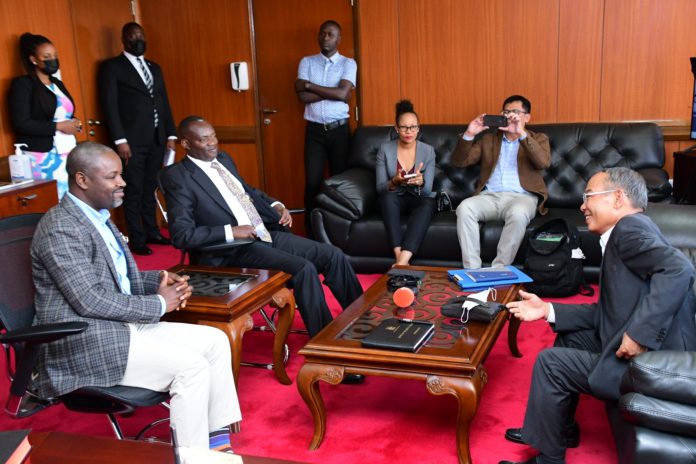
In a meeting with Vietnam’s Ambassador-Designate to Uganda, H.E. Nguyen Nam Tien, on Monday, 22 August 2022, the Deputy Speaker said mutual cooperation in coffee will unlock the two countries’ potential in the trade.

“We expect Vietnam’s support in areas of agricultural value addition, especially on coffee. Vietnam is very good in coffee processing and Uganda is Africa’s leading coffee producer,” said Tayebwa.

He added: “…we would like to learn from you, especially the development of varieties that are resistant to drought, varieties that are resistant to disease but also give farmers very high yields,” Tayebwa said.

The meeting was also attended by the Honorary Consul of the Socialist Republic of Vietnam to Uganda, King Caesar Mulenga.

Tien praised Uganda’s weather and said he seeks stronger cooperation between the governments of the two countries.

He said the two countries will soon be celebrating 50 years of cooperation and it will be a great opportunity to revitalise the relations between two nations.

Tayebwa said the international coffee industry needs an overhaul to ensure farmers and coffee producing countries benefit the most from the product.

“Records show that the coffee producing countries do not share more than 25 per cent of the income that comes from the coffee industry. The countries which do not produce coffee are the ones benefiting most; we need to work and strengthen our relations as producers of coffee so that we can demand for more for the sake of our farmers and also developing our economies,” he said.

The renewed cooperation between Uganda and Vietnam will focus on areas of investment, finance and institutional reforms, according to Tien.

Stories Continues after ad