Stanbic Bank
Stanbic Bank
25.3 C
Kampala
Stanbic Bank
Stanbic Bank
Home Blog Page 720

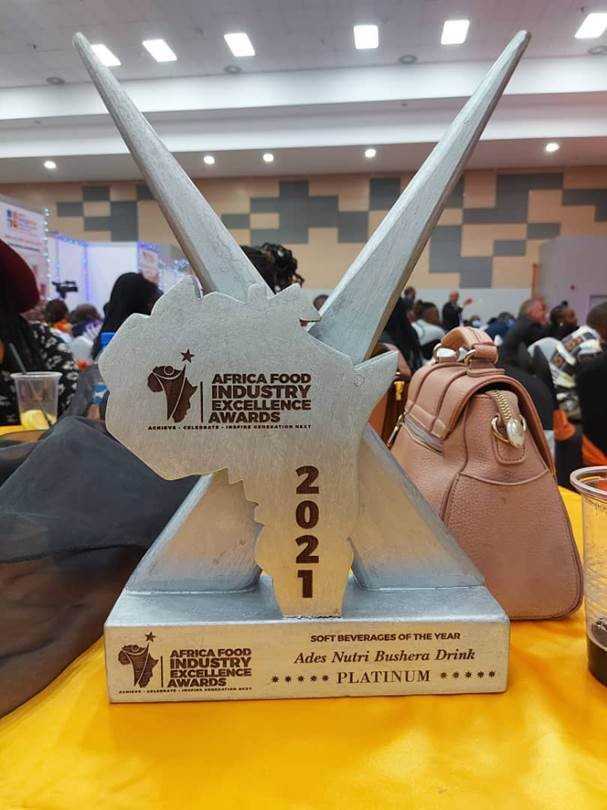
Ades Nutri-Bushera Wins Platinum Africa Food Excellence Award

The Platinum Africa Food Excellence Award

Coca-Cola Beverages Africa’s Ades Nutri-Bushera millet-based drink has won the Africa Food Excellence Platinum Award.

The Award was presented at the Africa Food Excellence Awards 2021 Gala in Nairobi Kenya, in recognition of Ades Nutri-Bushera’s great taste, indigenous attributes, and ability to grow within a pandemic.

Ades is the global brand for Plant-Based Beverages from The Coca-Cola Company that represents delicious throughout-the-day nutrition. Ades Nutri-Bushera, based on millet, is a great tasting modification of the traditional drink made in Ugandan households and traditionally consumed at social gatherings such as weddings, child naming ceremonies and traditional gatherings.

Receiving the award at the Sarit Expo Centre in Nairobi, Uganda Commercial Director Isaac Sekasi said, “Ades is an expression of our shared culture and a sense of community that we all enjoy. It is an affirmation of Coca-Cola’s customer obsession and commitment to the purpose of refreshing the world while making a significant positive impact on people, communities, and the planet.”

“This award could not have come at a better time. We pledge to continue listening to our customers and commit to our sustainable growth strategy that focuses on our customers and consumers,” he added.

The Africa Industry Excellence awards have become Sub-Saharan Africa’s most respected food industry awards process and ceremony. The awards celebrate individual and team excellence and achievement of start-ups, big corporations and multinationals operating in Africa – as the region becomes the next growth and investment frontier.

Ades Nutri Bushera was created to suit the tastes and preferences of Ugandan consumers and packaged to meet the highest standards of health and quality. Its recognition at the esteemed Africa Food Excellence Awards gives credence to Coca-Cola Beverages Africa’s commitment to spearhead the BUBU (Buy Uganda, Build Uganda) agenda. This commitment has also been the driving force behind other products such as Minute Maid Fruity Boost Mango and Climb Up Milk, which also have ingredients and packaging procured locally in Uganda.

“Ades has been created with our customers in mind. With insights gathered from the ground, we innovated a product that meets our customer tastes and preferences, quality, and health standards. This award is a testament of the great work being done by the people at Coca-Cola, employees, partners, suppliers and management. We are very excited to have been recognized in this category,” remarked Vivienne Olenyo, Frontline Marketing Manager – Uganda, Coca-Cola East and Central Africa Franchise.

The introduction of Ades Nutri-Bushera is another step forward in the ambitious journey undertaken by Coca-Cola Beverages Africa in Uganda to spearhead the BUBU agenda in Uganda.

The food industry in Africa is on a transformational journey. Despite the uncertainties brought about by the COVID-19 pandemic, the industry has shown deep resilience and continued to invest and innovate.

Other products that have previously been unveiled in line with the BUBU agenda include Minute Maid Fruity Boost Mango and Climb Up Milk whose ingredients and packaging are also procured from within Uganda.

Stories Continues after ad

Africa cuts HIV infections, deaths but key targets still elusive

HIV treatment

Africa has made significant progress against HIV over the past decade, reducing new infections by 43% and nearly halving AIDS-related deaths. However, the continent is unlikely to end AIDS as a public health threat by 2030 with many countries falling behind key elimination milestones and COVID-19 aggravating challenges, an analysis by World Health Organization (WHO) finds.

To achieve the 2030 global development goal of ending AIDS, countries should ensure that by 2025 95% of people living with HIV know their status (target 1), 95% of those who know their status are on treatment (target 2) and 95% of those receiving treatment have their viral load suppressed (target 3). The Fast-Track strategy to end AIDS was initiated in December 2015 by the Joint United Nations Programme on HIV/AIDS (UNAIDS) and then in December 2020, the new 95-95-95 five-year plan replaced the previous targets.

WHO is tracking progress toward the 95-95-95 targets with a scorecard which was released today at the International Conference on AIDS and Sexually Transmitted Infections in Africa gathering in Durban, South Africa. The scorecard finds that in December 2021, countries in the African region reported 87% of people living with HIV know their status, of those 77% are on treatment and 68% have low viral load. So far only nine countries Botswana, Cabo Verde, Kenya, Lesotho, Malawi, Nigeria, Rwanda, Uganda and Zimbabwe are on track to reach the 95-95-95 targets by 2025.

 “This scorecard is a wake-up call for African governments to stay focused on ending AIDS,” said Dr Matshidiso Moeti, WHO Regional Director for Africa. “COVID-19 has made the fight against HIV all the more challenging, but one virus must not win out over another. We must tackle COVID-19 and HIV in parallel.”

The scorecard finds that no country has met all three 95-95-95 targets, but Eswatini has exceeded the first two and is within sight of the third, with 93% of people on treatment having their viral load suppressed.

Three countries Cabo Verde, Djibouti and Kenya have met the first target. Cabo Verde has also reached the second. Eight countries are close to meeting the first target and three Rwanda, Uganda and Zimbabwe are nearing the second objective, but inadequate access to HIV testing and treatment for key populations is hampering progress. Community-based services and stigma-free health facilities can help ensure men who have sex with men, injecting drug users, sex workers and other key populations get the health care they need.

Target three has made the least progress, with 48% of countries reporting no data. This is due to the scarcity of viral load testing centres in many countries, especially in rural areas, which has worsened during the COVID-19 pandemic as testing centres have turned to focus on the new virus.

“Africa has come so far, and we know how to end AIDS. But unless governments make a fresh push, increasing resources and commitment to strengthening their fragile health systems we will not reach the last mile,” Dr Moeti said.

Key steps to accelerate the momentum against the disease include improving access to HIV treatment and care, notably by decentralizing services to the grassroots and eliminating user fees for key services, increasing domestic funding by governments for HIV programmes as well as boosting the fight against stigma and discrimination so that those who need care have no fear seeking it.

Stories Continues after ad

BREAKING: #Covid-19 Omicron variant confirmed in Uganda

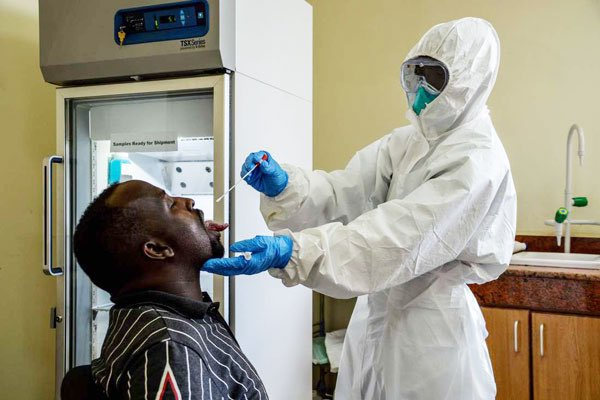
Testing for covid-19

At least seven cases of Omicron variant have been confirmed in Uganda as weekly new #Covid-19 cases on the continent rise due to an upsurge in southern Africa.

The new variant was detected from 11 samples taken on November 29, from travellers who arrived in the country through Entebbe International Airport.

“We report the first time detection of Omicron variant in Uganda from samples taken from travellers arriving in the country through Entebbe International Airport,” Researchers and scientists from Uganda virus research Institute (UVRI), Medical Research Council, London School of Hygiene and Tropical Medicine announced.

The travellers arrived from Nigeria , United Arab Emirates, South Africa , Democratic Republic of Congo  and Netherlands  aboard. The deep sequence read were assembled  using Genome Detective Software and quality control of sequence  was done using Nextclade and Geneisous program followed by lineage classification using both Pango Lineage typing and nextclade.

“Seven of the 11 Genomes were classified as belonging to Omicron variant and the other four were delta variant” medical Researchers and scientists said in a statement

Omicron variant has been designated as a variant of concern by World Health Organisation (WHO) and presents with some deletions. The South African variant has a high number of mutations (32) in its spike protein, and preliminary evidence suggests an increased risk of reinfection, when compared with other variants of concern.

Researchers and scientists in South Africa and the region are intensifying their investigations to understand the transmissibility, severity and impact of the Omicron variant in relation to the available vaccines, diagnostics and treatment and whether it is driving the latest surge in #Covid-19 infections.

In Africa, vaccination rates remain low. Only 102 million people, or 7.5% of the population, is fully vaccinated. More than 80% of the population still needs to receive a first dose.

Only five African nations have reached the WHO global target for countries to fully vaccinate 40% of their population by the end of 2021. Botswana could become the sixth if its current vaccination rates are maintained. Just three other African countries have enough vaccine supplies to meet the targets but, at the current pace of uptake, they will be unable to do so.

Stories Continues after ad

Prof Ijjo continues to embrace NSSF Voluntary saving plan

Prof. Alex Thomas Ijjo

Prof Alex Thomas Ijjo, an associate professor of Economics with Cavendish University has chosen to continue saving with the National Social Security Fund (NSSF) under their Voluntary membership plan.

Past 55 years, wants his savings to continue growing with the competitive interest rates provided by the Fund whilst accumulating enough to secure his retirement and his children’s future.

Like the Chinese proverb, “The best time to plant a tree was 20yrs ago. The second-best time is now.”  It is never too late to start saving even at 50 years.

50yrs old is a golden age. Making it to half a century is no small feat that comes with a lot of experiences, achievements and memories. With many achievements and the busyness of life, it is possible that some areas of your life may have been ignored, specifically finances. Irrespective of whether you have achieved financially or not, there is always more you can do with the right saving scheme.

In Uganda, of the 15.9 million working population, only 2.8 million are saving for retirement, according to the 2020 Retirement Benefits Sector report from the Uganda Retirement Benefits Authority. That is only 18% of the working population. When you combine this with increased life expectancy after retirement, there is a need for more savings for citizens in their 50s in order to support them after retirement. According to NSSF, most 50yr olds saving with NSSF have UGX 16 million or more.

NSSF seeks to make it more convenient and accessible for citizens in their 50s to save through the Voluntary Membership plan. Like professor, Ijjo, former NSSF members, whom the Fund already paid their respective benefits, but are still able and willing to save with the Fund can, apply to join the Voluntary plan. Section 10 (3) of the NSSF Act states that “any member of the Fund in respect of who the standard contribution has ceased to be payable under this Act may apply in the time and in the manner prescribed to make voluntary contributions to the Fund……”

For those who are self-employed, you must first register your company/business, after which you would then be eligible to enroll for the plan under Voluntary Employers category, even if you are the only employee of your company/business.

Employers with less than 5 employees are also eligible to join the NSSF Voluntary Membership plan with their employees. This is occasioned by the NSSF (Voluntary Registration and Contributions) Regulations, and in specific reference to Section 10 (1) of the NSSF Act. This provides that any employer may, “apply for voluntary registration as a contributing employer; and any eligible employee of such employer may thereafter apply for voluntary registration as a member of the Fund”

Considering the alternatives out there in pension schemes, the interest offered by NSSF stands significantly above the rest. Most offer rates in the range of 5-6.5% while NSSF offers between 10-12%. That means your savings can earn more.

At 50yrs, there are a specific set of needs that require a service provider that is unique and flexible in its service offering. NSSF Voluntary membership plan can help provide that solution that will make your retirement comfortable and stress free.  To join the plan, simply go to https://www.nssfug.org/voluntarymembership/ or any NSSF branch countrywide.

The best time to start saving was 20yrs ago. The second-best time is your 50s.

Stories Continues after ad

UBL to hire more Persons With Disabilities

Mustaphar Fagayo, FUE's Human Resource Specialist and Administration Officer addressing guests at the career fair.

Uganda Breweries Limited (UBL) has reiterated its commitment to inclusion and diversity by setting a target of 10% of all new hires being Persons With Disabilities (PWDs).

The commitment was announced by Suleiman Ngondi, UBL’s Sustainability and Communications Manager during a Career Fair to commemorate World Day for Persons With Disabilities, organised by the Federation of Uganda Employers (FUE) at Hotel Africana.

During the event, different companies including Stanbic Bank Uganda, Q Sourcing, Endiro Coffee and others, showcased the different programs they have in place to recruit and train PWDs.

“Our fidelity to the ‘Make 12.4% Work’ initiative that we signed in 2019 remains, and we have formulated strategies to ensure that we implement it. We set a recruitment target of having 10% of all our new hires being persons with disabilities, in addition to opening our internship programme to this productive but overlooked group in society,” said Ngondi.

This, he noted, is in line with UBL’s parent company, Diageo’s, Society 2030 agenda, which aims to create a more inclusive and sustainable world while making a positive contribution to the communities within which their businesses operate.

According to the Uganda Bureau of Statistics Census Report (UBOS 2016), 12.4% of Ugandans live with some form of disability, which is tallied to approximately 4.5 million persons with disabilities. The report noted that the prevalence was higher among women (15%) than men (10%) and higher in rural areas (15%) than in urban areas (12%).

UBL is one of the founding members of the Uganda Business and Disability Network (UBDN), which is an employer-led network that works to create workplaces and company cultures that are respectful and inclusive towards persons with disabilities. It also promotes the hiring, retention and professional development of persons with disabilities.

While addressing attendees at the fair, Ngondi added, “UBL’s doors are open to you. And we are continually investing in efforts that increase the scale and impact of our inclusion initiatives to create a culture that ensures that qualified persons with disabilities thrive at Uganda Breweries Limited.”

Mustaphar Fagayo, the Human Resource Specialist and Administration Officer at FUE said PWDs have the same abilities as any other person without a disability and urged companies to put in place access structures like ramps and other aid materials to enable PWDs to perform at work.

“For example, if you have a storey building, put ramps where someone with his/her wheelchair can access the building. If someone with hearing impairment has applied for a position in your organisation, don’t chase them away, get an interpreter and interview this person,” said Fagayo.

He added: “We have had experiences where employers who have employees with disabilities not complaining, meaning that PWDs can perform like any other person and as FUE we realised that several companies don’t have employees with disabilities because of the mindset.”

Fagayo said the mindset of many employers about PWDs is that they cannot work and should just be there to be helped, which is wrong.

Stories Continues after ad

Cranes invited to face Tanzania in Independence Day Celebrations

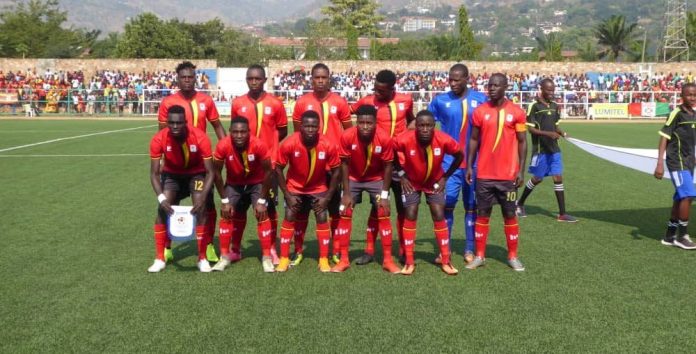
Cranes team

Uganda Cranes will this week on Thursday, face Tanzania’s Taifa Stars in an International Friendly game.

The game that will be played at the National Stadium in Dar es Salaam is part of events to commemorate Tanzania’s 60 years of Independence.

Head Coach Milutin ‘Micho’ Sredojevic has summoned a total of 18 locally based players that will travel to Tanzania on Thursday.

He also thanked Clubs and coaches for granting permission to the players summoned despite the invitation coming on short notice.

“I thank coaches that have stretched and allowed us to use some of the players bearing in mind that the League has not been stopped,” he said.

The coach indicates that this game helps to widen the pool of players as preparations for the 2022 Africa Nations Championship (CHAN) Qualifiers commence.

“We have started preparations for the qualification campaign of CHAN 2022 in Algeria. This gives us the opportunity to widen the pool of players.”

Players Summoned

Goalkeepers: Joel Mutakubwa (ExpressFC), Jack Komakech (Vipers SC)

Defenders: James Begisa (UPDF FC), Ibrahim Juma (KCCA FC), Najib Fesali (URA FC), Joseph Bright Vuni (Arua Hill SC), Farouk Katongole (URA FC)

Midfielders: George Kasonko (BUL FC), John Byamukama (Express FC), Joseph Akandwanaho (Express FC), Travis Mutyaba (SC Villa), Steven Munguchi (Gaddafi FC), Frank Ssenyondo (Wakiso Giants FC), Frank Mulimi (Gaddafi FC)

Forwards: Ivan Asaba (Vipers SC), Alfred Leku (Arua Hill), Samuel Ssenyonjo (KCCA FC), Patrick Kaddu (Unattached)

Stories Continues after ad

Charles Mbire tops USE local investors as MTN list

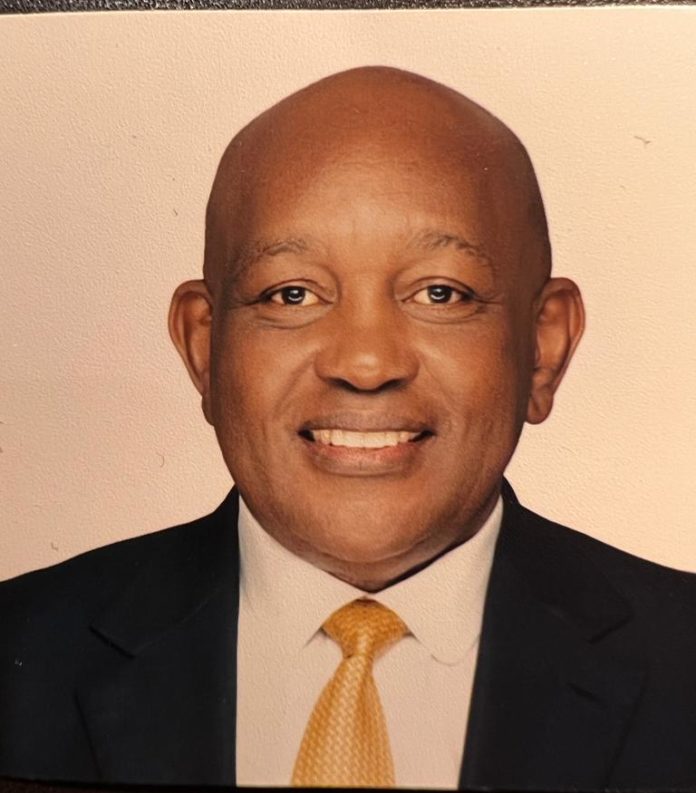
Mr Charles Mbire


Businessman Charles Mbire tops the list of local investors on Uganda Securities Exchange as MTN-Uganda was listed.

The Telecom announced its results from the Initial Public Offer (IPO) that closed last week.Mbire ha ownss 4% stake in the telecom worth $60 million before its IPO.

According to the report released over the weekend, SBG Securities, the transaction advisor and lead sponsoring broker, the MTN-IPO was above 25% threshold of 1.1 billion shares that is acceptable performance by Capital Markets Authority (CMA).

SBG further revealed that MTN-IPO collected Shs532 billion. In an interview with the is website, Mbire thanked Stanbic and Standard Chartered Banks for having lent him money to acquire the first 4% share in MTN.

“I am ever thankful for Stanbic and Standard Chartered, they stood with me and I have since repaid their loans. That is how I acquired my first shares” Mr. Mbire said.

Mbire has other interests in financial services Baypot, Nilecom, real estate in South Africa and UK, stocks in energy, oil services, oil exploration, miming and revenue assurances.

Top USE local investors


Sudhir Ruparelia

Net worth on the USE: $5,206,007

Holdings: Bank of Baroda (Uganda), Stanbic Bank Uganda, NIC Holdings, DFCU

Ugandan tycoon Sudhir Ruparelia is one of East Africa’s richest men and the chairman of Ruparelia Group, a conglomerate with interests in hotels, real estate development, floriculture and broadcasting. His holdings include 0.65%of Stanbic Bank Uganda worth $2.49 million; a 2.5% stake in Bank of Baroda (Uganda), which is valued at $2,095,224; a 0.29% stake in DFCU bank; and, 6.96% of NIC Holdings, an insurance company.

Emmanuel Katongole

Net worth on the USE: $2.74 million

Holdings: Cipla Quality Chemical industries

Emmanuel Katongole was the founder of Quality Chemical Industries, a pharmaceutical manufacturing company in Uganda. In 2015, Cipla of India acquired a 51% stake in the business from Katongole, and renamed the company Cipla Quality Chemical industries. (CQCIL). CQCIL manufactures triple-therapy antiretroviral medication, double-therapy antimalarial medication and the Hepatitis-B generic medicines Texavir and Zentair. Katongole pocketed millions of dollars when Cipla acquired control of the company in 2015. He still owns a 2.79% stake in the company worth $2.74 million.

George Baguma

Net worth on the USE: $2.74 million

Holdings: Cipla Quality Chemical industries

George Baguma is the chief commercial officer of Cipla Quality Chemical industries and also sits on the board. He is a long-time associate and business partner of Emmanuel Katongole. He also owns a 2.79% stake in the company.

 Frederick Kitaka

Net worth on the USE: $2.74 million

Holdings: Cipla Quality Chemical industries

Frederick Kitaka serves as executive director of finance of Cipla Quality Chemical Industries Limited. He is a long-time associate and business partner of both George Baguma and Emmanuel Katongole. He also owns 2.79% of Cipla Quality Chemical Industries.

Ibrahim Kironde Kabanda

Net worth on the USE: $1.58 million

Holdings: Stanbic Uganda Holdings

Ibrahim Kironde Kabanda, a former chairman of the Uganda Revenue Authority, owns a 0.42% stake in Stanbic Uganda Holdings worth $1.58 million.

Ceasor Mulenga

Net worth on the USE: $1.52 million

Holdings: 1.82% stake in Bank of Baroda (Uganda)

Maheshwary Morjaria

Net worth on the USE: $849,415

Holdings: 1% stake in Bank of Baroda (Uganda)

Joseph Byamugisha

Net worth on the USE: $537,962

Holdings: 0.63% stake in Bank of Baroda (Uganda)

Rakesh Gadani

Net worth on the USE: $339,766

Holdings: 0.26% stake in DFCU

 Keith Muhakanizi

Net worth on the USE: $248,737

Holdings: 0.2% stake in DFCU


Stories Continues after ad

Pastor arrested for kidnap and child ritualistic sacrifice

Handcuffs

Police in Kiira has in custody a self-styled pastor and his wife on charges of kidnap and murder for ritualistic sacrifice of a 4-year-old girl victim.

The suspect has been identified as Prophet Joseph Sserubiri and his wife, Felista Namaganda. The 4-year-old victim, Nakisuyi Trinity Nabirye Zabella, whom they kidnapped on the 30th September 2021, was a daughter to their landlord, John Mulodi of Kakira market zone, Kakiira Town Council, in Jinja district. He had rented out a garage to the self-styled prophet, which they turned into a church, called Deliverance and Healing Ministries, Kakira.

“We have also arrested the senior pastor of Deliverance and Healing Ministry, located at Ganda, Nansana, a one Pastor Buyinza Israel Isma, who allegedly lured him into the act,” the Police Spokesperson Enanga Fred said.

The suspect Prophet Sserubiri who had disappeared, after the incident of child kidnap, was tracked down and arrested. Together with his wife, they admitted to having murdered the 4-year-old, Nakisuyi Trinity, in the garage turned church for spiritual prowess. They slit the throat of the victim and chopped of her head, which they went and buried in the lake at Wanyange. And the headless body was buried in Kinyomo sugarcane plantation, in Kakira Town Council.

“Our thoughts and prayers are with the family of Nakisuyi Trinity. The pain and fear she must have endured at the time of the incident, are over whelming, for her age. We have recovered both the remains of the head and the headless body of the 4-year-old victim and subjected samples for DNA, to establish whether they match.  Other exhibits of a blood stained trouser, belonging to the self-styled Prophet and other blood samples from the garage turned church were recovered as well,” Enanga said

“We call upon the Inter-Religious Council and all other Faith-based Associations, to come up with stronger measures of profiling and auditing the activities of all places of worship.  We believe this initiative will help guard against such rogue self -styled Prophets, who take advantage of people’s lives, in the search for miracles and divine healing powers.”

Enanga added that they will continue to monitor the progress of the case in the courts of law, to seek justice for the 4-year-old victim.  Despite the progress, the country has made in the fight against Child Sacrifice, this tragic incident clearly shows that the threats are still in existence.  Children remain vulnerable if not watched after closely.

Stories Continues after ad

FDC urges UPDF to avoid reckless loss of lives and property in DRC

UPDF chopper in DRC

The Forum for Democratic Change (FDC) has urged the Uganda People’s Defence Forces (UPDF) to exercise professionalism and avoid reckless loss of lives and property while in Democratic Republic of Congo (DRC).

Last week, UPDF and the Special Forces of the Armed Forces of DRC attacked Allied Democratic Forces (ADF) camps in Congo. “This morning, we have launched joint air and artillery strikes against ADF camps with our Congolese allies,” said Brig. Flavia Byekwaso, the spokesperson of UPDF said.

The attacks are aimed at flashing out the rebel group that is terrorizing eastern Congo and Uganda. Before the attacks, international media was been buzzing with reports that Congolese President Felix Tshisekedi has raised the option of allowing the UPDF to enter the DRC to fight the rebels belonging to ADF group, following a spate of regional terror attacks.

“The Kisangani scandal where USD 10b slapped Ugandans between 1998 and 2003 should serve as a lesson to President Yoweri Musevenis’ government. Uganda should not go back to the same now or a repeat of the in future. As a country, we must avoid reckless loss of lives and property which come with heavy financial and diplomatic complications. Commanders of such Operations should take heed because today the whole world is watching,” said John Kikonyogo, the deputy party spokesperson.

Uganda has been at the forefront of helping other countries like Somalia, South Sudan, Burundi and DRC to help in the process to end their internal wars through dialogue. The Party wondered why Uganda can’t use the same measures to end our internal grievances with our own people.

Mr. Kikonyogo said it has become a habit for Ugandans to only receive apologies after errors, yet it’s a constitutional requirement for the president to inform Parliament in case there is need to deploy our army out of the country.

The party urged UPDF should clear out the operation with parliament as per the Ugandan constitution because; this is a legal requirement before foreign deployment of Ugandan troops is made.

Stories Continues after ad

MTN Uganda officially lists on the Uganda Securities Exchange

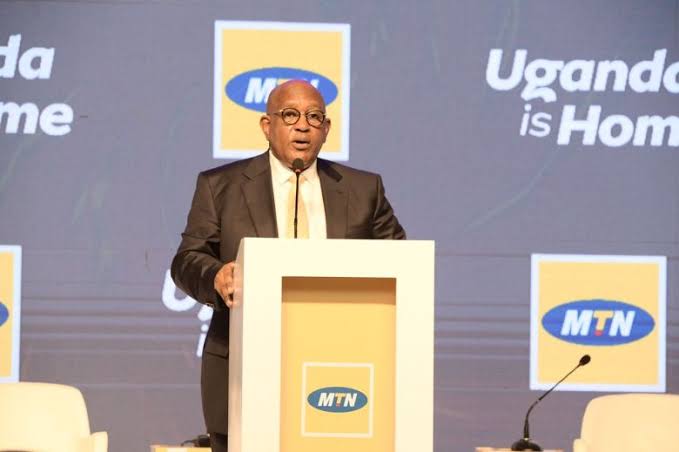
Charles Mbire, Chairman Board of Directors at MTN Uganda

MTN Uganda has on Monday, 6th December 2021 officially listed on the Uganda Securities Exchange (USE) after the conclusion of what the company described as a successful IPO.

MTN Uganda CEO Wim Vanhelleputte said the recently concluded IPO has made it possible for the people of East Africa to own part of the company through the purchase of the shares.

“This has been a successful journey. We put in hundreds of hours to ensure that this is a success. The success of this IPO stamps the true story of Uganda being our home,” said Vanhelleputte.

“From less than 4 percent of Ugandans who had shares in MTN, am happy to report that the more than 15 percent of Ugandans now own MTN Uganda,” he added.

The MTN CEO also said 65 percent of their employees and 100 percent of their senior managersbought shares in the company.

“We have put our skin in the game. We believe in MTN Uganda,” said Mr. Wim.

“Some people thought MTN wouldn’t succeed, but we took on the challenge and explained to people about IPO,” he added.

MTN Uganda Board Chairman Charles Mbire said the successful IPO underlies the company’s strategic growth.

“We are delighted with the successful completion of the offer. It clearly shows the confidence that Ugandans and other investors have in the company, its brand, and its strategic intent,” he said.

“We commend all the regulators for their support in our work to become a USE-listed company and to comply in a timely manner with the listing provisions of the national telecommunications operators’ licence,” he added.

Anne Juuko, the CEO of Stanbic Bank Uganda, described the MTN offer as the largest on the continent this year.

“This was the largest IPO in the continent this year. It was one of the most successful IPOs and we are grateful to all who took part in making this a success,” she said.

“At the core of this IPO was a need for having Ugandans play a bigger role. With the numbers we got, this shows a true step in sharing value,” Juuko added.

The MTN Uganda listing reduces the ownership of the MTN Group in MTN Uganda from 96% to 83.05%. It is in line with MTN Group’s strategic priority to create shared value, partly through ensuring broad-based ownership in all operating subsidiaries.

“This is one of the biggest milestones for MTN Uganda, we are truly grateful and happy about this momentous occasion,” Yolanda Cuba, Group Vice President Southern an East African region at MTN said.

Stories Continues after ad