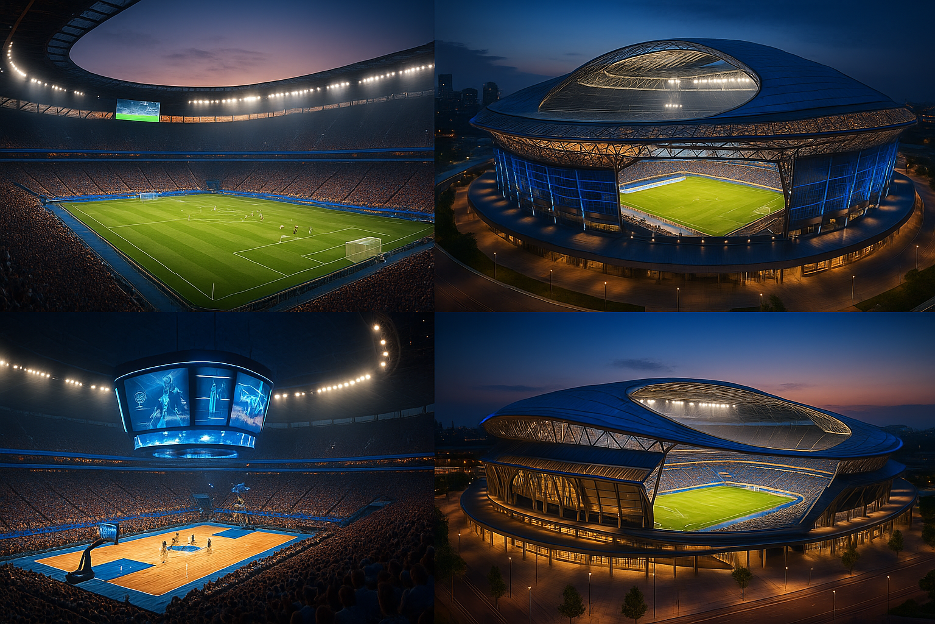
Sports arenas are more than bricks and steel. They are the stages where history is made, where fans scream themselves hoarse, and where cities show their ambition. In 2025, several of the world’s most iconic venues went through upgrades that did more than fix leaky roofs. They transformed the way fans, athletes, and businesses interact with sport. Platforms like 1xbet mirror this trend online, creating digital spaces that connect people with events as seamlessly as modernized stadiums do offline.
Why modernization mattered in 2025
Fans expect more than just seats and scoreboards. They want fast Wi-Fi, augmented reality replays, comfortable lounges, and even personalized food delivery to their row. Organizers realized that falling behind on tech meant falling behind in culture. That’s why 2025 became the year of stadium reinvention. From Europe to Asia, arenas competed to outdo each other in design, comfort, and digital immersion.

Blending heritage with innovation
Some arenas are over a century old.
| Arena | Year Built | Modernized in 2025 | Key New Features |
| Iconic Stadium A | 1923 | Yes | AR replays, energy-efficient lighting |
| Grand Arena B | 1960 | Yes | Retractable roof, AI crowd management |
| Multi-Sport Dome C | 1985 | Yes | 5G backbone, biometric entry |
Fan experience redesigned
Comfort once meant cushioned seats. Now it means predictive traffic alerts, AI-guided parking, and virtual queues for snacks. Fans can watch multiple camera angles on their phones while sitting in the stands. They can scan a QR code to order food that is delivered to them at their seat. In some arenas, AR headsets allow a fan to see live stats hovering above players. The sense of being part of the action is now deeper than ever.
Digital platforms tied into stadium life
The match doesn’t end when the whistle blows. Online spaces extend the conversation, bets, and replays. Interactive platforms bring fans together no matter where they are. Services like https://1xbet.tz/en/registration integrate with the live experience, offering mobile interaction during halftime or while traveling to the arena. The link between physical stadiums and digital communities became impossible to ignore in 2025.

Economic drivers behind modernization
Modern stadiums are money machines. They host concerts, conventions, and esports finals when teams are off the field. The renovations of 2025 focused on flexibility. Retractable seating allowed quick changes from basketball courts to concert stages. Giant LED panels doubled as advertising walls and fan engagement tools. Every square meter of space became part of the business model.
| Revenue Source | Share Before 2025 | Share After 2025 |
| Ticket Sales | 55% | 40% |
| Concessions | 15% | 20% |
| Sponsorship | 20% | 25% |
| Events (non-sports) | 10% | 15% |
Bullet points: what defined modernized arenas in 2025
- Seamless digital integration with mobile apps and live data streams
- Strong focus on eco-friendly design and energy savings
- Multipurpose infrastructure to host different types of events
The business case for modernization
Investing hundreds of millions into upgrades sounds risky, but it often pays back quickly. A study from a respected sports economics journal estimated that a $300 million renovation could return up to $500 million within five years. The secret is diversification.
How modernization boosted global reach
Broadcasting also changed. Stadiums upgraded with 8K cameras, drone systems, and real-time translation tools. That meant a fan in South America could follow commentary in their language instantly. It wasn’t only about sport anymore. It was about culture, technology, and business traveling across borders faster than ever before. The modernization of arenas helped leagues expand their global influence dramatically.
The modernization wave of 2025 set new standards. Fans expect more, and venues deliver more. The next frontier may include AI coaches sitting alongside referees, holographic replays filling arenas, and biometric payment systems replacing tickets.