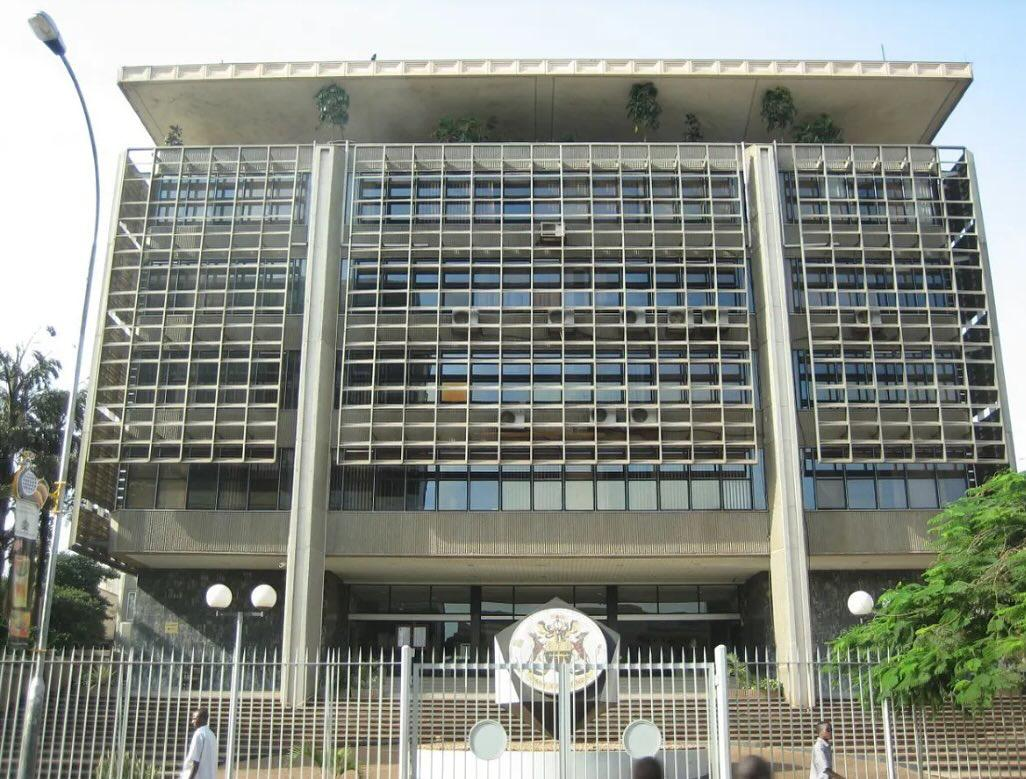
The Bank of Uganda’s Integrated Annual Report for the 2024/25 financial year shows that operating expenses and loan adjustments rose slightly as the institution navigated currency costs, loan provisions, and payments to staff and contractors.
According to the report, “annual operating expenditure increased by 6 percent from Shs621 billion in 2023/24 to Shs660 billion in 2024/25.”

The increase was mainly due to higher employee costs, currency production expenses, and general administrative payments.
Employee benefits accounted for Shs286.6 billion, up from Shs230.2 billion the previous year, covering salaries, pensions, medical care, and staff training. General and administrative costs also grew to Shs102.7 billion, driven by expenses on communication, travel, software maintenance, and public awareness activities.
“Currency costs rose to Shs212.6 billion, compared to Shs203.1 billion in the previous year,” the report notes, pointing to higher spending on banknote printing and coin minting. The central bank also spent Shs26.2 billion on financial and professional charges, including legal fees, consultancy, and reserve management costs.

Despite the higher spending, the Bank’s total expenditure remained 3 percent below its approved budget of Shs706 billion. The cost-to-income ratio stood at 44 percent, up from 40 percent in 2023/24, but within the strategic target of 75 percent.
The report further reveals that the Bank adjusted its loan portfolio, particularly loans and advances to government, which fell sharply to Shs1.79 trillion from Shs8.55 trillion. This followed the conversion of Shs7.78 trillion in government obligations into a 10-year bond.
The central bank also provided loans and advances to its staff amounting to Shs114 billion, up from Shs100 billion the previous year, while loans to executive management stood at Shs3.8 billion.
On the liability side, “accounts payable and other creditors totaled Shs242.9 billion, compared to Shs262 billion in the previous year,” reflecting payments related to suppliers, financial institutions, and pension obligations.
The report adds that the Bank made repayments of Shs28.2 billion in legal settlements and other provisions during the year. No dividend was declared to the government for the second year in a row.
Despite recording a net surplus of Shs658.9 billion down from Shs1.14 trillion in the previous year, the Bank remains financially sound, with total assets rising by 21.5 percent to Shs31.9 trillion and equity increasing to Shs6.2 trillion.
“The Bank continues to operate within its financial means, ensuring effective management of costs, loans, and payments while fulfilling its mandate to maintain monetary and financial stability,” the report reveals.