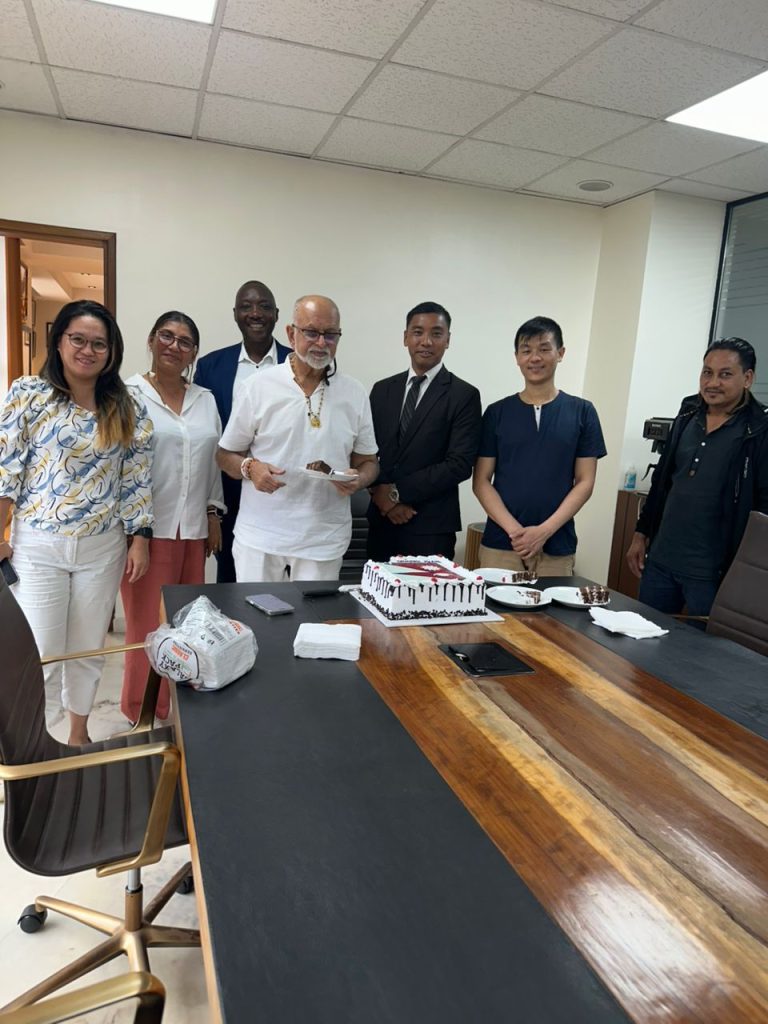
As Uganda marked January 17, its most influential private-sector figure, tycoon Sudhir Ruparelia, quietly turned 70.
Born on January 17, 1956, in Kabatoro, Kasese District, Ruparelia’s rise is often cited as a classic example of resilience and long-term vision. After years abroad, he returned to Uganda in 1985 with modest savings and a determination to invest in a country rebuilding from years of economic turmoil. That decision would later redefine multiple sectors of the Ugandan economy.

His entrepreneurial breakthrough came with the establishment of Crane Forex Bureau in 1989, followed by the founding of Crane Bank in 1995. These ventures laid the groundwork for what would become the Ruparelia Group, now one of the most diversified indigenous conglomerates in the region, with interests spanning real estate, hospitality, education, insurance, floriculture and leisure.
Today, Ruparelia is widely recognised as Uganda’s leading private real estate investor, with more than 50 premium commercial and residential properties in Kampala’s Central Business District alone.
He is also the country’s number one rental tax contributor, a distinction that underscores the scale of his formal investments and their role in public revenue generation.


His footprint in leisure and tourism is equally significant. Flagship facilities such as Speke Resort Munyonyo and Commonwealth Resort Munyonyo have positioned Uganda as a competitive destination for international conferences and high-end tourism. Other properties under his portfolio include Speke Apartments, Paradise Island, Kabira Country Club, Forest Cottages, Dolphin Suites, Tagore Apartments, Kitante Apartments, and several other hospitality and residential developments that have transformed Kampala’s urban landscape.
Beyond property and hospitality, Ruparelia has made notable contributions to education. Through institutions such as Victoria University, Kampala Parents’ School, Kampala International School Uganda and Delhi Public School International, he has played a central role in expanding access to quality education, from primary to university level, for both Ugandans and international students.

In recent years, his influence has extended beyond commerce. Through the Ruparelia Foundation, he has supported initiatives in education, health, youth empowerment and environmental conservation.
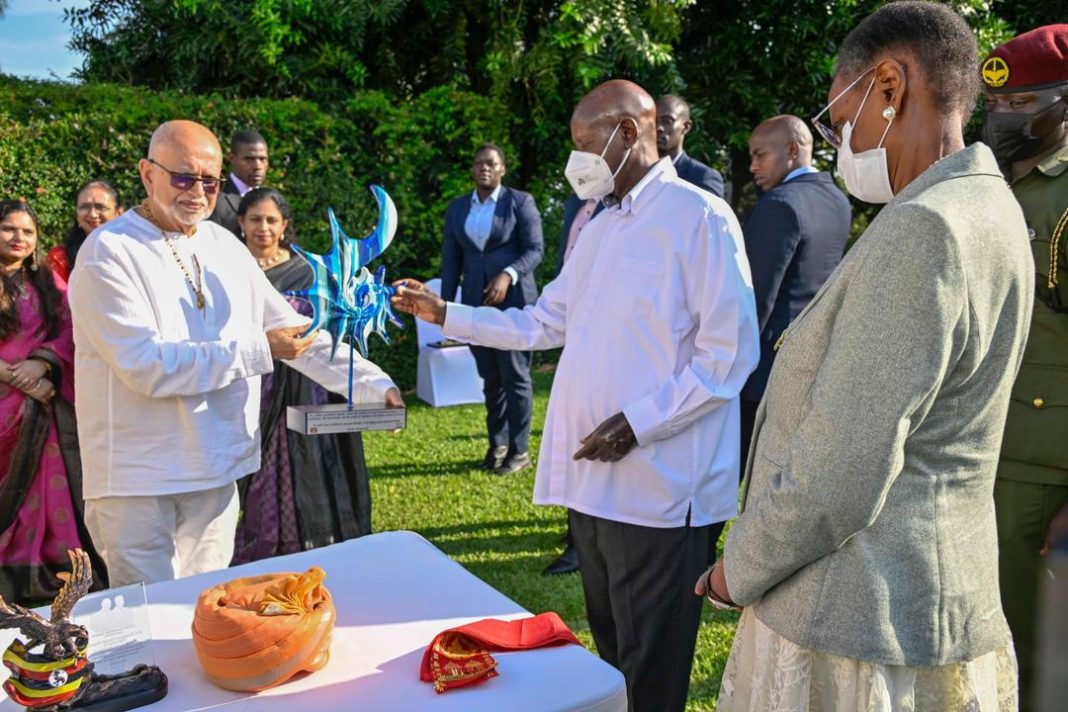
In 2025, these efforts were formally recognised when he received several national honours highlighting his contribution to tourism development, property investment, and conservation.
As tributes continue to flow from business leaders, policymakers and ordinary citizens, Ruparelia is increasingly described not just as a successful tycoon, but as a long-term investor who believed in Uganda when confidence was scarce.
At 70, his story remains closely intertwined with Uganda’s private-sector growth over the past four decades, a reminder of how patient capital, local investment, and institutional building can shape a nation’s economic future.