The Auditor General has revealed that only Shs9.340 billion has so far been recovered from beneficiaries of the Parish Development Model (PDM) despite the government having cumulatively released more than Shs3.258 trillion into the programme, the Auditor General Edward Akol has revealed in his latest audit, raising serious questions about accountability and recovery mechanisms.
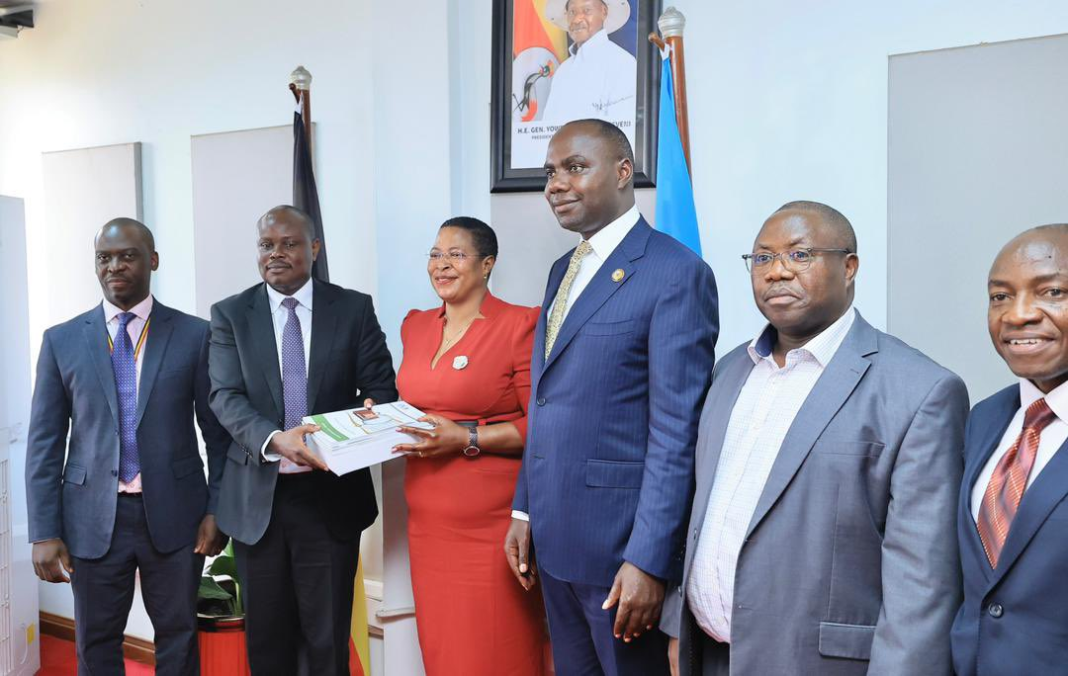
Presenting the December 2025 Annual Audit Report to Speaker of Parliament Anita Among on January 29, 2026, Akol said the limited recovery relates to beneficiaries under the 2022 funding lot who had voluntarily begun repaying the Parish Revolving Fund.

“I noted that of the beneficiaries who received PRF by December 2022, a total of 18,105 beneficiaries in 709 SACCOs in 30 local governments had commenced voluntary recovery, and a sum of Shs9.340 billion had been recovered. However, there was no evidence of preparedness for recovery in all local governments,” Akol said.
The audit shows that the recoveries came from 709 Savings and Credit Cooperative Organisations spread across 30 local governments, out of 10,589 PDM SACCOs countrywide that have received government funding since the rollout of the programme.
Akol further disclosed that by the end of the 2024/25 financial year, only Shs2.750 trillion, equivalent to 84 percent, had been disbursed to households, leaving Shs508.646 billion, or 16 percent, undisbursed despite having been released by the Treasury.

“Out of Shs3,258.937 billion released cumulatively by the government to 10,589 PDM SACCOs, only Shs2,750.290 billion, representing 84 percent, was disbursed to households by the end of the financial year 2024/25,” he said, adding that the balance remained idle at various levels.
The Auditor General also flagged multiple weaknesses undermining the programme, including funding of non-existent or ghost projects, delays in disbursement to households, implementation of ineligible projects, diversion of funds, and cases of duplicate beneficiaries.
Reacting to the findings, Speaker Anita Among urged the Auditor General to take a tougher approach in auditing PDM funds to ensure they reach the intended beneficiaries.
“As we appropriate monies, we want the money to reach the final user, the final beneficiary. But the problem we have is diversion of these monies. The money does not go to the intended beneficiary,” Among said.
She challenged the audit office to intensify enforcement and oversight, warning that inequitable access to the funds undermines Parliament’s budgetary decisions.
“Auditor General, we want you to whip. This money should go to the right people. We cannot appropriate money and end up with 70 percent of the people who are already rich benefiting, while the 30 percent get nothing,” she said.
Among defended her stand by pointing to the political and social impact of the PDM, noting that its success among rightful beneficiaries influenced voting patterns in the recently concluded general elections.
“Most of the votes we got were because of the people who got the money rightfully, the PDM money,” the Speaker said.
She warned that continued delays, double payments and misalignment of parish priorities risk eroding public confidence in the programme unless addressed decisively through tighter audits and enforcement.
“When you look at the report, there are delays in disbursement; some people receive money twice, while others receive nothing. This lack of alignment of parish priorities can only be uncovered by this team,” Among added.