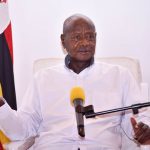
The Uganda Law Society has cut ties with any financial engagements involving President Yoweri Kaguta Museveni Tibuhaburwa and rejected the Shs5 billion pledge. The body declared the pledge threatens the independence of the legal profession.
In an executive order issued by the ULS House in Kololo on March 19, 2026, the Society announced the decision to distance itself from the pledge made by the President in 2018 for the construction of its headquarters, a commitment that remains unfulfilled.

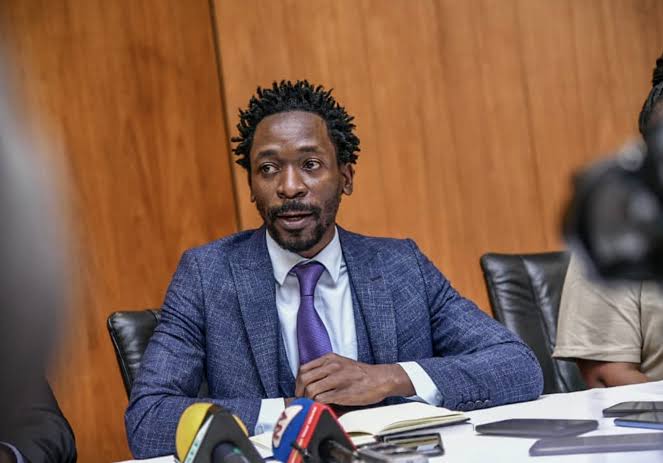
ULS President Isaac Ssemakadde said the move is intended to safeguard the integrity of the Bar and restore public confidence in the legal profession’s autonomy.
“The Uganda Law Society has a solemn duty to uphold the rule of law and safeguard the independence of the Bar from undue influence, including financial inducements that compromise its autonomy,” Ssemakadde stated.
He noted that continued reliance on pledges from the executive undermines the profession’s ability to hold power accountable, adding that the decision marks a turning point in how the Society engages with the state.

The Society sharply criticised the unfulfilled presidential pledge, describing it as symbolic of broader governance concerns.
“The Shs5 billion pledge remains unfulfilled to this day, serving as a stark reminder of unkept commitments and selective generosity,” Ssemakadde said, adding that the situation reflects deeper issues in public financial management.
He further pointed to what he termed as excessive government spending, arguing that it contrasts sharply with the failure to honour commitments to institutions like the ULS.
“This pledge stands in sharp contrast to ballooning State House expenditures, including vast allocations to classified items and supplementary budgets, underscoring a pattern of fiscal irresponsibility and prioritisation of patronage over public welfare,” he said.
The ULS leadership also raised concerns about the broader political environment, linking financial dependence to challenges in democratic governance.
“The wastefulness displayed during recent general elections further exemplifies the misuse of public resources to entrench power, with excessive spending on security crackdowns and electoral manipulation that undermined democratic processes,” Ssemakadde noted.
As part of the directive, the Society has terminated all efforts to pursue or engage with the presidential pledge and revoked mandates of any envoys previously assigned to follow up on the funds. It also reaffirmed its commitment to institutional independence, warning against any form of political or financial coercion.
“The independence of the Bar is paramount to the administration of justice and the protection of constitutional rights. Any reliance on governmental largesse risks eroding this independence and diminishing the profession’s role as a bulwark against executive overreach,” he said.
Ssemakadde highlighted that the near completion of ULS House has instead been achieved through member contributions, describing it as a testament to self-reliance within the profession.
“The ULS House has reached near completion through the unwavering contributions and disciplined leadership of its members, exemplifying probity and collective resolve,” he said.
Looking ahead, the Society says it will redirect its focus toward legal and institutional reforms aimed at strengthening sustainable income streams for lawyers and the institution.
“This reform agenda constitutes the true path to long term independence, rendering any form of governmental begging obsolete and unnecessary,”Ssemakadde added.
The executive order took immediate effect and will remain in force unless amended.