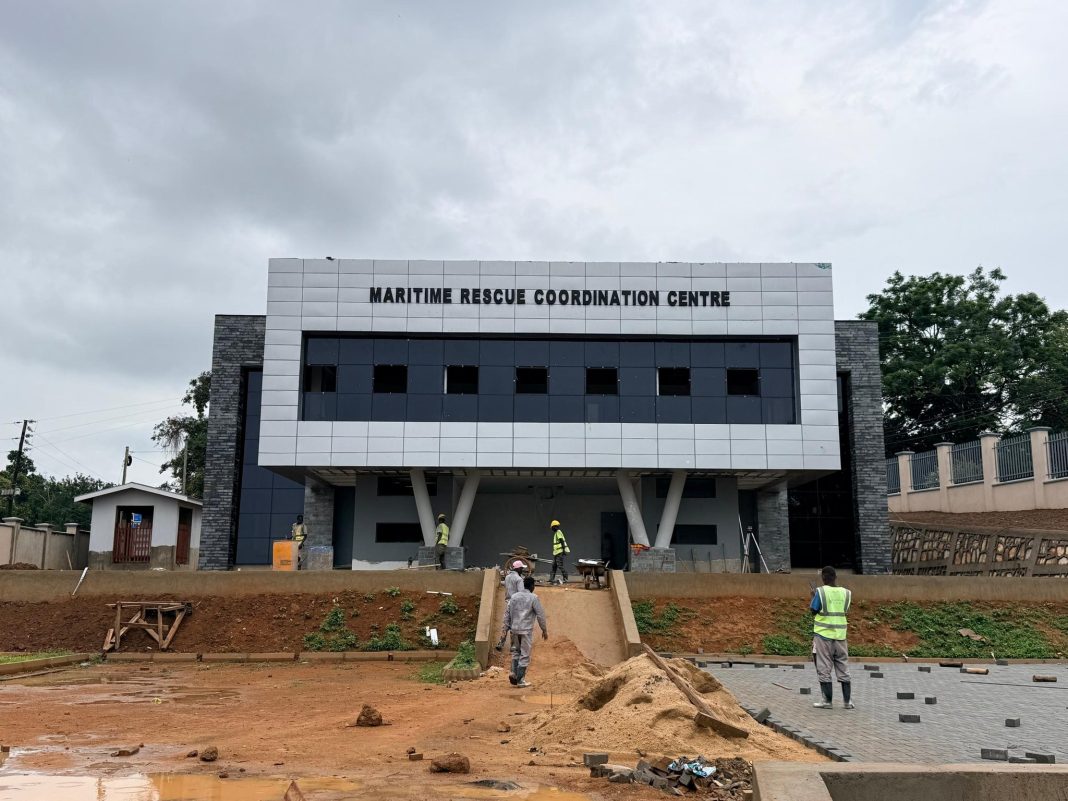
Uganda has boosted its maritime safety capacity with the full rollout of a multi-billion regional initiative that has established a coordinated rescue and communication system across its waters. The facility is aimed at reducing accidents and fatalities on inland water bodies.
The project, known as the Multinational Lake Victoria Maritime Communications and Transport Project, has over the past seven years quietly transformed water transport safety infrastructure, particularly on Lake Victoria, which is shared by Uganda, Kenya and Tanzania.

Under the initiative, five fully operational Search and Rescue (SAR) centres have been strategically deployed across Uganda’s waters to enable rapid response to emergencies. The facilities are equipped with modern maritime safety tools, including water ambulances, rescue boats, life jackets, firefighting vessels and weather monitoring buoys.
The Ministry of Works and Transport says the centres also include community jetties and a dedicated training facility aimed at professionalising water transport operations and improving coordination among rescue teams.
This investment is part of the ministry’s commitment to a ‘Zero Incidents’ approach, ensuring safety on our waterways through prevention, preparedness and rapid response.

At the core of the system are Maritime Rescue Coordination Centres (MRCCs), which serve as command hubs for distress response. These centres are designed to ensure that every emergency call is handled swiftly and efficiently through a centralized communication framework. Authorities have also introduced a toll-free emergency line 110 to provide круглосуточ access to rescue services.
The project is jointly funded by the Government of Uganda and the African Development Bank, reflecting a broader regional effort to improve maritime safety standards on Lake Victoria, one of the world’s busiest inland waterways.
According to regional transport data, Lake Victoria has historically recorded hundreds of water-related accidents annually, often attributed to overloading, poor vessel conditions, lack of safety gear and weak enforcement of regulations. The introduction of structured SAR systems and coordinated communication centres is expected to significantly reduce such incidents.
The initiative also aligns with East African Community strategies aimed at enhancing trade and mobility across the lake, which serves as a critical transport corridor for goods and passengers.
The integration of modern rescue infrastructure, trained personnel and real-time communication systems positions Uganda to better manage maritime risks while supporting economic activity dependent on water transport.
As the system becomes fully operational, the water users are urged to adhere to safety guidelines and make use of the emergency hotline to ensure timely intervention in distress situations.