The government has secured $540 million (Shs2.1 trillion) in financing from the World Bank to support a nationwide urban transformation programme aimed at improving infrastructure, boosting jobs and enhancing living conditions in rapidly growing towns and cities.
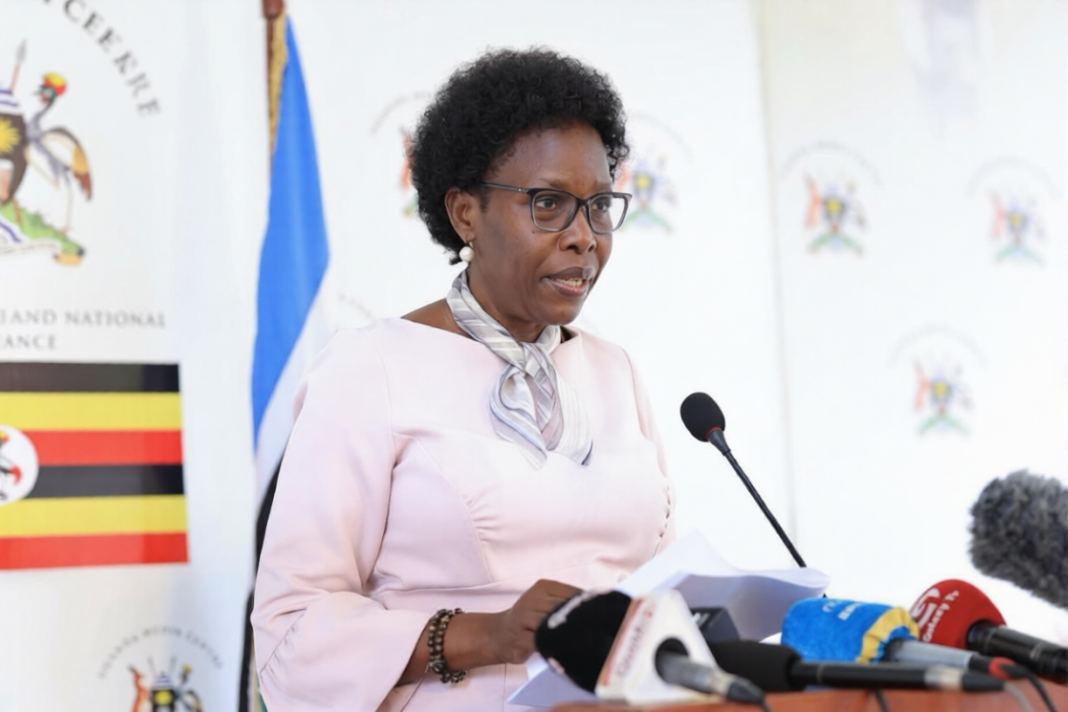
Lands, Housing and Urban Development Minister Judith Nabakooba announced the development while addressing journalists at the Uganda Media Centre, noting that the funding includes an $80 million grant component.

“The Government of Uganda has secured $540 million from the World Bank to finance the Uganda Cities and Municipalities Infrastructure Development Programme,” she said. “This funding will support critical investments in urban infrastructure and services over a six-year period.”
The Uganda Cities and Municipalities Infrastructure Development (UCMID) Programme will run from 2026 to 2031 and will be implemented across 10 cities, 26 municipalities, and 13 refugee-hosting districts. It is expected to directly benefit about 5.6 million people, including 1.6 million in refugee-hosting communities.
According to Nabakooba, the programme is designed to tackle persistent urban challenges that have slowed development in many areas.

“This programme is structured to address key urban issues such as inadequate road infrastructure, flooding, poor solid waste management, and limited employment opportunities,” she said.
She added that the initiative will deliver improved urban roads, better drainage systems, enhanced waste management, and more organized urban spaces to support economic growth.
“We expect this programme to significantly improve mobility, reduce flooding, and create cleaner, more productive urban environments,” Nabakooba explained.
The minister further revealed that the programme is projected to create about 20,000 permanent jobs, including 5,000 specifically for refugees and host communities, while also supporting small businesses and raising household incomes.
“It will particularly benefit the youth and women through increased economic opportunities and improved livelihoods,” she noted.
Providing context on the urgency of the intervention, Nabakooba highlighted the rapid pace of urbanisation in Uganda.
“Currently, 27 percent of Uganda’s population lives in urban areas, and this is growing at a rate of 5.2 percent annually. Urban centres are projected to contribute up to 70 percent of the country’s GDP, which underscores the need for strategic investment,” she said.
She emphasized that the programme will also help ease pressure on Kampala by promoting economic activity in regional cities.
“This initiative will support the decongestion of Kampala by creating opportunities in other urban centres, while also strengthening institutional capacity for urban planning and management,” she said.
On the next steps, Nabakooba indicated that government will finalize legal agreements with the World Bank, conduct stakeholder sensitisation, and begin procurement processes for the planned infrastructure projects.
She called on local governments to strictly adhere to environmental and social safeguards to ensure the smooth and sustainable implementation of the programme.
“We urge all implementing agencies and local governments to comply with the required safeguards to guarantee the successful rollout of this transformative programme,” she said.