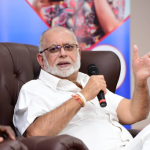
Natasha Karugire Museveni has warned the public against fake profiles circulating under her name and spreading misleading content operating a Facebook account in her name.
The clarification follows the circulation of screenshots attributed to a Facebook account impersonating her, which contained a mix of personal messages, fabricated lifestyle details, and opinions on public issues.

Among the fake posts were emotionally written messages portraying her as a “source of inspiration” and expressing exaggerated personal admiration, alongside claims describing her private lifestyle, including statements that she does not drink alcohol, does not consume soda, does not smoke, does not use drugs, has no tattoos, and donates blood. Other sections of the posts also included commentary on environmental governance and the management of wetland areas, presenting policy-style opinions as though they were her official views.
The posts were widely shared before being flagged as inauthentic, prompting confusion among social media users who believed they were genuine statements.
Natasha has firmly dismissed the content as fabricated and part of ongoing impersonation attempts targeting her identity online.

“Once again, I do not have a Facebook account! I am not on Facebook! I have reported these fake accounts scamming people to the authorities,” she stated.
She further emphasized that she only communicates through verified platforms and urged the public to disregard any Facebook pages claiming to represent her.
“I am on X @Nyinancweende, Instagram @natasha_museveni_karugire, and TikTok @natashakarugire83,” she clarified.
The circulating fake content also included a second post framed as a policy reflection, calling for a “comprehensive and compassionate strategy” in addressing communities affected by wetland protection and relocation issues. It argued that environmental enforcement should balance conservation with the social and economic impact on families, businesses, and livelihoods.
Natasha has dismissed all such statements as false, saying they do not reflect her views in any form.
She noted that scammers repeatedly create impersonation accounts to exploit public trust, mislead users, and spread fabricated narratives using her name and image.
This is not the first time public figures in Uganda have been targeted by such schemes, with social media impersonation becoming increasingly common, particularly on platforms where account verification remains limited.
Authorities will continue tracking and taking action against fake accounts involved in identity fraud and online misinformation as concerns over digital safety grow.