When World Tourism Day comes around in September 2026, Uganda plans to put something new on the table: how artificial intelligence and digital tools are starting to reshape the way people plan, book and experience holidays in Africa. The event will look at how technology is changing destination marketing, visitor services and trip planning across the continent, and Uganda wants to be part of that conversation right from the start.
This matters right now because travellers have changed. People no longer want to dig through ten different websites to plan a trip. They want quick answers, personal recommendations and services that just work together smoothly.

At the same time, Uganda is up against strong regional rivals, Kenya, Tanzania, Botswana and Namibia, all of whom already have well-known safari brands. So showing that Uganda can be smart and tech-forward, not just wild and beautiful, is part of how the country hopes to stand out.
Why Uganda Is Betting on Digital Tourism
The bigger tourism world is already moving this way. Destinations everywhere are using smart technology to give travellers more personal journeys, faster information, and a better overall experience from the moment they start dreaming about a trip to the moment they land back home.

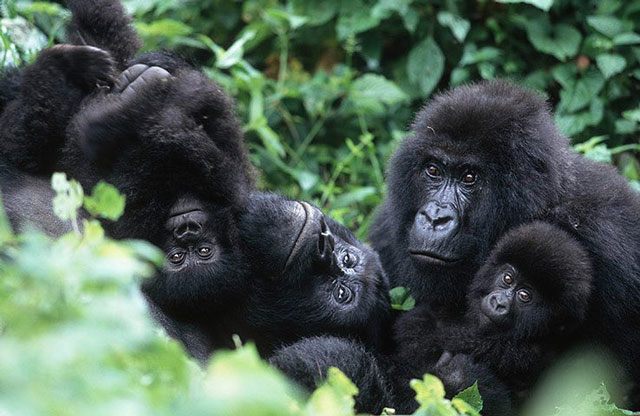
For Uganda, known as the Land Gifted by Nature, the idea is to pair its natural attractions, gorillas, chimpanzees, rivers, lakes and culture, with modern tools that make all of that easier to discover and book.
The identity of Uganda’s tourism rests on a few strong pillars;
• Mountain gorilla trekking
• Wildlife safaris
• Adventure tourism
• Cultural tourism
• Nature-based travel
• Tourism tied to the Nile River
The plan is for AI to support all of these through things like personalized safari suggestions, digital travel assistants, smarter itinerary building, real-time translation, and better communication between tourists and service providers. It’s also connected to the broader interest in building up its digital infrastructure and using AI responsibly as a country, not just within Uganda tourism.
What Smarter Technology Could Actually Look Like on a Safari?
Picture the traveller’s journey in three stages: before the trip, during the trip, and after it.
Before travelling, AI tools could help someone figure out which park suits them best, compare different route and lodge options, understand when wildlife is easiest to see, put together a personal itinerary, and get live updates on the destination instead of outdated blog posts.
While on safari, digital tools could help with things like tracking where certain animals have recently been seen, getting around inside the park more easily, learning about conservation as you go, and staying informed about safety.
After the trip, travellers could use AI-powered platforms to share their Uganda experience and get suggestions for where to go next in Africa.
If this works the way Uganda hopes, it creates a tighter, easier connection between the country’s wildlife and the millions of travellers around the world who might want to see it.
Big Attractions, Now Looking for a Digital Edge
Uganda already stands out in East Africa because of how much variety it packs in, wildlife, landscapes, rivers and culture, all within a fairly compact country. Its best-known sites include:
• Bwindi Impenetrable National Park
• Mgahinga Gorilla National Park
• Queen Elizabeth National Park
• Murchison Falls National Park
• The Source of the Nile
Of all activities, gorilla trekking remains the country’s flagship experience, but adventure travel, luxury stays and sustainable tourism are all growing too. What digital tools could add is a way to fix some long-standing challenges: getting Uganda more visible internationally, making trip planning simpler, reaching younger travellers who plan everything from their phones, supporting small tourism businesses, and generally improving the visitor experience from start to finish. In short, this isn’t only a technology story, it’s really about making Uganda easier to choose and easier to visit.
Uganda isn’t moving into this space alone or unopposed. Its neighbors already have strong, well-established safari brands of their own.
Kenya remains one of the most recognised safari destinations anywhere, built around places like the Maasai Mara, Amboseli and Tsavo. Nairobi also works in Kenya’s favor as a major aviation hub, with carriers such as Kenya Airways, Ethiopian Airlines and Qatar Airways feeding travellers into the region.
Tanzania carries weight through sheer scale and reputation, the Serengeti, Kilimanjaro, Zanzibar and the Ngorongoro Conservation Area all pull in travellers looking for classic, iconic safari experiences. Better use of technology could help Tanzania sharpen its visitor services without losing that traditional appeal.
Botswana has built its name around high-end, low-impact safari tourism, centred on the Okavango Delta, Chobe National Park and a strong network of exclusive lodges. For a market like that, AI could be most useful in personalizing already-premium experiences.
Namibia draws travellers through dramatic desert landscapes and strong conservation credentials, anchored by Etosha National Park. Its appeal leans heavily on adventure and untouched scenery, which makes it a distinct kind of competitor.
Across all five of these countries, one theme keeps repeating: travellers want authentic experiences, but they also want speed, ease and a sense that a destination understands what they’re looking for. AI can help tourism boards and operators by studying visitor preferences, tracking seasonal demand, spotting travel patterns and even supporting conservation planning. For Uganda, Kenya, Tanzania, Botswana and Namibia alike, this kind of insight could become just as important as the wildlife itself in deciding who wins a traveller’s attention.
Few Practical Tips before Booking an African Safari
Whatever role AI ends up playing, some basic homework never goes out of style. Travellers heading to Uganda or its neighborsshould still:
• Check which season is best for the wildlife they want to see
• Sort out visa requirements early
• Compare flight routes and connection times
• Book through licensed, reputable safari operators
• Look into health and safety guidance for the region
• Rely on official tourism sources for the latest information
• Book accommodation early, especially during peak season
AI can make the planning process smoother, but it still helps to double-check the essentials through trusted, official channels.
Furthermore, Uganda’s push toward AI-driven tourism is really a sign of where African travel is heading as a whole. Wildlife and landscapes will always be the heart of the experience, but how well a country uses technology to connect travellers with that experience may increasingly decide who comes out ahead. By bringing this conversation to World Tourism Day 2026, Uganda is signalling that its safari story is entering a more connected, more digital chapter, without losing sight of what made people fall in love with it in the first place.