Brig Gen Henry Isoke, the Head of the State House Anti-Corruption Unit, has called for integrity and anti-corruption training to become a mandatory requirement for all public servants before they assume office in a bid to strengthen accountability and help curb corruption across government institutions.
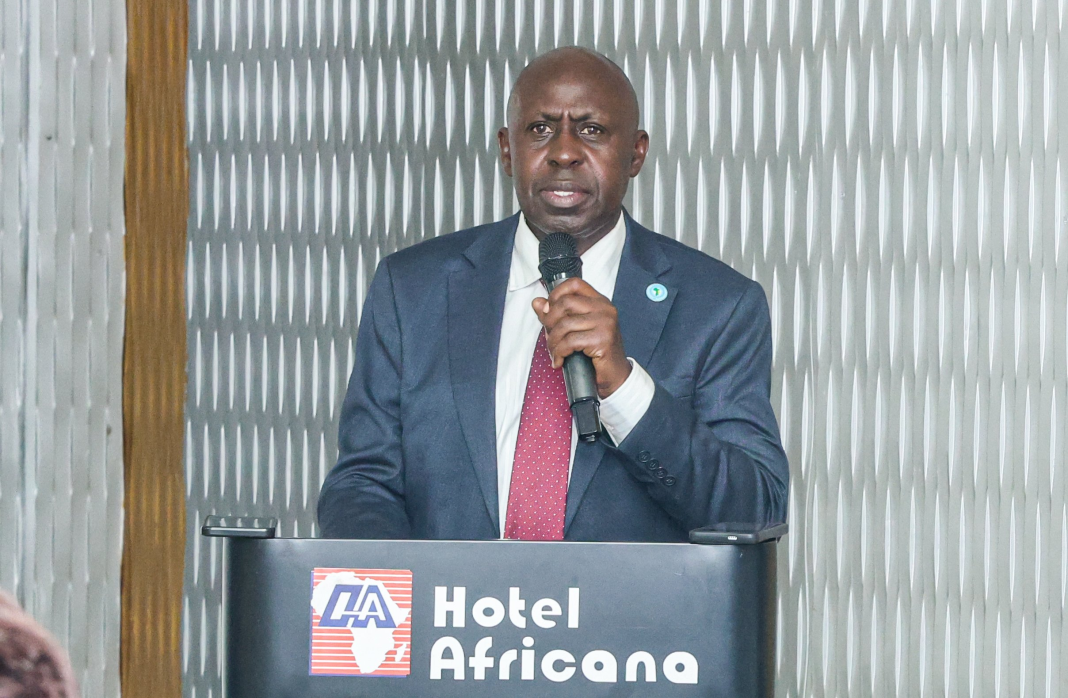
Isoke made the remarks on Wednesday while delivering the keynote address at the Anti-Corruption Trainees Certification Ceremony held at Hotel Africana in Kampala. The event, organised by the Anti-Corruption Coalition Uganda (ACCU), recognised citizens who completed training aimed at promoting integrity, transparency, accountability and responsible citizenship.

Addressing the graduates, Brig Gen Isoke congratulated ACCU for organising the programme and applauded the participants for voluntarily joining Uganda’s campaign against corruption.
“This ceremony is not just about awarding certificates. It is a celebration of citizens who have committed themselves to integrity, accountability and ethical leadership,” Isoke said.
He warned that corruption remains one of the biggest obstacles to Uganda’s social and economic transformation, saying it diverts public resources from critical services, weakens institutions and deprives citizens of development opportunities.

“Corruption continues to undermine Uganda’s socio economic transformation by diverting resources from essential public services, weakening institutions and denying citizens development opportunities,” he said.
The State House Anti-Corruption Unit chief urged the newly certified trainees to reject corruption in all its forms and become ambassadors of integrity within their communities by applying the knowledge and skills they had acquired during the training.
In a major policy proposal, Isoke revealed that following discussions with ACCU Executive Director Marlon Agaba, he intends to advocate for anti-corruption and integrity training to become compulsory for all public servants before taking office.
He said such a requirement would help build a more accountable public service by ensuring government officials understand their ethical obligations before assuming their responsibilities.
“The true value of these certificates will be reflected in the integrity you demonstrate every day. See something, say something because corruption thrives when good people remain silent,” Isoke told the graduates.
He also called for stronger collaboration between government institutions, civil society organisations, development partners and citizens, stressing that the fight against corruption requires collective action rather than isolated efforts.
Uganda has in recent years intensified efforts to combat corruption through institutions such as the State House Anti-Corruption Unit, the Inspectorate of Government, and the Office of the Director of Public Prosecutions, the Criminal Investigations Directorate and the Anti-Corruption Court. The government has repeatedly emphasised that tackling corruption is critical to improving service delivery, protecting public resources and achieving the country’s development goals under Vision 2040 and the Fourth National Development Plan.
Speaking at the same event, ACCU Executive Director Marlon Agaba congratulated the participants upon completing the programme and commended the work of accountability institutions that continue to lead the country’s anti-corruption campaign.
“This training programme was designed to equip citizens, especially young people, with the knowledge and practical skills to fulfil their constitutional duty of combating corruption,” Agaba said.
He encouraged the graduates to apply the skills acquired responsibly and within the law while supporting national efforts to promote transparency and accountability.
The ceremony was also attended by the Special Presidential Assistant on Anti-Corruption, Rebecca Atwine, alongside officials from government accountability institutions, civil society organisations and other stakeholders committed to strengthening the country’s fight against corruption.