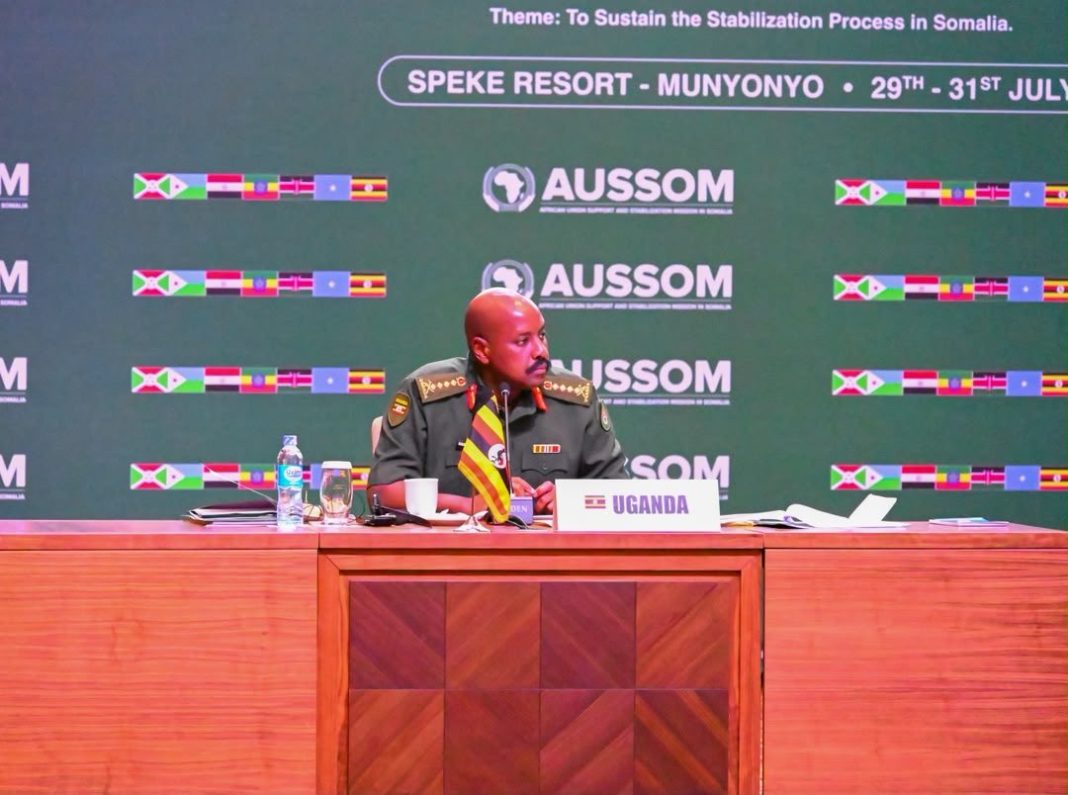
Uganda’s Chief of Defence Forces (CDF), Gen. Muhoozi Kainerugaba has urged African Union Support and Stabilisation Mission in Somalia (AUSSOM) troop contributing countries to develop alternative support arrangements as the United Nations prepares to end the operations of the United Nations Support Office in Somalia (UNSOS) by December this year.
Gen. Kainerugaba made the remarks on Wednesday while opening the 2nd Extraordinary Summit of AUSSOM Troop Contributing Countries held at Speke Resort Munyonyo in Kampala, where military leaders and representatives from countries participating in the Somalia mission gathered to discuss the future of the operation.

The meeting comes at a time when AUSSOM is facing growing pressure to secure sustainable financing and logistical support as international backing for the mission undergoes changes.
“Troop contributing countries must urgently develop alternative support arrangements to sustain operations in Somalia,” Gen. Kainerugaba said.
He also noted that the changing support environment requires coordinated action among countries involved in the mission.

The CDF said the transition away from UNSOS support presents a major challenge for the mission, which relies on logistical assistance to maintain troop deployments, mobility, supplies and other operational requirements.
“The future of our mission, and the sacrifice and progress we have all made together in Somalia, depend on the quality of the decisions we make at moments like this,” he said.
AUSSOM, which replaced the African Union Transition Mission in Somalia (ATMIS) in January 2025, is mandated to support Somalia’s security institutions as they gradually assume greater responsibility for maintaining peace and combating threats posed by extremist groups, particularly Al-Shabaab.
The mission is part of the African Union’s long-term engagement in Somalia, which began with the establishment of the African Union Mission in Somalia (AMISOM) in 2007. Over the years, AU forces have supported the Somali government in protecting key installations, training security forces, reopening transport routes and reclaiming territory from armed groups.
Uganda has been one of the largest contributors to the African Union mission in Somalia since its deployment under AMISOM. Ugandan troops have participated in several operations aimed at weakening Al-Shabaab and strengthening Somalia’s national security structures.
During the summit in Kampala, Gen. Kainerugaba said troop contributing countries must ensure that the gains made over nearly two decades of African Union engagement in Somalia are protected.
He said continued cooperation among African countries would be critical in addressing emerging challenges, including financing, equipment, troop welfare and operational readiness.
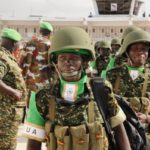
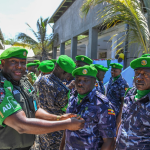
AUSSOM operates with troops from several African countries, including Uganda, Kenya, Burundi, Djibouti and Ethiopia, working alongside Somali security forces to support the country’s stabilisation efforts.
The mission’s responsibilities include supporting counterterrorism operations, helping Somali forces expand their authority, protecting strategic areas and supporting efforts to build a sustainable national security system.
The planned conclusion of UNSOS support has increased discussions among African Union member states and international partners on how future peace operations on the continent can be financed and sustained.
UNSOS has provided essential logistical support to AU-led operations in Somalia, including transportation, medical support, engineering services and supplies required for troops deployed in the field.
The Kampala summit is expected to provide a platform for troop contributing countries to review the security situation in Somalia, assess operational needs and agree on measures to strengthen AUSSOM as it enters a new phase.
The meeting will also prepare recommendations for consideration by leaders of troop contributing countries on the future direction of the mission and the sustainability of African-led peace operations.
For Somalia, the success of AUSSOM remains closely linked to the ability of national security forces to take full responsibility for defending the country while maintaining international and regional support during the transition period.