The Ministry of Health has issued new guidance to schools across Uganda on preventing and managing malaria among learners, warning that school aged children remain among the groups increasingly affected by the disease.
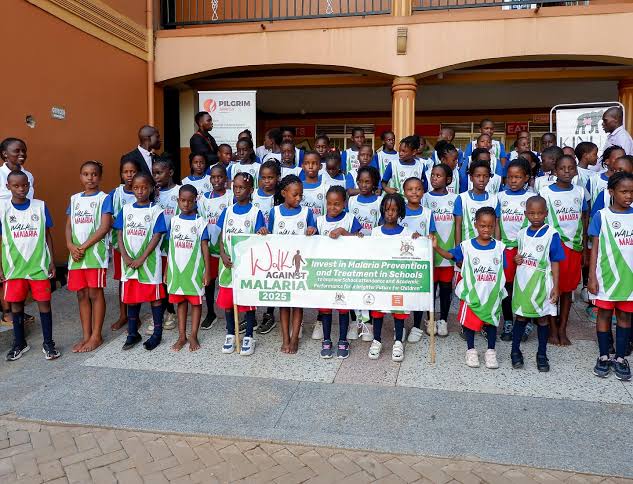
The guidance, issued under the “CHASE MALARIA: Creating Malaria Free Schools” campaign, highlights the importance of prevention measures, early testing and immediate treatment to reduce malaria related illnesses, absenteeism and deaths in schools.

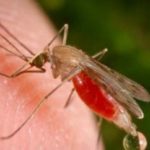
Malaria remains one of Uganda’s leading health challenges and is caused by a parasite known as Plasmodium, transmitted through the bite of infected female Anopheles mosquitoes.
“Malaria is a febrile illness caused by a parasite, plasmodium. It is the most common cause of illness and kills about 16 people every day. Malaria can be prevented, it is treatable and curable,” the Ministry stated.
The Ministry noted that common malaria symptoms include fever, chills, headaches, weakness, body pains, dizziness, vomiting, diarrhoea, joint pains and loss of appetite.

According to the guidance, although everyone in Uganda is at risk of malaria, children below five years, pregnant women, people with weakened immunity, individuals living with sickle cell disease and travellers from areas with little or no malaria transmission remain the most vulnerable.
However, the Ministry warned that recent trends show school aged children between five and 19 years are increasingly becoming a high risk group.
“Malaria among learners can lead to school absenteeism, school dropouts and poor academic performance. Severe malaria can cause complications such as brain damage and can lead to death if not treated early,” the guidance stated.
To reduce malaria infections in schools, the Ministry has called on administrators to strengthen preventive measures, including regular environmental cleaning, indoor spraying and proper use of insecticide treated nets.
“Dormitories, classrooms, libraries, dining rooms and staff houses should be sprayed with recommended chemicals ahead of each school term,” the Ministry advised.
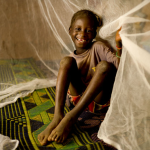
Schools have also been urged to ensure that learners sleep under insecticide treated nets every night and keep school compounds free from mosquito breeding areas such as stagnant water, broken containers, empty tyres, bushes and plastic waste.
The guidance further encourages schools to plant mosquito repellent plants, install screens on windows, doors and ventilators, and ensure doors and windows are closed by 6:00pm to reduce mosquito entry into sleeping areas.
Learners have also been advised to wear long clothing, especially in the evening hours, and apply mosquito repellents on exposed body parts.
“Learners travelling from low malaria burden areas to high burden areas for sports events, holidays or school trips should be given malaria prophylaxis,” the Ministry said.
The Ministry emphasized that early diagnosis and treatment are critical in preventing severe disease, urging schools to avoid self medication and ensure all suspected cases are tested before treatment.
“If correct treatment is not started immediately, the illness can quickly progress to severe malaria which is life threatening and can even lead to death,” the guidance warned.
The Ministry directed schools to ensure learners showing malaria symptoms receive diagnostic tests through school sickbays or nearby health facilities using Rapid Diagnostic Tests or microscopy.
“All learners with confirmed malaria should receive the recommended treatment within two hours of diagnosis. The school nurse may treat mild cases, but learners with signs of severe disease must be referred,” the statement added.
Schools have also been advised to ensure full completion of malaria medication doses under supervision by nurses or caregivers and to immediately refer severe cases to health facilities.
The Ministry identified danger signs of severe malaria to include altered consciousness, confusion, extreme weakness, excessive vomiting, inability to eat or drink, reduced urine output, difficulty breathing, convulsions, bleeding, very high temperature, yellow eyes or body, and pale palms or tongue.
“These signs show that malaria has started affecting vital organs and tissues including the kidney, brain, heart, lungs, liver and blood cells. Without emergency care, a patient can quickly deteriorate and die,” the Ministry warned.
For emergencies, schools can access ambulance services through the Ministry of Health Emergency Medical Services toll free line 912 or through nearby health facilities.
The Ministry also reminded schools, parents and caregivers to avoid sharing medicines, failing to complete treatment or giving malaria drugs without testing.
On malaria vaccination, the Ministry confirmed that the malaria vaccine is now part of Uganda’s routine immunisation schedule and is administered to children aged between six and 18 months.
Children receive four doses for full protection at six, seven, eight and 18 months of age.
The Ministry said strengthening malaria prevention and treatment in schools remains key to protecting learners and improving education outcomes across the country.