Fishers across Uganda have until September 15, 2026 to obtain species specific fishing licences before government begins removing unlicensed boats from the country’s water bodies under new fisheries regulations aimed at rebuilding fish stocks, curbing illegal fishing and safeguarding one of the country’s most valuable economic sectors.
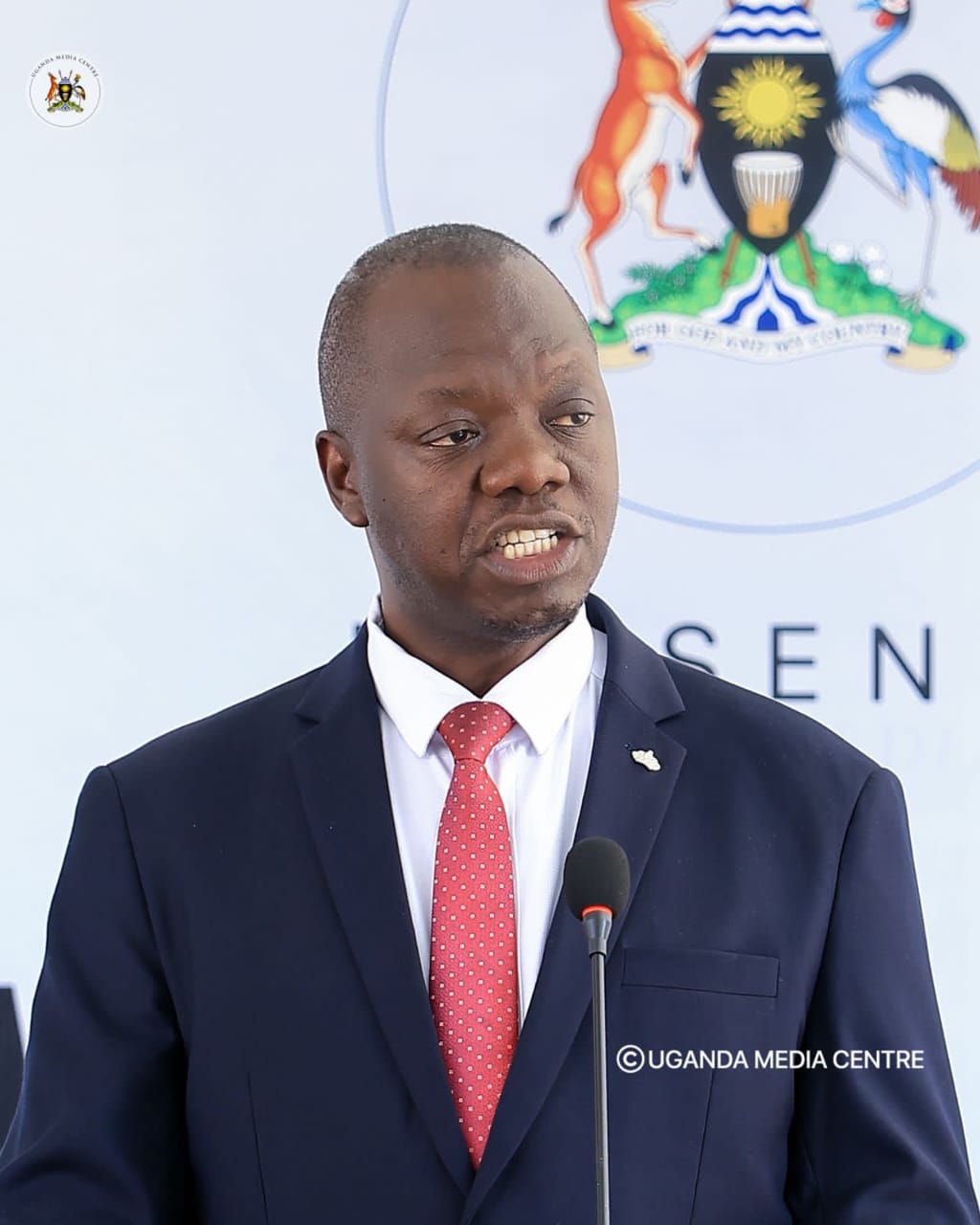
The directive was announced by the Minister of State for Fisheries, Robert Migade Ndugwa, during a statement at the Uganda Media Centre in Kampala, where he unveiled a comprehensive package of regulations and implementation guidelines developed under the Fisheries and Aquaculture Act.

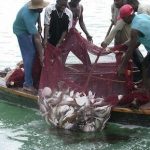
Uganda’s fisheries sector remains a critical pillar of the economy, supporting millions of livelihoods through fishing, processing, transport and trade while contributing significantly to export earnings. About 18 percent of the country’s surface area, equivalent to 43,479 square kilometres, is covered by freshwater and wetlands, providing habitats for commercially important species such as Nile Perch, Nile Tilapia, Silverfish, Catfish, Lungfish and Tiger Fish.
The minister said Uganda currently produces about 750,000 metric tonnes of fish annually, with aquaculture contributing around 165,000 metric tonnes, but government is targeting 1.7 million metric tonnes of production, including one million metric tonnes from fish farming.
“The purpose of this brief is to inform the country of the finalisation of the development of the regulations and their accompanying guidelines that will complement the measures being taken by government to promote the sustainable exploitation and utilisation of the fisheries resources of this country,” Ndugwa said.

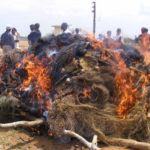
He said the new legal framework was developed to address mounting challenges that have weakened the sector, including declining fish stocks, excessive fishing pressure, widespread use of illegal monofilament nets, unlicensed boats, harvesting in breeding grounds and the continued use of prohibited fishing methods.
The minister noted that these challenges have reduced fish available for processing factories, lowered foreign exchange earnings and left inadequate supplies for domestic consumption.
“All these are causing low production and productivity of the fish that we require. This means our fish processing plants cannot receive the required number of fish for processing, the foreign exchange earnings are also reduced and fish available for human consumption in the country is inadequate,” he said.
At the centre of the reforms are the Fish Fishing Capacity Management Regulations, 2026, which set limits on the number of boats permitted on each water body, prescribe allowable boat sizes and specify the legal fishing gear for different fish species.
Under the regulations, Silverfish will only be harvested using scoop nets and lift nets during the dark phase of the moon at least two kilometres from the shoreline, while fishing will be restricted to designated landing sites.
The regulations also prescribe minimum harvest sizes for different fish species and are intended to reduce excessive fishing effort while allowing depleted stocks to recover.
Government has also introduced the Closed Fishing Regulations, 2026, which will allow authorities to temporarily suspend fishing activities in specific water bodies or areas based on scientific research to protect breeding seasons and restore fish populations.
Other regulations include the Protection of Fish Breeding Areas Regulations, which will see breeding and nursery grounds demarcated and protected from fishing activities.
The Quality Assurance Regulations will strengthen standards for fish safety and fish products intended for human consumption, while the Aquaculture Regulations provide a framework for managing fish farming activities across the country.
Recognising the growing value of fish maws in international markets, government has also introduced dedicated Fish Maw Regulations to control their harvesting and trade.
The reforms further establish Fish Co Management Regulations, which will guide the formation and operation of landing site committees to ensure only qualified members participate in fisheries management.
In addition, the Fish Stocking and Restocking Regulations will provide guidelines for replenishing fish populations in natural water bodies.
The ministry will also establish a Monitoring, Control and Surveillance Unit to strengthen fisheries enforcement, inspections and compliance across the country.
Beyond enforcement, government plans to improve post harvest handling, fish processing, marketing, value addition and develop species specific management plans for Uganda’s major fish varieties.
Ndugwa urged communities, local governments, civil society organisations and the private sector to support implementation of the new measures.
“Given the importance of the sector and the potential that the Almighty God gave Uganda to produce fish, I request that we follow these regulations so that the number of fish in our water bodies can increase,” he said.
The minister warned that fishers have less than a month to regularise their operations before enforcement begins against unlicensed vessels.
“I call upon all fishers to apply for licences before the 15th of September 2026 because after that date, enforcement to reduce fishing capacity through the removal of boats that are not licensed will start,” he said.
He explained that the new licensing system will be species specific, meaning a licence issued for Nile Perch cannot be used for Nile Tilapia or any other fishing activity, with each licence remaining independent and non transferable.
Government will also distribute detailed implementation guidelines to help stakeholders comply with the new regulations.
Ndugwa warned that enforcement operations would extend beyond licensing to illegal fish markets and prohibited fishing equipment.
“There will be enhanced enforcement on immature fish markets, importers and distributors of illegal fishing gear,” he said.