The government has called for stronger partnerships with the private sector, financial institutions and other stakeholders to address Uganda’s housing shortage and increase access to adequate and affordable homes.
The call was made by the Minister of State for Housing, Princess Persis Namuganza, ahead of the commemoration of World Habitat Day and the National Housing Dialogue scheduled for Monday, October 5, 2026, at Hotel Africana in Kampala.

Uganda will join other countries to commemorate World Habitat Day under the theme “Adequate Housing for All”, with the national event expected to bring together government officials, property developers, real estate investors, financiers, regulators, academics, contractors, cultural leaders and development partners.
Namuganza said the theme highlights the need for concerted action across the entire housing value chain to ensure that Ugandans can access decent, affordable and secure housing.
“Government cannot close Uganda’s housing gap alone. We need a new and stronger housing partnership. The private sector must increase investment in affordable housing and bring innovative and cost-effective solutions to the market,” Namuganza said.

She said financial institutions also have a key role to play by developing housing finance products that respond to the realities of Ugandan households, including people earning informal and irregular incomes.
“Affordable housing will remain out of reach for many families unless we also make housing finance affordable and accessible,” she said.
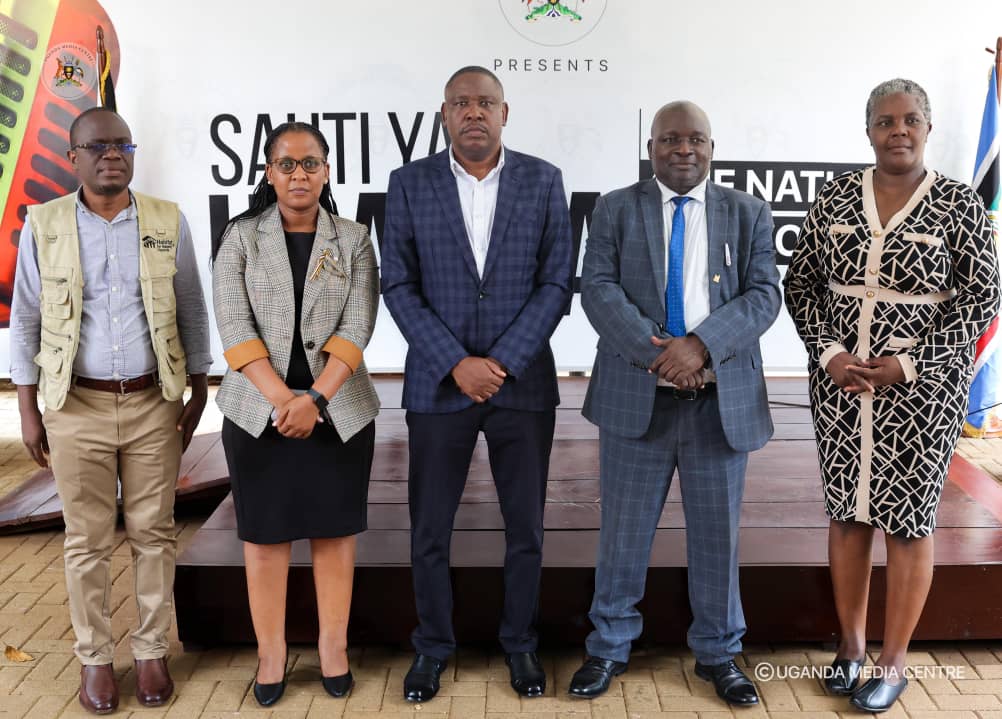
The National Housing Dialogue is being organised by the Ministry of Lands, Housing and Urban Development in partnership with Habitat for Humanity Uganda and other stakeholders.
According to Namuganza, the dialogue will provide a platform for stakeholders to examine practical solutions to Uganda’s housing challenges and share innovations that can make housing more accessible and affordable.
The minister said development partners could contribute through catalytic financing, policy innovation, climate-resilient approaches, research and capacity development, while local governments should strengthen physical planning, land management and enforcement of development standards.
“Universities, professional bodies and research institutions must contribute new technologies, locally appropriate materials, research and skills,” she said.
Namuganza also called for greater involvement of communities and civil society organisations in housing policy and development, particularly in addressing the needs of vulnerable populations.
“Civil society organisations have an important role in ensuring that the voices of vulnerable communities remain central to housing policy and practice. Communities themselves must be recognised, not simply as beneficiaries, but as partners in designing and implementing housing solutions,” she said.
The minister said the National Housing Dialogue would also provide an opportunity to showcase innovative approaches to accessible, inclusive and affordable housing, while addressing issues affecting women and young people in the housing sector.
She said the meeting would further allow stakeholders to share best practices and establish partnerships between government and the private sector to develop appropriate designs and technologies for addressing the housing shortage.
Namuganza said Uganda’s housing challenges cannot be separated from wider urban challenges, particularly the growing pressure on basic services, climate change and the expansion of informal settlements.
“As a country, we are facing an urban crisis, especially as far as adequate housing, essential basic services and climate challenges that greatly impact our urban poor populations, mostly those within informal settlements,” she said.
She said the World Habitat Day discussions would therefore focus on strengthening existing approaches to crisis management, promoting resilience and supporting sustainable housing and urban development.
The minister said the dialogue would also examine how crises, including inadequate housing, climate change and conflicts, affect cities and deepen inequalities among vulnerable communities.
World Habitat Day is observed globally on the first Monday of October following a United Nations General Assembly resolution adopted on December 17, 1985. The day provides an opportunity for countries and stakeholders to reflect on the state of human settlements and the right to adequate shelter.
Namuganza urged local governments, private sector players, community-based organisations and individuals to use the occasion to identify and address obstacles affecting the delivery of affordable housing across Uganda.
She also called on stakeholders and the public to review existing housing delivery systems and develop better approaches for the coming housing year.