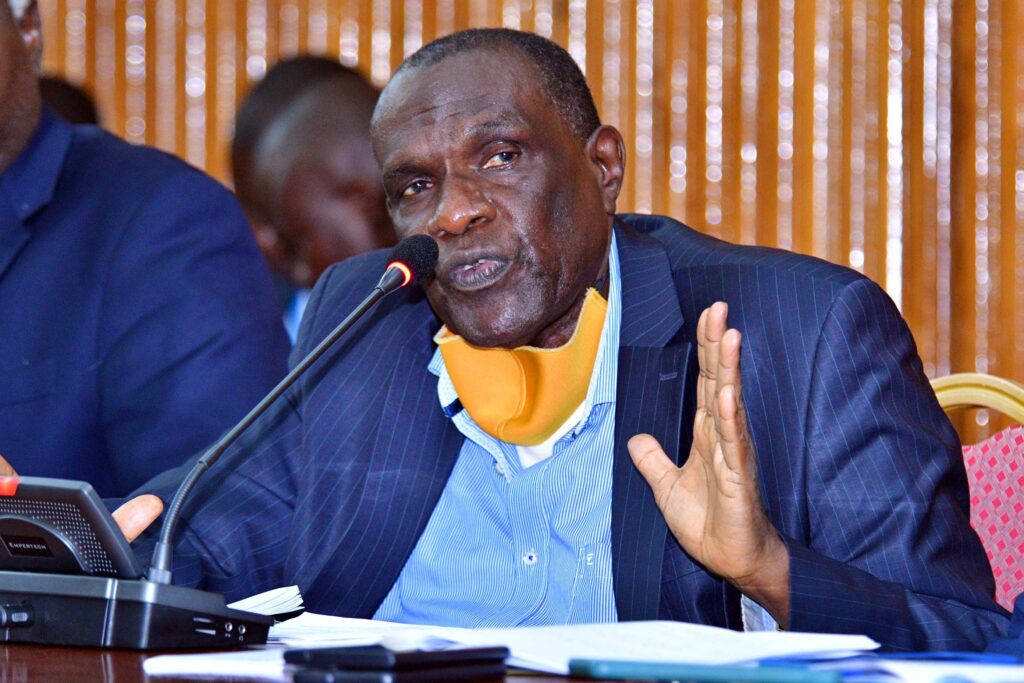
Parliament has sent the Permanent Secretary in the Office of the President, Hajji Yunus Kakande, to the Criminal Investigations Directorate (CID) to record a statement following his appearance before the Committee on Physical Infrastructure over the controversial digital number plate project.
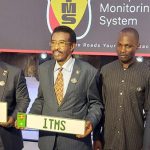
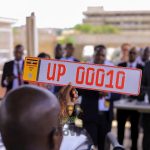
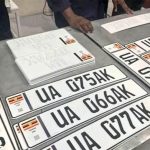
Kakande’s appearance before the committee comes as MPs investigate the cost, financing, procurement and implementation of the Intelligent Transport Management System (ITMS), a project that President Yoweri Museveni described as a critical security intervention when he directed its implementation in 2022.

The committee, chaired by Mwine Mpaka, has been questioning officials involved in the project as MPs seek to establish how the system was conceived, how the financial model was approved, and how the current cost of the digital number plates was arrived at.
Museveni’s July 26, 2022 letter to the then Minister of Security, Maj Gen Jim Muhwezi, provides an important account of how the project originated.
The President said the idea followed his June 20, 2018 address to Parliament at a time when the country’s security situation had deteriorated, with digital monitoring of vehicles and motorcycles identified as one of the measures to strengthen security.

“Since my address to Parliament on the 20th June 2018, when the security situation in the country appeared to be deteriorating, one of the solutions we came up with was the digital monitoring of all vehicles and piki-pikis,” Museveni wrote.
According to Museveni, a Russian company had offered to implement the system using its own resources and recover the investment through fees agreed with the government.
“A Russian company came up with such a solution. They are ready to implement it at their own cost and will recover their money from a fee(s) put on each platform that has been agreed with the government, represented by the Project Management Team (PMT), formulated by selected members from the different Government Agencies,” he said.
The President said the proposed system was intended to complement existing security cameras, which had already become useful in investigating crime.
Museveni specifically cited the June 2021 attack on former Works and Transport Minister Gen Edward Katumba Wamala, saying cameras had played an important role in the investigation.
“We have installed cameras which have greatly assisted the government in resolving crime, and most recently, they were very critical in the investigations involving the attack on General Katumba,”he wrote.
He argued that the ITMS would have given security agencies access to information about vehicles and motorcycles that moved around crime scenes before and after attacks.
“However, I believe if the Intelligent Transport Management System was in place, it would have greatly assisted in investigation of the travel pattern before and after and we would know all vehicles or piki-pikis near or at the scene of crime,”Museveni said.
Museveni further disclosed that the project’s financial model had already been reviewed by the Project Management Team and forwarded for approval.
“I am informed that the financial model was reviewed by the Project Management Team and forwarded for approval. I am also informed that we are getting a better system than previously specified and this has caused the project cost to increase,”he wrote.
He subsequently directed that the Russian company proceed with the project immediately, stressing that the system was intended to address a security need.
“I am, therefore, directing as follows: The Russian Company, be allowed to go ahead, with immediate effect, to implement this project at their cost. This is a critical security project and shouldn’t have any further delays,” Museveni directed.
The letter has now become relevant to the parliamentary investigation because MPs are examining not only the price of the physical number plates but also the wider structure of the project, including the security technology, financing arrangements and the government agencies that participated in its implementation.
Kakande’s referral to CID adds another layer to the investigation as Parliament seeks explanations from officials connected to the project and the decisions that shaped its implementation.
The committee has also been examining why motorists are being required to pay a high fee for the digital plates and how the charges relate to the original financing model in which the private company was expected to recover its investment through fees.
The investigation has consequently shifted beyond the question of the price of a number plate to the broader issue of how the entire ITMS project was designed and approved.
The President’s 2022 letter indicates that the project was presented to government as a security system capable of digitally monitoring vehicles and motorcycles, rather than simply a programme to replace conventional metal number plates.
This has placed officials involved in the project under pressure to explain the decisions made from the time the security proposal was introduced to the eventual implementation of the digital number plate system.
The question now is to the people and institutions that formed the Project Management Team, the financial model they approved, and the manner in which the project moved from a presidential security directive to a system that requires motorists to pay for digital number plates.