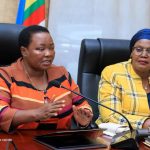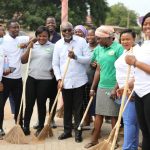
The Ministry of Gender, Labour and Social Development has directed local government leaders to intensify mobilisation of communities, particularly women, youth and other vulnerable groups, for the monthly National Cleaning Day exercises.
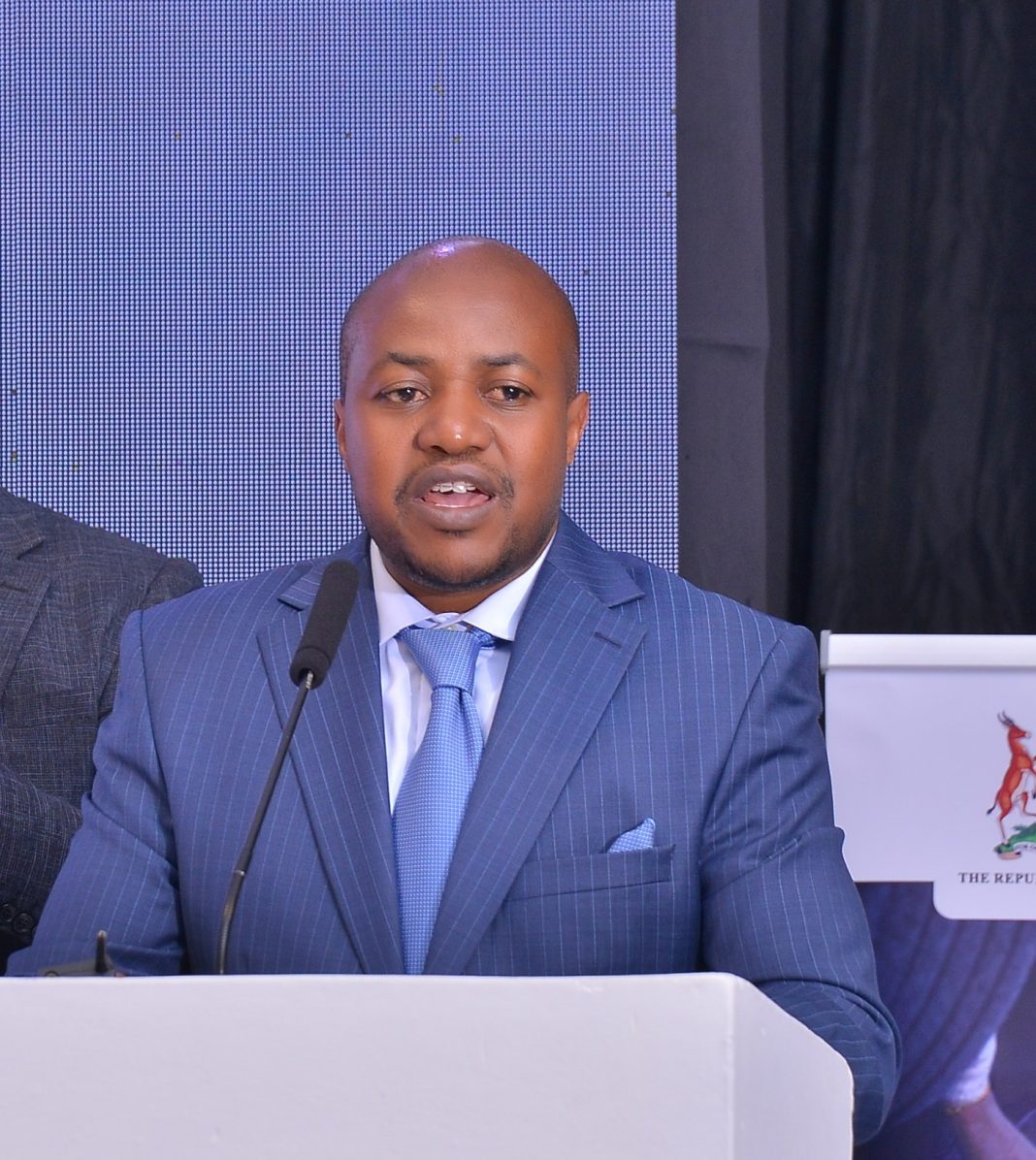
In a letter dated October 28, 2026, addressed to the Executive Director of Kampala Capital City Authority, all Chief Administrative Officers, and all Town Clerks, the Ministry’s Acting Permanent Secretary, Alex Asiimwe, congratulated local authorities on the successful initiation and sustained implementation of the initiative.

Reports from Community Development Officers across the country indicate notable improvements in environmental sanitation, public health conditions, and the overall cleanliness of towns and trading centres.
“This progress is both commendable and encouraging, demonstrating the positive impact of collective action and civic responsibility,” Asiimwe wrote. He emphasised the need to consolidate these gains and institutionalise environmental stewardship as a core national value, while fostering a culture of cleanliness, community ownership, and active citizen participation as integral elements of Uganda’s National Development Agenda.
The National Cleaning Days Initiative was approved by Cabinet through Minute No. 246 (CT 2025) of the Cabinet Meeting held in Entebbe on August 11, 2025. It was subsequently operationalised through Cabinet Circular No. 1 of 2026, dated June 30, 2026, and signed by Prime Minister Robinah Nabbanja.

The Office of the Prime Minister later issued the Implementation Guidelines for Rolling Out National Cleaning Days (NACDs) to provide the institutional framework, roles and responsibilities for nationwide implementation.
Under these Guidelines, the Ministry of Gender, Labour and Social Development is specifically mandated to mobilise communities, women, youth and other vulnerable groups to participate in cleaning activities; promote community empowerment and positive behavioural change towards environmental sanitation; integrate National Cleaning Day activities into community development programmes; and champion occupational safety and health measures to ensure the safety and well-being of participants during cleaning exercises.
Asiimwe requested local leaders to provide active participation and leadership in the initiative, supervise and support Community Development Officers within their jurisdictions, and ensure the timely submission of monthly progress reports highlighting achievements, challenges and recommendations.
The initiative is also anchored in Article 39 of the Constitution of the Republic of Uganda, which guarantees every citizen the right to a clean and healthy environment and places a corresponding duty on all Ugandans to protect and preserve it. It further aligns with the objectives of the National Environment Act, 2019, and the Public Health Act in promoting sanitation and preventing environmental health risks.
Uganda’s approach draws parallels with similar successful community-driven models elsewhere. Rwanda’s Umuganda, held on the last Saturday of every month from 8:00 a.m. to 11:00 a.m., requires citizens aged 18 to 65 to participate in mandatory community work, including cleaning, infrastructure maintenance and environmental protection. The programme is widely credited with transforming public cleanliness and strengthening social cohesion.
Globally, initiatives such as the United Nations-recognised World Cleanup Day and Singapore’s SG Clean Day similarly emphasise collective responsibility and behavioural change to sustain cleaner environments.
The next National Cleaning Day takes place tomorrow, Saturday, October 31, 2026, from 7:00 a.m. to 10:00 a.m., with activities expected across the country.