Stanbic Bank
Stanbic Bank
18.3 C
Kampala
Stanbic Bank
Stanbic Bank
Home Blog Page 135

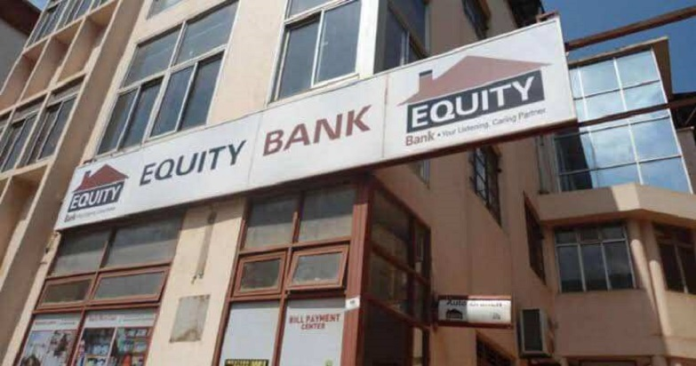
Equity Bank hosts over 40 global investors in Uganda to unlock trade and investment opportunities

Participants at the events.

Equity Bank has organized a two-day trade mission bringing over 40 foreign investors from across Africa and beyond to explore trade and investment opportunities in Uganda in order to promote local investments and expand markets for the small and medium enterprises,

The investors arrived in Uganda Wednesday evening, having been in Tanzania for a two-day trade mission, which spanned Dar es Salaam and Zanzibar. The trade mission organized by Equity Group is designed to promote cross-border trade and investment and strengthen regional value chains under the Group’s Africa Recovery and Resilience Plan (ARRP).

The mission convenes over 40 investors from Asia, Africa, the Middle East and Europe, including entrepreneurs, private equity firms, development partners, and institutional investors.

The Equity Investors’ Trade Mission Day 1 kicked off with field visits to local businesses and factories early today.

The first stop was at Tambiisa Uganda Limited, which focuses on delivering the finest vanilla for export to international countries through its state-of-the-art processing facilities.  The company that has been in existence since 2009 outsources fresh vanilla from over 8000 farmers in 38 districts across Uganda, and started with working capital provided by Equity Bank Uganda Limited.

The CEO Isa Tamale took the delegates on a guided tour of the facility that employs 25 permanent staff members and 340 casual labourers in Wakiso District.

It’s also among the Top 2 vanilla exporters in Uganda exporting vanilla (dried and in powder form) to countries like the USA, UK, Germany, France, South Africa, Mauritius and Madagascar.

Delegates will participate in panel discussions, B2B networking, government and business forums, and strategic site visits in sectors such as agribusiness, energy, tourism, infrastructure, financial services and manufacturing.

“This mission is a strategic effort to unlock the enormous potential that exists in Tanzania and Uganda by connecting global capital to local opportunities. Our goal is to catalyze investment and trade that delivers lasting impact by creating jobs, enhancing value chains, and driving inclusive economic growth,” said Dr. James Mwangi, Equity Group Managing Director and CEO.

Delegates will also explore opportunities in value addition, manufacturing, and technology, with special attention to sectors such as dairy processing, pharmaceuticals, textiles, mining, and agri-tech. Investors will also go on site visits and engage in dialogue with policymakers and business leaders in Kampala.

The trade mission builds on the legacy of successful Equity-led trade and investment missions in recent years, including Uganda-DRC, Uganda-Vietnam, India-Uganda, and DRC Investors Roadshows.

These missions have helped catalyze billions in investment, facilitate new business partnerships, and supported regional trade integration helping to facilitate the Africa Free Continental Trade Area Agreement, of which Equity Group is a signatory. In addition, through a formal partnership with the East African Community (EAC), Equity is actively supporting the creation of a common market by accelerating the implementation of the ARRP.

As part of its Africa Recovery and Resilience Plan, Equity Group is redirecting liquidity equivalent to 2% of the region’s GDP toward the private sector, targeting critical value chains in agriculture, manufacturing, MSMEs, and infrastructure. The plan aims to reach 100 million people and businesses by 2030 and create up to 50 million jobs across the continent.


Stories Continues after ad

Former flying Squad boss Nixon Agasirwe arrested over Kagezi murder

SSP Nixon Agasirwe (holding water bottle).

Security has arrested former flying squad boss Senior Superintendent of Police Nixon Agasirwe in connection with the murder of Joan Kagezi.

Ms Kagezi was an Assistant Director of Public Prosecution by the time of her death. She was shot dead at Kiwatule in 2015.

His arrest follows a confession by one of the suspects, Daniel Kisseka Kiwanuka to court.

Kiwanuka, who pleaded guilty to his role in the 2015 murder, testified this week that the killing was orchestrated by a man named “Nixon” who operated a white government-marked vehicle.

According to his statement, this Nixon (Nixon Agasirwe)—was the mastermind giving orders through an intermediary.

Security sources revealed that Mr Agasirwe was being held at Kireka.

Agasirwe is not strange to such cases as he was arrested in October 2017 and charged before the General Court Martial for unlawful procession of ammunitions in February 2018

Stories Continues after ad

UEDCL to spend Shs280b for grid upgrade after UMEME exit

The Uganda Electricity Distribution Company Limited (UEDCL) has announced that it has secured $74 million (about Shs280 billion) to kick-start a major overhaul of the country’s ageing electricity infrastructure and expand the national distribution network.

The announcement comes just months after UEDCL formally resumed full control of electricity distribution following the expiry of UMEME Limited’s 20-year concession.

The new funding marks the first phase of a larger, long-term investment strategy valued at $350 million over the next five years. According to UEDCL, the immediate focus will be on refurbishing dilapidated infrastructure and installing technologically advanced systems to create a more robust, smart, and efficient power grid.

“This funding will enable us to install modern, technologically advanced equipment as we work towards building a robust, smart, safe, and efficient electricity distribution system,” UEDCL said in a statement.

“Our goal is to ensure a reliable and sufficient power supply that meets the growing needs of our customers,” it added.

The shift in responsibility from UMEME to UEDCL represents a significant transition in Uganda’s energy sector. UMEME’s contract, which ended in March 2025, had long been a subject of public debate, with concerns raised over high tariffs, billing practices, and infrastructure maintenance. Government officials maintained that bringing distribution back under public control would enhance efficiency and reduce electricity costs.

UEDCL’s $74 million investment will be directed toward immediate grid improvements, including replacement of outdated transformers, strengthening feeder lines, upgrading substations, and deploying smart grid technologies to improve power reliability and response times.

The broader five-year plan, valued at $350 million, is expected to tackle systemic weaknesses in the distribution network and cater to the growing demand for electricity driven by Uganda’s expanding industrial base, urbanization, and rural electrification goals.

Energy sector analysts note that UEDCL’s ability to manage such large-scale infrastructure investments will be critical in determining whether the public sector can effectively step into UMEME’s shoes and maintain—if not improve—service quality.

“The stakes are high,” said energy analyst Alex Kaggwa. “If UEDCL can deliver on this investment plan, it will signal that a government-led model can work. But delays or mismanagement would risk undoing progress made over the past two decades.”

As of 2024, Uganda’s electricity access rate stood at approximately 57% nationally, with wide disparities between urban and rural areas. The new investments are also expected to support the government’s ambitions under Vision 2040, which prioritizes industrialization and universal energy access as drivers of economic transformation.

In its statement, UEDCL reaffirmed its commitment to “strengthen the health and sustainability of Uganda’s electricity distribution sector, ensuring improved service delivery, grid reliability, and future readiness.”

The next few months will be pivotal as UEDCL rolls out its first projects under the new funding. Success will depend not only on engineering capacity but also on transparency, stakeholder engagement, and the ability to align infrastructure with Uganda’s long-term energy policy goals.

Stories Continues after ad

Equity Bank Uganda named as domestic systemically important bank for third consecutive year

Equity Bank Uganda has once again been designated as a Domestic Systemically Important Bank (DSIB) by the Bank of Uganda (BoU), marking the third consecutive year the bank has received this prestigious recognition. This designation underscores Equity Bank’s significant role in Uganda’s financial sector and its continued commitment to maintaining financial stability.

The DSIB status is awarded to banks whose failure could have a substantial impact on the financial system and the broader economy. By meeting the stringent criteria set by the Bank of Uganda, Equity Bank has demonstrated robust financial health, operational soundness, and adherence to regulatory standards.

Gift Shoko, Managing Director of Equity Bank Uganda, expressed pride in the bank’s sustained performance, stating, “Being recognized as a Domestic Systemically Important Bank (DSIB) for the third year running is a testament to our commitment to financial stability and customer trust. We remain dedicated to upholding the highest standards of banking excellence and contributing to the growth and development of Uganda’s economy.”

This achievement reflects Equity Bank’s strategic initiatives, including its focus on digital transformation, customer-centric services, and strategic partnerships. The bank’s efforts to collaborate with fintech companies and other stakeholders have further strengthened its position in the competitive banking landscape.

As a DSIB, Equity Bank Uganda is subject to enhanced regulatory oversight and must maintain higher capital buffers to absorb potential shocks, thereby ensuring continued stability in the financial system. This proactive approach aligns with global best practices and reinforces the bank’s role as a pillar of Uganda’s financial infrastructure.

Looking ahead, Equity Bank remains focused on innovation and inclusive growth, aiming to expand its reach and impact across Uganda. The bank’s sustained recognition as a DSIB highlights its resilience and leadership in the banking sector, positioning it well for future challenges and opportunities.

Stories Continues after ad

Pearl of Africa Tourism Expo kicks off at Speke Resort Munyonyo

Under the theme, “Tourism and sustainable transformation”, The Pearl of Africa Tourism Expo(POATE) 2025 is officially underway at the Speke Resort Convention Center.

The Pearl of Africa Tourism Expo is an annual event that showcases Uganda’s unique attractions, positioning the country as a prime destination for tourism investment, partnerships and cultural exploration. It brings together tourism operators, travel agents, hospitality stakeholders and investors from across the globe, creating a platform to elevate Uganda’s brand as “The Pearl of Africa.”

Each year, the expo highlights Uganda’s tourism assets under various themes, including eco-tourism, cultural tourism, and adventure tourism. Through interactive exhibits, cultural performances, and business-to-business (B2B) meetings, POATE offers a comprehensive experience of the country’s tourism potential while promoting sustainability and responsible travel.

In the context of a growing global tourism market, POATE plays a strategic role in enhancing Uganda’s competitiveness as a premier African tourism destination. It also presents opportunities for building capacity within the sector, improving infrastructure, and attracting investment in tourism-related projects.

Ultimately, Uganda hopes to captivate more international visitors, increase its share in the global tourism market, and strengthen local communities through sustainable tourism practices.

The 2025 edition of the Pearl of Africa Tourism Expo is expected to take place from May 21-24, 2025, at Speke Resort and Convention Centre in Munyonyo, Kampala.

The event began with the Regional Tourism Forum on Wednesday, May 21, 2025. This forum will feature discussions among key regional tourism ministers, tourism boards, IGAD, UNECA, and regional corporations. A Regional Ministers Round Table will address topics such as travel facilitation, trans boundary product development, regional travel inspiration, and collective promotion of East Africa as a single destination.

On Thursday May 22, 2025, the focus will shift to the Tourism Investment Forum. This day will center on key themes like hospitality investment trends and opportunities, financing tourism ventures, and promoting green investment in the tourism sector.

Friday May 23, 2025, will be dedicated to the Destination Marketing Symposium, covering topics such as domestic tourism marketing, regional tourism strategies, and e-tourism marketing. These discussions aim to enhance the visibility of Uganda as a vibrant and accessible tourism hub.

A key feature of this year’s expo will be the Uganda Lifestyle Showcase Zones. These will include a Culinary Pavilion featuring tastings, cooking demonstrations, and masterclasses in traditional Ugandan dishes such as matooke, luwombo, and rolex. Renowned Ugandan chefs may collaborate with international culinary experts to modernize traditional recipes.

The Crafts and Artisans Market will allow visitors to explore and purchase handmade items, including beaded jewelry, bark cloth, and woven baskets. Workshops will give attendees hands-on opportunities to learn directly from the artisans.

Traditional and contemporary fashion shows will be part of the showcase, with runway presentations of Ugandan attire by designers blending modern trends with cultural heritage.

The Hospitality and Service Excellence Hub will highlight Uganda’s premier eco-lodges and boutique hotels, showcasing their wilderness locations, sustainable practices, and luxury amenities. It will also host seminars on service excellence, sustainability, and community-driven tourism, led by local and international experts.

Community-based tourism experiences will also take center stage, with exhibits spotlighting local communities involved in eco-trekking, homestays, and cultural exchanges. These initiatives offer authentic travel experiences while supporting local livelihoods.

The wellness and adventure tourism segment will feature a dedicated zone for eco-friendly wellness retreats, yoga, and mindfulness activities. This will appeal to travelers seeking rejuvenation in natural settings. Adventure tourism will also be prominently featured, with displays on rafting the Nile, mountain climbing, and safari tours — all positioned as key pillars of Uganda’s lifestyle tourism offering.

Visitors will enjoy live cultural performances, storytelling sessions by community elders, and interactive drumming circles that immerse them in the diverse traditions of Uganda’s many ethnic groups. These sessions will emphasize values, music, and dance styles central to Uganda’s cultural identity.

Finally, POATE 2025 will integrate digital promotion through VR installations offering virtual tours of Uganda’s lodges, cultural homestays, and retreats. Strategic media partnerships will amplify the country’s tourism message through influencer campaigns, travel photography, and digital storytelling, ensuring Uganda’s hospitality reaches global audiences.

Stories Continues after ad

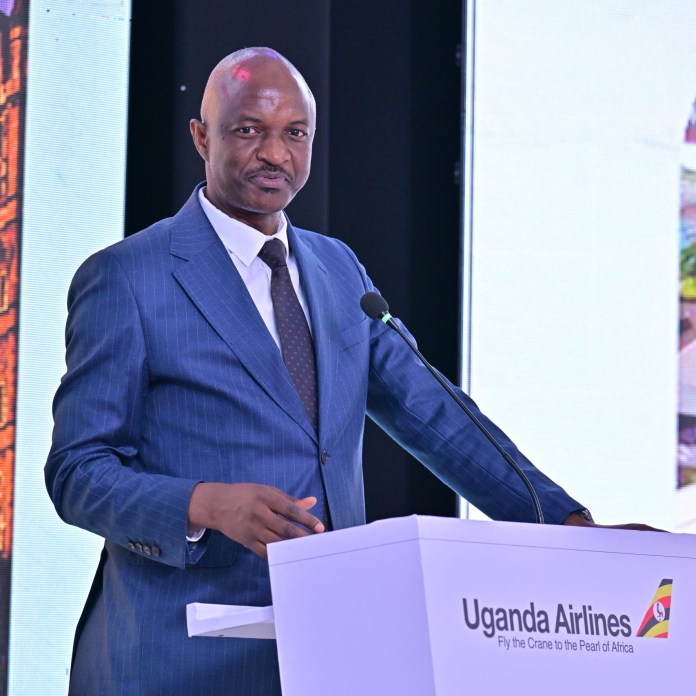
Gov’t to invest $700m into Uganda Airlines for expansion, global reach

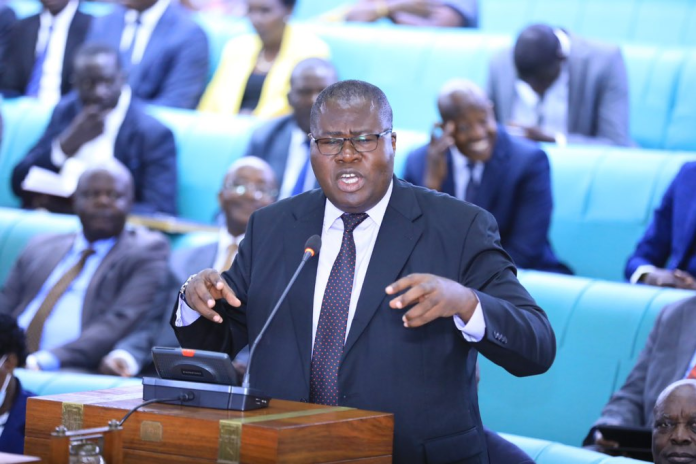
Ramathan Ggoobi, Permanent Secretary and Secretary to the Treasury (PSST) at the Ministry of Finance, addressing the UK-Uganda Trade and Investment Forum in London.

The Government of Uganda is set to invest $700 million into Uganda Airlines over the next few years in order to expand the carrier’s route network and reinforcing its role in boosting economic ties with global markets.

The announcement was made by Ramathan Ggoobi, the Permanent Secretary and Secretary to the Treasury (PSST) at the Ministry of Finance, while addressing the UK-Uganda Trade and Investment Forum in London.

Ggoobi described the recent launch of direct flights between Entebbe and London Heathrow by Uganda Airlines as a “game-changer” that will reshape the economic and cultural landscape between the two countries.

“This is more than just a new flight route—it’s a strategic link for business, tourism, and diplomacy. It dismantles the walls of misinformation that have kept some UK investors and tourists away from Uganda due to outdated or false narratives,” said Ggoobi.

He emphasized Uganda’s commitment to leveraging strategic partnerships, noting that the new flight connection would enhance trade flows and facilitate investor engagement in key sectors such as financial services, investment banking, insurance, and infrastructure development, as part of Uganda’s roadmap to becoming a $500 billion economy by 2040.

Ggoobi reaffirmed the country’s strong economic performance, projecting a 6.4% GDP growth rate for the Financial Year ending June 2025, and over 7% growth in the medium term.

“New data confirms that our growth is inclusive, transformative, and pro-poor,” he said.

He cited the latest Uganda National Household Survey released by the Uganda Bureau of Statistics (UBOS), which shows that the percentage of Ugandans living below the national poverty line has dropped from 20% to 16% in just four years, outperforming the 2025 national target of 18.5%. Income inequality has also declined, with the Gini coefficient falling from 0.41 in 2020 to 0.38.

Ggoobi highlighted Uganda as one of Africa’s most attractive investment destinations, boasting a 14% average return on investment and 30% return on equity for listed companies. He noted that the country’s liberalised economy, stable macroeconomic framework, and pro-private sector policies are key pillars supporting investor confidence.

“We offer a conducive environment with both tax and non-tax incentives, strong legal and regulatory frameworks, and protection from non-commercial risks,” he said.

He added that Uganda provides tariff- and quota-free access to major regional markets through the East African Community (EAC), Common Market for Eastern and Southern Africa (COMESA), and the African Continental Free Trade Area (AfCFTA)—tapping into a combined population of over 1 billion people and a market GDP of $3 trillion.

Ggoobi also extended a warm invitation to UK investors and tourists: “Come and experience Africa’s best-ranked investment destination. Fly direct to Uganda—a country with low macroeconomic risk, high returns, and a renewed tenfold growth strategy.”

Stories Continues after ad

UPDF Bill passed: Parliament defies Supreme Court ruling on civilian trials in Military Courts

Defence and Veteran Affairs Minister Oboth Oboth presenting the UPDF Bill before Parliament.

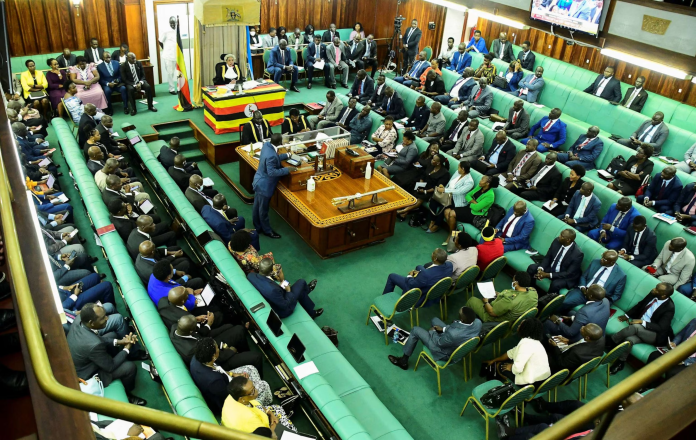
Parliament on Tuesday passed the Uganda People’s Defence Forces (UPDF) Amendment Bill, 2025 effectively defying a Supreme Court ruling that outlawed the trial of civilians in military courts. The new law reintroduces military jurisdiction over civilians under a restructured Court Martial system, raising concerns over constitutional violations and separation of powers.

The Bill’s passage came amid tense scenes at Parliament, including an unexplained cutoff of the official livestream shortly after Speaker Anita Among entered the chambers. There was also no live television broadcast of the session, effectively blocking public access to a proceeding.

Introduced last week by Defence Minister Jacob Oboth Oboth, the new version of the Bill purports to align with the Supreme Court’s January ruling in Attorney General vs Michael Kabaziguruka. In that judgment, the Court upheld a Constitutional Court decision that military courts had no jurisdiction over civilians, recognizing them instead as disciplinary tribunals for service offenses only. It further directed that all criminal cases involving civilians and capital offenses involving soldiers be transferred to civilian courts. However, instead of complying, the government withdrew the original UPDF Bill, which had only proposed internal structural changes, and replaced it with a sweeping new version that establishes a three-tier military court system and permits military advocates to chair these courts — including in cases involving civilians.

The Bill’s progression through Parliament was anything but smooth. Leader of the Opposition Joel Ssenyonyi led a walkout of opposition MPs, citing procedural violations and lack of stakeholder consultation.

Addressing journalists at a press briefing, Ssenyonyi said Parliament had not been given adequate time to read or debate the committee reports and claimed the majority report may have originated from the State House.

“Members were simply summoned to sign without meaningful review,” he said. He accused Speaker Among of ignoring legitimate procedural concerns and praised MPs who worked overnight to prepare minority reports.

“This was a sham process. Due process was trampled on. We had no choice but to walk out,” he added, announcing that the opposition plans to challenge the law in court, citing violations of Article 92 of the Constitution and contempt of a Supreme Court directive.

Despite the opposition boycott, a few MPs stayed behind to present minority reports. Erute South MP Jonathan Odur warned that the Bill violates Article 92, which prohibits Parliament from enacting laws that overturn court decisions. He also raised a point of sub judice, citing pending cases before both the Supreme Court and the East African Court of Justice including Civil Appeal No. 01 of 2025, filed by lawyer Male Mabirizi, which challenges the constitutionality of trying civilians in military courts.

“The Bill seeks to formalize what the Court already ruled unconstitutional. Proceeding is in direct contempt of court,” Odur said.

Kioga County MP Moses Okot Bitek, presenting a separate minority report on behalf of 14 MPs including Mathias Mpuuga, Medard Lubega Sseggona, and Betty Nambooze, criticized the Bill for undermining the judiciary. He specifically opposed Section 117A(e), which allows military courts to try civilians found in unauthorized possession or sale of military uniforms — offenses already covered under the Penal Code Act. Okot argued that the Bill dangerously expands military jurisdiction and revives provisions the Supreme Court explicitly struck down. “Sections 2, 179, and 119 of the current UPDF Act were already declared unconstitutional for duplicating offenses found in civilian law,” he emphasized.

Despite the resistance, the ruling National Resistance Movement (NRM) and its allied independents used their numerical advantage to pass the Bill.

Among its key provisions is the establishment of the Unit Court Martial to handle offenses punishable by up to five years’ imprisonment, chaired by a captain-level officer who is also a qualified lawyer. It also creates the Division Court Martial, responsible for trying offenses warranting more than five years in prison, excluding capital offenses, chaired by a Lieutenant Colonel and legal practitioner. The General Court Martial is restructured to handle capital offenses and will be chaired by a Brigadier General qualified for appointment as a High Court judge. The chair will be appointed by the High Command in consultation with the Judicial Service Commission, on a renewable three-year term.

If signed into law by President Yoweri Museveni, the Bill could extend military court jurisdiction to civilians associated with the UPDF, including individuals who accompany military units or engage with military equipment or attire. The passage of the UPDF Amendment Bill, 2025 marks a profound shift in Uganda’s military justice system, reigniting a contentious debate over the separation of powers, constitutionalism, and civil liberties. With the opposition preparing to challenge the law in court, the battle over whether civilians can be subjected to military justice — a question the Supreme Court had seemingly settled — is far from over.

Stories Continues after ad

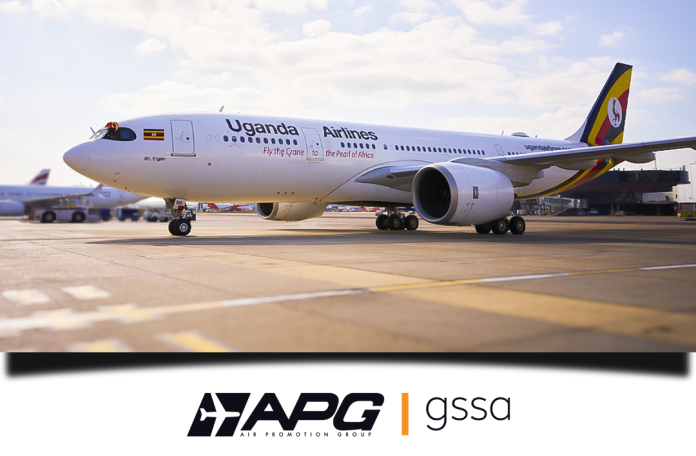
Uganda Airlines appoints APG as UK sales agent following launch of direct London flights

Uganda Airlines has appointed APG as its General Sales Agent (GSA) in the United Kingdom, shortly after launching its long-anticipated direct flights between Entebbe and London Gatwick on May 18, 2025.

The new partnership is expected to bolster the airline’s expansion into the UK market, marking a major milestone as Uganda Airlines reconnects with the UK for the first time in more than 20 years.

Under the agreement, APG will manage full sales and marketing services for Uganda Airlines across the UK market. This includes overseeing customer service, trade engagement, and promotional efforts to support the airline’s growth in Europe.

“APG will provide full sales and marketing services and representation support in the UK market. APG will also support Uganda Airlines with travel trade engagement and promotional initiatives to drive awareness and sales of the new route,” the airline stated.

Uganda Airlines’ Entebbe–London route will be operated using the airline’s state-of-the-art Airbus A330-800neo, offering three cabin classes: Business, Premium Economy, and Economy, to cater to both leisure and corporate travelers.

Richard Burgess, President of APG Network, commented: “We are delighted to be representing Uganda Airlines in the UK at such a pivotal moment. The airline’s direct operation from Entebbe to London Gatwick signifies a significant development for travel and trade relations between the two countries.”

The airline emphasized that this strategic partnership will strengthen Uganda Airlines’ international footprint and ensure efficient representation in one of its key markets.

“This partnership further reinforces APG’s ongoing mission to support airline growth worldwide through local representation and a full suite of services tailored to airline partners,” the airline added.

Uganda Airlines is the national carrier of the Republic of Uganda and has rapidly expanded its international and regional routes since its revival. It currently operates scheduled service across East, Central, and Southern Africa and now extends its reach to Europe with this new UK route.

Stories Continues after ad

MPs want political parties to receive funding based on IPOD participation

Legislation in progress by Members of Parliament in Uganda.

The Parliament of Uganda is considering major reforms to the Political Parties and Organisations Act, aimed at promoting democratic principles, political dialogue and accountability among political parties.

This comes following the tabling of the Political Parties and Organisations (Amendment) Bill, 2025, which proposes changes to how public funds are accessed by parties represented in Parliament.

The Bill, first read on May 14, 2025 and subsequently referred to the Committee on Legal and Parliamentary Affairs, seeks to restrict government funding to only those political parties that are committed to the principles of tolerance, dialogue, and peaceful co-existence.

“The current law allows political parties in Parliament to access public funds without any conditions attached, apart from financial accountability,” the committee observed in its report.

The committee added, “This amendment seeks to promote responsible political behavior and ensure that parties benefiting from public funds uphold democratic values.”

Under the proposed amendment to Section 14 of the Act, only political parties and organisations that are members of, and actively participate in, the Inter-Party Organisation for Dialogue (IPOD) will qualify to receive government funding.

“This is not an attempt to exclude or punish any party,” said Yusuf Mutembuli, the mover of the Bill. “Rather, it is a way to strengthen our democratic processes by encouraging political parties to engage in dialogue, promote tolerance, and avoid divisive politics.”

The Attorney General expressed strong support for the Bill, noting that the proposed changes are in line with Article 72(3) of the 1995 Constitution, which mandates Parliament to regulate the financing of political parties. He argued that the institutionalization of IPOD would operationalize this constitutional mandate while promoting unity and democratic integrity.

“Funding political parties should be conditional on adherence to principles of tolerance, dialogue, and peaceful co-existence,” the Committee emphasized in its findings. “This would promote stability, reduce political violence, and encourage responsible conduct.”

The Committee further noted that the current funding model fails to account for the behavioral standards of political parties.

“There is no law requiring parties to demonstrate their commitment to democratic norms before receiving funds,” the report stated. “This gap undermines the spirit of multiparty democracy.”

The committee also recommended a revision of the language used in the Bill, specifically the reference to the National Consultative Forum (NCF). While the Bill proposes to tie funding to membership in the NCF, the committee cautioned that the NCF includes all registered political parties, including those not represented in Parliament.

“This could inadvertently broaden the scope of the law to include parties that are not eligible for funding,” the committee warned. “We therefore recommend that the requirement be limited to parties participating in IPOD activities, which are more aligned with parliamentary representation.”

In an equally important reform, Clauses 2 and 3 of the Bill seek to institutionalize IPOD as an official organ under the National Consultative Forum. The Bill proposes a reorganization of the NCF into two distinct bodies: IPOD, for parties represented in Parliament and a separate forum for non-represented political parties.

“This structure allows parties with similar challenges to engage in constructive dialogue within their ranks,” said the mover. “It recognizes the distinct realities between represented and non-represented parties.”

The committee supported this approach, noting that it “will enhance internal communication, foster mutual understanding, and improve the capacity of parties to resolve conflicts without resorting to undemocratic means.”

IPOD, originally established in 2009 as a loose coalition of parliamentary political parties with support from the Netherlands Institute for Multiparty Democracy (NIMD), has played a vital role in mediating political tensions and fostering cooperation. Its formal institutionalization would give it a stronger mandate and clearer legal status.

“The institutionalization of IPOD within the law will ensure its sustainability and strengthen Uganda’s multiparty system,” the report stated.

The committee’s final recommendation was unequivocal: Government funding and access to public resources should be strictly reserved for political parties that are members of and active participants in IPOD.

“This will foster discipline among political actors and ensure that public funds are utilized by institutions committed to peace and democracy,” the committee concluded.

The Parliament is expected to deliberate on the committee’s report in the coming weeks. If passed, the Bill will mark a shift in how political engagement is incentivized and regulated in the country.

Stories Continues after ad

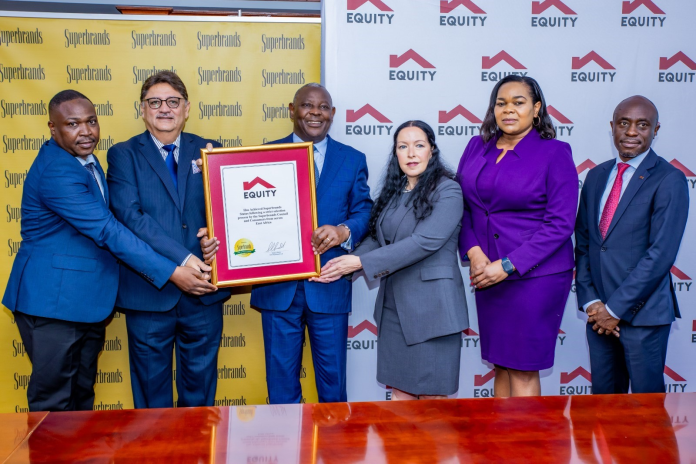
Equity Group recognized as a superbrand in East Africa

Equity Group team.

Equity Group Holdings Plc has been recognized as a superbrand in East Africa, a distinction that affirms the Group’s commitment to quality, reliability and excellence in the financial services sector.

Equity’s inclusion in superbrands East Africa Volume 9 comes at a pivotal time as the Group continues to strengthen its presence across East and Central Africa as a regional brand serving the unique needs of its customers across diverse territories.

Superbrands is a globally respected authority on branding excellence, identifying and celebrating the most trusted and influential brands across more than 90 countries. The East African edition, now in its ninth volume, highlights brands that have achieved exceptional status in the eyes of both consumers and industry experts.

This recognition is based on a rigorous selection process led by an independent research firm and evaluated by a panel of branding and marketing professionals. Brands are assessed on three core criteria: Quality, which refers to the delivery of world-class products and services; Reliability, which covers consistent performance and consumer trust; and Distinction, which looks at brand identity and visibility that set it apart in the marketplace.

“We are honored to be recognized as a Superbrand. Equity was the first bank in Kenya to receive this recognition in 2007 and we are proud to be the only bank to have received it four times. This achievement reflects the unwavering support of our customers, and we are deeply grateful. Our staff have also folded their sleeves to give their best. We commit to embedding this success into our DNA, ensuring that our strategy, governance, systems, and processes reflect our dedication to changing lives, enhancing wealth creation, and making lives better in our region,” said Dr. James Mwangi, Equity Group Managing Director and CEO.

Superbrands East Africa Project Director, Jawad Jaffer, while commenting on Equity’s achievement, said: “Equity has consistently demonstrated exceptional brand strength, achieving Superbrand status for the 4th time. Their success in balancing technological innovation with a purpose-driven approach that addresses the specific needs of East African communities exemplifies what it means to be a Superbrand in today’s competitive landscape. We are delighted to present this year’s certificate to Equity.”

The recognition enhances the Group’s global profile as a reliable and purpose-driven financial institution and cements the brand’s legacy as a homegrown African success story. It also grants Equity the right to carry the Superbrands Award Seal across all markets where Equity operates, including Kenya, Uganda, Tanzania, Rwanda, South Sudan, and the Democratic Republic of Congo. This visible mark of excellence provides enhanced credibility during critical customer decision-making moments by transferring established trust and reputation to new territories.

Equity emerged as a top performer at the 20th edition of the Think Business Banking Awards 2025, securing 16 awards across key categories that recognize excellence in innovation, financial literacy, SME support, and sustainability. The Bank claimed the top position in nine categories, including Best in SME Banking, Agriculture Financing, Asset Financing, Mortgage Financing, Financial Literacy Programs, Special Judges Award for Product Innovation, Sustainable Corporate Social Responsibility, Microfinance, and Agency Banking.

Equity Bank remains resolute in its commitment to driving positive societal transformation and implementing impactful operational policies that create value for its communities and stakeholders. By prioritizing sustainability and customer-centricity, the bank consistently strives to redefine banking in Kenya.

Stories Continues after ad