Stanbic Bank
Stanbic Bank
17.9 C
Kampala
Stanbic Bank
Stanbic Bank
Home Blog Page 87

Works Ministry launches mandatory vehicle inspection, starting with gov’t fleet

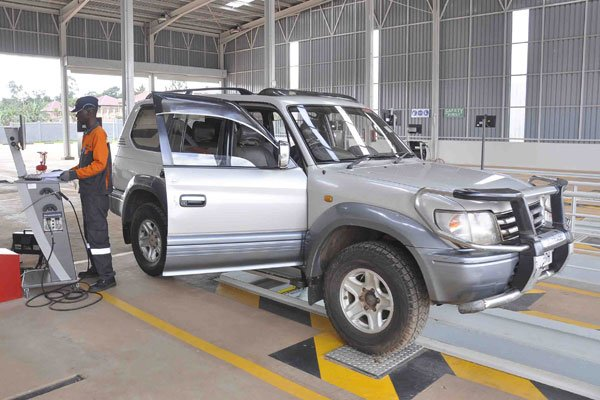
The Ministry of Works and Transport has officially kicked off the process of implementing a mandatory, automated vehicle inspection system, starting with the government’s fleet. The move is part of a broader national effort to enhance road safety, improve vehicle standards, and ensure compliance with traffic regulations.

According to a statement released by the Ministry, the first phase of the initiative will focus on government vehicles, before extending to the wider public and private transport sectors.

“This marks a significant step in our journey toward safer roads and a more reliable transport system,” the Ministry said.

The statement added, “Automated vehicle inspection will help ensure that all vehicles on our roads meet minimum mechanical and environmental standards.”

A stakeholder engagement session was convened on Wednesday in Kampala to lay the groundwork for the rollout. The meeting brought together key industry representatives, including the Uganda Bus Owners Association (UBOA), Uganda Taxi Operators Federation (UTOF – Kampala), the Boda-Boda Association, and the Regional Lorry Drivers and Transporters Association.

The session featured a comprehensive presentation on the objectives and benefits of the inspection program. Participants engaged in open dialogue, offering feedback and raising concerns that will inform the implementation process.

Among the benefits highlighted were increased road safety, reduced mechanical failures on public roads, and enhanced regulation of the country’s rapidly growing vehicle population through automated systems.

The Ministry emphasized that the automated inspection technology will ensure transparency, consistency, and objectivity in assessing roadworthiness. Once fully implemented, the system is expected to cover all classes of vehicles, including commercial, private, and public service vehicles.

This development aligns with the government’s broader transport infrastructure strategy, aimed at modernizing Uganda’s road transport sector and reducing accident-related fatalities.

According to a statement released by the Ministry, the first phase of the initiative will focus on government vehicles, before extending to the wider public and private transport sectors.

“This marks a significant step in our journey toward safer roads and a more reliable transport system,” the Ministry said.

The statement added, “Automated vehicle inspection will help ensure that all vehicles on our roads meet minimum mechanical and environmental standards.”

A stakeholder engagement session was convened on Wednesday in Kampala to lay the groundwork for the rollout. The meeting brought together key industry representatives, including the Uganda Bus Owners Association (UBOA), Uganda Taxi Operators Federation (UTOF – Kampala), the Boda-Boda Association, and the Regional Lorry Drivers and Transporters Association.

The session featured a comprehensive presentation on the objectives and benefits of the inspection program. Participants engaged in open dialogue, offering feedback and raising concerns that will inform the implementation process.

Among the benefits highlighted were increased road safety, reduced mechanical failures on public roads, and enhanced regulation of the country’s rapidly growing vehicle population through automated systems.

The Ministry emphasized that the automated inspection technology will ensure transparency, consistency, and objectivity in assessing roadworthiness. Once fully implemented, the system is expected to cover all classes of vehicles, including commercial, private, and public service vehicles.

Further updates on timelines and inspection centers will be communicated in due course as preparations continue.

This development aligns with the government’s broader transport infrastructure strategy, aimed at modernizing Uganda’s road transport sector and reducing accident-related fatalities.
Stories Continues after ad

Heavy taxation, room shortages hit Uganda’s hotel industry as the country gears up for CHAN

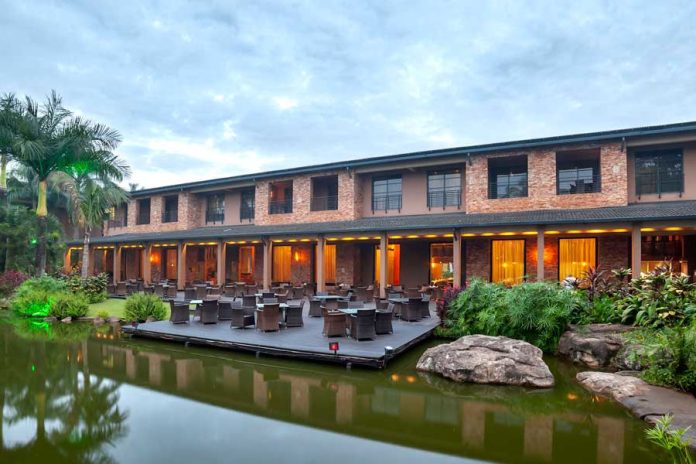
Speke Resort Munyonyo.

Uganda’s hospitality sector, long seen as a key driver of economic growth and tourism, is facing mounting challenges despite its immense potential.

With the country gearing up to host major continental events like the African Nations Championship (CHAN) and the 2027 Africa Cup of Nations (AFCON), experts warn that the nation’s hotel industry is not ready, largely due to excessive taxation, uneven infrastructure development, and financing bottlenecks.

The Uganda Hotel Owners Association (UHOA) has raised alarm over what it describes as one of the most burdensome tax regimes in the region.

According to UHOA Chief Executive Officer Jean Byamugisha, hoteliers are currently subjected to 26 different taxes and licenses, pushing operational costs high and making Ugandan hotels less competitive than those in neighboring countries like Kenya and Tanzania.

“Hoteliers are paying 26 different types of taxes and licenses. This is one of the reasons that makes our hotels in Uganda more expensive than those in neighboring regional countries,” said Ms. Byamugisha.

She added, “This necessitates a review of the amendment of the hotel tax regime in Uganda so that we can have all these taxes consolidated.”

Uganda is endowed with tourism assets from national parks teeming with wildlife to the Source of the Nile, but growth in the hospitality sector remains uneven. While Kampala alone hosts over 1,200 hotels, many upcountry regions remain underdeveloped and underserved. Basic graded accommodation is often missing in regional tourism hubs, straining their ability to cater to surging demand.

The Tourism Marketing Master Plan lists 3,850 hotels across Uganda, with the bulk concentrated in Kampala. However, data from the Uganda Bureau of Statistics (Ubos) puts the number at approximately 6,000. UHOA, however, considers the official master plan figure more reflective of the true hotel landscape.

“We use the Ministry of Tourism’s marketing master plan numbers because it captures the real essence of what a hotel is,” Ms. Byamugisha explained, adding, “Among the 3,850 hotels, the majority are in Kampala.”

Despite having a few five-star hotels, mainly in the capital, Uganda’s capacity to host large-scale international events is being questioned. According to the Uganda Investment Authority (UIA), the country faces a three-million-room deficit, and the UHOA estimates Uganda needs at least 10,000 additional hotel rooms to meet international requirements for CHAN and AFCON.

“Credit is another bottleneck. Many hotel owners operate on tight budgets and lack financing to upgrade or expand in time for upcoming tourism booms or international events,” added Ms. Byamugisha.

As a result, many domestic and budget-conscious travelers, including football fans and conference attendees, are turning to one- or two-star hotels, ungraded homestays, and Airbnbs, many of which are informal and ill-equipped to meet global standards.

A 2021 UHOA survey reported 6,291 hotels, 97,511 rooms, and 103,261 beds across Uganda. The UIA further revealed that 90 percent of accommodation facilities are privately owned, with Ugandans holding the majority stake.

To address the crisis, UHOA is advocating for tax consolidation and a more investor-friendly environment, warning that without urgent reforms and targeted investment, Uganda risks missing out on the economic windfall associated with hosting international events.

As the countdown to CHAN and AFCON begins, the government faces mounting pressure to act swiftly not only to bolster the country’s reputation but to safeguard the long-term viability of its tourism and hospitality sectors.

Stories Continues after ad

Victoria University welcomes new entrants

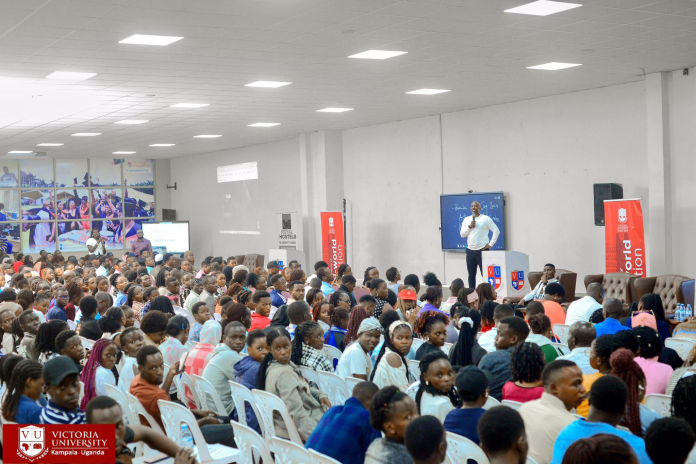
Victoria University VC, Dr. Muganga, addressing 2025/26 academic year freshers.

Victoria University has extended a warm and heartfelt welcome to its newest cohort of students, with Vice Chancellor Dr. Lawrence Muganga expressing profound gratitude to all who have chosen the institution as their academic home.

In a message addressed to students, parents and supporters from Uganda and beyond, Dr. Muganga celebrated the trust and confidence shown in the university, emphasizing a renewed commitment to excellence in higher education.

“To all our dear students who have chosen Victoria University in such remarkable numbers, thank you,” Dr. Muganga said.

He added, “Your decision fills us with pride and a deep sense of purpose. We are honored to be your university of choice.”

He also acknowledged the critical role played by parents and guardians who have entrusted the university with shaping their children’s futures.

“To the parents and guardians who have entrusted us with their children’s future, we are truly grateful. Your confidence is a responsibility we carry with the utmost care and seriousness,” he noted.

Victoria University, one of Uganda’s fastest-growing private institutions, has continued to attract students from across the globe, an achievement Dr. Muganga attributes to the university’s practical, student-centered approach to education.

He said, “And to all Ugandans and friends from around the world who have made Victoria University their preferred destination for quality education, we extend our sincere appreciation. Your support inspires us every single day.”

Dr. Muganga assured the public that the university remains committed to delivering education that is relevant, transformative, and responsive to the demands of a rapidly changing world.

He remarked, “In return for this trust, we commit to delivering an education that is meaningful, practical, and grounded in real-world experience. Driven by technology and innovation, our programs are designed to help learners grow with mastery, confidence, and purpose.”

He applauded, “Thank you once again for believing in us. Because of you, we are more determined than ever to dream bigger, aim higher, and serve better. We will not let you down.”

As the new academic year unfolds, Victoria University is poised to continue shaping Uganda’s future leaders through dynamic learning models, cutting-edge technologies, and a culture of excellence.

Stories Continues after ad

State House Unit intercepts Shs18b contract scam targeting Turkish investor

Mr. Ochwo addressed the press as he paraded the suspects.

The State House Anti-Corruption Unit (SH-ACU) has successfully intercepted a fraud attempt involving a fake government contract valued at approximately Shs18.8 billion ($4,952,000) targeting a Turkish investor, Mr. Furkan Gumran, and his company, Sirus Blue Chemical Manufacturing Co. Ltd.

According to Mr. Israel Ochwo, the Deputy Head of State House Anti-Corruption Unit (SH-ACU), who addressed journalists during a press briefing on Wednesday, the scammers posed as senior government officials within the Ministry of Energy attempted to defraud Mr. Gumran through a bogus procurement deal for AD BLUE solution, a chemical used to reduce carbon emissions in automotive engines.

The suspects allegedly assigned themselves fake roles within a fabricated procurement structure. These included Dr. Charles Mulyansaka, presented as Chairman of the Special Contracts Committee; Moses Mwesigwa, who posed as Director of Procurement; Moses Seruma, introduced as a Communication and IT Specialist; and Peter Watum, who acted as the group’s Secretary.

Mr. Ochwo revealed that the scam was thwarted thanks to Mr. Gumran’s vigilance and prudence in seeking verification from the appropriate authorities before committing any funds. After contacting SH-ACU with his concerns, Mr. Gumran worked with the Unit to organize a controlled meeting at AHA Towers in Kampala, where the suspects were arrested in the act.

Mr. Ochwo commended Mr. Gumran’s actions, calling them exemplary, and urged other investors to follow the same approach when in doubt about business dealings involving government contracts. He advised all foreign investors approached with similar offers to verify the legitimacy of such proposals through SH-ACU or its sister agency, the State House Investors Protection Unit.

In a related development, Mr. Ochwo also appealed to the public to assist in locating a fugitive identified as Godfrey Ssekidde Lubowa, also known as “Maj. Gen. Sam Kiwanuka”, who is wanted for defrauding Sidari Limited, a Kenyan company, of approximately Shs751 million. The suspect allegedly used forged documents bearing the insignia of the Office of the President and the Bank of Uganda to carry out the scam.

Mr. Ochwo concluded by reaffirming SH-ACU’s dedication to protecting investors and combating fraud, encouraging members of the public to report any suspicious activity related to government contracts or impersonation of public officials.

Stories Continues after ad

Kabira Country Club wins 2025 Tripadvisor Travelers’ Choice Award

Kabira Country Club.

Kabira Country Club, a four-star award-winning boutique hotel located in the serene Bukoto suburb of Kampala, has been honoured with the 2025 Tripadvisor Travellers’ Choice Award.

Unlike many industry accolades, the Travellers’ Choice Awards are determined entirely by reviews, ratings, and feedback from real travellers collected over a 12-month period. Each year, Tripadvisor highlights the world’s favourite destinations, hotels, restaurants, and experiences making this recognition a genuine reflection of guest satisfaction.

The award places Kabira Country Club among the top 10 percent of all listings on Tripadvisor, celebrating businesses that consistently earn excellent reviews and demonstrate an unwavering commitment to hospitality excellence.

Kabira continues to distinguish itself with a wide range of offerings from luxurious accommodation and top-tier conference facilities to fine dining and extensive sports and wellness amenities. Guests enjoy access to a world-class gym, an Olympic-sized swimming pool, and both indoor and outdoor sports facilities including squash, tennis, basketball and football.

To further elevate the guest experience, the facility is currently undergoing expansion.

Stories Continues after ad

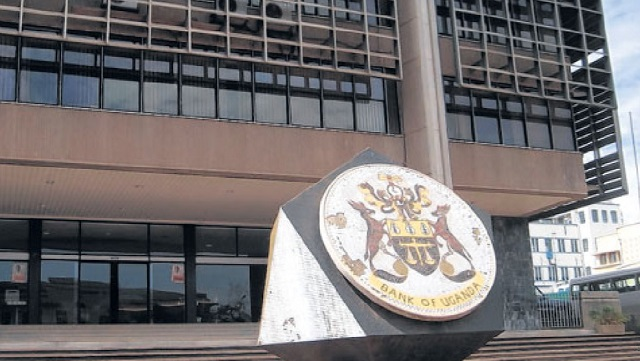
BoU raises Shs1.86t from Treasury Bills and Bonds in June 2025

Uganda’s domestic debt market remained active in June 2025, with the government raising Shs1.86 trillion from three auctions of Treasury Bills and Bonds, according to the June 2025 Performance of the Economy Report issued by the Ministry of Finance, Planning, and Economic Development.

Of the total amount raised, Shs393.09 billion was used to refinance maturing debt. At the same time, the larger portion — Shs1.47 trillion — was channeled to support the national budget, reflecting the government’s continued reliance on domestic borrowing to plug fiscal gaps.

Interest rates on government securities saw mixed movements. The 364-day and 182-day Treasury Bills rose to 15.6% and 12.8% in June, respectively, from 15.4% and 12.7% in May, suggesting rising investor risk perceptions or tighter liquidity conditions. However, the 91-day Bill yield slightly declined to 12.0%, down from 12.1% in May, likely reflecting short-term market optimism or a surge in investor demand for shorter tenors.

Despite rate fluctuations, all Treasury Bill auctions remained oversubscribed, with an average bid-to-cover ratio of 1.55 — a key indicator of strong market interest.

Longer-term Treasury Bonds also saw upward movement in yields. The 5-year bond rose to 16.8%, up from 16.7%, while the 15-year bond climbed to 17.8% from 17.7% in previous auctions. The 2-year bond yield held steady at 15.75%, maintaining its level for the third consecutive month.

These higher yields reflect the government’s effort to attract long-term investors amid inflationary pressures and tighter global financial conditions, especially as interest rates in developed markets remain high, attracting capital away from frontier economies like Uganda.

Meanwhile, growth in private sector credit was nearly flat in May, with the total stock of credit inching up by just 0.1% to Shs23.54 trillion, from Shs23.52 trillion in April. The marginal growth underscores lingering caution in the lending environment, as both banks and borrowers remain wary amid elevated interest rates and uneven post-pandemic recovery across sectors.

Of the total credit stock, Shs16.86 trillion was denominated in Uganda Shillings, marking a slight uptick from Shs16.76 trillion in April. However, credit denominated in foreign currency dropped to Shs6.68 trillion, down from Shs6.77 trillion, suggesting reduced demand for dollar loans, possibly due to improved local currency stability.

Uganda’s domestic borrowing remains a key pillar of government financing, especially in the wake of subdued external financing and mounting expenditure pressures. However, rising domestic yields could signal higher debt servicing costs and crowding out of private sector credit if not carefully managed.

Analysts note that while current oversubscription in debt auctions indicates market confidence, the government must be cautious not to over-rely on domestic markets at the expense of credit expansion for the productive sectors.

As Uganda heads deeper into the 2025/26 fiscal year, the effectiveness of fiscal consolidation, monetary policy coordination, and private sector credit stimulation will be critical in maintaining macroeconomic stability and driving sustainable economic recovery.

Stories Continues after ad

MTN Uganda clears mobile money into an independent Fintech Company

MTN Uganda shareholders during the Extraordinary General Meeting yesterday.

MTN Uganda shareholders have approved a plan to separate the mobile money business from the main telecommunications company, paving the way for the creation of a new fintech entity. The decision, made during an extraordinary general meeting, is part of a broader move by MTN Group to establish a separate company for its financial technology services.

The separation, which has been in the works since 2020, aims to transition mobile money operations into a larger fintech company, FinCo, which will consolidate MTN’s mobile money businesses across Africa. MTN believes this new structure will foster growth, improve efficiency, and attract investors who understand financial services regulations.

MTN Chairman Charles Mbiiire stated Tuesday that “Fintech is different. It needs freedom and flexibility to grow. By separating it, we are giving it room to innovate and lead.”

Leading up to the decision, MTN engaged with shareholders nationwide through town hall meetings to explain the plan and address concerns, which helped secure their support.

Following the extraordinary general meeting, MTN announced it had received official approval to proceed with the structural separation of its mobile money unit.

MTN Mobile Money was launched in 2009. In 2021, MTN Uganda took its first step by legally separating its mobile money unit under the National Payment Systems Act. The current step involves transforming the mobile money business into an independent fintech company.

Ms. Sylvia Mulinge, MTN’s chief executive officer, described this as the second phase of a three-step journey. The final step will involve listing the new fintech company on the Uganda Securities Exchange within three to five years. The new company will be majority-owned by MTN Group Fintech Holdings B.V., with the remaining shares held in trust for Ugandan investors.

Stories Continues after ad

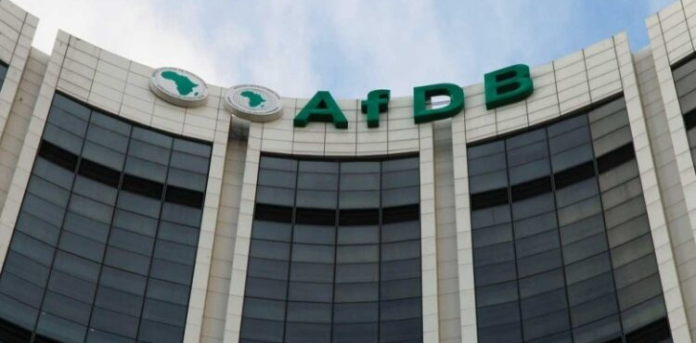
SEFA injects Shs15.4b to replace charcoal with electric cookers in Uganda, Kenya & Zambia

The Sustainable Energy Fund for Africa [SEFA], managed by the African Development Bank [AfDB], is supporting efforts to reduce charcoal dependence in Uganda, Kenya, and Zambia through a $4 million (Shs15.4 billion) reimbursable grant.

The funding will support the Burn Electric Cooking Expansion Programme [BEEP], which aims to deploy 115,000 Burn ECOA electric induction cookers to low-income, grid-connected households currently reliant on charcoal.

BEEP is being implemented by Burn Manufacturing, a Kenya-based clean cookstove company and carbon developer operating in over 10 African countries. The programme seeks to make clean cooking appliances more affordable by pre-financing induction cookers and recovering costs through carbon credit sales in the voluntary carbon market. This innovative model combines carbon-backed subsidies with pay-as-you-go payment plans, significantly reducing upfront costs for users.

The programme is capitalised through a Special Purpose Vehicle [SPV], comprising a $5 million senior loan from the Spark+ Africa Fund, a $4 million reimbursable grant from SEFA, and $1 million in equity from Burn Manufacturing.

The SPV, in partnership with Burn, will oversee the sales, distribution, and servicing of the cookers. The cookers will generate carbon credits, owned by the SPV, with revenue shared among the project’s investors.

Dr Daniel Schroth, Director for Renewable Energy and Energy Efficiency at the AfDB Group, commented: “This represents the Bank’s first carbon finance transaction of its kind, with SEFA playing a vital role in mitigating carbon market risks and enhancing the financial sustainability of the programme.”

The initiative aligns with SEFA’s energy efficiency focus, aiming to catalyse private sector investment in energy-saving appliances and support the scale-up of clean cooking technologies. It also contributes to the Mission 300 Initiative and the Bank’s New Deal on Energy for Africa, which seeks to achieve universal access to energy through low-carbon solutions.

Peter Scott, Founder and CEO of Burn, said: “We are honoured to receive this catalytic investment from SEFA—its first-ever investment in carbon projects focused on electric cooking. This milestone allows Burn to rapidly scale our IoT-enabled induction cookers across Kenya, Uganda, and Zambia, offering low-income households a zero-emission, digitally monitored alternative to charcoal and wood.”

“By integrating cutting-edge technology, carbon financing, and mobile-enabled ‘Pay-As-You-Cook’ models, we are proving that electric cooking can be clean, affordable, and scalable across the continent,“ he added.

In addition to environmental and health benefits, the programme is expected to create jobs and strengthen local supply chains in the three countries, laying the foundation for a cleaner, healthier, and more prosperous future for communities across East and Southern Africa.

Stories Continues after ad

2026 Elections: President to be elected on January 12

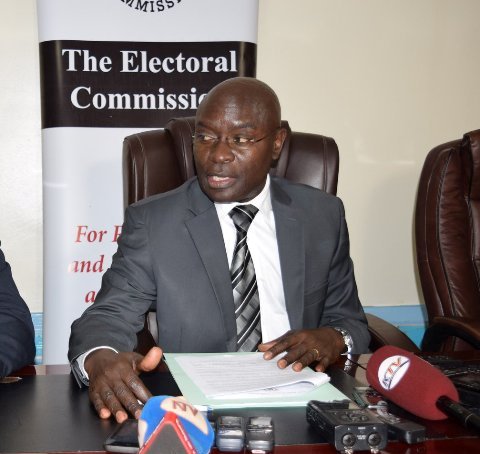
EC chairman Justice Simon Byabakama.

The Electoral Commission (EC) has confirmed that Uganda’s Presidential, Parliamentary and Local Government elections will be held between January 12 and February 9, 2026 as outlined in its newly revised Roadmap for the 2025/2026 General Elections.

In a statement released to the public, the EC Chairperson, Justice Simon Byabakama said the roadmap provides clear timelines to guide all electoral activities across the country from grassroots to national level.

“In line with Article 61(2) of the Constitution, the polling period for Presidential, Parliamentary, and Local Government Councils will run from 12th January to 9th February 2026,” said Byabakama.

The EC boss also announced that the nomination of presidential candidates will take place on September 23 and 24, 2025, followed by official campaign activities beginning on October 4, 2025, and running through January 12, 2026.

“We urge all political parties, aspirants, and stakeholders to strictly observe these timelines and prepare in advance. This will ensure the smooth conduct of the general elections,” he emphasized.

Justice Byabakama said the revised roadmap also includes detailed schedules for Special Interest Groups (SIGs), including Older Persons, Youth, Persons with Disabilities (PwDs), and Workers, with elections at various administrative levels starting as early as July 24, 2025.

“These structures are vital in promoting inclusive participation. The Electoral Commission remains committed to conducting transparent, inclusive, and credible elections,” he noted.

Nominations for Parliamentary seats will be held on September 16-17, 2025, while Local Government nominations will take place from September 3- 12, 2025.

Byabakama reminded candidates and parties to respect the law and avoid any parallel political activities before the official campaign windows open.

“There will be no room for impunity or illegal campaigns. All campaign activities must fall within the legal periods specified in this roadmap,” he warned.

The Commission says it will work closely with security agencies, local governments, civil society and media to ensure voter education, access to information and peaceful conduct of the elections.

Ugandans are now looking ahead to a tightly scheduled election season that will determine the country’s leadership for the next five years, with heightened attention on the presidential race, expected to be hotly contested as many new opposition parties have emerged to race the ruling party National Resistance Movement. 

Stories Continues after ad

SFC to guard all 2026 presidential candidates-Gen Muhoozi

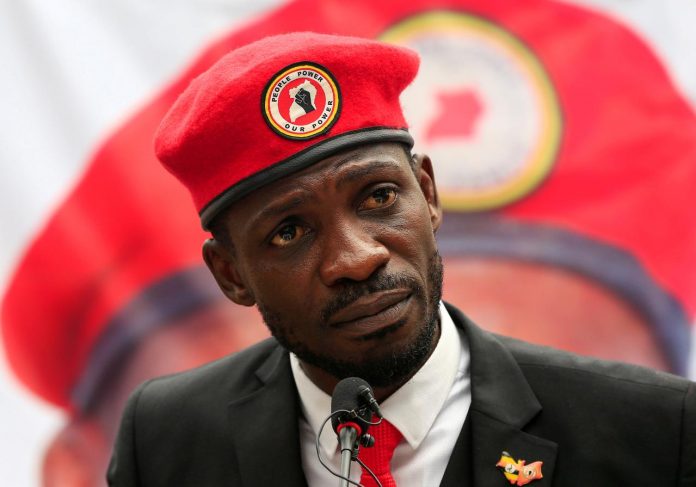
Robert Kyagulanyi aka Bobi Wine hails from Buganda.

The Chief of Defence Forces (CDF), Gen Muhoozi Kainerugaba has announced that all presidential candidates in Uganda’s 2026 general elections will be exclusively protected by the Special Forces Command (SFC), shifting from the previous tradition of police-led protection.

In a statement posted on his official X (formerly Twitter) account, Gen Muhoozi said the elite force will be solely responsible for securing all contenders for the country’s top seat.

“I have said it once and for all, all presidential candidates will be guarded only by SFC! Any personal arrangements that do not concur with our standard operating procedures (SOPs) will be smashed immediately,” he declared.

The declaration marks a departure from previous electoral cycles in which the Electoral Commission (EC) provided each presidential candidate with police protection. In past elections, candidates were assigned armed escorts and a convoy of police officers to ensure their safety during campaign activities.

According to the Electoral Commission Act and Presidential Elections Act, the state is mandated to provide equal security and logistical facilitation to all presidential aspirants. In the 2021 elections, all 11 candidates were assigned police guards, escort vehicles, and liaison officers.

However, the lead-up to 2026 appears to be taking a new security direction under the stewardship of Gen Muhoozi, who also previously commanded the Special Forces Command — a unit tasked with protecting the President, First Family, and key national assets.

The move comes amid reports that some political organizations are training their own bodyguards to provide personal protection to their leaders, a trend that has drawn scrutiny from security agencies and political analysts alike.

Critics argue that this practice not only undermines official security protocols but also risks escalating political tension and violence during campaigns. Others see the decision to place SFC at the center of election security as a sign of growing militarization of Uganda’s politics.

However, the move is seen with an aim to ensure uniformity, professionalism and the safety of candidates in what could be a high-stakes and potentially volatile election season. Yet, opposition figures and human rights advocates have raised concerns about impartiality, citing the SFC’s close ties to the ruling establishment.

Electoral observers will be watching closely to see how this policy is implemented, and whether it allows for free and fair participation by all candidates regardless of political affiliation.

The Electoral Commission is yet to comment officially on Gen Muhoozi’s statement or issue formal guidelines regarding candidate security ahead of nominations.

Stories Continues after ad