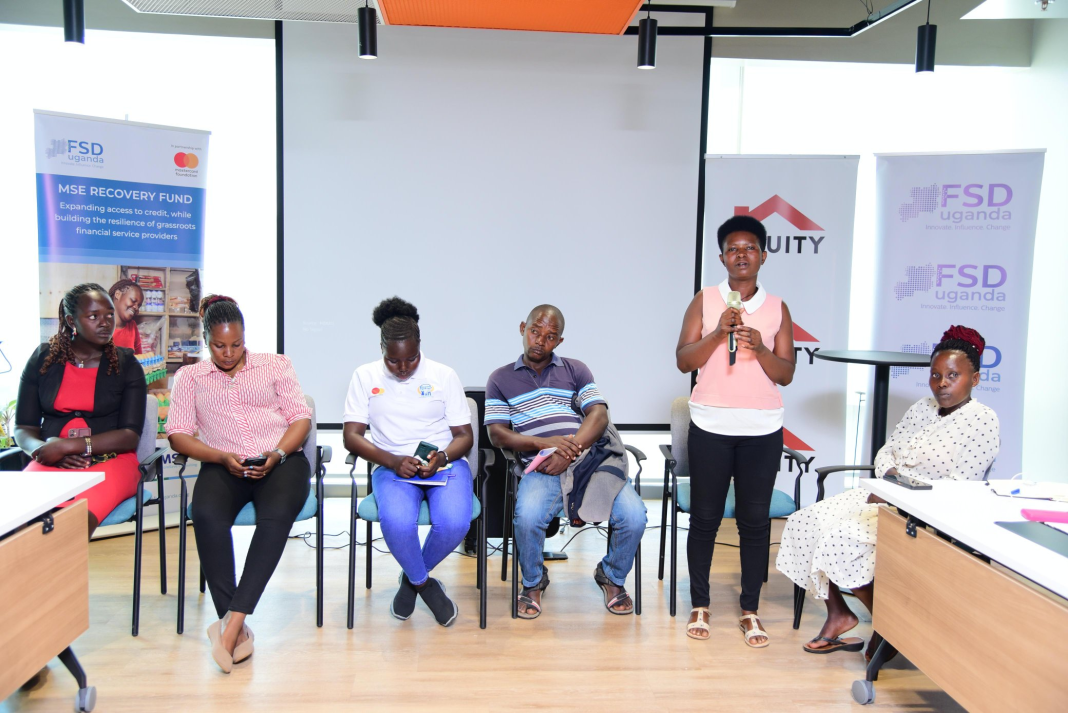
In different rural areas of Uganda, a quiet but powerful transformation is unfolding led by young people who are now reshaping their futures through financial literacy and access to capital.
At the heart of this movement is Equity Bank Uganda, whose partnership with the Mastercard Foundation under the Young Africa Works strategy is equipping youth-led micro and small enterprises with the knowledge and resources to succeed.
Many of these young entrepreneurs began their journeys without the tools to manage even the smallest businesses.
“I didn’t keep records or track sales. I would use stock for myself without accounting for it,” a young woman from the Chitwe Youth Farmers Group shared, reflecting on her early challenges running a small salon business.
In Fort Portal, a farmer said he had “no knowledge about money” and often mishandled earnings from agriculture.

In Nakivale, members of the No Empire Women Empowerment Association faced similar chaos. “We had many misunderstandings because we didn’t know how to plan or budget,” a leader admitted.
From Rhino Camp to Isingiro, this pattern repeated—youth struggling with savings, poor business management, and no access to finance. That changed when Equity Bank introduced financial literacy sessions between 2021 and 2023. The training was hands-on and practical, covering bookkeeping, budgeting, inventory management, and how to separate personal and business income.
“I learnt how to track my expenses, monitor stock, and record everything,” said the Chitwe youth, adding, “For the first time, my business made a profit.”
The Fort Portal farmer echoed this shift. “I started budgeting and keeping records. That’s what helped me manage my loan.”
For Nakivale’s No Empire group, the lessons brought structure and trust, helping members align on goals and operate more effectively.
With this new knowledge, youth accessed working capital through Equity Bank’s group lending model. These loans—often between Shs2 million and Shs5 million—require no collateral, making them accessible even to those with limited assets. The Fort Portal entrepreneur used his loan to invest in agriculture, start a mobile money shop, and enroll in a business degree. “Because I understood money, I used it well,” he said.
Others diversified too. In Chitwe, the young salon owner bought large dryers, started poultry farming, and expanded her group’s ventures. In Nakivale, Shs5 million helped No Empire launch tailoring and digital literacy training programs, generating jobs and income. In Rhino Camp, a youth group used funds to construct training facilities and empower 56 members, mostly women, in bakery and catering.
The ripple effects have been remarkable. One formerly struggling salon is now supporting a single mother’s household and educating her children. “My life changed completely,” she shared. “I even mentor others now.” In Isingiro, Misha Dan turned her hair-braiding business around, began poultry farming, and became a mentor to women in six subgroups. “I’m proud to share what I’ve learned,” she said.
In Nakivale, refugee women used their skills to tackle gender-based violence and reduce unemployment. “Each member now has a skill to earn from,” a leader said. Communities have since launched soap-making cooperatives, savings groups, and new enterprises—all sparked by training and accessible finance.
While success stories continue to emerge, these youth are calling for more. “We need refresher courses to help new members and stay sharp,” said the Chitwe entrepreneur.
In Fort Portal, the demand for financial education remains strong. Groups have grown, and members want higher loan limits to support expanding ventures. “Shs5 million isn’t enough when you have 30 people,” a Rhino Camp leader noted.
Still, the progress is undeniable. Many of these youth now run sustainable businesses, employ others, and act as mentors in their communities.
Equity Bank Uganda and the Mastercard Foundation’s vision is becoming a reality one where young people no matter their background have the tools to build lasting livelihoods and drive community development. With continued support and a listening ear, this generation is not just being uplifted—they are lifting others with them.