Last year, Rotary District 9213 stood out as the most impactful humanitarian network, having quietly but steadily touched lives across the country through health, education, environmental, and economic empowerment initiatives that left a lasting imprint on communities.
Guided by the Rotary International motto ‘Service Above Self’, the district’s work over the past year reflected a deliberate shift from short-term charity to sustainable, community-led solutions aimed at improving the quality of life for the most vulnerable.

Reflecting on the year’s achievements, Rotary District 9213 leadership described the period as one defined by compassion, partnership, and purpose.
“Rotary brought together people who cared deeply about their communities and worked tirelessly to reduce suffering, improve health, and create opportunities for dignity and self-reliance,” the district leadership noted in a year-end reflection.
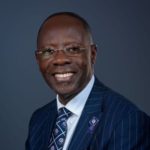
Under the stewardship of District Governor Geoffrey Martin Kitakule, Rotary District 9213 expanded its footprint across Uganda, mobilising Rotarians, partners, and volunteers to respond to some of the country’s most pressing challenges.

One of the most visible impacts was recorded in the health sector. During the year, Rotary clubs under District 9213 organized multiple blood donation drives, contributing thousands of units to regional blood banks at a time when hospitals faced critical shortages. These drives not only saved lives but also helped raise awareness about voluntary blood donation, particularly among young people.
Health outreach activities were further strengthened through community medical camps, conducted in partnership with corporate entities and health institutions. These camps offered free screening and treatment for conditions such as diabetes, hypertension, malaria, cancer, maternal health complications and mental health challenges, reaching thousands of underserved Ugandans.
“No one should die from preventable or treatable illnesses simply because they cannot afford care,” Governor Kitakule said during one of the outreach activities, reaffirming Rotary’s commitment to equitable access to health services.
The district also made significant strides in the fight against malaria. In Fort Portal Tourism City, Rotary District 9213 launched a community action project that combined mosquito net distribution, household sensitisation and training of Village Health Teams. Schools and communities were engaged in prevention campaigns, helping reduce infection risks among children and expectant mothers.
The Rotary District 9213 also partnered with the Joint Clinical Research Centre and established Uganda’s first Bone Marrow Transplant facility, meant to save lives, reduce treatment costs, and provide advanced care for patients with blood disorders, cancers, and HIV locally. JCRC and Rotary leaders highlighted the potential of bone marrow and gene therapies to transform healthcare in Uganda. With Sickle Cell Disease and HIV creating a heavy health burden, the planned BMT facility will offer curative treatments previously available only abroad, thus bringing hope and better access to thousands of families.
In July, 2025, Mukono District witnessed more than just an event: The Rotary Club of Mukono-Namilyango, together with ten Rotary Clubs and two Rotaract Clubs, led a campaign on menstrual hygiene and skills empowerment at Hasteh Royale Hotel, Njerere. Over 130 women and girls were trained on making reusable sanitary pads, while boys and community members joined to raise awareness and break stigma. The initiative also promoted sustainable practices and economic opportunities, equipping participants with practical skills to improve health, confidence and school attendance across Mukono communities.
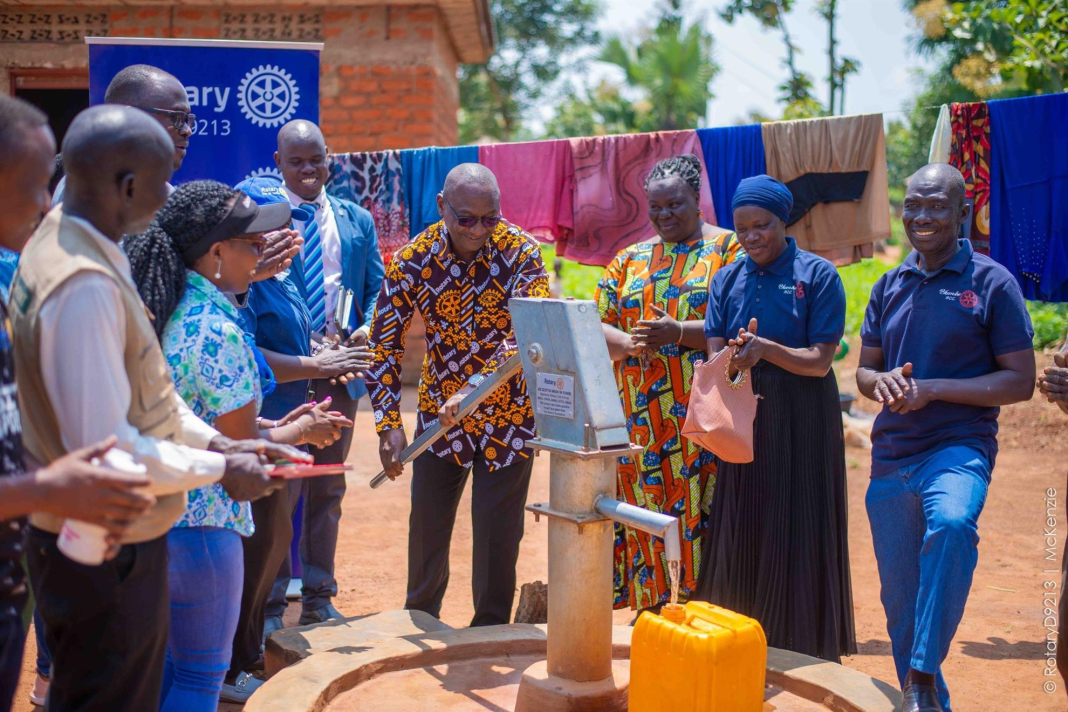
Beyond health, Rotary District 9213 invested heavily in education and youth development. Through Rotary Youth Leadership Awards programmes and school based initiatives, hundreds of young people were equipped with leadership, financial literacy and life skills. Several schools benefited from donations of learning materials, sanitation facilities and clean water systems, easing the learning environment for both learners and teachers.
Economic empowerment emerged as another pillar of the district’s work. Throughout the year, Rotary clubs rolled out financial literacy and entrepreneurship programmes, particularly targeting women, youth and informal sector workers. These initiatives helped households gain practical skills in saving, budgeting and income generation, reducing vulnerability and strengthening community resilience.
Environmental protection and climate action were not left out. Rotary District 9213 supported tree planting campaigns, sanitation drives and clean water projects, reinforcing the link between environmental stewardship and public health.
The Rotary Club of Kampala South, together with the Rotaract Club transformed environmental management in Kyaka II Refugee Settlement, reaching over 36,000 residents through waste management and WASH initiatives. Community-led waste groups were established, equipped with tools and training in recycling, composting and bookkeeping, producing briquettes and compost while generating income reinvested into local savings. Settlement-wide cleanups, radio campaigns, and engagement with boda-boda riders further promoted awareness and sustainable practices.
Complementing waste management, the WASH project improved access to clean water for more than 36,800 people. Key interventions included a 100,000-litre water tank, rainwater harvesting systems in schools and health facilities, a mobile water testing lab and the extension of electricity to the Bujubuli Water Plant; reducing carbon emissions and diesel costs while ensuring reliable water supply. Together, these initiatives demonstrate how environmental protection, clean water, and community empowerment can work hand in hand to improve health, livelihoods, and resilience in refugee settlements.
Reflecting on the district’s philosophy, leadership emphasised that Rotary’s work went beyond handouts.
“Service is not charity. It is empowerment. Our goal has always been to work with communities so that solutions last beyond our involvement,” Governor Kitakule said during one of the district engagements.
As the year ended, Rotary District 9213 also acknowledged the role of partners, media houses and volunteers whose support amplified the impact of the district’s work. Media coverage, including features by Eagle Online, helped spotlight community stories that might otherwise have gone untold.
Looking back, the year served as a powerful reminder of what coordinated goodwill can achieve. Through blood donation drives, health camps, education support, financial literacy programmes and environmental action, Rotary District 9213 demonstrated how consistent service can quietly but profoundly change lives.
As communities across Uganda continue to feel the ripple effects of these interventions, Rotary District 9213’s legacy of the past year stands as proof that purposeful leadership and collective action remain powerful tools for social transformation.
Rotary began with just four individuals bound by an idea to come together in friendship and service. From those humble beginnings, it has grown into a global force united by a shared commitment to doing good. Yet at every level, from the global stage to local communities, Rotary’s true strength has always been its people. That is why the future of Rotary depends on being intentional and passionate about welcoming new members into this family of service, ensuring its impact continues to grow for generations to come.