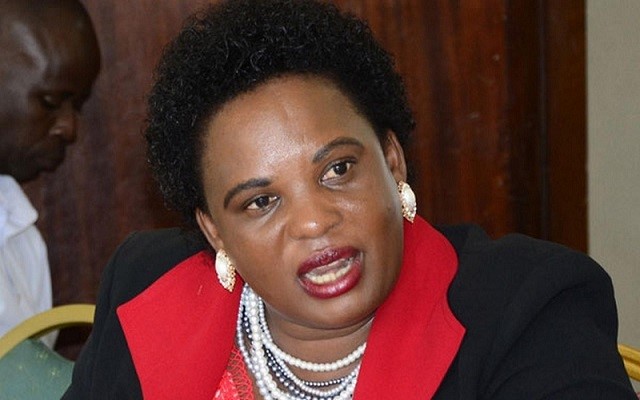
Kampala, Uganda – January 18, 2026–Uganda’s 2026 general elections have delivered one of the biggest political upheavals in recent history, after ten serving cabinet ministers lost their parliamentary seats in a stunning rejection by voters across the country. The defeats mark a dramatic shift in public sentiment, signaling mounting pressure on the ruling party to refresh its political class.
The most shocking casualty was Beatrice Anywar, the Minister of Water and Environment, who lost Kitgum Municipality to opposition candidate Dennis Onekalit Amere. Anywar, once a political heavyweight both within opposition and later government, failed to mobilize enough support to retain her seat.

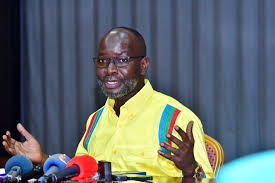
Another major loss came from David Bahati, State Minister for Trade, Industry and Cooperatives, who was defeated in Ndorwa West County. Bahati, long considered one of the most influential ministers from the Kigezi region, had already lost the NRM primary and ran as an independent, but still fell short.
In a headline-grabbing contest in Lira City, Betty Amongi, Minister of Gender, Labour and Social Development, was defeated by fellow cabinet member Dr. Jane Ruth Aceng, in what became the only race nationally where two serving ministers battled for a single parliamentary slot.

Government Chief Whip Hamson Obua also lost the Ajuri County contest, despite his national stature and longtime loyalty to the ruling National Resistance Movement. Analysts say his defeat underscores frustrations in northern Uganda over service delivery and youth unemployment.
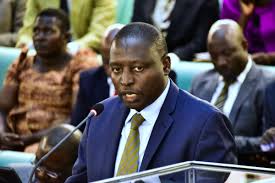
Other ministers who failed to secure a return to the 12th Parliament include:
Moriku Kaducu, State Minister for Primary Education – defeated in the Moyo District Woman MP race
John Mulimba, State Minister for Foreign Affairs (Regional Affairs) – voted out
Okello Oryem, State Minister for Foreign Affairs (International Affairs) – lost Chua County
Frederick Ngobi Gume, State Minister for Cooperatives – defeated in Bulamogi North West, Kaliro District
Florence Nambozo Wamala, State Minister for Karamoja Affairs – lost Sironko Woman MP seat
Peter Lokeris, Minister for Karamoja Affairs – lost in Chekwii East County
A Public Demand for Change
Voting patterns across the country revealed a clear appetite for renewal, particularly in regions where incumbents had held office for more than a decade. Opposition parties and independents made significant inroads in urban constituencies, while traditional NRM strongholds fractured in several districts.
Political commentators say the wave of losses represents a broader message from the electorate — dissatisfaction with stalled economic progress, local-level governance, and unmet campaign promises.
“This election was a referendum on the performance of both Parliament and Cabinet,” one analyst noted. “Voters wanted new faces, new energy, and fresh leadership.”
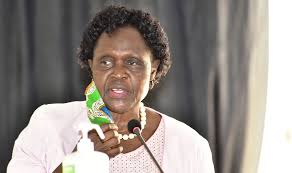
Implications for Cabinet and Governance
With so many ministers removed from Parliament, President Yoweri Museveni faces mounting pressure to reorganize and possibly downsize the Cabinet. While Uganda’s constitution allows the President to appoint ministers from outside Parliament, the defeat of senior figures suggests deeper realignments may be inevitable.
NRM insiders privately acknowledge concerns that the party’s internal cohesion could weaken if defeated ministers are retained in government roles, sidelining newly elected MPs eager to participate in Cabinet.
A New-Look Parliament Ahead
As results continue to be certified by the Electoral Commission, one outcome is already clear — Uganda’s 12th Parliament will be younger, more competitive, and considerably less predictable than its predecessor. Several first-time MPs, many under the age of 35, defeated long-serving incumbents.
Whether the public’s demand for change will translate into policy shifts remains an open question, but the electorate has already reshaped Uganda’s political landscape with a clear and unmistakable message: no seat is safe, not even for ministers.