Cabinet has approved the use of the National Identification Number (NIN), issued by the National Identification and Registration Authority (NIRA), as the Tax Identification Number (TIN) for paying taxes for all individuals in Uganda going forward.
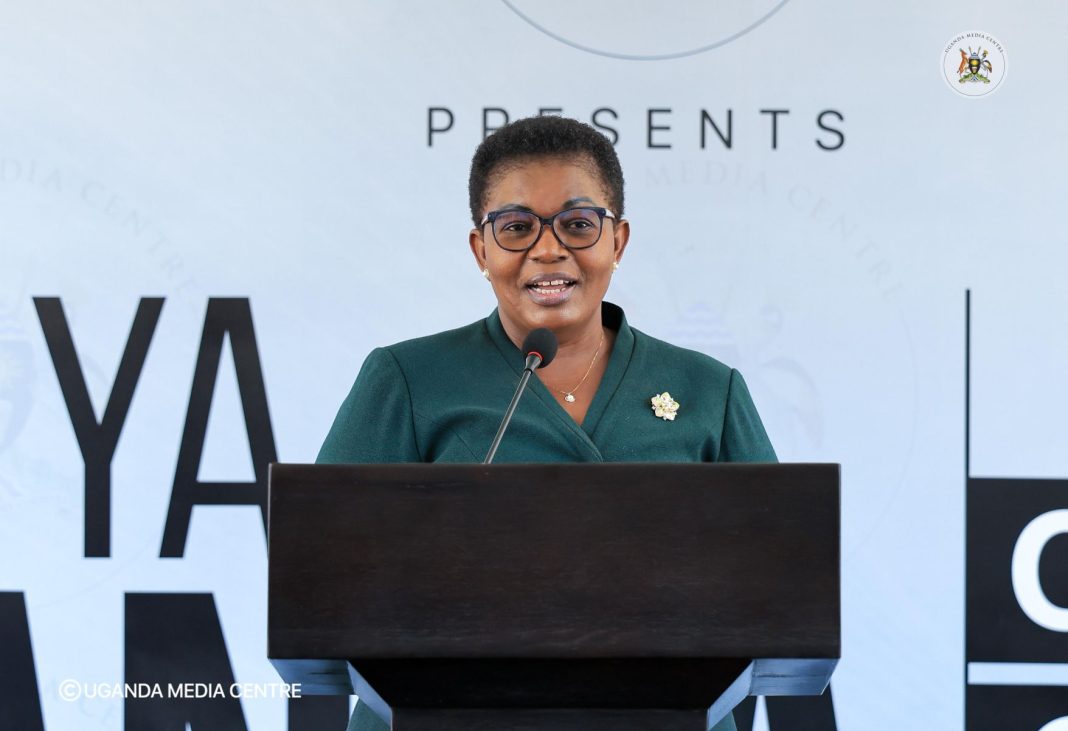
The development was announced by the Minister of ICT and National Guidance, Justine Kasule Lumumba, while addressing Journalists at the Uganda Media Centre in Kampala on Tuesday.
“For years, our tax registration system has relied on a separate, largely manual TIN-based process. It has served its purpose, but it has also left us with outdated and inconsistent records, and that creates real weaknesses in data accuracy, compliance, and service delivery,” she said.
Minister Kasule revealed that by adopting the NIN as the tax identification number, the government is establishing one consistent identity for every taxpayer, which will improve the accuracy of the government’s taxpayer register, strengthen its ability to identify and trace taxpayers, and make its data systems work better together.
“It will help us improve compliance, reduce revenue leakage, and make it simpler for citizens to register and communicate with the tax authorities. It will also give us visibility into worldwide income, and more broadly, it strengthens our national identification system as a whole,” she said.
Kasule noted that the move is aimed at building a single, reliable foundation of identity that helps government plan and deliver programmes more effectively for our people.
Hon Kasule also revealed that cabinet approved the National Water Policy of 2026, aimed at strengthening the legal and institutional framework that governs how the country develops and manages its water resources at every level.
“In practical terms, it means we are working to guarantee enough clean water, of the right quality, for everyone who needs it. It means being smarter and fairer about how water is allocated and used, closing the gaps in access to water and sanitation, and taking a more integrated, forward-looking approach to how we plan for water as a country,” she said.
Kasule noted that the policy will also strengthen its efforts to prevent pollution and manage demand more responsibly, so that this resource is protected for future generations.