The Government of Uganda has awarded higher education loans to 2,790 students for the 2026/2027 academic year, with female students slightly outnumbering their male counterparts among the latest beneficiaries.
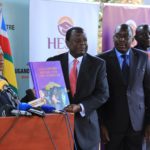
The beneficiaries were announced on Thursday by the Acting Minister of Education and Sports, John Chrysostom Muyingo, during a media briefing at the Uganda Media Centre in Kampala.

The students form the 13th cohort to benefit from the Higher Education Students’ Financing Scheme (HESFS), which was established to help academically qualified Ugandans who are unable to meet the cost of higher education because of financial constraints.
According to the Ministry of Education and Sports, the selection followed 10,615 applications received for the academic year. Of these, 8,005 applicants were found eligible for consideration, while 2,610 were ruled ineligible.
A major reason for rejection was failure to provide the required documentation. The ministry said 1,452 applicants submitted incomplete documents, making them ineligible for consideration.

Of the 2,790 students who were selected, 1,400 are female, representing 50.2 percent, while 1,390 are male, accounting for 49.8 percent.
The increase in the number of female beneficiaries is particularly notable, with their number rising from 862 in the 2025/2026 academic year to 1,400 in the new cohort.
The ministry said the figures reflect continued efforts to improve gender inclusion and ensure that more female students have access to financing for higher education.
The new cohort includes 2,019 students pursuing undergraduate programmes and 771 students enrolled in diploma programmes.
The government has maintained a focus on programmes considered important to Uganda’s economic development, particularly Science, Technology, Engineering and Mathematics (STEM), as well as Tourism and Hotel Management.
Bachelor of Science with Education attracted the largest number of beneficiaries, with 581 students, followed by Engineering with 498, Computer Science with 313 and Health Care Management with 284.
The scheme has also continued to cater for students with disabilities. A total of 64 students with disabilities were selected, comprising 46 males and 18 females.
In addition to financial support for their studies, the students with disabilities will be eligible for specialised learning aids and appliances where such support is required to enable them to pursue their education.
The selection of beneficiaries was based on a three tier model designed to improve fairness and ensure that students from different parts of the country have an opportunity to benefit.
Under the model, 30 percent of the available slots were allocated through district quotas, another 30 percent according to the proportion of eligible applicants from districts and cities, while the remaining 40 percent was determined by socio economic vulnerability.
The ministry said other factors considered included academic merit, financial need, geographical equity, gender inclusion and disability status.
Applicants were assessed using a Proxy Means Test scorecard integrated into the Loan Management Information System. The system was used to establish the level of socio economic vulnerability of applicants and guide the allocation of the available loan slots.
The government has allocated Shs10.720 billion to finance the new cohort.
Although the initial budget had been planned to support 2,400 students, the ministry said lower than anticipated unit costs enabled the government to increase the number of beneficiaries by an additional 390 students.
Under the financing arrangement, the government will meet tuition, functional and research fees for successful beneficiaries, with the money paid directly to the institutions where the students are enrolled.
The number of participating universities has also increased from 25 during the 2025/2026 academic year to 33 in the new academic year.
The participating institutions include 11 public universities and 22 private chartered universities, together with several tertiary institutions offering diploma programmes.
Muyingo said the students would not receive the tuition money directly because the funds would be transferred to their respective institutions under arrangements between the Ministry of Education and Sports and the participating institutions.
The minister also urged beneficiaries to take their studies seriously and reminded former beneficiaries who had completed their studies and begun working to honour their repayment obligations.
He commended former beneficiaries who have already repaid their loans, saying their commitment was important in keeping the scheme running and creating an opportunity for more Ugandans to benefit in the future.
Successful applicants will be notified through SMS, the Ministry of Education and Sports website and its official social media platforms.
Those selected will then be required to sign loan agreements before the government releases the funds to their respective institutions.
The Higher Education Students’ Financing Scheme operates under the Higher Education Students’ Financing Act, 2014, which was amended in 2024.
The scheme is intended to expand access to university and other tertiary education by providing financial support to academically qualified Ugandans who would otherwise struggle to afford the cost of higher education.
The government is seeking to widen access to higher education while directing more support towards courses considered important for skills development, employment and Uganda’s long-term economic transformation.