Stanbic Bank
Stanbic Bank
21.3 C
Kampala
Stanbic Bank
Stanbic Bank
Home Blog Page 1579

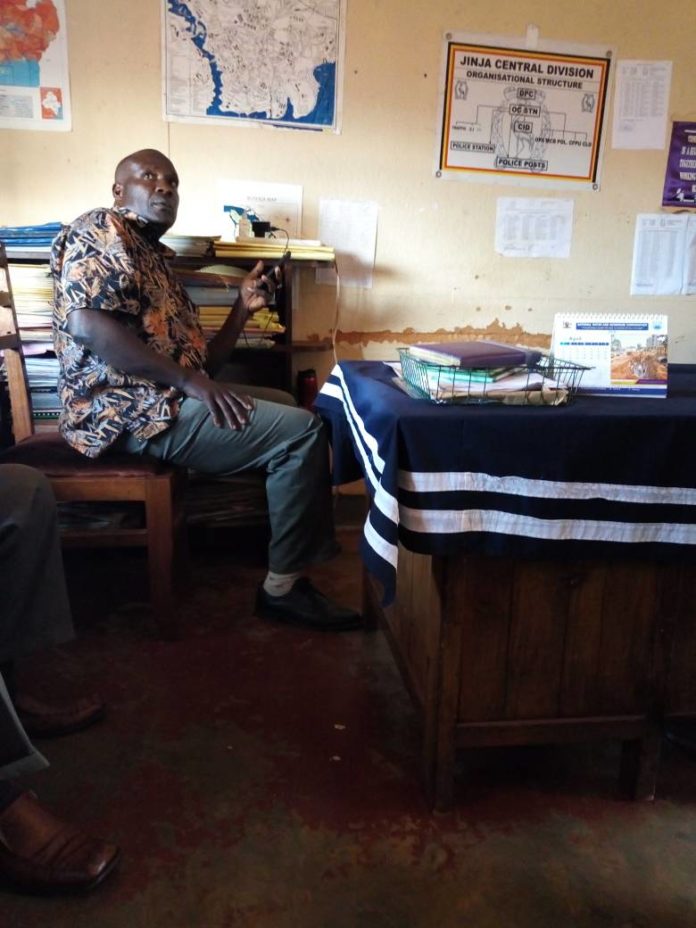
Jinja NRM chairman arrested over desertion, breaking electoral laws

Mr Ziwa has been denied police bond because he is a police deserter and therefore a flight risk

Jinja: Police have denied Jinja Municipality National Resistance Movement chairman bond.

Although it had been reported that Mr Julius Ziwa had been arrested out of persecution for supporting a Forum for Democratic Change (FDC) candidate in the just concluded by-elections where Mr Paul Mwiru trounced NRM’s Nathan Igeme, Police say Mr Ziwa is a serving marine officer at the rank of police inspector who had deserted the force and therefore he is a flight risk should he be granted bond.

Kiira regional police Commander, Onesmus Mwesigwa, says police have been looking for him over dissertation for “quite some time”.

“He is in our hands on several charges. During the recent by-election in Jinja east, a serving police officer was involved in assault, intimidation, sabotage of candidates, character assassination, bribery of voters and procuring of names of voters other than those registered in the voter’s register which is contrary to Section 29 of the Elections Act.

“Ziwa is an Inspector of Police. Now, if any officer is not at the station where he is posted he should either be on special duty or in the barracks. But Ziwa doesn’t work yet he has never been retired and he even [still] receives salary. Therefore, we pick interest [as police] in any case when our officers break the law. So, we have him in custody to answer those charges,” Mwesigwa said.

Appearing on Council-Yaife, a radio talk show on 87.7 Baba FM while campaigning for FDC candidate Paul Mwiru, Mr Ziwa said he had retired from the force.

“I retired some years back. I have only not yet received my benefits. I therefore, have no problem involving myself in partisan politics,” he Ziwa while on the show.

It was the same thing he said to the land inquiry commission of Justice Catherine Bamugemereire last year when he was asked to introduce self.

Mwesigwa, however, says all these claims by Ziwa are lies. “Take it from me, he is still a police officer,” he said.

It is not clear why police had not picked interest in pursuing the ‘deserter’ who since 2015 has been very active in politics.

He participated in partisan politics when he personally contested to hold the office he currently holds in the ruling party. He also actively campaigned for president Museveni and other NRM flag bearers in the district including Igeme in the 2016 general elections.

But his woes started early this year when he openly abandoned his NRM party flagger bearer, Igeme, criticized him and exposed his weaknesses and that of the party as he campaigned for Igeme’s rival.

Actually on Saturday January 20, 2018 Ziwa held a meeting with NRM village chairpersons of Walukuba and Masese parishes in Jinja east and lured them to declare loss of moral support and confidence in Igeme. This meeting which Ziwa called in his capacity as NRM chairman of Jinja Municipality was held at Walukuba Community centre.

“We need to have a leader that can lobby for us. We have many challenges such as the sorry state of our health centre IV. Besides, however much we vote for NRM, we have benefited nothing much,” Ziwa told the meeting.

Ziwa took the same crusade to the radios and rallies – weakening the NRM candidate and the party at large. Efforts by the party Secretary General, Justine Kasule Lumumba to have Ziwa tone down yielded no fruits. In fact even Igeme himself asked for forgiveness from Ziwa in case he had angered him or disappointed him in whichever way but Ziwa insisted the time was up for him.

During campaigns, Mr Ziwa was always in the company of FDC diehards including Jinja central division chairman – Kirunda  Mubarak, Jinja Municipal Council Speaker, Morrison Bizitu and former Walukuba Masese Division chairman, Muhammed Musisi Kibugudhu busy rallying support for Mwiru. The three are now on court bail facing charges related to election malpractices.

Last month NRM lawyers petitioned the High Court in Jinja praying that it nullified Mwiru’s victory and declare their client, Nathan Igeme Nabeta as the duly elected Member of Parliament for Jinja East.
NRM insists that the election was riddled with electoral malpractices including multiple voting by known members of the opposition, voter bribery, intimidation and violence against Nabeta’s supporters.

Stories Continues after ad

Angella Katatumba ‘assaulters’ granted bail

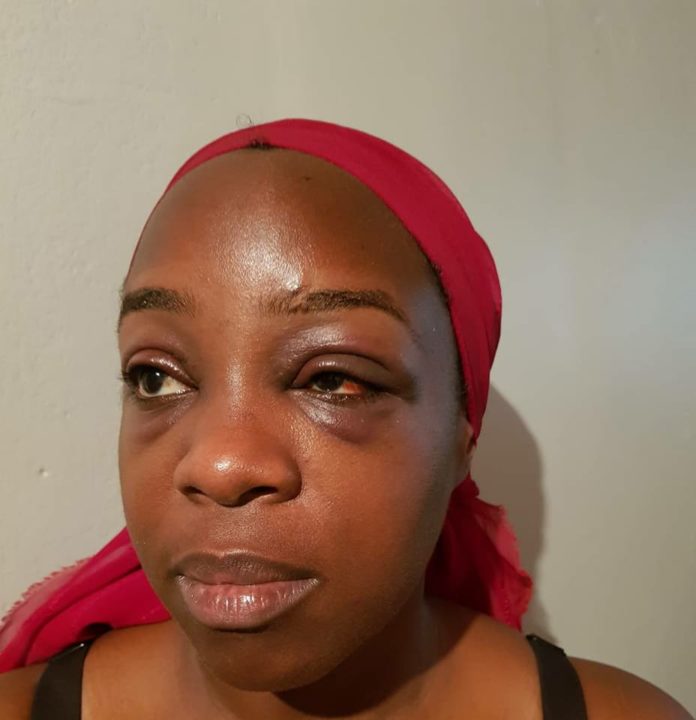
BRUISED: Angela Katatumba after being beaten and now demanding Shs1 billion.

Three employees of the Chicken Tonight outlet who were allegedly involved in assaulting singer Angella Katatumba about a month ago have been granted bail by the Makindye Chief Magistrate Elias Kakooza.

Makindye Chicken Tonight manager Olubrwoth Chuka, guard Dennis Okirot and waiter Kaddu were all given Shs500, 000 bail and their sureties ordered to pay a non-cash bail of Shs2 million.

The three have been on remand at Luzira Prison for allegedly assaulting and stealing money from the now-controversial Katatumba and her guest, Jamaican artiste Kuzi Kz.

Ms. Katatumba, in the company of visiting Jamaican artiste Kuzi Kz

Earlier the trio, represented by David Onyango, denied all charges levelled against them, saying they were defending themselves against the two complainants who started a fight after misunderstandings with the waiter.

The matter was adjourned to June 11.

Stories Continues after ad

Seeds of Neo-Colonialism – Why the GMO promoters get it so wrong about Africa

Graphic representation of GMO information sheet

By Afsafrica

The GMO lobby is showing signs of desperation. Once again they are on the offensive with a major public relations push targeting East Africa, particularly Uganda, in an attempt to subvert African policy development towards their own narrow ends. Their immediate goal is to weaken national biosafety laws, thereby removing any barriers to their access to African markets for their contentious high-risk products.

Specifically, they want to remove the ‘strict liability’ clauses and thereby avoid any responsibility; avoid having to pay compensation for any damage that they do; avoid labelling so that African people are prohibited from knowing if their food is genetically modified; and avoid any punishment that African laws can impose.

White male European so-called experts are channelling the message of the biotech industry, heavily controlled by US-European seed and chemical giants Monsanto/Bayer, Syngenta and DuPont Pioneer. The message once again is that failure of African farmers to adopt GMO technology is the root cause of hunger and poverty on the continent.

It is ironic that GMO foods are banned by law as unsafe in the European home countries of those giving the advice. Meanwhile the African biotech scientists seem more concerned that the strict liability measures will chase away donor funding and investment for their costly and “prestigious” research.

They blame the anti-GMO activists, rather than their own technological failure, for the impasse. They claim that if only the activists would shut up and go away, the industry backed researchers could fix the food insecurity problem once and for all!  Once again Africa is being compelled to adopt others’ views, others’ technologies, others’ interests. Have we not seen this before?

They claim to have ‘sound science’ on their side but what kind of science resolutely ignores the evidence? What has actually happened in those African countries where GMOs have been rolled out? Let’s take a look at the facts.

GMOs failed to improve food security in South Africa

So far only three African nations have allowed the cultivation of genetically modified (GM) crops commercially – Burkina Faso, Sudan and South Africa. Only South Africa grows a GM food crop, whereas Burkina Faso has phased out the growing of GM cotton after a monumental disaster for farmers and seed companies.

South Africa is the only country in the world where its main staple crop – maize – is primarily GM, making up around 80% of the maize meal consumed in the country. Considering that one of the key selling points of GM foods is that they will alleviate the perennial problems of hunger and food insecurity in Africa by increasing yields, what has been South Africa’s experience, and what lessons can the rest of the continent learn?

Despite more than a decade of GM maize use, food insecurity is rife with over 46% of South African households experiencing hunger. One in five children in South Africa are stunted, and over 50% of South African women are now overweight or obese. There is growing consensus in the public health sector in SA that the country needs to shift away from focusing on a few industrial crops with high calorie content (e.g. GMO maize) to a diverse range of foods that are nutritious, affordable, and produced in ecologically sustainable and culturally appropriate ways.

Bt cotton abandoned in Burkina Faso

African countries can also learn from the disastrous Bt cotton experience in Burkina Faso. Monsanto’s GM insect-resistant Bt cotton was introduced commercially in Burkina Faso in 2008 and planted on 100,000 hectares of land. But, after just a few years of commercialization, news began to filter into the international community that the project was a disaster.

The GM cotton produced shorter fibre lengths and lower cotton fibre efficiency than conventional varieties. Burkina cotton companies began to lose international markets due to the poor quality, while farmers lost their incomes. As a result, in 2015, some seven years after Bt cotton was first introduced, a national decision was taken to abandon GM cotton and return to conventional cotton. No more GM cotton would be grown in Burkina Faso from 2016. Many expect this signals the end of Bt cotton in West Africa, although Nigerian authorities are still stubbornly pushing the same failed technology.

What is clear is that the collaboration between Monsanto and Burkina Faso resulted in a product with undesirable characteristics that has harmed the cotton sector in the country, with damaging effects on the livelihoods of up to 2 million cotton farmers. Burkinabé cotton companies lost millions of dollars and mounted a legal battle to claim compensation from Monsanto. An important lesson is about the farmers’ lack of choice; the Bt cotton experiment was imposed on them by the dominant national cotton company SOFITEX. In the end, the whole saga has left small-scale farmers poorer, more vulnerable and disempowered.

False promises, misrepresentation and alternative facts

The GMO industry public relations strategy is simple but effective. Just repeat the following mantra: There is a scientific consensus that GMOs are safe. People who resist GMOs are anti-science ideologues.

In his book, ‘Seeds of Science – Why we got it so wrong about GMOs’, biotech ambassador and professional turncoat Mark Lynas attempts to sanitise the biotech spin by mixing it up with climate science. He writes: “I couldn’t deny the scientific consensus on GMOs, while insisting on strict adherence to the one on climate change, and still call myself a science writer.”

Yet the industry myth of scientific consensus on GMO safety has been thoroughly debunked in a statement signed by over 300 scientists, academics and legal experts. The statement concludes “that the scarcity and contradictory nature of the scientific evidence published to date prevents conclusive claims of safety, or of lack of safety, of GMOs. Decisions on the future of our food and agriculture should not be based on misleading and misrepresentative claims by an internal circle of likeminded stakeholders that a ‘scientific consensus’ exists on GMO safety.”

Laughably, Lynas claims that African anti-GMO campaigners are well funded ‘driving posh cars’ whereas they are clearly massively outgunned in a David vs Goliath battle by biotech corporations with stock market values bigger than the GDPs of their target African countries.

The fly-in pundit’s contempt for African people, custom and tradition is unmistakeable. The patronising Mr Lynas showed no interest in Africa until he joined the multi-million dollar funded Alliance for Science biotech PR machine where he is now a communications and policy lead.

In South Africa and Burkina Faso the insistence on GMOs has ignored the wider African context, and failed to deliver benefits of food security or economic gain. Despite countless millions of dollars and decades of research, the GMO industry has failed to produce crops that increase yields, resist drought or disease, or effectively add nutrients. Conventional breeding with African farmers on board has generated many hardy, reliable and nutritious food crops, but these are neglected as they do not fit the industry business model. But the wind of change is once again blowing through this continent. Now hosting six of the world’s ten fastest growing economies, Africa is demanding its right to self-determination – to choose its own destiny.

The credible alternative

The UN Food & Agriculture Organisation’s 2018 Scaling Up Agroecology Initiative notes:

“High-input, resource-intensive farming systems, which have caused massive deforestation, water scarcities, soil depletion and high levels of greenhouse gas emissions, cannot deliver sustainable food and agricultural production. Needed are Innovative systems that protect and enhance the natural resource base while increasing productivity. Needed is a transformative process towards ‘holistic’ approaches such as agroecology.”

GMOs are the sharp end of the push for corporate control of African food systems, but the evidence is clear. Industrial farming is a dead end. GMOs do not work!

Agroecology is the future of farming. It’s diverse – like nature. It’s productive – doubling yields in just a few years. It’s resilient to climate change, and puts carbon back in the ground. It’s efficient: less inputs, less waste. It’s culturally appropriate: local innovations and solutions.

It’s time we saw the pundits’ words for what they really are – biotech industry propaganda. It’s time to say NO to their failed solutions. It’s time for Africa to shake off the neo-colonial influence and shape her own healthy, resilient and culturally appropriate farming and food systems.

The Alliance for Food Sovereignty in Africa (AFSA) is a Pan African platform comprising networks and farmer organizations working in Africa. 


Stories Continues after ad

MPs clash over land commission’s failure to account for Shs13b

Justice Catherine Bamugemereire

Justice Catherine Bamugemereire’s Commission of Inquiry into Land matters will have to account for the first disbursement of Shs13 billion before it can receive extra funds it requires so badly to complete its work, a section of MPs have warned.

The MPs’ warning comes at the time when the Commission is in need of an extra Shs7.8 billion to accomplish its work.

MPs were yesterday responding to Speaker Rebbecca Kadaga’s guidance to the Physical Infrastructure Committee where she advised that the MPs stop demanding accountability from the Commission until its investigations in the land matters are complete. She said probing the committee at this time was premature and out of procedure.

But some MPs did not buy Speaker Kadaga’s idea and vowed they would petition the Budget Committee to scrutinize how Shs13 billion was used before they can approve the Shs7.8 billion supplementary funding to the Commission.

Busiro East MP Medard Lubega Sseggona (DP) wondered why the land probe committee has neglected the Public Finance Management Act, insisting the legislators’ demand for accountability was within the law.

“The demand for accountability before approving their supplementary request is not misplaced. Accountability is a requirement in the Public Finance Management Act,” Sseggona said, adding that Parliament, which appropriates the government budget, has a stake in how the commission spends the money.

“We are the appropriating authority, we set the terms because the Shs13b we have given them is a lot of money so they should justify why we should give them more,” Ssegona said.

The Bukomansimbi Woman MP, Veronica Nanyondo, also supported Ssegona, saying the Commission should account for public funds. “The good work of the Commission does not insulate them from providing accountability of funds they received,” she said, adding that the accountability was important for the MPs to know whether the money was put to good use.
The Justice Bamugemereire-led land probe commission has been on the spotlight over fat allowances and lavish spending. The commissioners, however insist that they are doing a ‘special job’ and that their investigations are expensive.

To buttress that argument, MP Abdul Katuntu and a few other members supported Speaker Kadaga, saying that demanding accountability from the Commission would disorganise its work.

However, although some MPs said the Auditor General would audit the Commission, MP Mathias Mpuuga (Masaka Municipality), said accountability was a must in the midterm.

“Commissions and projects need midterm accountability; post-mortems will not remedy a culture of impunity. How else do they explain the supplementary request, accountability is a must,” Mr Mpuuga said.

Others supporting the demand for accountability include Fort Portal Municipality MP Alex Ruhunda and Francis Mwijukye of Buhweju County.

But while some MPs have threatened to take the matter to the Budget Committee, Ms Lillian Nakate, the chairperson of the Committee on Physical Infrastructure, said they have no option but to heed to the Speaker’s guidance.
“As an oversight Committee, we have done our part but since the Speaker has guided, we have to respect that and wait,” she said.

In April President Yoweri Museveni directed Finance Ministry to give the commission an the extra Shs7.8 billion to complete business. The team has already handed in an interim report. The commission received 5,600 cases and traversed the country except West Nile.

Meanwhile, the Commission had been given an ultimatum of six months to come up with the report, but due to pubic demand and increased land cases, the President and the finance ministry added the commission money to ensure that they listen to every Ugandan who had issues with land. In the last 11 months, out of 6,000 the commission has handled 1,500.

From the media coverage, all regions where the commission has gone, it has exposed, arrested and grilled land grabbers, government officials who sell government and public land, politicians, rich security officers who use their powers to grab, torture and those who use other means to cause land problems in Uganda.

The commission has gone to the extent of calling senior citizens in the country, where by some have been proven guilty, while others give false information to the commissioners, which has led them into Police cells.
Interestingly, despite the notable achievements, recently the Inspector General of Government (IGG) and the Permanent Secretary of the finance ministry, promised to investigate the Bamugemereire Commission over accountability.

This development has since caused multiple arguments, with some people saying that since the commission has exposed some big government officials in land matters, some of the affected people who hold government jobs have also decided to investigate the commission’s spending of Shs13 billion. Others, mainly the Opposition, have come up to say this is a lot of money spent on a Commission of less than ten members.

On December 8, 2016 President Yoweri Museveni appointed and swore in a commission of inquiry into land matters to among other tasks:

Investigate and inquire into the law, processes and procedures by which land is administered and registered in Uganda.

Investigate and inquire into the role and effectiveness of the Uganda Land Commission (ULC) in administering public land and the Land Fund.

Investigate, inquire into and review the effectiveness of the relevant bodies in the preservation of wetlands, forests and game reserves and examine ways in which the challenge of human habitation in those areas can be resolved.

To investigate, inquire and solicit views on the role of traditional, cultural and religious institutions, who own large tracts of land with occupants in a bid to enhance better landlord/tenant relationships.

To assess the legal and policy framework on government land acquisition.

To identify, investigate and inquire into the effectiveness of the dispute resolution mechanisms available to persons involved in land disputes.
To inquire into any other matter connected with or incidental to the matters aforesaid and make recommendations.

The Commission shall make recommendations:

For improving the efficiency and effectiveness of the law, policies and processes of land acquisition, land administration, land management and land registration in Uganda and proposing necessary reforms.

Pertaining to civil, administrative and criminal sanctions against persons found culpable for wrong doing.

Stories Continues after ad

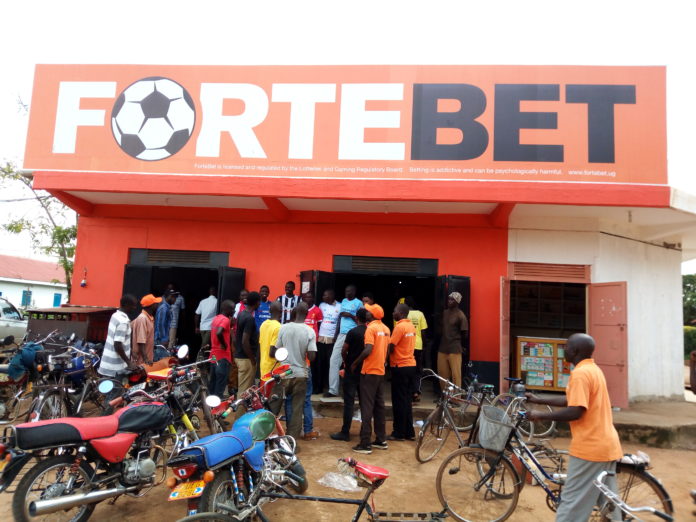
Fortebet says ‘Thank You’ to Soroti, Kumi customers

Kumi branch is one of the best in the whole Eastern region. (1)

What better way to say ‘Thank You’ to your friends with some gifts! This is exactly what Fortebet, now Uganda’s biggest betting company, did for its customers in the districts of Soroti and Kumi.

Like it has done elsewhere, Fortebet reached out to these customers, thanking them for making the betting company their Number One choice and also giving back to them.

8 customers got jerseys at Soroti market branch

A lot of gifts were given out to the happy customers, which included: team jerseys for the customers’ favourite clubs in Europe, Fortebet T-shirts, caps, pens and wrist bands. The gifts were given out in all the five branches of Fortebet in Soroti and Kumi branch over the weekend.

These five customers at Soroti market branch took home T-shirts

John Nanyumba, Fortebet’s media manager, while handing over the gifts at Soroti, said: “Fortebet is a people company. That is the main reason we are here today. We have not only come to chat with you but every giving you some gifts to say, thank you.”

Every customer that was found at any of these six branches received at least one of the above mentioned gifts.

“This is something that rarely happens in betting houses. I feel so happy because this is like a net profit I have earned from Fortebet. This is why Fortebet has become the best betting company because no other company can do this gift giving in big numbers like you have done. Thank you,” Denis. O, one of the customers that was found at Soroti Market branch said.

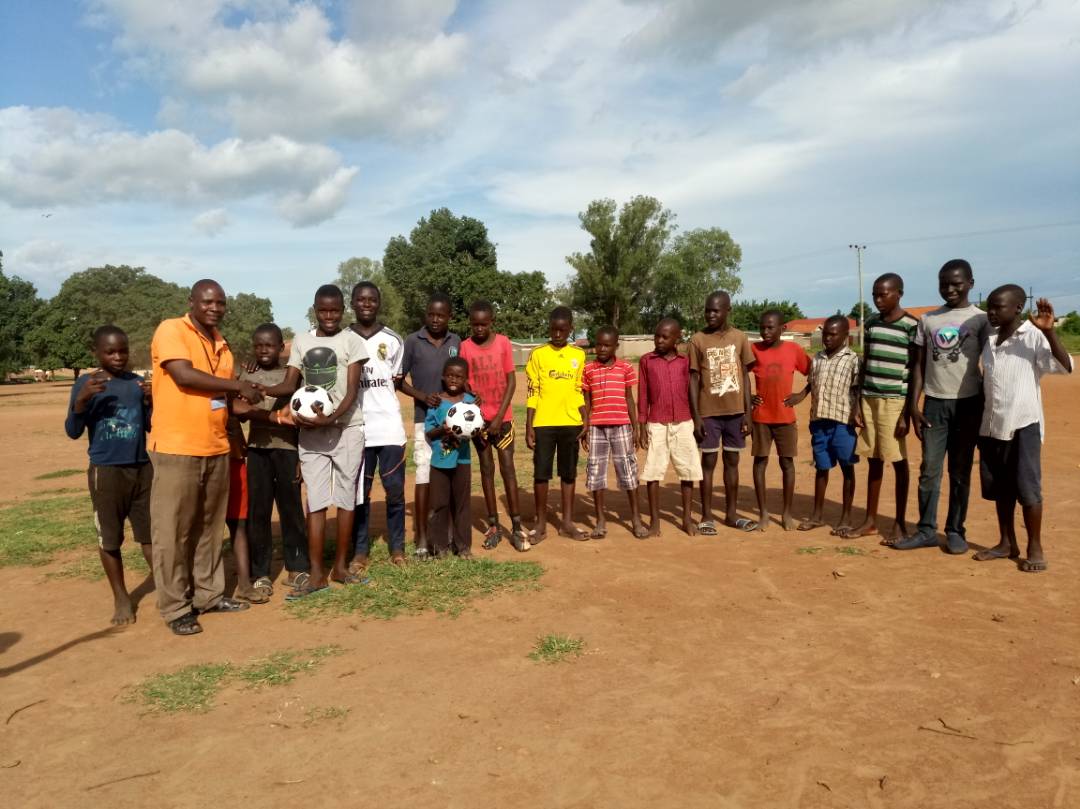
Kumi deputy branch manager, Simon Peter Lukwago handing over the balls to the kids at Kumi primary school

One the other hand, Fortebet is committed to ensuring the discovery and supporting of talents. In that respect, it gave out new balls to kids in this area as well.

Richard Ochom, a team captain of a community team that plays at Kumi Primary school, while receiving the balls on behalf of his teammates, thanked Fortebet for thinking about them, noting that this was the first time they were going to play a new ball and meant for kids. The handover of balls was done by Kumi assistant branch manager, Simon Peter Lukwago

Stories Continues after ad

Busoga dares you to the Kagulu Rock challenge, again

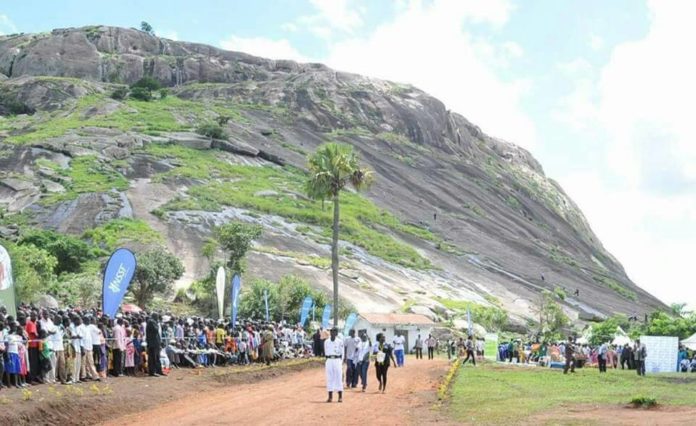
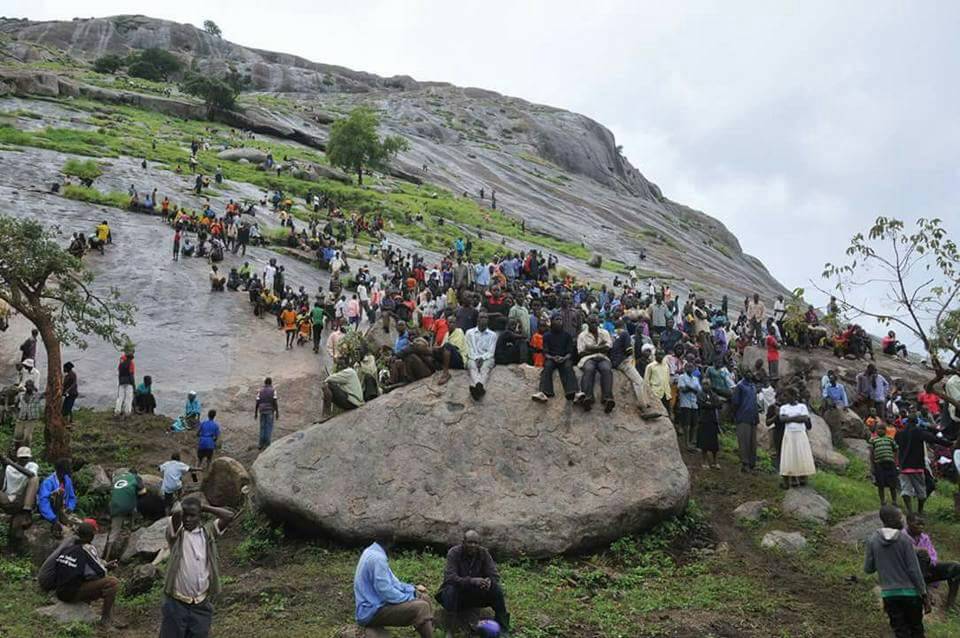
Kagulu Hill in Kamuli will this May host yet another climbing challenge.

Jinja: Dear reader,

Do you have faith in your leg muscles or do you just have a knack for some wild fun far away from your daily hustle?

Kagulu Rock in Kamuli is standing tall, daring your adrenaline the weekend of 26 May.

A solid rock rising at 3,600ft above sea level Kagulu is believed to be the first migration and settlement Center in Busoga for the Royal family from Bunyoro— it is said that Bunyoro kings sought sanctuary and spent most of their leisure time a top the rock sucking in the cool breeze and the thrilling view of the sprawling grasslands laid out in the valleys yonder.

That is where your money, and energy’s worth is—the view and feeling from atop the hill.

Participants at a past Kagulu Hill past event

There, Helena Namutamba, Busoga’s tourism minister says, you can view the beauty of Busoga from the water streams atop the rock and the ancient caves and Lake Kyoga interacting with the Nile from a distance.

“Kagulu rock is not beautiful because of its height and the challenge it gives to those who climb it but it has beautiful caves which offered sanctuary to the early settlers

“It’s believed that the caves were discovered around 1686 during king Olimi’s reign of Bunyoro,” she said.

Prince Mukama was among the first Banyoro traditional leaders to conquer Busoga and he settled in the caves on Kagulu rock after entering the region through Iyingo landing site, few kilometers from Kagulu rock

“He left a copper short stabbing spear, a boat at Iyingo culture site and those will be seen and felt by the climbers

“Kagulu rock is also a home for rare birds like the shy Shoebill, wild birds, baboons and crocodile that graze freely on the top which are attracted by the peninsulas of Lake Kyoga,” Minister Helena said.

Participants heading up the Hill at a past challenge

By the time former president Idi Amin was ousted, he had embarked on an ambitious project to construct a palace on the top so that he could view and communicate effectively with the people across Lake Kyoga while having an eagle bird’s view of Teso and Lango.

What remains of that ambition is a concrete structure—a communication Center constructed there in 1972

From a far, it might look like an ordinary rock— the ones you see around the country side— but as you approach its beauty unfolds, like a serene blooming of a flower, unleashing a provoking thoughts for a climb.

“We welcome all fun loving Ugandans and none Ugandans to come and cut a sweat and embrace the cool breeze that awaits them atop Busoga’s pride,” the tourism minister said.

Stories Continues after ad

R.I.S.E. and speak out to end gender-based violence

Mary Helda Akongo

By Mary Helda Akongo

In December 2017, Josephine Karungi, a renowned TV host, invited me to share my story as a domestic violence survivor on her show ‘Perspectives with Josephine Karungi’. To say I was scared beyond my wits would be an understatement, and yet I still gladly wore my orange dress and boldly roared.

This was the second time I was publicly narrating my story within 14 months. First time was on my blog site, and in the Daily Monitor, a sister company to NTV.  Before then, I had only disclosed my ordeal to a few of my closest friends since I was afraid of speaking out.

According to African societal stereotypes, I was a young girl who had no business being in a relationship at my age, and therefore, I believed saying anything would do more harm than good, so I chose to drench myself in depression until I pulled myself out of it after a year. According to the World Health Organization, an estimated 150 million girls under the age of 18 suffered some form of sexual violence in 2002 alone.

Keeping silent is what most youths do after they have been violently attacked, harassed or forced into a sexually related act against their will. The perpetrators will do the same to another person, and the cycle of gender-based violence continues.

Those who speak up risk being doubted, punished or get victim-shamed from society. It is also a known fact that men and boys are also affected by physical assault and rape and in most cases, they keep silent about such incidences because of the social stigma regarding their perceived lack of machismo and other denigrations of their masculinity. I believe men should start supporting each other just like women have chosen to do. Encouraging survivors to speak up, creating awareness, providing support for survivors, and educating them and the public about online and offline gender-based violence (GBV), is what it will take to end this vice.

Technology can be used as an essential tool for combating this depravity, and it is precisely what I am setting out to do. This year, my team and I are launching a community-based organization called Roaring Doves, a digital and offline community where female survivors of GBV can fearlessly R.I.S.E together through:

  • Roaring (Speaking Up): Survivors will be able to share their stories through blog posts and take part in social media campaigns that will also create awareness, sensitize the public and
  • Inspiring: Speaking up will motivate others to speak up or report
  • Support each other through peer to peer to peer counseling
  • Education: Content will be curated from online discussions will be used to conduct both online and training programs around universities and communities that we live in.

I am choosing to roar so that a thousand years from now, another woman will not have to wipe their tears wondering where in history she lost her voice. What will you do to end gender-based violence?

Mary Helda Akongo is a Blogger and one-time victim of domestic violence

Stories Continues after ad

Tips to improve your work results and satisfaction

By Martin Zwilling

In my role as business advisor, I rarely find owners and founders who aren’t working hard, but I often find dedicated people who can’t seem to stay focused. That means they may be killing themselves by working twenty hours a day, multi-tasking between email, their smartphone, and the crisis of the moment, but find themselves unable to focus on strategic issues and hiring.

For example, I tried desperately to channel the boundless energy and enthusiasm of a new business owner a few years ago, but she insisted on being a part of every activity, until she aggravated some previous health limitations, became bedridden, and the business floundered. We are all human, so it pays to recognize our limitations, and spend our energies wisely.

Over the years, I have developed some basic rules that work for me, and I believe can really help any business professional manage their focus and awareness in all work activities. Practicing these will ensure greater productivity, less stress, as well as an improved overall sense of well-being. For business owners, these rules can mean the difference between success and failure.

Many fast-growing companies, including Google and Starbucks, have active coaching programs to highlight these mental strategies and habits that lead to focus, and increase overall productivity:

Give full attention to individuals, objects, and ideas around you. Start by making a conscious decision to intentionally be totally present and focus on each team member, client, meeting, and family member. Don’t let your mind wander or give in to distractions around you, such as phones ringing, social media notifications, or report deliveries.

Focus on previously-seen problems from a fresh perspective. In this fast-moving word, today’s reality is different from the past, but it’s easy and often not productive to apply old perceptions, rather than utilize your more satisfying curiosity. Mindlessly applying the “way things have always been done” will not enhance your career.

Balance your efforts between satisfying tasks versus difficult. Practicing awareness of balance will lead to a change in your ability to focus and complete all tasks. Many business professionals give priority to easy tasks, such as email and texting, and practice long-term avoidance of more challenging work, thus lowering overall productivity.

Accept that you need not solve every problem personally. Extended fighting with a specific problem leads to anger and frustration, but rarely solves it. Focus until you have exhausted your own reasonable efforts, and then seek help. In business, the most productive people are ones who can work effectively with all the resources around them.

Regularly purge frustrations and negative thoughts from your mind. Clearing your mind is a simple powerful mental strategy to reset your perspective and refocus your thoughts to the task at hand. Eliminate negative distractions and toxic relationships. Spend some time on positive outside activities, including sporting events and music.

Find an occasion to smile and laugh every day. The key to cultivating happiness and joy is to focus on at least one activity that you enjoy daily. The best leaders look for positives to celebrate, rather than always being critical. Sometimes joy is just reserving a specific time for quiet contemplation and appreciation of all the good you see around you.

Incorporate kindness in every interaction with people. When you treat people with respect, understanding, and focus, they will do the same for you, making both of you more productive and happier as well. Handling constant interruptions is frustrating at best, leading to emotional and insensitive reactions, rather than constructive feedback.

Practice patience and listening before impulsively responding. Get in the habit of taking a few breaths to calm down before focusing on the next crisis request. Sometimes I find this means counting to ten or a bit of discomfort before tackling the next challenging situation. Other times it means softly saying “not now” or “get on my calendar.”

Without these initiatives, most people will find their productivity at work declining. We all face the same information overload, increased pressure to move fast, and often distracted work reality. Our attention is continuously under siege, leading to fewer results. Have you noticed an impact on your perspective, health, and happiness? Now may be the time to increase your focus.


Stories Continues after ad

Uganda Baati launches new customer service centre

The Uganda Baati modern showroom at the company's headquarters in Nakawa Industrial Area

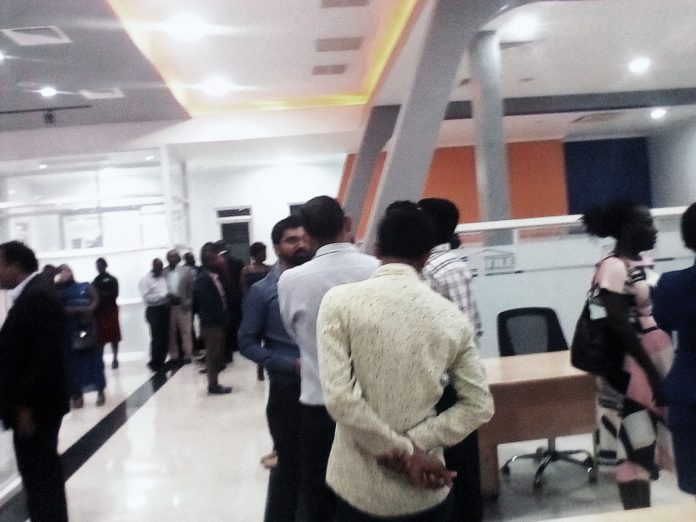
Customers of Uganda Baati, which is part of the Safal Group, will now be served faster and better following the company’s launch of a new customer service centre at its headquarters in Nakawa Industrial Area.

Stakeholders tour the new showroom

The launch of the one-stop customer service centre was graced by representatives from construction and real estate, banking sector, insurance sector, tax administration, logistics and transport sector and the media among others.

Officiating at the launch ceremony as guest of honour, the Mayor of Nakawa Division in Kampala Capital City, Eng. Ronald Balimwezo Nsubuga lauded Uganda Baati for their continued production of quality roofing iron sheets.

He also commended the company for its corporate social responsibility (CSR) programme which he said, has helped the communities. The company’s CRS focuses on shelter
education, health and environment.

He said the launch of the new service centre will save clients’ time and sort out complaints, which he said reduces the cost of doing business.

The Uganda Baati Chairman Board of Directors Dr Allan Shunubi said the new service centre was a milestone in the company’s history, adding that Uganda Baati would continue to innovate for the benefit of its customers.

He said Uganda Baati was the leader in the business of producing quality roofing iron sheets in the country. “We are the market leaders in that industry. No doubt about that,” Dr. Shonubi said.

The Chairman of Construction Hardware Dealers Association (CHADA), Abbas Mutyaba, launded Uganda Baati for opening the new customer service centre, saying it will serve the association’s members better “unlike in the past when they used from office to office, costing us time and business opportunities.”

Mutyaba appreciated the company for the production of quality products. “We thank you for innovation. We thank you for the variety of products. We thank you for quality, “he said, adding that the public appreciates quality products produced by the company.

Hellen Joy Musiime, the Uganda Baati Customer Service Manager, said the new customer service centre brings all functions of the company under one roof.

Uganda Baati is listed on the Uganda Securities Exchange with 100 shareholders and board chairman Shonubi said the company’s shareholders could get dividends next year as business improves.

Uganda Baati has showrooms in Mbale, Gulu, Mbarara, Entebbe and Nakasero.


Stories Continues after ad

WHO releases US$1m to fight Ebola in DRC

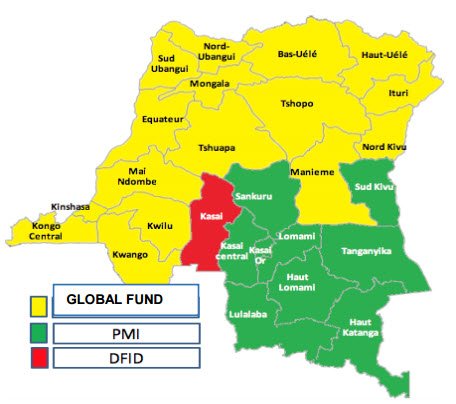
Map of DRC

WHO released US$ 1 million from its Contingency Fund for Emergencies to support response activities for the next three months in the Democratic Republic of Congo (DRC) with the goal of stopping the spread of Ebola to surrounding provinces and countries including Uganda.

The DRC on Tuesday declared a new outbreak of Ebola virus disease (EVD) in Bikoro in Equateur Province, forcing WHO to release US$1m to fight the disease and stop it from spreading to other countries in Africa. The outbreak declaration occurred after laboratory results confirmed two cases of EVD.

The DRC Ministry of Health informed WHO that two out of five samples collected from five patients tested positive for EVD at the Institut National de Recherche Biomédicale (INRB) in Kinshasa. More specimens are being collected for testing.

WHO is working closely with the DRC government to rapidly scale up its operations and mobilize health partners using the model of a successful response to a similar EVD outbreak in 2017.

“Our top priority is to get to Bikoro to work alongside the Government of the Democratic Republic of the Congo and partners to reduce the loss of life and suffering related to this new Ebola virus disease outbreak,” said Dr Peter Salama, WHO Deputy Director-General, Emergency Preparedness and Response.

He added: “Working with partners and responding early and in a coordinated way will be vital to containing this deadly disease.”

The first multidisciplinary team comprised of experts from WHO, Médecins Sans Frontières and Provincial Division of Health travelled to Bikoro to strengthen coordination and investigations.

Bikoro is situated in Equateur Province on the shores of Lake Tumba in the north-western part of the country near the Republic of the Congo. All cases were reported from iIkoko Iponge health facility located about 30 kilometres from Bikoro. Health facilities in Bikoro have very limited functionality, and rely on international organizations to provide supplies that frequently stock out.

“We know that addressing this outbreak will require a comprehensive and coordinated response. WHO will work closely with health authorities and partners to support the national response. We will gather more samples, conduct contact tracing, engage the communities with messages on prevention and control, and put in place methods for improving data collection and sharing,” said Dr Matshidiso Moeti, the WHO Regional Director for Africa.

This is DRC’s ninth outbreak of EVD since the discovery of the virus in the country in 1976. In the past five weeks, there have been 21 suspected viral haemorrhagic fever in and around the iIkoko Iponge, including 17 deaths.

“WHO is closely working with other partners, including Médecins Sans Frontières, to ensure a strong, response to support the Government of the Democratic Republic of the Congo to prevent and control the spreading of the disease from the epicentre of iIkoko Iponge Health Zone to save lives,” said Dr Allarangar Yokouide, WHO Representative in the DRC.

Upon learning about the laboratory results, WHO set up its Incident Management System to fully dedicate staff and resources across the organization to the response. WHO plans to deploy epidemiologists, logisticians, clinicians, infection prevention and control experts, risk communications experts and vaccination support teams in the coming days. WHO will also be determining supply needs and help fill gaps, such as for Personal Protective Equipment (PPE). WHO has also alerted neighbouring countries. 

Building on the 2017 response

Ebola is endemic to the Democratic Republic of the Congo. The last Ebola outbreak in the Democratic Republic of the Congo occurred in 2017 in Likati Health Zone, Bas Uele Province, in the northern part of the country and was quickly contained thanks to joint efforts by the Government of DRC, WHO and many different partners.

An effective response to the 2017 EVD outbreak was achieved through the timely alert by local authorities of suspect cases, immediate testing of blood samples due to strengthened national laboratory capacity, the early announcement of the outbreak by the government, rapid response activities by local and national health authorities with the robust support of international partners, and speedy access to flexible funding.

Coordination support on the ground by WHO was critical and an Incident Management System was set up within 24 hours of the outbreak being announced. WHO deployed more than 50 experts to work closely with government and partners.

The Ebola virus causes an acute, serious illness which is often fatal if untreated. The average EVD case fatality rate is around 50%. The virus is transmitted to people from wild animals and spreads in the human population through human-to-human transmission.


Stories Continues after ad