Stanbic Bank
Stanbic Bank
17.3 C
Kampala
Stanbic Bank
Stanbic Bank
Home Blog Page 27

Uganda’s exports hit $1.45b in January on strong gold and coffee sales

Gold is among the items that have brought in export earnings to Uganda.

Uganda’s export sector recorded a robust performance in January, with total earnings reaching $1.45 billion, up 72.1 percent from $844.60 million in the same month last year, according to the Finance Ministry’s February 2026 Performance of the Economy Monthly Report.

The growth was largely fueled by soaring gold and coffee exports, alongside contributions from industrial products, oil re-exports, beans, and electricity.

Export earnings from gold led the surge, rising 182.2 percent to $913.95 million in January 2026, compared to $323.84 million in January 2025. The increase was driven by both higher volumes and rising international prices.

“The quantity of gold exported increased from 3,873 kilograms to 6,254 kilograms, while the average price climbed from roughly $80,000 per kilogram to more than $140,000 per kilogram over the year,” the report notes.

Analysts attribute the rising gold prices to a weakening US dollar and geopolitical uncertainties, which have prompted investors to seek safe-haven assets. Central banks have also increased gold reserves as part of efforts to diversify away from traditional reserve currencies.

Coffee exports also posted gains, rising to $161 million from $156.5 million in January 2025, mainly due to higher export volumes. Uganda shipped 569,454 sixty-kilogramme bags in January, up from 558,382 bags the previous year. This growth offset a decline in global coffee prices, linked to improved supply conditions in key coffee-producing countries like Brazil. Italy, Germany, and Sudan were among the top destinations for Ugandan coffee.

The Middle East remained the largest regional destination for Uganda’s exports, accounting for nearly 49 percent, with the United Arab Emirates alone receiving 99 percent of goods shipped to the region. Asia followed with 18.4 percent, the East African Community with 17.9 percent, and the European Union with 10.5 percent. Major Asian importers included Hong Kong, Malaysia, China, India, and South Korea, primarily for mineral products, coffee, and spices.

Uganda’s imports rose 23.2 percent year-on-year to $1.31 billion, largely driven by private sector demand for machinery, vehicles, base metals, mineral products, petroleum, and animal products. However, imports fell 18.5 percent compared to December 2025 due to reduced non-oil private sector purchases and lower government spending. Asia continued to dominate as the main source of imports, contributing 33.9 percent, with China, India, and Japan supplying the bulk of goods.

The improved export performance contributed to a stronger merchandise trade balance, particularly due to gold and coffee, which accounted for more than 74 percent of total earnings. The report emphasizes the importance of diversifying Uganda’s export base to higher-value commodities to reduce vulnerability to global price fluctuations and ensure the sustainability of trade surpluses.

In January 2026, Uganda posted trade surpluses with the Middle East, the European Union, and the East African Community, valued at $559.9 million, $77.23 million, and $41.52 million, respectively. Trade deficits were recorded with the Rest of Africa ($341.15 million), Asia ($174.88 million), and the Rest of Europe ($5.23 million).

Stories Continues after ad

Uganda’s economy grows to 8.5% as inflation drops and exports rise strongly

Ministry of Finance, Planning and Economic Development.

Uganda’s economy registered strong growth in the second quarter of the 2025/26 financial year, supported by rising demand, increased investment and improved business activity, according to the latest performance report.

Preliminary estimates from the Uganda Bureau of Statistics show that the economy expanded by 8.5 percent, up from 5.4 percent recorded in the same period last financial year.

“This strong performance was largely driven by increased aggregate demand and investments in ICT equipment, buildings, other structures, machinery, and equipment,” the report states.

The growth reflects real improvements across key sectors of the economy, with agriculture, industry and services all posting stronger output, supported by increased production, exports and private sector activity.

Economic conditions continued to improve in February, with businesses reporting higher output, increased orders and rising employment levels. Key indicators remained firmly in expansion territory, signaling sustained growth in private sector activity.

“The improvement in business conditions was driven by increased consumer demand, which led to higher output and employment levels,” the report notes.

The Purchasing Managers’ Index rose to 54.2 in February, while the Business Tendency Index climbed to 58.7, indicating growing confidence in sectors such as agriculture, manufacturing, financial services, and trade.

“Firms continued to hire both temporary and full time staff in response to increased workloads across the majority of sectors,” the report adds.

Inflation eased further during the month, with annual headline inflation declining to 2.9 percent in February from 3.2 percent in January, marking the lowest level recorded in the current financial year.

“The decline in inflation was partly attributed to a slowdown in the rate at which prices of services increased, particularly air transport and health services,” the report states.

It adds that improved food supply during the harvest season also contributed to lower prices.

“The fall in inflation was supported by reduced prices of food items such as fresh vegetables, beans, pumpkins and cowpeas, largely reflecting increased supply.”

However, energy-related costs edged up, with fuel and charcoal prices rising due to supply disruptions and enforcement measures, highlighting pockets of inflationary pressure within the economy.

Monetary policy remained unchanged, with the Central Bank Rate held at 9.75 percent for the seventeenth consecutive month to support growth while maintaining price stability.

In the external sector, Uganda recorded a major turnaround in trade performance, posting a merchandise trade surplus of $147.26 million in January 2026, reversing previous deficits.

“Uganda’s merchandise trade balance improved from a deficit of $206.43 million to a surplus of $147.26 million,” the report states.

Export earnings rose sharply by 72.1 percent to $1.45 billion, driven by strong performance in gold, coffee, industrial products, oil re-exports, and electricity.

“Higher export earnings from gold, coffee and other products significantly boosted the country’s external position,” the report notes.

Gold exports recorded the most significant growth due to rising global prices and increased volumes, while coffee earnings also improved on account of higher export volumes.

Despite the strong export performance, imports grew by 23.2 percent on a year-on-year basis, largely driven by increased demand for machinery, vehicles and industrial inputs by the private sector.

The report highlights that gold and coffee accounted for more than 74 percent of export earnings, underscoring the need for diversification to sustain the gains and reduce exposure to global price shocks.

On the fiscal side, government operations recorded a deficit of Shs1.22 trillion in February, exceeding the planned target due to higher spending on infrastructure and payments related to aircraft acquisition for Uganda Airlines.

“Government operations during February resulted in a fiscal deficit of Shs1.22 trillion, mainly driven by expenditure that exceeded projections,” the report states.

Revenue collections also fell short of expectations, with total revenue amounting to Shs2.61 trillion against a target of Shs2.88 trillion.

“The underperformance was mainly driven by shortfalls in non tax revenue and delayed disbursement of grants,” the report notes.

Regionally, Uganda maintained a trade surplus with the East African Community, supported by increased exports and reduced imports, while inflation trends across partner states remained mixed.

Overall, the report indicates that Uganda’s economic growth is being supported by stronger domestic demand, improving business conditions, and a rebound in exports, even as fiscal pressures and global uncertainties remain key risks.

Stories Continues after ad

Rotary, UBL and NFA to launch 80,000 tree restoration project in Namananga Forest

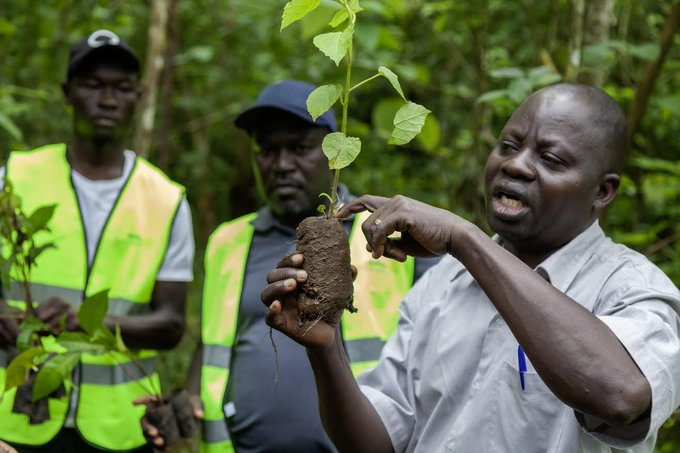
The launch of the campaign for the restoration of 80,000 indigenous trees in the Namananga Central Forest Reserve.

Rotary International has joined hands with Uganda Breweries Limited and the National Forest Authority to launch a major forest restoration initiative targeting 80,000 indigenous trees in the Namananga Central Forest Reserve.

The three year project, valued at Shs 372 million, was unveiled this week as part of Uganda Breweries Limited’s 80th anniversary celebrations, with partners committing to restore degraded sections of the 459 hectare reserve.

Namananga Central Forest Reserve plays a critical ecological role as a corridor linking Mabira Forest to the Musamya Swamp, while also protecting vital water catchments such as the Nalwe and Wugula streams that support surrounding communities, agriculture and wildlife.

Speaking at the launch, Rotary representatives underscored the importance of partnerships in addressing environmental challenges and ensuring long term impact.

“The restoration of Namananga Forest is a significant undertaking that requires collective effort. We are proud to support UBL as they mark 80 years by giving back to the environment,” said Geoffrey Martin Kitakule.

He added that sustained collaboration among stakeholders will be key to advancing environmental, social and governance initiatives and delivering meaningful results for communities.

Uganda Breweries Limited said the project reflects its broader commitment to environmental sustainability and responsible business practices.

“As we mark 80 years of brewing in Uganda, we know our business depends on a healthy environment,” said Felicite Nson.

“Today’s activities added 2,000 indigenous seedlings to the 26,000 already planted under this restoration effort. Restoring Namananga Forest supports the natural systems that sustain our value chain, from water sources to the crops grown by farmers across the country.”

The initiative comes at a time when Uganda is working to rebuild its forest cover, currently estimated at about 13.3 percent, with efforts underway to restore degraded ecosystems and strengthen climate resilience.

Officials from the National Forest Authority emphasized that the project goes beyond tree planting, focusing on long term protection and sustainability of the restored forest.

“Restoring Namananga provides an opportunity to expand Collaborative Forest Management and ensure that what we plant is protected,” said Martin Mwodi Kegere.

“Today’s event is more than a ceremonial planting of trees. It is a declaration of our shared responsibility to restore Uganda’s natural heritage and secure its ecological future.”

The partners said the project will prioritize indigenous tree species to rebuild a resilient ecosystem capable of supporting biodiversity, regulating local temperatures and safeguarding water resources.

Beyond planting, all stakeholders have committed to ensuring the survival and maturity of the trees over the three year period, with success to be measured through increased forest cover, improved water systems and tangible benefits to surrounding communities.

The Namananga restoration effort is expected to contribute to national environmental goals while reinforcing the role of public, private and civil society partnerships in protecting Uganda’s natural resources.

Stories Continues after ad

Uganda coffee players form national body to boost global competitiveness

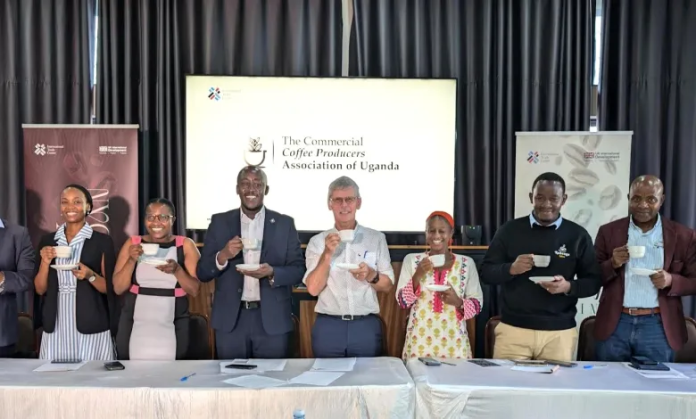
Members of the Commercial Coffee Producers Association. of Uganda

Stakeholders across Uganda’s coffee value chain have launched a new umbrella body aimed at strengthening the country’s position in the lucrative global market.

The newly formed Commercial Coffee Producers Association of Uganda (CCPAU) was unveiled at its inaugural General Assembly in Kampala on Thursday, bringing together commercially oriented farmers, exporters, processors and cooperatives under a unified platform focused on quality, branding and export growth.

At the meeting, founding members adopted the association’s operational framework and elected its first Board of Directors, marking a significant milestone in efforts to better coordinate Uganda’s coffee industry.

CCPAU is expected to serve as a central force in aligning private sector players around shared goals, with a strategy anchored on improving productivity and standards, enhancing knowledge-sharing, expanding export market access, improving financing opportunities, strengthening logistics systems and promoting Ugandan coffee globally.

By fostering collaboration and focusing on quality, the association aims to boost Uganda’s reputation on the international stage, improve returns for producers and increase collective bargaining power across the value chain.

The initiative builds on years of collaboration among private sector actors under the UK Trade Partnerships Programme, implemented by the International Trade Centre with support from the British High Commission in Kampala.

Through the programme, Ugandan producers have participated in major international trade fairs such as the London Coffee Festival, Manchester Coffee Festival and CoffeeFest Madrid, helping to showcase the country’s coffee and establish new business links.

“These engagements have laid the foundation for a formal, private sector-led platform to represent the interests of Uganda’s coffee producers and exporters,” officials said.

Speaking at the launch, Lisa Chesney said the United Kingdom remains committed to supporting Uganda’s ambition to move up the coffee value chain.

“Coffee is one of Uganda’s most important exports, and the UK is proud to support efforts to increase exports of high-quality, high-value products, while building sustainable commercial links with international markets,” she said.

Membership to CCPAU is open to registered businesses across the coffee value chain, including commercial farms, nurseries, aggregators, cooperatives, processors and exporters, provided they meet set quality and market development standards.

The association plans to provide members with market intelligence, export readiness support, buyer linkages and joint promotion initiatives, while also representing Uganda at international coffee events and facilitating entry into specialty markets.

Industry players say the formation of CCPAU marks a critical step towards positioning Ugandan coffee as a recognised global brand and a reliable source of high-quality beans, with the country continuing to produce both Arabica and Robusta varieties.

Stories Continues after ad

Judiciary backs Magistrates’ Courts amendment bill to ease high court backlog

Justice and Constitutional Affairs Minister, Nobert Mao.

The Judiciary has backed the proposed amendments to the Magistrates Courts Amendment Bill, 2026, saying the reforms will ease the growing case backlog at the High Court by allowing more cases to be handled by magistrates’ courts.

In a written submission to the Legal and Parliamentary Affairs Committee, Acting Chief Registrar Lamunu Pamella Ocaya said expanding the civil jurisdiction of magistrates’ courts would allow for the transfer of tens of thousands of cases from the High Court.

“The High Court (both Divisions and Circuits) recorded a total of 70,186 pending cases, with a backlog of 21,317 cases (30.37%). Of these cases, 34,481 cases (49.13%) are eligible for transfer to Magistrates’ Courts, including 11,040 backlog cases (51.79%), which would reduce the overall caseload to 35,705 pending cases and 10,277 backlog cases,” Ocaya stated.

She noted that High Court Circuits carry the largest share of transferable cases, underscoring the potential impact of the proposed reforms if implemented.

“High Court Circuits account for 29,769 cases (71.22%) that can be transferred, including 9,578 backlog cases (73.22%), indicating a substantial reduction in both pending and backlog cases,” she said.

Ocaya added that while High Court Divisions would also benefit, their share of transferable cases remains comparatively lower.

“In contrast, High Court Divisions have 4,712 cases (16.60%) eligible for transfer, including 1,462 backlog cases (17.75%),” she explained.

The proposed law was tabled before Parliament by Norbert Mao on February 27, 2026, seeking to reform the structure and powers of magistrates’ courts in line with current economic realities.

Key proposals in the Bill include increasing the pecuniary jurisdiction of Chief Magistrates and Grade I Magistrates, enhancing their powers to impose higher fines, abolishing the position of Magistrate Grade II, and providing for the designation of magisterial areas.

According to the Ministry of Justice, the current monetary limits for magistrates’ courts were last revised in 2007, setting jurisdiction at Shs50 million for Chief Magistrates and Shs20 million for Grade I Magistrates.

“Due to inflation and changes in value of money, the capping of the value of the subject matter is very low for the Magistrates Courts and as a result, cases that should be handled at the magisterial level end up in the High Court thereby causing backlog,” Mao noted in the Bill.

The reforms are meant to improve efficiency in the justice system by reducing delays and bringing services closer to the public if passed into law.

Stories Continues after ad

UCC orders end to duplication of utility poles in telecom sector

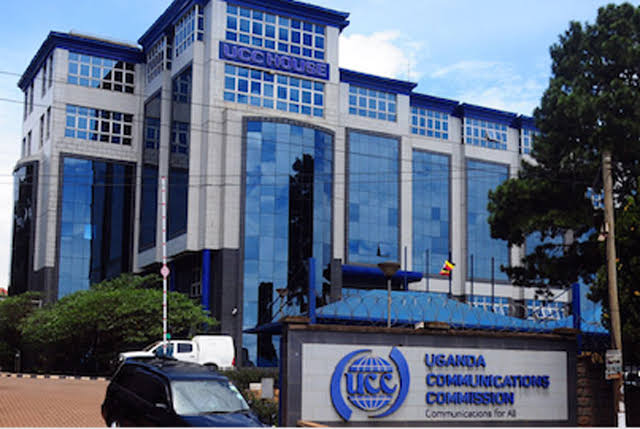
The Uganda Communications Commission has announced new measures aimed at eliminating the duplication of utility poles and streamlining the rollout of telecommunications infrastructure across the country.

In a public notice dated January 23, 2026, the Commission acknowledged widespread concerns from both government and the public over the “uncoordinated and untidy installation of fibre cable infrastructure, particularly poles,” in several parts of Uganda, including the Greater Kampala Metropolitan Area.

“In response, the Commission has directed all relevant stakeholders to streamline the installation and deployment of telecommunications infrastructure across service providers and sectors, thereby reducing clutter and improving the overall aesthetics of urban areas,” the notice states.

The regulator revealed that a new framework governing optical fibre infrastructure is already in force, having taken effect on January 1, 2026. The framework covers installation, maintenance, protection and disposal of fibre infrastructure, and introduces stricter approval requirements for operators.

“Under this framework, operators are now required to obtain approval for their Optical Fibre Cable deployment plans prior to installation, to ensure the safe, coordinated, and efficient rollout of communications infrastructure,” the Commission said.

The move is expected to bring order to the fast-growing sector, where multiple service providers have often erected parallel infrastructure, leading to congestion, safety concerns and visual pollution in urban centres.

The Commission also emphasized the role of local governments in ensuring proper planning and integration of telecom infrastructure within broader urban development projects.

“Telecommunications infrastructure must be appropriately integrated into road construction and other civil works,” the notice adds. “While operators are encouraged to deploy infrastructure underground to enhance safety and preserve the urban landscape, it is equally important that civil works are undertaken with due care to protect existing fibre networks.”

Damage to fibre installations, the Commission warned, can significantly disrupt service availability and quality, affecting businesses and consumers alike.

The regulator reaffirmed its commitment to working with government agencies, local authorities and industry players to ensure a more coordinated and future-ready telecommunications network.

“The Commission remains committed to working closely with Government, local authorities, operators, and other stakeholders to ensure orderly and future-ready telecommunications infrastructure across Uganda,” it said.

Stories Continues after ad

Equity bank calls for skills and discipline to empower women entrepreneurs

Olivia Mugaba, the Head of SMEs at Equity Bank Uganda.

Olivia Mugaba, the Head of SMEs at Equity Bank Uganda has urged women entrepreneurs to look beyond access to loans and instead focus on building strong, sustainable foundations for their businesses.

In a message released during Women’s Month, Mugaba said while capital remains important, it is often misunderstood as the primary solution to business challenges.

“Many people assume that access to loans is the main challenge women face in business. While capital is crucial, it is not enough on its own. Money without a solid foundation often disappears quickly, leaving the business struggling,” she said.

She emphasized that clarity of purpose and preparation are critical before seeking financing, noting that many aspiring entrepreneurs rush into ventures without understanding the demands involved.

“Before seeking capital, women need clarity on what they want to achieve. It is common to see someone else’s business and feel inspired to replicate it without understanding the skills and risks involved,” Mugaba explained. “Jumping in without preparation often leads to failure, no matter how much money is available.”

Mugaba highlighted the importance of acquiring the right skills through training, mentorship and practical exposure, saying these equip women with the ability to navigate real business challenges.

She also pointed to financial discipline as a key pillar of sustainability, warning against mixing personal and business finances.

“Using business capital for personal needs; paying for school fees or household expenses can quickly drain resources,” she said. “Separating personal finances from business funds, keeping proper records, and maintaining books is vital for longevity.”

The Equity Bank executive further underscored the role of technology in modern entrepreneurship, noting that digital tools can help improve efficiency and expand market access.

“Adopting digital platforms helps women track financials, manage expenses and even access broader markets online. Technology not only improves efficiency but also opens doors to new customers,” she noted.

She added that collaboration through networks and peer groups strengthens resilience among women in business.

“Women entrepreneurs thrive when they collaborate with like-minded peers. Joining a network or group creates opportunities for learning, mentorship, and shared problem-solving,” Mugaba said.

On financing, she cautioned against quick, high-interest loans, urging women to work with institutions that offer sustainable and supportive financial solutions.

“Partnering with institutions that provide fair, long-term financial solutions, training, and market access ensures that capital is used effectively,” she advised.

Mugaba called on women to embrace knowledge, discipline and strategic partnerships as they start or expand businesses, stressing that empowerment goes beyond individual success.

“When women are empowered to build sustainable businesses, they contribute not only to their families but also to the growth of communities and the nation,” she said.

She concluded with a reminder that long-term success depends on preparation and support systems rather than funding alone.

She noted,“Capital is important, but preparation, skills and support are what transform resources into lasting success.”

Stories Continues after ad

Stanbic Uganda posts record Shs591b profit as lending and deposits surge

Stanbic Uganda Holdings Limited has reported a strong financial performance for the year ended December 2025, registering a profit after tax of Shs591 billion in results that reinforce its position as one of the country’s leading banking groups.

The Group’s total revenue rose to Shs1.44 trillion, driven largely by growth in non-interest income and increased transaction volumes across its expanding customer base, reflecting deeper market reach and stronger client engagement.

The performance comes at a time when Uganda’s economy continues to recover and expand, supported by growth in sectors such as oil and gas, agriculture, and infrastructure development. Industry analysts note that banks with diversified income streams and strong digital platforms, like Stanbic, have been better positioned to capitalize on these shifts.

Group Chief Executive Francis Karuhanga attributed the results to a deliberate and targeted capital allocation strategy focused on sectors that drive inclusive economic growth.

“We have been intentional about where we deploy capital. Crossing the Shs1 trillion mark in lending to Micro, Small and Medium Enterprises is not just a milestone—it signals our commitment to building businesses, strengthening value chains, and unlocking productivity in critical sectors of the economy,” Karuhanga said.

The Group’s balance sheet remained solid, with total assets growing by 10.9 percent to Shs11.5 trillion, while customer deposits increased by 12.9 percent to Shs8 trillion, highlighting sustained public confidence in the institution.

Lending activity also picked up significantly, with loans and advances rising by 16.4 percent to Shs5.1 trillion, underscoring a more aggressive credit stance aimed at stimulating economic activity.

Stanbic Bank Uganda Chief Executive Mumba Kenneth Kalifungwa said the bank’s lending strategy is closely aligned with national development priorities, particularly in high-impact sectors.

“Our focus is to channel capital where it matters most. The Shs700 billion deployed under Buy Uganda Build Uganda, alongside investments in energy, oil and gas, and science and technology, demonstrates our role as a catalyst for industrialisation, job creation, and expanded productive capacity,” he said.

Uganda’s banking sector has in recent years seen increased competition, innovation in digital financial services, and a shift toward supporting small and medium enterprises as a backbone of economic growth. Stanbic’s strong lending to MSMEs places it at the center of this transformation.

Despite a 10.8 percent increase in operating costs, profitability remained robust, pointing to improved efficiencies and stronger revenue streams. Asset quality also held firm even as the loan book expanded, reflecting prudent risk management.

Chief Finance Officer Ronald Makata said the bank maintained a healthy loan portfolio.

“Maintaining a low NPL ratio in a high-growth environment shows the strength of our credit discipline. It means the assets we are building are performing, generating value, and safeguarding capital, allowing us to continue supporting growth responsibly,” Makata said.

The non-performing loan ratio stood at 1.7 percent, slightly higher than 1.5 percent recorded the previous year but still within acceptable industry thresholds.

In a move that signals confidence in future earnings, the Board has proposed a dividend of Shs360 billion, representing a 20 percent increase, while retaining sufficient capital buffers to support continued expansion.

The results further cement Stanbic’s role as a key financier of Uganda’s economic transformation, particularly as the country prepares for increased oil production and industrial growth in the coming years.

Stories Continues after ad

What’s Inside the 1win App in Ghana

For Ghanaian customers, the 1Win App provides convenient access to betting and gambling via smartphone. The 1win app download process takes a few minutes, and then it only remains to sort out the sections and start the game. In this article, we will tell you how to install the app on Android, what is interesting in the casino and what sports disciplines are available for betting.

How to Download the 1win App on Android

Installing the 1win bet app on Android has its own specifics. The application is not available on Google Play due to the company’s policy regarding gambling software, so the file must be downloaded from the official website. This is a standard practice for many bookmakers, and you should not be afraid of it — the main thing is to download only from an official source.

The 1win app download apk process is as follows:

  1. Go to the official 1win website via the browser on your phone. On the main page, find the applications section. Usually the link is located at the bottom or in the side menu.
  2. Click the “Download for Android” button.
  3. After the download is complete, click on the downloaded file. The system will request permission to install from unknown sources. Confirm the action. In the security settings, you can activate this option in advance for the browser you are using.
  4. Click “Install” and wait 2-3 minutes. After completion, the application icon will appear on the desktop.
  5. Open the app. If you already have an account, enter the username and password for 1win app login. If not, click “Register” and fill out the form.

Never download 1win app from third-party resources — they may contain viruses or programs to steal passwords. Only the official website guarantees security.

Casino Games in the 1win App

The 1win Ghana app offers an impressive collection of casino games — over 10,000 titles from the world’s leading providers. The catalog includes Pragmatic Play, Evolution Gaming, NetEnt, Microgaming, Play’n GO and many others. All games are adapted to mobile screens and work smoothly even with the slowest Internet connection.

Slots occupy the main part of the casino. There are both classic three-reel fruit-themed slot machines and modern video slots with complex storylines, bonus rounds and progressive jackpots. Popular titles among Ghanaian players: Gates of Olympus, Sweet Bonanza, Book of Dead. Filtering by providers, new products, and popularity helps you quickly navigate the product range. For those who want to test the game without risk, a demo mode is available – you can spin the reels for virtual credits without depositing real funds.

The live casino creates the atmosphere of a real gambling establishment. Live dealer games are broadcast in high definition from specially equipped studios. Professional croupiers conduct the process in real time and communicate with the players via live chat. Different variations of roulette (European, American), blackjack, baccarat and poker are available. Game shows from Evolution Gaming are particularly popular: Crazy Time, Monopoly Live, Mega Wheel, where an entertainment component with large multipliers and bonus rounds is added to the excitement.

Crash games have become a real hit in recent years. Aviator, JetX, Lucky Jet — the mechanics are the same everywhere: the multiplier increases on the screen, and the player must manage to collect the winnings before the game “crashes”. The rounds last for seconds, you can bet alone or watch the players from the sidelines. Crash games run smoothly and without delays in the app, which is important because in such games every millisecond counts.

Table games are widely represented: blackjack in several variations, roulette, baccarat, various poker formats. There are low-limit tables for beginners and VIP areas for high rollers.

The platform regularly holds tournaments among casino players with prize pools that can reach large amounts. Participation in tournaments adds excitement: you can not only play, but also compete with others for additional prizes.

Sports betting in the 1Win App

After the 1win ghana app download, the sports line is the first to catch your eye. The app offers both world-class events and regional tournaments, allowing Ghanaian players to choose between top championships and well-known local competitions.

  • Football occupies a leading position and collects the bulk of bets. All significant tournaments are represented in the line. For top matches, the list includes hundreds of markets: outcomes, totals, handicaps, individual player indicators, statistical parameters such as the number of corners or cards;
  • Tennis covers the Grand Slam tournaments (Wimbledon, Roland Garros, US Open, Australian Open), ATP and WTA tours. Bets are available not only on the winner of the match, but also on the exact set score, game totals, number of aces and double faults;
  • Basketball is represented by NBA, Euroleague matches, as well as championships of various countries. For top events, there is a list of quarters, individual player indicators and various statistical accumulations;
  • Cricket is traditionally in demand in the region. The platform offers a line to international test matches, ICC-sponsored tournaments, as well as commercial leagues like the Indian Premier League. The painting takes into account the specifics of cricket: betting on the number of runs, the best scorer of the innings, the results of individual overs;
  • Esports has been allocated to a separate category, reflecting the growing interest in this area. Dota 2, Counter-Strike 2, League of Legends are presented with paintings on the winners of matches, card results, first blood and other specific outcomes;
  • Baseball is also available for betting: Major League Baseball (MLB), World Baseball Classic, Caribbean Series, Nippon Professional Baseball.

Conclusions

Downloading the 1win app in Ghana is an easy way to access all the features of the platform on your phone. Installation on Android takes several minutes, requires allowing installation from unknown sources and downloading the APK file from the official website.

Stories Continues after ad

Lawyers demand ridiculous Shs1b, apology over claims targeting UHRC boss Wangadya from Journalist Stanley Ndawula

Ms. Mariam Wangadya, UHRC Chairperson.

Signature Advocates has threatened to sue journalist Stanley Ndawula of The Investigator, an online newspaper, demanding a retraction, apology, and Shs1 billion in damages over allegations he published accusing Mariam Wangadya of corruption, abuse of office, and misusing Shs10.4 billion.

In a notice dated March 13, 2026, the lawyers say the statements shared on Ndawula’s X account and in an online article are false and damaging to the reputation of the chairperson of the Uganda Human Rights Commission.

“Our attention has been drawn to a recent post on your X handle and an article you authored and published online, wherein you make grave, unfounded, and unsubstantiated allegations against our client,” the letter states.

The firm says the claims include accusations of gross maladministration, unilateral determination of salaries, and misappropriation of public funds for personal expenditure, all of which their client denies.

“Our client categorically denies these allegations. The statements you have published are not only factually incorrect, but also calculated to lower our client’s estimation in the eyes of right thinking members of society,” the lawyers wrote.

They argue that the commission’s financial processes are governed by the law and subject to oversight by both Parliament and the Ministry of Finance, dismissing suggestions that Wangadya could personally control or divert public funds.

“To suggest that a single individual can declare public funds as personal money is a gross misrepresentation calculated to incite public odium against our client,” the letter adds.

The lawyers say Ndawula’s actions are actionable under Ugandan law and accuse him of publishing the claims without verifying how the commission operates.

They have demanded that he immediately stop making further statements about Wangadya, publish a full retraction with equal prominence, and issue an unconditional written apology.

In addition, the firm is seeking Shs1 billion in compensation for reputational damage and Shs10 million in legal fees.

“Take notice that if the above demands are not met within fourteen days, we have instructions to institute civil proceedings against you for defamation,”the notice warns.

Stories Continues after ad