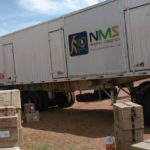
In Uganda’s public health system, Village Health Teams (VHTs) serve as the first link between the community and formal health services.
Known for mobilizing households, delivering health education, and following up on immunization and maternal care, VHTs also play a less publicized but equally vital role: protecting medicine accountability.
Trusted Messengers
VHTs are often neighbors, relatives, or respected elders. This unique position allows them to communicate critical information that formal channels may miss or delay.
They can help educate households about what medicines are free, when deliveries are expected, and what to do if someone is asked to pay for drugs labeled “Government of Uganda – Not for Sale.”
By dispelling myths and offering clarity, VHTs ensure patients are empowered to demand services they are entitled to—and recognize when something is amiss.
Because they routinely interact with both patients and health workers, VHTs are often the first to notice unusual trends: patients being turned away, frequent drug shortages, or informal payments for items like Mama Kits.

Their reports can be relayed to LC1s, HUMC members, or health facility in-charges for follow-up. In cases of suspected theft or chronic shortage, VHTs can escalate matters to parish chiefs or the Office of the RDC.
Importantly, VHTs serve not to accuse but to raise early warning signs so that challenges can be addressed before they become crises.
Stock Visibility
In facilities with high patient volumes, VHTs can also assist health workers in tracking medicine usage, especially during community outreaches or emergency distributions.
They help verify whether the medicines intended for a specific health campaign—like deworming tablets or malaria treatments—were received by households, offering a grassroots audit trail.
Where applicable, they can even assist in reconciling distribution lists with actual beneficiaries, particularly for maternal and child health supplies.
When equipped with accurate information and supported by health facility leaders, VHTs can host village dialogues that invite health workers to explain medicine availability and stock status. This builds community trust and reduces suspicion or misinformation.
Above all, VHTs remind us that medical accountability doesn’t end at the storeroom door. It continues through the people—the mothers, caretakers, and youth—who rely on these services.
By working closely with communities and leaders alike, VHTs ensure that every medicine counts—and every citizen is part of the system that protects it.