
KAMPALA — The World Health Organization (WHO) has confirmed 906 suspected Ebola cases and 223 suspected deaths linked to the Bundibugyo strain in an ongoing outbreak affecting parts of the Democratic Republic of the Congo (DRC) and neighbouring Uganda.
Health authorities, however, say Uganda is not currently experiencing community transmission, with all detected infections so far linked to cross-border movement and being managed under strict isolation and surveillance measures.
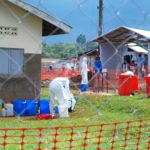
The outbreak, which remains heavily concentrated in eastern DRC, has placed significant strain on local health systems already weakened by insecurity and limited access to remote communities. The provinces of Ituri, North Kivu, and South Kivu have recorded the highest burden of suspected cases and fatalities.
According to health officials, delays in detecting infections and challenges in reaching affected populations may have contributed to the continued spread in some areas before containment measures could be fully implemented. Response teams are now focusing on rapid case identification, contact tracing, and safe isolation.
In Uganda, the Ministry of Health has intensified screening at border points, particularly in western districts that share porous borders with the DRC. Surveillance has also been strengthened in health facilities and community reporting systems to ensure early detection of any new cases.
Authorities say the country’s current situation remains under control, with no evidence of sustained human-to-human transmission within communities. All confirmed patients are receiving treatment in designated isolation units.
WHO has cautioned that the risk of regional spread remains high due to frequent movement between the two countries for trade, work, and family visits. Health agencies have urged continued vigilance, especially in border communities.
The Bundibugyo strain of Ebola, first identified in Uganda in 2007, is known to cause severe haemorrhagic illness. Symptoms include high fever, vomiting, diarrhoea, severe weakness, and in some cases, internal and external bleeding. Previous outbreaks have recorded fatality rates ranging between 25% and 50%.
Unlike other Ebola variants, there is currently no widely approved vaccine specifically designed for the Bundibugyo strain. Health experts say response efforts therefore depend heavily on rapid detection, isolation, infection prevention, and supportive care for patients.
WHO has urged countries in the region to scale up funding and operational support for outbreak response, including laboratory services, treatment centres, and community engagement activities. The organisation says early containment remains possible if response efforts are sustained and well coordinated.
Public health experts warn that insecurity in eastern DRC continues to hinder access to several affected areas, creating gaps in surveillance and increasing the risk of undetected transmission chains.
Cross-border coordination between Uganda and the DRC has been strengthened, with joint monitoring teams working to track movements and respond quickly to suspected cases. Emergency teams remain deployed in high-risk districts.
Health officials continue to urge the public to remain alert and report suspected cases immediately, especially symptoms such as sudden fever, vomiting, diarrhoea, unexplained bleeding, and extreme fatigue.
The outbreak remains under close international monitoring as efforts intensify to contain its spread and prevent further regional transmission.
Related Posts
 DRC Ebola outbreak declared over, Uganda boosts response
The Democratic Republic of the Congo today declared the end of an Ebola outbreak that…