


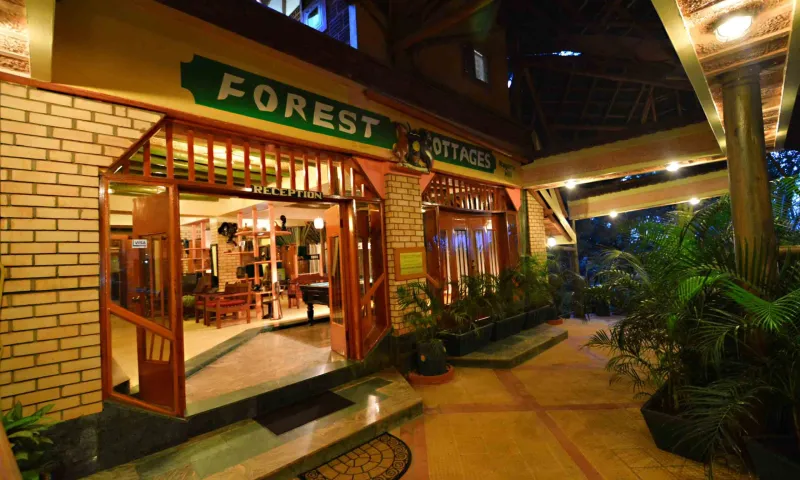
Positioned at the leafy slopes of Naguru Hill in Bukoto, Kampala, Forest Cottages has quietly built a reputation as one of Uganda’s most distinctive hospitality brands, blending eco-tourism, business convenience and African-inspired luxury in a city increasingly dominated by concrete high-rises and commercial bustle.
At a time when Kampala’s hospitality sector is becoming fiercely competitive, the Bukoto-based establishment has managed to carve out a unique niche by positioning itself not merely as a hotel, but as a nature-centered urban retreat that appeals to business executives, tourists, conference organizers and local staycation enthusiasts alike.

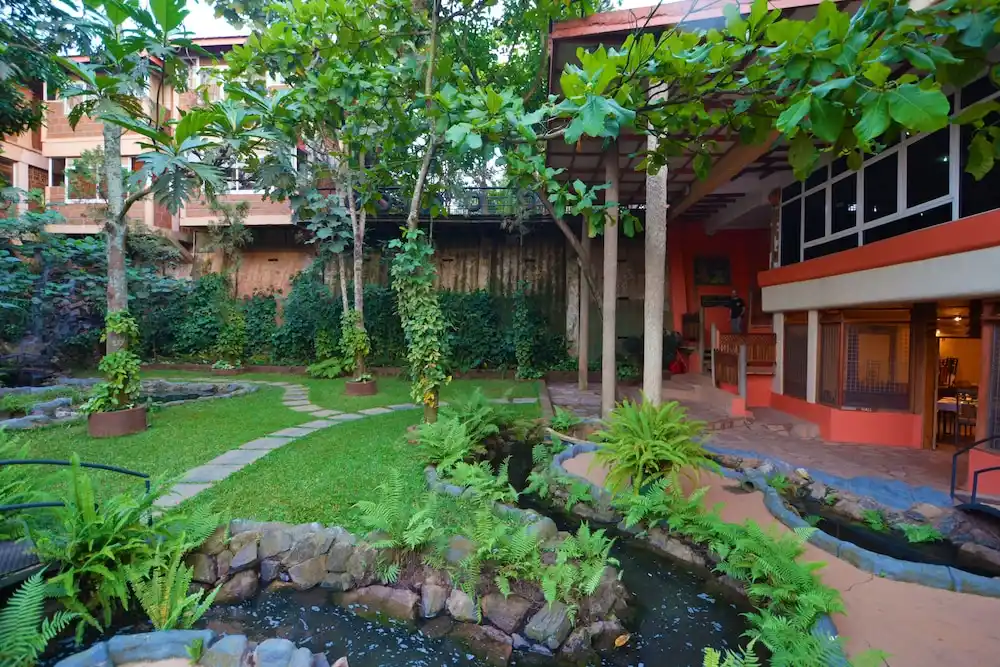
Located less than 30 minutes from Kampala’s central business district, the facility sits in a carefully preserved tropical environment that gives guests the rare feeling of being inside a forest while remaining within the city. The property is part of one of Uganda’s largest hospitality chains.
Founded in the mid-2000s, Forest Cottages was designed with a strong ecological philosophy aimed at preserving the indigenous trees and natural landscape that characterize Naguru Hill. Over the years, this environmental approach has become the hotel’s biggest selling point, especially in an era where eco-friendly tourism and sustainable hospitality are gaining increasing global attention.
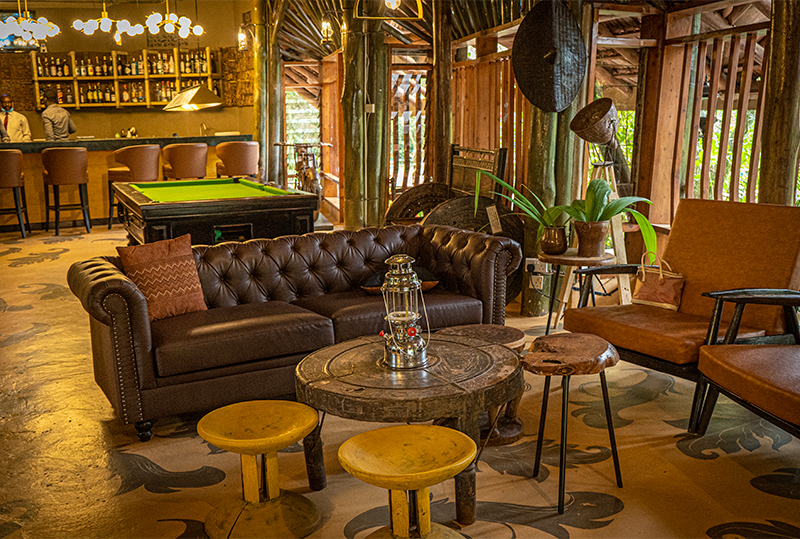
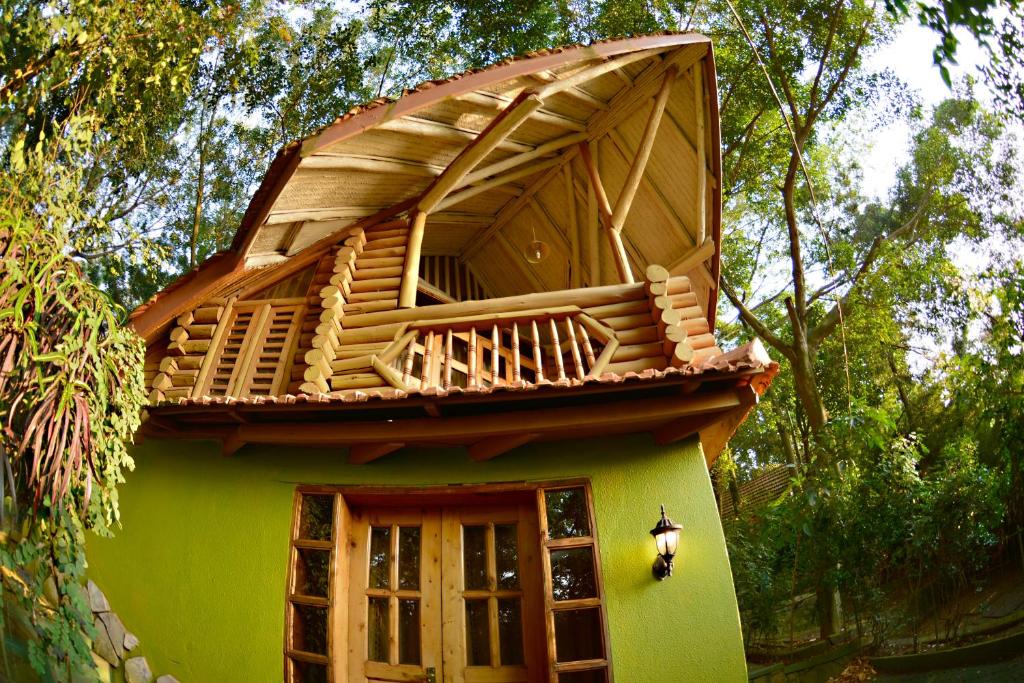
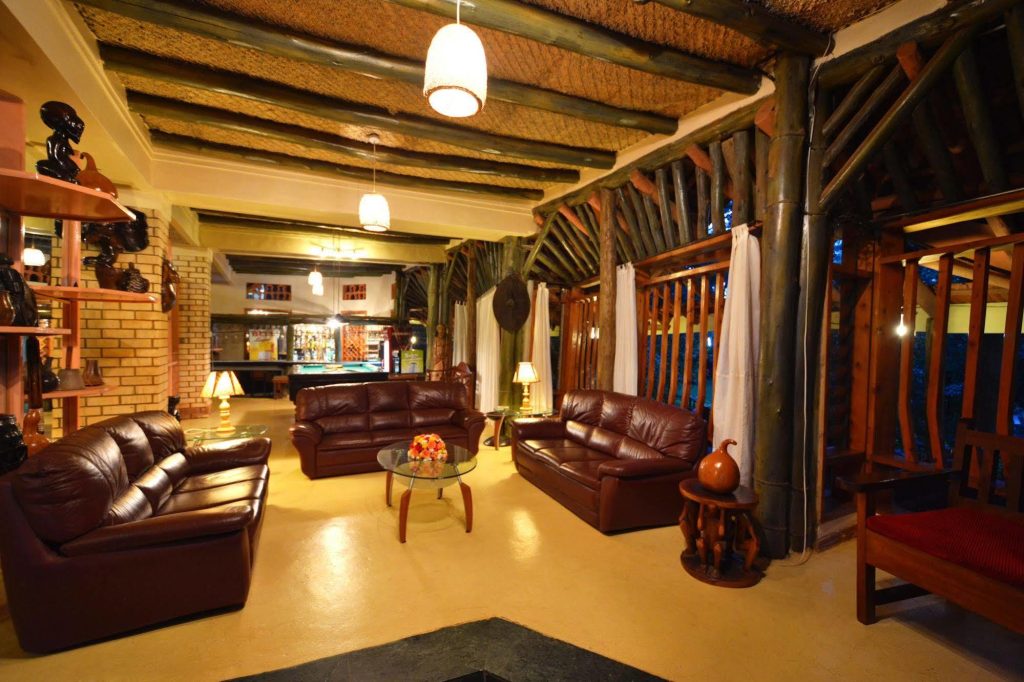
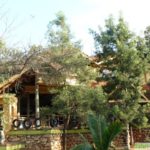
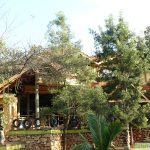
Unlike many city hotels that focus on glass towers and corporate aesthetics, Forest Cottages has remained committed to an African-inspired architectural style featuring wooden cottages, landscaped gardens and open green spaces that attract travelers looking for tranquility in the middle of Kampala’s fast-paced urban life.

Industry analysts say this positioning has allowed the hotel to stand out in a hospitality market where many establishments often offer similar services and experiences.
Tourism and hospitality observers note that modern travelers are increasingly seeking experiential accommodation rather than just rooms, and Forest Cottages appears to have capitalized on that trend by marketing itself as both a leisure and business destination.
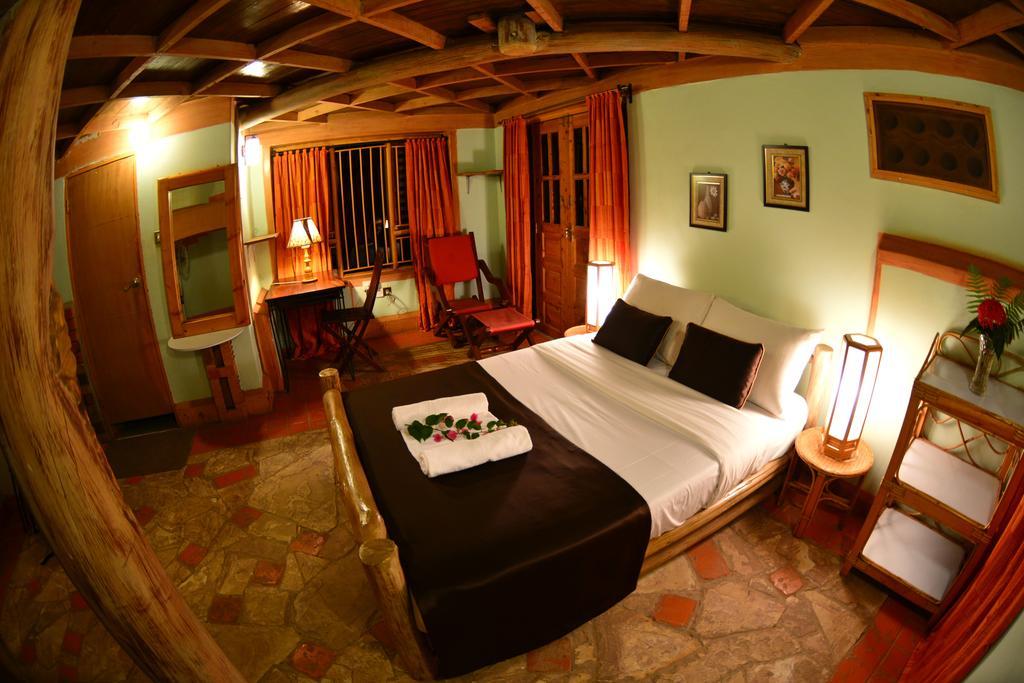
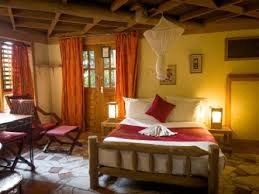
The hotel currently boasts several rooms and cottages designed in safari-style themes while offering modern amenities including wireless internet, conference facilities, business-friendly workspaces and access to recreational services.
Its room categories range from standard rooms to fully furnished family cottages equipped with kitchens, living areas and self-catering facilities, a strategy that has widened its appeal to both short-term travelers and long-stay guests.
For business travelers, proximity to Kampala’s commercial zones has become a major advantage. Bukoto itself has evolved into one of Kampala’s most strategic residential and commercial suburbs, with quick access to areas such as Kololo, Ntinda, Naguru and the city center.
This geographical advantage has enabled Forest Cottages to attract diplomats, corporate executives, NGO workers and international consultants who require quiet accommodation away from the congestion of the central business district while still maintaining easy mobility across Kampala.
The business dimension of Forest Cottages has particularly expanded in recent years as Kampala witnesses growing demand for conference venues, corporate retreats and business meeting spaces.
Several hospitality and tourism publications have highlighted the hotel’s increasing popularity as a venue for conferences, cocktail receptions, launches and social events because of its balance between affordability and serene surroundings.
Hospitality experts argue that the post-pandemic travel industry has shifted significantly toward wellness and calm environments, making facilities such as Forest Cottages more attractive compared to conventional urban hotels.
This transformation has also coincided with the rise of Uganda’s domestic tourism sector, where middle-income Ugandans increasingly seek weekend staycations and short leisure escapes within Kampala and nearby areas.
Online travel reviews indicate that many visitors appreciate the property’s greenery, calm atmosphere and accessibility. Many guests describe the hotel as perfectly green with a central yet peaceful setting, factors that continue to attract both foreign and domestic travelers.
Several travel and tourism platforms have further ranked Forest Cottages among Kampala’s preferred eco-friendly destinations because of its blend of affordability and unique ambiance.
Beyond accommodation, the hotel has also leveraged partnerships and integration within the wider hospitality ecosystem to strengthen its market competitiveness.
Guests at Forest Cottages enjoy access to additional recreational facilities including swimming pools, gym services and wellness amenities, giving the property added value without necessarily expanding its physical footprint.
This integrated hospitality model has become increasingly important in Uganda’s tourism sector where consumers are now looking for comprehensive experiences rather than isolated services.
The rise of remote work and digital nomad culture has further boosted Bukoto’s attractiveness as a hospitality zone. Travel discussions frequently describe Bukoto as one of Kampala’s safer and more convenient neighborhoods for expatriates and remote workers due to its restaurants, internet access and strategic location.
This has indirectly strengthened the position of Forest Cottages, which benefits from being located in one of Kampala’s fastest-growing mixed-use suburbs.
The property has also increasingly become associated with Kampala’s nature and wellness tourism narrative. While Uganda’s tourism industry has historically focused on national parks and wildlife safaris, urban eco-tourism concepts are slowly emerging, and Forest Cottages has positioned itself within that growing segment.
Its heavily forested environment, birdlife and indigenous vegetation offer visitors a mini safari feel without leaving Kampala. Hospitality listings describe the area as home to colorful bird species, further enhancing its appeal to eco-tourists and nature enthusiasts.
The facility’s branding around “feeling the touch of nature” has become central to its corporate identity and marketing strategy.
Business analysts say the success of such hospitality brands lies in differentiation, especially in cities like Kampala where hotel development has accelerated rapidly over the last decade.
Rather than competing directly with five-star luxury chains on scale, Forest Cottages appears to have focused on authenticity, tranquility and affordability.
This strategy has enabled the property to maintain relevance even as newer hotels emerge across Kampala.
Industry observers also point to the growing importance of sustainable tourism in Uganda’s broader economic future.
Uganda’s tourism sector continues to recover and evolve following disruptions caused by the COVID-19 pandemic. Stakeholders increasingly emphasize environmentally conscious tourism products capable of attracting international travelers seeking authentic African experiences.
In that context, facilities such as Forest Cottages are seen as examples of how urban hospitality businesses can align profitability with environmental preservation.
The hotel’s management has repeatedly emphasized customer experience and personalized service as part of its business philosophy.
This emphasis on service quality is critical in Uganda’s hospitality industry where customer loyalty and word-of-mouth recommendations remain major drivers of business growth.
Online communities discussing travel and staycations in Uganda have also increasingly referenced Forest Cottages as one of Kampala’s attractive relaxation spots because of its quiet atmosphere and accessibility.
As Kampala continues to expand and urban pressure intensifies, the value of green hospitality spaces is expected to rise even further.
Urban planners and environmentalists have repeatedly warned about the reduction of natural spaces within the city, making preserved environments such as those at Forest Cottages increasingly rare and commercially valuable.
The property’s ability to retain its forest identity while adapting to modern hospitality demands may ultimately determine its long-term sustainability and competitiveness.
Still, like many businesses in Uganda’s hospitality industry, Forest Cottages faces challenges including rising operational costs, changing consumer expectations and competition from serviced apartments, Airbnb properties and international hotel chains entering Kampala’s market.
Some guest reviews have pointed to areas requiring modernization and maintenance, especially regarding room facilities and event-related noise.
However, despite such challenges, the hotel continues to maintain strong visibility within Kampala’s tourism and business hospitality sector.
Its enduring appeal appears to lie in the balance it offers; combining nature, affordability, business convenience and African-style comfort in a city where such a mix is becoming increasingly difficult to find.
For Kampala’s hospitality landscape, Forest Cottages represents more than just accommodation. It reflects the growing importance of eco-conscious urban tourism and the shift toward experiential hospitality where guests seek calm, authenticity and connection with nature without sacrificing modern convenience.
In a capital city rapidly transforming into a dense commercial hub, the Bukoto-based establishment has managed to turn greenery, silence and simplicity into a competitive business advantage.

All the best