The Board of Directors of the African Development Bank (AfDB) has approved a grant of approximately $500,000 (Shs1.9 billion) from its Special Relief Fund to support Uganda’s Relief Emergency Response Project.
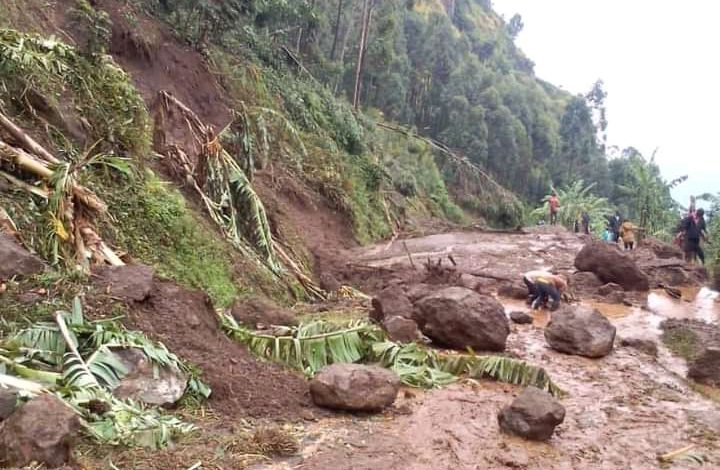
The funding will provide urgent assistance to communities severely affected by floods and landslides in Bulambuli, Kasese, and Ntoroko districts. Key interventions include the provision of family-size tents for an estimated 1,500 internally displaced persons (IDPs), aiming to improve living conditions in camps sheltering thousands since the disasters.

From August 17-19, 2025, heavy rains in the Mount Elgon subregion of eastern Uganda caused widespread flooding in Bulambuli, Sironko, and Mbale districts, triggering landslides in neighboring Namisindwa district. Local authorities reported five deaths, 50 injuries, and approximately 2,000 homes damaged or destroyed, leaving 5,000 people displaced and affecting a total of 15,000 residents.
“Beyond emergency relief, the project is an investment in dignity, safety, and recovery,” said Mercuria Assefaw, AfDB’s Division Manager for Water Security and Sanitation.
Assefaw added, “Providing decent temporary housing will address critical shelter needs, improve living conditions for displaced families, and stimulate the local economy through procurement and logistics.”

The Office of the Prime Minister will implement the project through the Department of Relief, Disaster Preparedness, and Management. By prioritizing rapid procurement and efficient delivery, the initiative will create opportunities for local suppliers and service providers, contributing to the broader recovery of flood-affected communities.
Project activities are expected to be completed within six months, ensuring timely relief for those in urgent need of shelter. With this support, the AfDB strengthens Uganda’s humanitarian response and contributes to rebuilding community resilience.
“This grant reflects the Bank’s solidarity with Uganda. By providing immediate relief, we aim to restore hope and stability as communities continue their journey of recovery,” Assefaw added.