The Parish Development Model (PDM) and economic transformation have emerged as the central pillars of President-elect Yoweri Kaguta Museveni’s agenda for his next kisanja, as he pledged to intensify efforts aimed at lifting households out of poverty and securing long-term national growth.
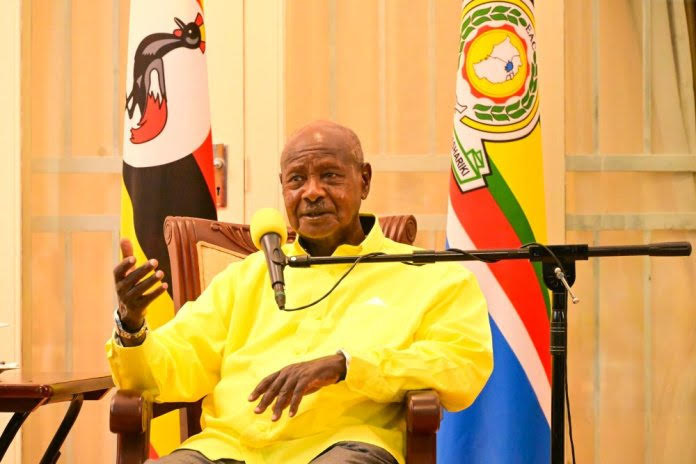
Speaking on Sunday from his country home in Rwakitura, Kiruhura District, shortly after the declaration of presidential election results, Museveni said the coming term would focus on making every Ugandan household economically productive, with PDM serving as the main engine for grassroots transformation.

“The Parish Development Model and the skilling hubs have already demonstrated that when we directly target households, people gain hope and begin to participate meaningfully in the economy,” Museveni said. “These programmes will be strengthened so that no homestead remains trapped in subsistence.”
He noted that PDM has reduced vulnerability among poor households and helped communities transition into the money economy, adding that skilling hubs will be expanded to equip young people with practical, market-driven skills.
Museveni outlined a two-pronged economic strategy for the next term, combining sustained support for wealth creators with deliberate interventions for the poorest Ugandans. He said commercial farmers, industrialists, hotel owners and investors would continue to receive backing through institutions such as the Uganda Development Bank, while targeted programmes would ensure inclusive growth.

On the broader economy, the President-elect confirmed that Uganda is entering the oil production phase, emphasizing that revenues from the sector will be invested in long-term infrastructure rather than recurrent expenditure.
“Oil is an exhaustible resource. The money must be invested in railways, power generation and science education so that the country builds lasting capacity beyond oil,” he said.
Museveni credited his election victory to God, the National Resistance Movement (NRM) and Uganda’s security institutions, praising the armed forces for maintaining peace throughout the electoral period. He also thanked religious and cultural leaders for promoting unity and stability.
He expressed concern over low voter turnout, estimating that about 10 million registered voters did not participate in the elections. Museveni said the NRM would analyze the reasons behind the turnout, describing it as a critical test of the party’s strength. He also noted that many spoiled ballots were cast by NRM supporters, particularly elderly voters, calling for improved voter education.
On security, the President-elect warned against violence and disorder, citing incidents where armed groups attempted to disrupt polling in some areas. He cautioned that Uganda must remain peaceful, noting that citizens do not want instability similar to that experienced in countries such as Libya.
Museveni also outlined key social service priorities for the next term, including free education in government schools and improved healthcare delivery. He pledged stricter supervision to ensure medicines reach health facilities and acknowledged public anger over corruption and injustice within the courts, promising tougher action to promote accountability.
He further warned leaders and contractors that road maintenance, especially for tarmac roads, would be closely monitored, stressing that public resources must deliver tangible value to citizens.
Calling for unity and focus on development, Museveni said Uganda’s progress depends on peace, discipline and production, as the country embarks on the next phase of economic transformation anchored in household prosperity.