Uganda has become a gateway for foreign investors looking to tap into Africa’s profitable gaming market over the past few years.
The associated iGaming sector is helping to power the growth as citizens clamour to engage with online casinos and sports betting sites.

The Ugandan government uses a digital licensing process to reduce the number of betting operators while imposing taxes to ensure revenue flows into the national economy.
Since imposing strict oversight, Uganda’s gambling and iGaming sector has been consistently improving, partly due to increased access to gaming.
Ugandans spent Shs2.1 trillion (around $550 million) on betting and gaming platforms across the country in the first half of 2023 alone.

That’s nearly as much as the entire period’s total in the previous fiscal year (Shs2.4 trillion). The more players bet, the more it’s reflected in the government’s taxes on gambling.
They generated a staggering Shs75 billion during the period in question. With eSports now part of the equation, they could be pocketing significantly more in the future.
The Rise of eSports in Uganda
Online betting is easy to access in Uganda because smartphones and affordable internet are widely available.
The reputable operators featured on the betting comparison platform Bettingtop10.com/ug have made it even easier to wager by making their markets available through mobile apps.
With betting and gaming increasingly mobile-friendly, eSports is poised to make inroads into the Ugandan betting market.
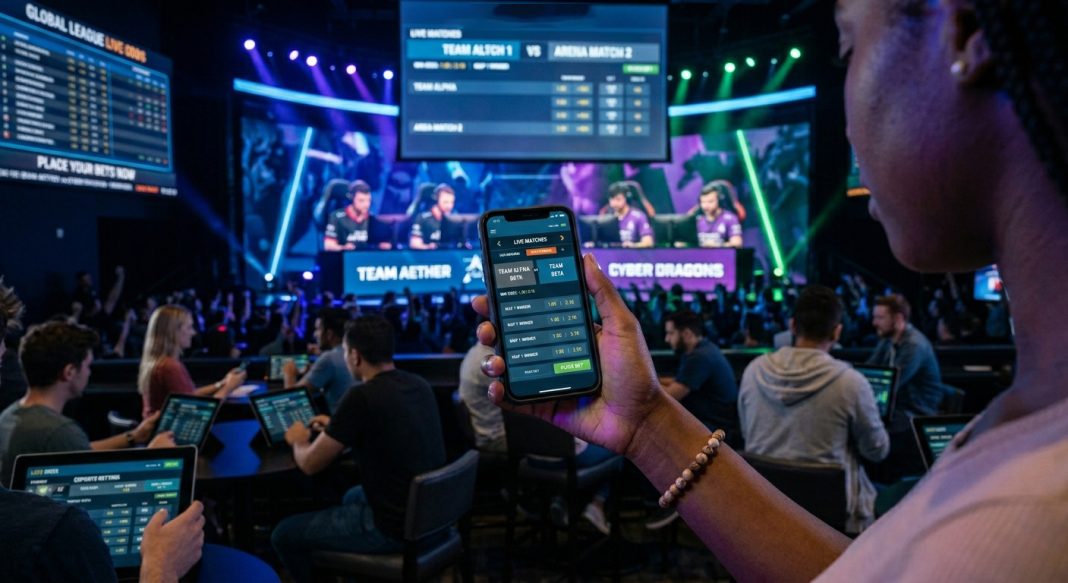
Professional gaming events fit perfectly into the online betting space, where bettors can watch matches and place wagers all from the same device.
This shift appeals to Uganda’s young population, many of whom spend most of their time online. They are already familiar with video games, so eSports is not a foreign concept.
With eSports growing in popularity, betting companies in Uganda are looking to capitalise by incorporating digital gaming into their offerings alongside football and other sports.
Although eSports is still considered a niche market in Uganda, it is also a natural extension of the gaming culture young people already enjoy, so it’s only a matter of time before it becomes a key part of the sector.
The Uganda eSports and Gaming Federation coordinates tournaments, and Ugandan players are starting to compete on an international scale.
How eSports are Being Incorporated in the Ugandan Betting Sector
Betting companies in Uganda are always looking for new ways to bring in customers, and eSports has become a key part of their strategy.
Many platforms now allow people to place bets on eSports events, just as they do on more popular sports such as football, rugby or basketball. This makes eSports more exciting for fans who are already familiar with digital gaming.
However, gambling companies are taking things up a notch. They are also getting involved in eSports by sponsoring players, teams, events and tournaments.
By supporting eSports events, these companies are helping the industry grow while also promoting their own brands. Their involvement gives eSports a sense of legitimacy in Uganda.
When renowned betting companies sponsor eSports tournaments, it sends a message about how serious and fast-growing the industry is.
It also brings more attention to local eSports competitions in Uganda. Even though it is still a niche market, the backing of popular betting companies will help move the industry forward.
Regulating the Market to Ensure Sustainability
Given the close ties between eSports and betting, it is important to establish regulations that keep everyone in line.
Uganda’s gaming authorities have already taken steps to monitor the industry and ensure fair play. They have put systems in place to track betting activity and bring more operators into the market.
These efforts are important for eSports. With betting now a part of the global ecosystem, there is a need to protect players, fans and bettors.
Setting up strict regulatory oversight will help to prevent issues such as match-fixing and ensure that competition remains fair.
Regulation also gives eSports betting more credibility. When users know that both betting platforms and eSports events are properly monitored, they are more likely to trust the system.