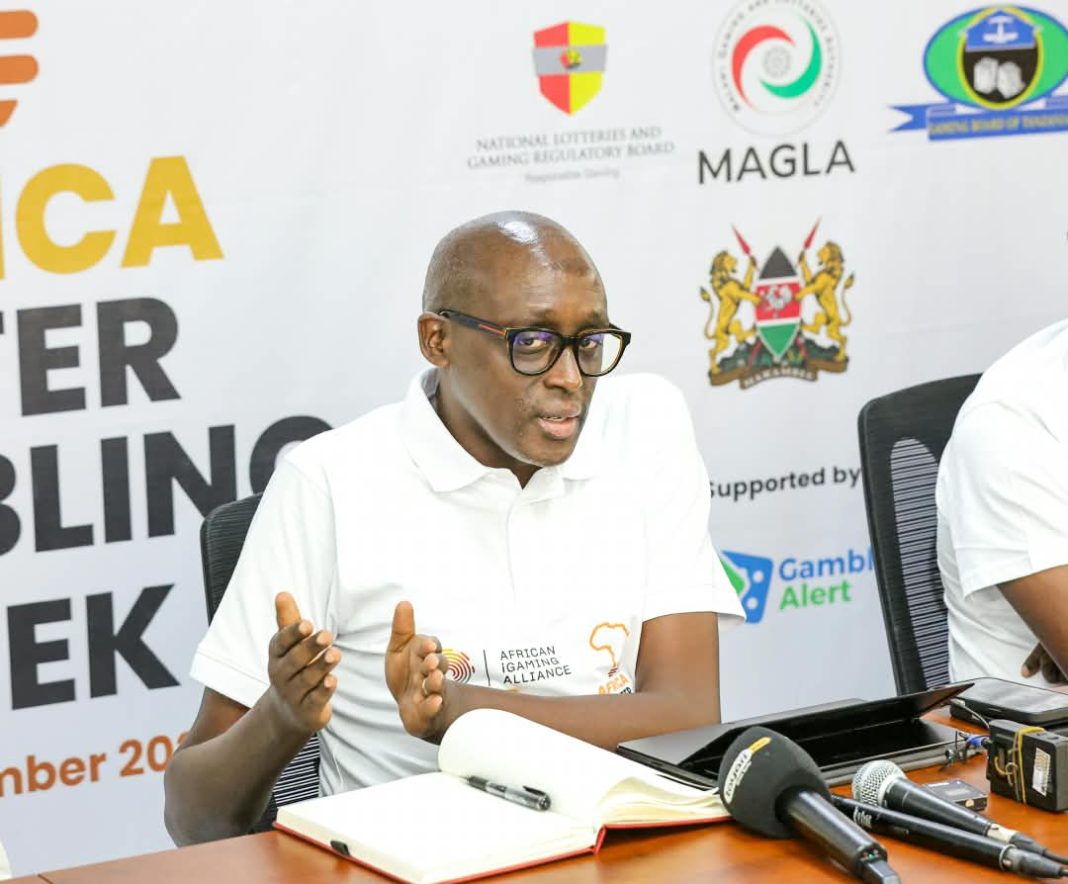
- Uganda joins inaugural Africa Safer Gambling Week (#PlaySafeAfrica) Sept 7-11, 2026.
- Campaign promotes responsible betting, player protection, and informed decisions.
- NLGRB CEO stresses gaming must be entertainment, not livelihood; use control tools.
Uganda has joined regulators, gaming operators, policymakers and communities across Africa for the inaugural Africa Safer Gambling Week, a continent wide campaign aimed at promoting responsible betting, strengthening player protection and ensuring that the rapid growth of the gaming industry does not come at the expense of people’s financial and social wellbeing.

The five-day campaign, running from September 7 to 11, 2026 under the banner #PlaySafeAfrica, brings together stakeholders from across African gaming markets to promote safer gambling practices, increase public awareness and encourage players to make informed decisions about how, when and why they gamble.
The initiative is being coordinated by the African iGaming Alliance in partnership with gambling regulators, industry associations, operators and responsible gaming organisations across the continent. It is expected to provide a common platform for African countries to share experience, strengthen cooperation and put player protection at the centre of the continent’s expanding gaming industry.
The campaign comes at a time when gambling has become increasingly accessible through smartphones, mobile money and online platforms, making it possible for people to place bets almost instantly.

In Uganda, the shift has been particularly significant, with the National Lotteries and Gaming Regulatory Board (NLGRB) estimating that about 93 per cent of gaming activity now takes place online. The transformation has increased access to gaming while also presenting regulators with new challenges in monitoring operators, protecting young people and preventing harmful gambling behaviour.
According to NLGRB Chief Executive Officer Denis Mudene Ngabirano, Uganda’s gaming industry has grown into a significant economic sector, with 63 licensed gaming operators currently operating in the country.
The sector contributed Shs355.4 billion to Government revenue during the 2025/26 financial year and supports more than 24,000 jobs, highlighting the growing economic importance of gaming to Uganda.
But Ngabirano said the expansion of the industry must be accompanied by an equally strong commitment to protecting players.
“The growth of Africa’s gaming industry comes with a responsibility we must never lose sight of: protecting people from gambling-related harm,” Ngabirano said as Uganda joined the continental campaign.
He said the participation of Uganda in the inaugural Safer Gambling Week demonstrates the regulator’s commitment to putting player protection at the centre of its work as the industry becomes larger, more sophisticated and increasingly digital.
“Our responsibility extends beyond licensing operators and enforcing compliance. It includes educating the public, protecting vulnerable people and ensuring that operators uphold safe, fair and transparent gaming practices,” Ngabirano said.
The regulator’s participation is also linked to its Strategic Plan for the financial years 2025/26 to 2029/30, which places responsible gaming among the key priorities for developing a sustainable and well regulated gaming industry.
Under the strategy, the Board is seeking to strengthen public education, improve compliance among operators, deepen partnerships and expand counselling and treatment referrals for people experiencing gambling related harm.
Throughout the week, the Board is expected to engage communities, students, market vendors, transport operators, media practitioners and gaming operators on issues including risky gambling behaviour, underage gambling, financial risks and the dangers associated with illegal and unlicensed gaming platforms.
Ngabirano urged players to change the way they view betting, warning against treating gambling as a means of earning a living.
“My message is simple: gaming should be entertainment, not a source of livelihood. Bet for fun, not for fortune. Know your limits and stay within them,” he said.
The message is at the heart of the continental campaign, which seeks to move the conversation away from gambling as a potential financial solution and towards informed, controlled and responsible participation.
The African iGaming Alliance says players should never gamble with money intended for essential needs such as food, rent, school fees or household bills, while those who gamble are encouraged not to chase losses or borrow money to continue betting.
Licensed gaming platforms also provide tools intended to help players remain in control of their gambling. These include deposit limits, spending controls, time limits, gaming breaks and self exclusion facilities.
Players are being encouraged to understand and use these tools before gambling becomes difficult to control.
Self exclusion, for example, allows a player to restrict access to betting for a specified period, while deposit and spending limits can create a financial boundary around gambling activity.
The campaign is also placing strong emphasis on protecting children and young people, particularly as the industry moves increasingly online.
Parents, guardians and educators are being urged to ensure that young people do not gain access to gambling platforms, while communities are being encouraged to recognise and address early signs of risky gambling.
The concern is particularly relevant in Uganda, where the regulator has previously warned that children can use phones and SIM cards registered in their parents’ names to access online betting platforms and potentially bypass age verification measures.
“Parents, guardians and educators: help keep underage people away from gambling,” Ngabirano said.
He also called on gaming operators to make player protection an everyday responsibility rather than an activity limited to awareness campaigns.
“Operators: make player protection an everyday commitment,” he said, urging those who gamble to make use of deposit limits, spending controls, gaming breaks and self exclusion tools where necessary.
Another major focus of Africa Safer Gambling Week is the fight against illegal and unlicensed gambling.
Regulators across Africa have increasingly raised concerns about the growth of online platforms operating outside national regulatory frameworks. Such operators may not provide the same safeguards available through licensed companies, leaving consumers with fewer protections over age verification, responsible gambling, payments, complaints and dispute resolution.
The campaign is therefore encouraging players to verify that betting platforms are licensed and regulated before depositing money or placing bets.
The message is particularly important as digital gambling becomes increasingly borderless, allowing offshore and unlicensed operators to reach consumers in markets where they do not hold local licences.
Uganda has already intensified efforts against illegal gaming. The NLGRB has worked with other authorities to disrupt unlicensed operators, including blocking illegal gaming websites, while strengthening its electronic monitoring systems and responsible gaming safeguards. Recent reporting indicates that the Board has blocked 57 websites operated by illegal online gaming companies and confiscated thousands of illegal gaming machines.
The continental campaign also comes against the backdrop of wider efforts by African regulators to harmonise approaches to the rapidly changing gaming environment.
In July, regulators from countries including Uganda, Nigeria, South Africa, Malawi, Rwanda, Ghana, Tanzania and Angola met in London to discuss licensing, taxation, market sustainability and player protection, with greater cooperation identified as necessary as digital gambling continues to expand across borders.
For Africa, the importance of Safer Gambling Week therefore goes beyond a public awareness campaign.
The initiative offers regulators and industry players an opportunity to establish common principles around consumer protection at a time when gambling is becoming an increasingly important commercial and digital activity.
It also recognises the economic contribution of gaming while making clear that revenue, jobs, innovation and technological development cannot be separated from the responsibility to protect consumers.
The African iGaming Alliance says the campaign is intended to become an annual platform through which regulators, operators and other stakeholders can share good practices and strengthen cooperation on safer gambling and player protection.
As Uganda participates in the first edition, the NLGRB says the objective is not simply to promote responsible gambling for one week, but to encourage behavioural change that continues throughout the year.
“The week is an opportunity to strengthen work that must continue throughout the year,” Ngabirano said.
The regulator has commended the African iGaming Alliance for bringing stakeholders together around the shared responsibility of protecting players and promoting a sustainable gaming industry.
For Ugandan players, the central message remains straightforward: gambling should be entertainment, not a financial plan; losses should not be chased; essential household money should not be risked; and anyone who chooses to gamble should know their limits and stay within them.
As Africa begins its first Safer Gambling Week, the broader challenge for the continent will be to ensure that the growth of gaming is matched by stronger regulation, better public awareness, effective protection of young people and practical support for those who experience gambling related harm.
The campaign’s message is therefore simple: Bet for fun, not for fortune. Play safe, stay in control and protect the future.