The Uganda National Bureau of Standards (UNBS) has stepped up collaboration with the International Electrotechnical Commission (IEC) to strengthen the safety, quality and performance of electrical and electronic products entering the Ugandan market.
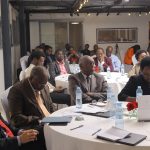
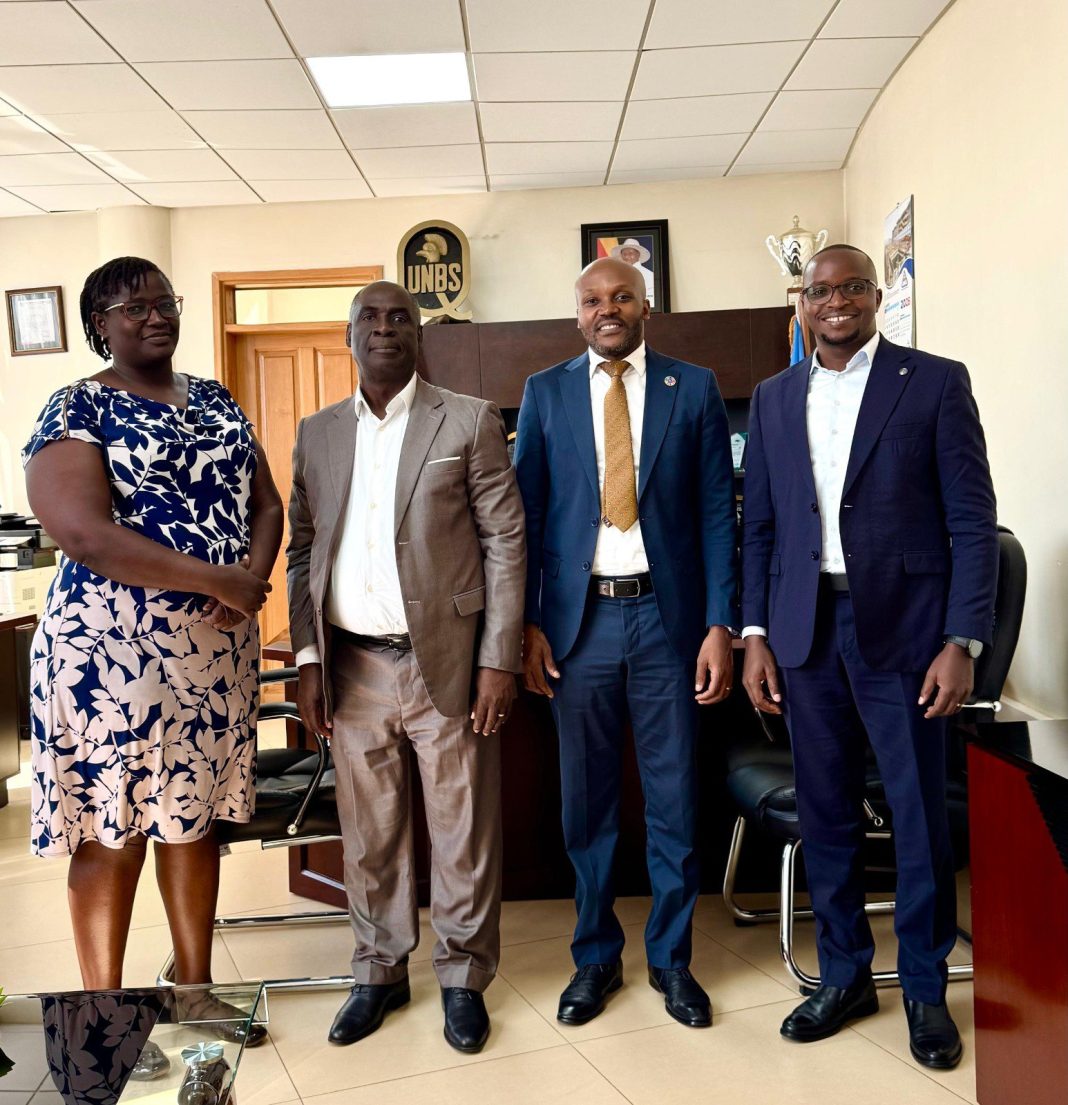
The partnership was reinforced during a two day technical engagement involving experts from the IEC Regional Office for Africa, based in Nairobi, Kenya, and members of Uganda’s National Committee of the IEC, who also serve as UNBS technical officers.

The engagement focused on strengthening the capacity of Uganda’s IEC National Committee and Secretariat while equipping technical stakeholders with knowledge on how the country can derive greater benefits from its membership of the international standardization body.
Uganda became an IEC Associate Member in 2020, giving the country access to the IEC catalogue of international standards and an opportunity to participate in the development and review of global electrotechnical standards.
The standards can subsequently be adopted as Ugandan national standards and provide a technical basis for assessing the safety, quality and performance of electrical and electronic products sold or used in the country.

UNBS Executive Director and Secretary of Uganda’s National Committee of the IEC, Eng. James Kasigwa, said effective implementation of electrotechnical standards was increasingly important as Uganda experiences growing use and importation of electrical and electronic equipment.
“This is about consumer protection, safe trade and environmental protection. We must ensure that products entering the Ugandan market are safe and comply with the requirements of the relevant standards. As our economies become increasingly electrified and digitized, we must also pay attention to the environmental implications of electrical and electronic products, including electronic waste,” Kasigwa said.
UNBS has so far adopted more than 288 IEC standards covering areas such as electrical appliances, cables, electric mobility, solar photovoltaic systems, lighting and renewable energy technologies.
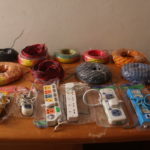
The standards are already central to testing conducted at the UNBS electrical laboratory, where more than 99 percent of the standards applied in testing cables, household appliances, solar panels and switchgear are IEC based, particularly in assessing safety and performance.
The Acting Manager of Standards at UNBS, Dr Safina Namugga Ngobya, welcomed the engagement, saying Uganda needed to make greater use of its IEC membership to strengthen the implementation of standards covering electrical and electronic products and power systems imported into the country.
The Senior Standards Officer responsible for Electrotechnical Technology at UNBS, Winnie Grace Onziru, said the practical training on IEC conformity assessment was particularly significant because Uganda had not previously received comprehensive guidance on how to maximise the benefits of its membership since joining the IEC in 2020.
A major component of the engagement was training on IEC conformity assessment schemes covering areas such as electrical appliances, renewable energy technologies and equipment used in explosive environments.
The training is expected to strengthen the ability of UNBS import inspection and market surveillance teams, as well as Pre Export Verification of Conformity service providers, to distinguish genuine conformity claims from false or misleading ones.
This will also support efforts to keep counterfeit and substandard electrical and electronic products out of the Ugandan market, particularly at a time when the country is witnessing increasing demand for electrical equipment, digital technologies and renewable energy products.
IEC Regional Director for Africa, François Ahoti, said the organisation’s Regional Centre in Nairobi, established in 2015, works with African members through capacity building and technical assistance.
“Uganda has been an IEC Associate Member since 2020, and we are here to offer support in building capacity and benefiting more from the IEC membership. Our role is to help members participate in international standardization and strengthen the conformity assessment systems they use in Africa,” Ahoti said.
He said African countries needed to play a more active role in international standardization while strengthening their conformity assessment systems to ensure products entering their markets are safe and fit for purpose.
The importance of the collaboration extends beyond consumer protection, given the scale of international trade involving electrical and electronic products.
According to the IEC, its work directly affects more than 20 percent of goods traded globally, including electrical and electronic products, primary energy and vehicles. Electrical and electronic devices alone account for about 23.8 percent of global trade, underlining the importance of internationally recognised standards in facilitating safe and sustainable commerce.
For Uganda, stronger participation in IEC standardization is expected to improve the country’s ability to influence and adopt international standards while enhancing the technical capacity of institutions responsible for testing, inspection and market surveillance.
The strengthened partnership is also expected to contribute to safer products for consumers, improved confidence in Uganda’s electrical and electronic market, smoother international trade and better management of environmental challenges associated with electrical and electronic waste.
As Uganda expands access to electricity, embraces e mobility, increases investment in solar energy and accelerates digitalisation, officials say effective electrotechnical standards will remain critical to ensuring that new technologies are introduced safely and sustainably.
The International Electrotechnical Commission, founded in 1906, brings together nearly 170 countries and about 30,000 experts to develop international standards that support the safe design, manufacture, testing and certification of electrical and electronic technologies worldwide.