Stanbic Bank
Stanbic Bank
24 C
Kampala
Stanbic Bank
Stanbic Bank
Home Blog Page 108

Equity Group Records 17% Growth In Profit After Tax To Kshs. 34.6 Billion Up From Kshs.29.6 Billion As Transformation Starts To Bear Fruits, Despite Challenging Operating Environment

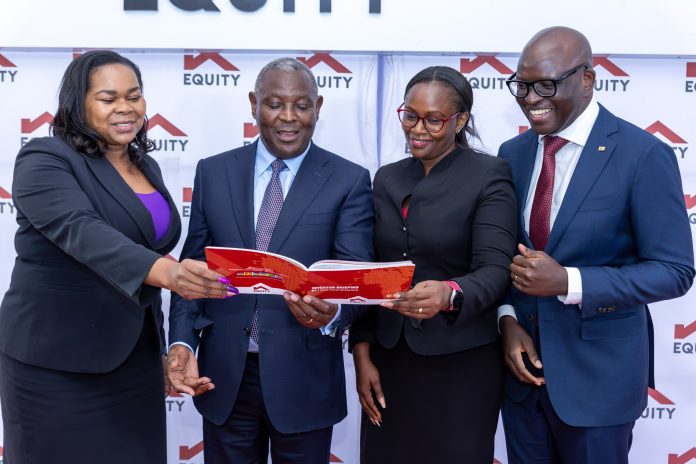
From Left to Right: Equity Life Assurance (Kenya) Limited Managing Director, Angela Okinda, Equity Group Managing Director and CEO, Dr. James Mwangi, Director Equity Group Foundation Operations, Dr. Joanne Korir and Equity Bank Kenya Managing Director, Moses Nyabanda, during the Half Year 2025 Investor Briefing event.

Four years ago, Equity Group embarked on a journey of transformation. The journey was not of incremental change or optimizing the business but one of self-disruption and complete transformation. Nothing, including the core, the true north, corporate beliefs and philosophies, and culture has been spared. The vision has remained socio-economic transformation but has now significantly evolved. The purpose has pivoted from financial inclusion to giving dignity and changing lives while expanding opportunities for wealth creation to one of championing, catalyzing and facilitating private sector led development financing. Knowing Equity could not own the development of a continent, the Group has collaboratively led to the development of the ‘Marshall like plan’ for the continent; The Africa Recovery and Resilience Plan (ARRP) which has informed disruption and transformation of the Group to strategically position it to provide African Leadership.

The Group has developed and mapped its 2030 strategic plan to anchor the ARRP with an ambition to have presence in 15 countries and serving a hundred million customers by 2030. This ambition has necessitated disruption and transformation of the core pillars, enablers and critical success factors. Governance and leadership have been overhauled to provide adequacy of capacity, competence, transparency and openness necessary for the ambition. Systems and infrastructure have been fully replaced with scalable next generation, 4th industrial revolution technologies that are digital, machine learning, Generative Artificial Intelligence (GAI) and data analytics ready and enabled. Applications that can leverage the capabilities of the systems and infrastructure with inbuilt enhanced security and innovations are being deployed. Go to market strategy has been developed for the roll-out to transform the capabilities of a modern product house into customer value propositions and solutions for a segmented market on the basis of industries, sectors, segments, demographics and customer specific status. The Group’s organization culture is undergoing transformation to have built-in customer centricity and market responsiveness on core values of integrity, professionalism, creativity, innovation and teamwork for a fit for purpose human capital and to attract and retain talented, skilled and experienced staff.

Commenting on the Half Year 2025 performance, Equity Group Managing Director and CEO, Dr. James Mwangi said, “The execution of the strategic business plan has started to reflect on the balance sheet and performance of the Group in agriculture, mining, manufacturing, trade and investment, and small and medium enterprises (SMEs) that populate the eco-systems of the formal sector in these value chains and is likely to significantly and increasingly transform the structure and performance of the Group. Continued execution has resulted in transformation of the balance sheet structure and the resultant profit and loss structure creating resilience in performance.”

Group profit after tax grew by 17% to Kshs.34.6 billion up from 29.6 billion year on year driven by a 9% growth in net interest income after an 18% decline in interest expense. Total costs declined by 2% driven by a 34% reduction in loan loss provisions. 
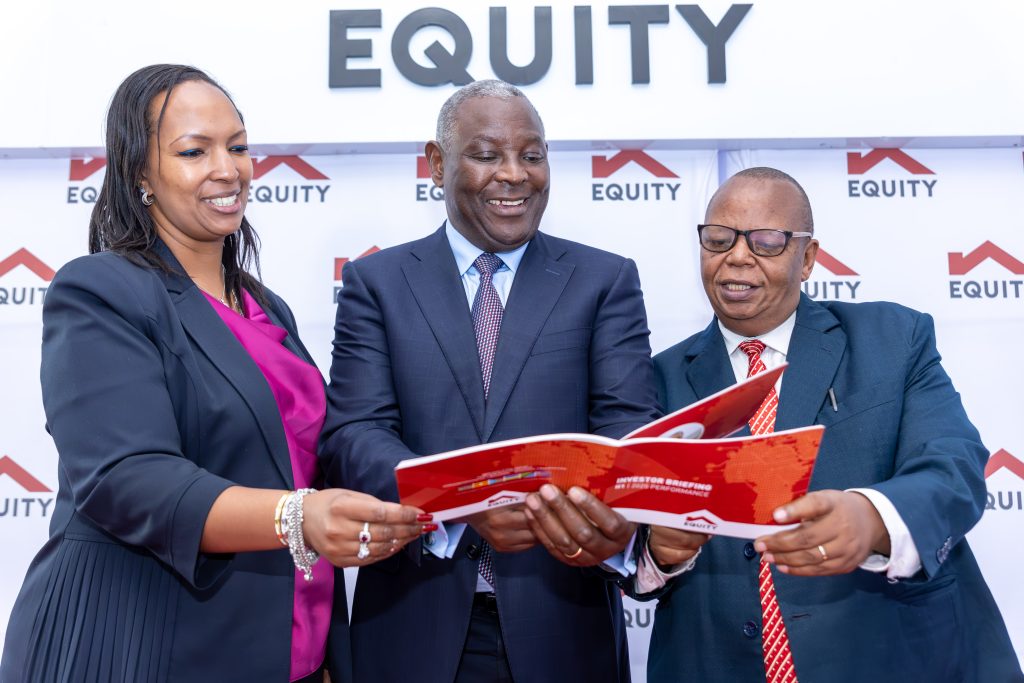
From Left to Right: Equity Group Chief Internal Auditor, Beth Kithinji, Equity Group Managing Director and CEO, Dr. James Mwangi, and Daniel Kimotho, a Shareholder, during the Half Year 2025 Investor Briefing event. 

The Group has also bounced back to record a 4% growth in loan book to Kshs.825.1 billion despite the challenging global, regional and local macroeconomic environment characterized by uncertainty, depressed GDP, growth rates, high interest rates, volatile exchange rates and high inflation. Customer deposits registered a 2% growth to Kshs.1.32 trillion and total assets grew by 3% to reach Kshs.1.8 trillion.

The loan deposit ratio remains favourable at 62.5% signifying headroom in lending which could be supported by strong capital buffers of 16.5% and 18.1% for both core capital to risk weighted assets and total capital to risk weighted assets respectively and a liquidity ratio of 58.6% confirming the opportunity for asset reallocation from cash and cash equivalent assets to higher yielding loan assets.

The four-year Group business transformation journey has started to deliver consistent quarter-on-quarter improvements. The Group has registered the strongest quarterly performance in Q2 2025 of Kshs.22.9 billion and Q1 2025 of Kshs. 18.6 billion both above the quarterly average for the last 4 years, of Kshs.14.8 billion despite the muted loan book growth, geopolitical uncertainty and impact of culture, governance, systems, people, customer value proposition and transformation the Group is undertaking.

The recovery and build up resilience is evident in every business. Equity Bank Kenya has seen its net interest margin rise to 7.5% from 6.5%, return on assets rise to 3.9% up from 2.8% and return on equity jump to 28.1% from 25%. Equity Bank Tanzania has seen its net interest margin rise to 8.7% up from 8.1%, return on assets rise to 4% from 2.3% and return on Equity grow to 27% from 17.5% year on year. Equity Bank Uganda has seen its return on assets jump to 3.4% from 2.2% and return on equity grow to 25.1% from 17.1%. Equity EBCD has seen its net interest margin rise to 7.1% from 6.9%, return on assets grow to 3.1% from 2.6% and return on equity grow to 23.5% from 21.9% while Equity Bank Rwanda has achieved the highest return on assets of 4.1% and a return on equity of 29.6% and a cost to income ratio of 35.8%.

Recovery

In Kenya

Profit after tax increased by 40% from Kshs.13.9 billion to 19.5 billion, net interest income increased by 18% from Kshs. 27.7 billion to Kshs. 32.8 billion after 29% decline on interest expense to Kshs.18.3 billion down from Kshs. 25.6 billion. Total equity grew by 22% to Kshs.154.6 billion from Kshs. 127.2 billion.

In DRC

Profit after tax increased by 22% to Kshs. 9.1 billion from kshs.7.4 billion. Loans and advances grew by 13% to Kshs.275.4 billion from Kshs. 244.2 billion funded by a corresponding decline in cash from Kshs. 271.4 billion down to Kshs.236.5 billion. Total equity grew 28% to Kshs.82.6 billion up from Kshs.64.8 billion

In Uganda

Profit after tax increased by 40% to Kshs.1.9 billion from Kshs.1.4 billion. Deposits grew by 5% to Kshs.96.8 billion from Kshs. 91.9 billion fueling growth of cash and bank balances by 11% to Kshs.25.7 billion from Kshs.23.1 billion and growth of investment securities by 14% to Kshs.36.8 billion from Kshs. 32.3 billion. Capital grew by 9% to Kshs.16.8 billion up from Kshs. 15.4 billion.

In Rwanda

Total assets registered 21% growth to Kshs.130.1 billion up from Kshs.107.6 billion driven by 22% growth in deposits from Ksh.77.7 billion to Kshs.94.7 billion and 23% in loan book from Kshs. 45.5 billion to Kshs. 56.1 billion and 48% growth in cash and bank balances of Kshs. 42.1 billion up from Kshs. 28.5 billion. Capital grew by 26% to Kshs.19.9 billion up from Kshs.15.8 billion.

In Tanzania

Profit after tax grew by 75% to Kshs.1.1 billion up from Kshs.0.6 billion. Shareholders’ funds grew by 67% to Kshs.10.7 billion up from Kshs. 6.4 billion. Loans and advances grew by 19% to Kshs.31.3 billion from Kshs.26.2 billion.

Insurance Group

Balance Sheet grew by 40% to Kshs.31.48 billion up from Kshs. 22.4billion. Profit after tax was 27% up from Kshs.520 million to Kshs. 660 million.

Regional diversification of the banking business continues to register success transforming Equity Group from a Kenyan bank to a regional bank with 49% of deposits, 50% of loan book, 48% of total banking assets and 50% of Group banking revenue coming from the region. The regional banking business has been value creative with 46% of profit before tax and 43% of profit after tax of banking business being contributed by the regional subsidiaries.

The Group’s loan book quality remains stable with Group NPL ratio having peaked to 14.0 in Q1 2025 from 12.9 in H1 2024 to 13.7 in H1 2025, driven by improvement in NPL ratios of Equity Bank Tanzania 2.9%, down from 10.6% and Equity Bank Uganda which registered NPL ratio of 12.2%, down from 17.9%. Equity Group outperformed the Kenyan industry registering NPL ratio of 13.7% against industry average ratio of 17.6% as at April 2025, while maintaining an IFRS NPL coverage of 68.2%. Group’s cost of risk declined from 2.6% to 1.7% year on year.

On business diversification into the insurance industry to transform the Group from a banking Group into an integrated financial services Group, that has now obtained three licenses of life insurance, general insurance and health insurance. In its 3rd year of operations, the life insurance business has become the second largest group credit insurance company with a market share of 7% of group life and credit life, and number 7 in life insurance in terms of return on Equity and number 8 in profitability.  Equity Life Assurance saw its gross written premiums grow by 58% to Kshs.3.8 billion up from Kshs.2.4 billion with net insurance and investment revenue growing by 18% to Kshs. 953 million up from Kshs.808 million, with profit before tax rising by 20% to Kshs. 890 million from Kshs.740 million. Insurance contract liabilities grew by 22% to Kshs.  23 billion up from Kshs.18.9 billion. Total assets increased to Kshs. 28.6 billion up from 22.4 billion. Return on equity stood at 40.7% with a return on assets of 4.7%. Within 3 years of operation, Equity Life Assurance has reached 6.7 cumulative unique customers and issued 16.6 million policies.

The General insurance, which began operating this year, has had a strong start with a Kshs.1.36 billion gross written premiums within 6 months generating Kshs. 640 million insurance revenue to register a profit before tax of Kshs. 32 million, a 6.6% return on equity and a 2.8% return on assets. Equity Insurance Group registered a 26% growth in profit before tax supported by a 115% increase in gross written premiums, of Kshs. 5.181 billion up from Kshs. 2.414 billion. Insurance revenue grew by 59% while total assets grew by 40%.

The investment in systems to create convenience with compression of distance and time for customers has led to a transformation of the business delivery model with migration from fixed and variable cost channels to self-service channels. While over 98% of transactions happen outside the branch, 87.4% of these happen on digital channels.

The non-banking business of the technology and insurance Group have raised its total contribution to Group assets from 1.4% to 1.9% year on year, revenue to 4% up from 2.8% and profit before tax to 3.8% up from 3.5%. The non-banking Group generated a return on Equity of 42.4% and return on assets 6.6% compared to the Group return on Equity of 26.1% and return on assets of 3.9%.

While the Group continued to transform its business arm (economic engine) it continued to invest in its social and sustainability engine under the Equity Group Foundation. A total of $715 million in social impact and sustainability investment program with 47% of funding going to social investments of secondary school scholarships and 34% into university scholarship with the balance being invested in the real economy to derisk and capacitate development of enterprise, entrepreneurship, financial inclusion, health, energy and environment and food and agriculture. Equity Group Foundation has taken global leadership in championing private sector led development, financing and offering direction in reform of global financial architecture.

The Equity Leaders Program (ELP) remains central to nurturing the next generation of African leaders, having supported 29,515 university scholars to date. Among them, 1,061 scholars have secured placements at leading global universities, while 9,700 students have participated in paid internships. The Group’s investment in technical and vocational education has benefited 3,979 TVET scholars, reflecting its commitment to workforce development.

Advancing environmental sustainability, Equity has distributed 520,549 clean energy products and planted 36.4 million trees, driving both climate action and community resilience. Through targeted climate finance exceeding USD 200 million, the Group is enabling enterprises and households to adopt sustainable practices. This leadership in green financing has earned Equity international recognition, with the International Finance Corporation (IFC) acknowledging it as the global leader in climate-related transactions.

Equity’s flagship Young Africa Works program continues to unlock entrepreneurial potential. A cumulative Kshs 363.09 billion has been disbursed to 350,149 MSMEs, while 2.49 million women and youth have received financial education. Complementing these efforts, 658,459 MSMEs have been equipped with entrepreneurship training, broadening economic inclusion across the region.

Further supporting vulnerable populations, the Group’s social protection initiatives have reached 5.9 million individuals, with Kshs 169.8 billion disbursed via cash transfer programs. At the same time, Equity Afia, the Group’s healthcare network, has expanded to 139 clinics, registering 3.98 million patient visits and contributing significantly to affordable and accessible healthcare in the region.

Equity Bank was named the “Best Regional Bank in East Africa” at the African Banker Awards 2025 and retained title as Kenya’s most valuable brand in 2025, for second year running. These recognitions affirm Equity Group’s regional leadership and role in advancing financial inclusion and socio-economic transformation across the continent.

Stories Continues after ad

Museveni blasts intelligence systems: “Intelligence is dead”

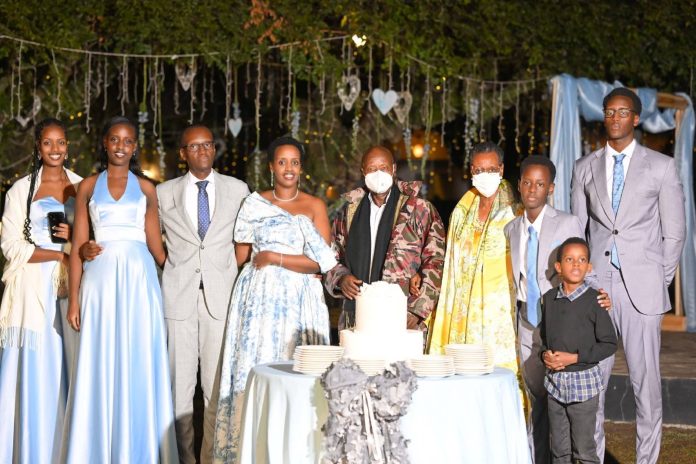
President Yoweri Museveni and First Lady Janet Kataaha Museveni pose for a family photo while marking 25 years of their daughter Natasha Karugire’s marriage to lawyer and businessman Edwin Karugire.

President Yoweri Museveni has revealed that “intelligence is dead” amid rampant corruption and inefficiency.

“People are paying Shs30 million to ensure a letter reaches me. And if I see it, I give an answer and a solution. Yet, the messenger is paid. We have arrested them,” Museveni said, lamenting the distortion of basic communication channels.

He further accused intelligence officers of being hollowed out by “parasites” who have robbed them of credibility.

Museveni painted a grim picture, for years, he said, he avoided listening to informants until the information inevitably reached him by flawed routes.

“Many are dead and robbed by those parasites,” he said, before adding, with bitter irony, “NRM is a benevolent group and we don’t harm people… these people who plan bad things… they come and report themselves.”

The president revealed how, due to distrust in formal intelligence, even his daughter Natasha, described as “most apolitical,” has become a de facto Director General of Intelligence in his eyes.

“So Natasha tells me, and then I call these people,” he explained. He said this at a function to celebrate his daughter Natasha’s 25 years of marriage to Edwin Karugire.

Museveni’s rebuke comes amid mounting concerns over the reliability and politicization of Uganda’s intelligence agencies

Museveni reveals deep distrust in formal channels, widespread corruption, and the urgent need for reform. By publicly naming these issues, the president hints at potential shakeups within intelligence and security agencies. When the head of state implies that grassroots or personal networks have replaced official agencies, it undermines public confidence in the country’s national security apparatus.

President Museveni’s claim that intelligence is “dead” unveils an urgent and systemic failure across the security and information networks. Whether this public censure will translate into effective reform or further consolidate executive control remains to be seen. But one thing is clear: trust in the formal intelligence system has been profoundly eroded.

Gen. Museveni isn’t known for seeking public sympathy, and his reason for coming out could signal an indicator that he is tired of the rotten system around him, and this could imply an impending sacking and dropping of those in intelligence circles.

Eagle Online has further learnt that, due to this frustration by the head of state, he is surrounded by non-functioning systems. Insiders say the internal fights within the agencies mandated with gathering intelligence are the biggest contributor, as well as a lack of funding.

The ongoing bickering in the External Security Organisation (ESO) between the two topmost leaders, for example, and the internal crisis at the Internal Security Organisation (ISO) involving several individuals, can lead to the current state of affairs. So, the public should expect a purge among the top leaders of these agencies soon.

Stories Continues after ad

Indian Community in Uganda rallies to save over 100 children with heart defects as Ruparelia group boosts efforts

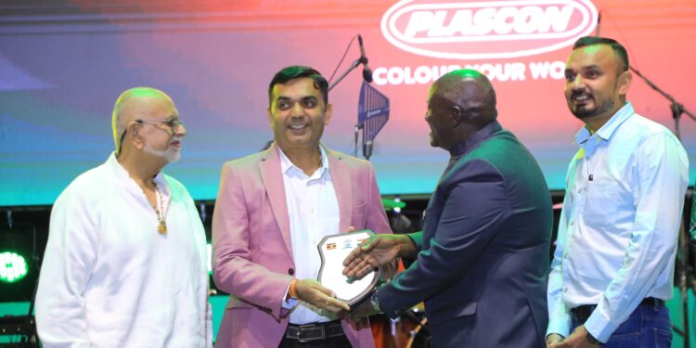
Works and Transport Minister, Gen. Edward Katumba Wamala, chats with Tycoon Sudhir Ruparelia and Paresh R. Mehta, acting chairman of the Indian Association Uganda, and another guest at Kololo.

The Indian community in Uganda turned the Kololo Independence Grounds into a vibrant display of culture and compassion on Saturday, August 9, as thousands gathered for the annual India Day celebrations — this year dedicated to raising funds for lifesaving heart surgeries for more than 100 Ugandan children.

Organized by the Indian Association Uganda and the Sindhi Community Uganda, the event showcased the community’s deep commitment to social welfare. Its primary mission was to address the alarming statistic that 8,300 children are born each year in Uganda with congenital heart defects. This reality leaves many without access to life-saving care.

“This is not just a cultural celebration; it’s a lifeline,” said Paresh R. Mehta, acting chairman of the Indian Association Uganda. “We wanted this year’s India Day to be a celebration with a heartbeat. The first group of 50 children will soon travel to India for surgeries, with all their medical and travel costs fully covered.”

The cause received a major boost from Kansai Plascon Uganda, which donated approximately $80,000 (Shs300 million). “Our paint brings color to homes, but our partnerships and community work bring hope to hearts,” noted Santosh Gumte, the company’s managing director. “We cannot stand by and let that potential fade away.”

Several other partners, including Airtel Uganda, Uganda Airlines, the Rotary Clubs, and the Ruparelia Group, joined the effort, underscoring the spirit of collaboration between the Indian community and local institutions.

Government leaders also praised the initiative. Minister of Works and Transport Gen. Katumba Wamala commended the Indian community for aligning the event’s mission with Uganda’s own healthcare goals.

He said, “Tonight’s cause is deeply aligned with our national priorities. You have shown that friendship between nations is measured not just in trade, but in compassion.”

The day was steeped in Indian tradition — colorful dance performances, the aroma of street food, and musical acts by Indian pop stars Anjana Padmanabhan and Guru Randhawa kept the crowd energized. The Indian High Commissioner, H.E. Upender Singh Rawat, reminded attendees that the event celebrated not only India’s independence but also “the enduring friendship and shared values between India and Uganda.”

As the evening closed with fireworks, awards were presented to individuals and companies who had gone above and beyond in supporting blood donation and medical aid. For many, the night symbolized more than cultural pride — it was proof that the Indian community in Uganda remains a steadfast partner in saving lives and building hope.

Stories Continues after ad

Former Information Minister Karooro Okurut is dead

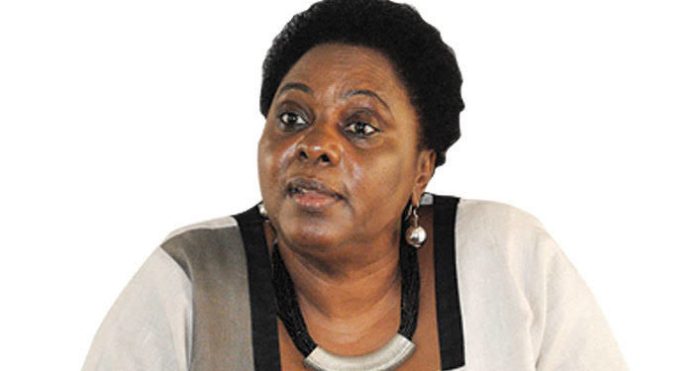
RIP Mary Karooro Okurut.

Former Minister of Information and National Guidance Mary Karooro Okurut is dead.

Karooro, who has been serving as a Senior Presidential Advisor on Media. She was aged 71. She was born on December 8, 1954.

“With so much pain, grief, and sorrow, I announce the death of my ‘bosom buddy’ Mary Karooro Okurut. My literature teacher, my mentor, my close buddy, my world, my all. So painful to imagine. This is a sting I will never forget. May the angels receive her in glory.”  Margaret Muhanga, the State Minister of Health in charge of Primary Health Care, posted on her X handle.

Ms Okurut further served in the cabinet dockets of Security, General Duties in the Office of the Prime Minister, Public Service and Gender, Labour and  Social Development.

From 1999 to 2004, she served as a Press Secretary to the president. Mary Karooro Okurut began lecturing at Makerere University in the Department of Literature in 1981, as soon as she completed her master’s degree. She maintained her status as Lecturer until 1993. In 2004, she was elected in the bye election as the Bushenyi District Woman Member of Parliament.

Before her political career, Okurut was perhaps best known for her contributions to Ugandan literature both as a writer and as the founder of the Uganda Women Writers Association

Stories Continues after ad

Tribunal standoff grips Kassanda South NRM: Mubiru’s security ties and propaganda escalate tensions over Bisaso’s victory

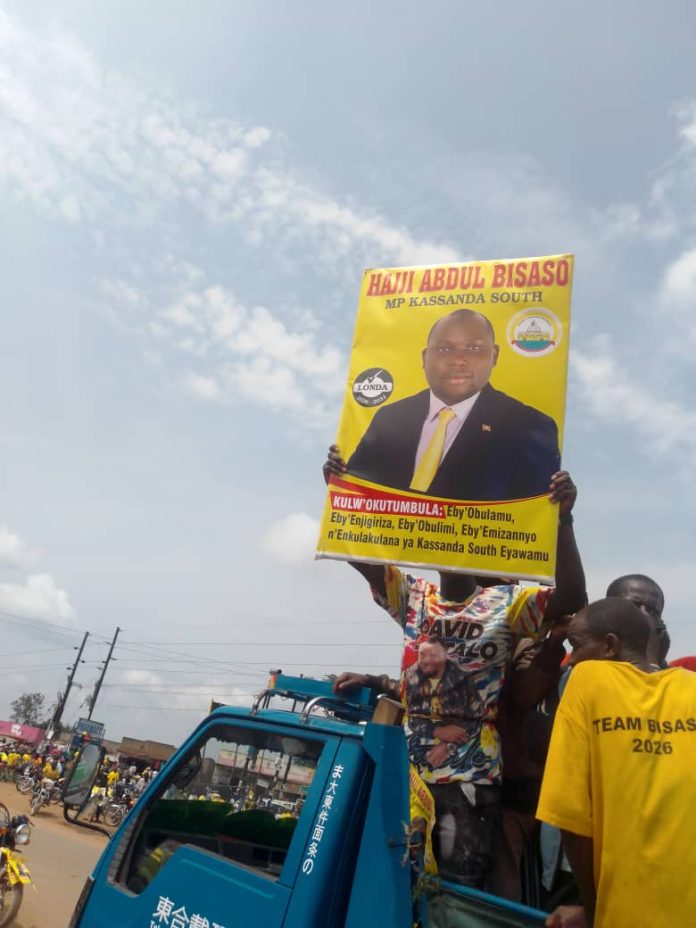
Abdul Bisaso.

Kassanda, Uganda – August 10, 2025 – The unresolved NRM Central Electoral Tribunal case challenging Abdul Bisaso’s narrow victory in the July 17, 2025, Kassanda South parliamentary primaries has plunged the constituency into a volatile standoff, with Eriya Mubiru’s alleged security connections and aggressive propaganda campaign deepening divisions.

As locals brace for a ruling, fears mount that the National Resistance Movement’s (NRM) disarray could jeopardize its chances in the 2026 general elections, not only for the parliamentary seat but also for President Yoweri Kaguta Museveni’s re-election and other district positions.

The primaries, overseen by Kassanda District NRM Registrar Henry Rukundo, saw Bisaso secure 10,226 votes against Mubiru’s 9,860 and Simeo Nsubuga’s 3,172, out of roughly 24,000 valid votes cast (68% turnout among 45,000 registered NRM members). Mubiru’s July 20 petition, alleging vote rigging and intimidation at 25 polling stations, remains unresolved, with the tribunal’s repeated adjournments—most recently on August 5—fuelling accusations of deliberate delays. The process, typically resolved within 14-21 days, as per the NRM’s 2010 constitution, is strained by a nationwide backlog of 200 disputes, a consequence of the party’s expanded membership of 10 million.

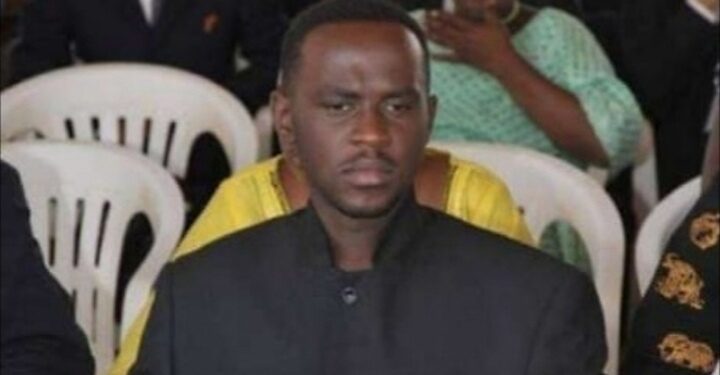
Eriya Mubiru.

Adding to the turmoil, Rukundo’s recent imprisonment on charges related to the primary election has sparked outrage among Bisaso’s supporters, who blame Mubiru’s influence as a contractor with the Uganda People’s Defence Force (UPDF). Mubiru, notorious for moving with armed soldiers and boasting State House connections, is accused of leveraging these ties to orchestrate Rukundo’s remand, undermining the primary results. “He flaunts military escorts and claims Kampala will hand him the flag,” said a Kiganda Town Council resident, who prefers to remain anonymous for fear of retribution by Eriya ‘s henchmen, reflecting sentiments echoed in local X posts. Mubiru’s history reinforces this perception as a Nalutuntu-based land dealer, whose 500-acre cattle farm has sparked disputes, including the controversial enclosure of Bukompe Village, which affects 150 households (Uganda Land Alliance data).

Mubiru’s media machine—spanning WhatsApp groups, TikTok accounts, and ads on local radios —has amplified claims that the tribunal has “already awarded him the card,” with 50,000 social media impressions in the past week alone, outpacing Bisaso’s 20,000. His assertions of clinching victory through “Kampala connections” have fuelled propaganda, with 62% of 500 surveyed residents (Kassanda Development Forum, August 2025) believing the delay is politically motivated. This has eroded NRM trust, with member engagement down 15% since the dispute began.

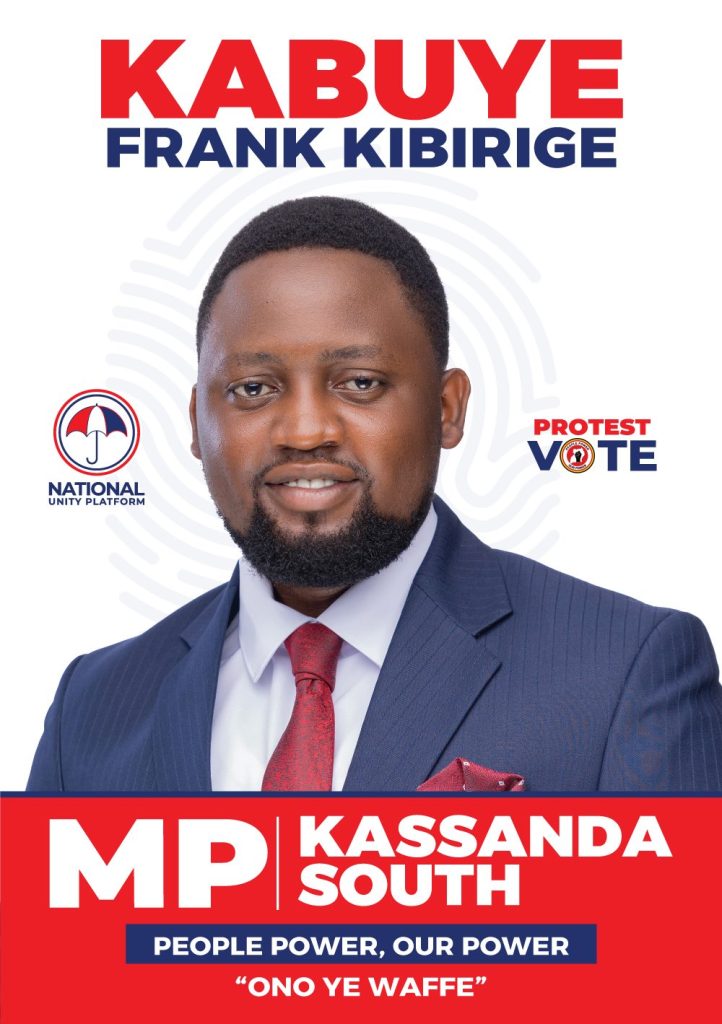
Bisaso, a self-made entrepreneur with deep Kiganda roots, commands organic support from his youth leadership days in pre-2017 Mubende District and his role as NRM DEC Chairman for Entrepreneurs. His contributions to past victories—Nyombi Thembo, Simeo Nsubuga, and Michael Muhumuza in 2021—alongside initiatives like Emyooga (Shs2 billion to 5,000 youth since 2020), cement his grassroots appeal. Yet, the tight margin (366 votes) underscores the need for unity with Mubiru and Nsubuga, whose combined 23,258 primary votes could secure 20,000 in the general election, crucial in a constituency where NUP’s Frank Kabuye Kibirige won in 2021 with 12,279 votes (39% of 31,453).

NRM insiders warn that consolidating Bisaso, Mubiru, and Nsubuga is vital not only for the MP seat but also to boost Museveni’s tally (10,456 votes or 33% in 2021) and secure positions like woman MP and district LC chairman. Kassanda’s 315,000 residents, reliant on agriculture (70% of household income) and grappling with 18% youth unemployment (UBOS 2024), demand cohesive leadership. Mubiru’s security-backed posturing, however, risks alienating voters, with his land disputes—resolved in court against Abdi Hassan in 2022 but ongoing with neighbours—casting him as an outsider.

As the September flag bearer certification deadline nears, Kassanda remains on edge. “Mubiru’s soldiers and boasts are splitting us,” a local elder warned, predicting opposition gains if the “floodgate” of disunity persists. Bisaso’s camp is countering with community outreach, but the tribunal’s silence and Mubiru’s military clout threaten NRM’s hold on Greater Mubende, where 2021 losses to NUP loom large. A ruling, expected by August 15, is critical to averting electoral disaster in 2026.

Stories Continues after ad

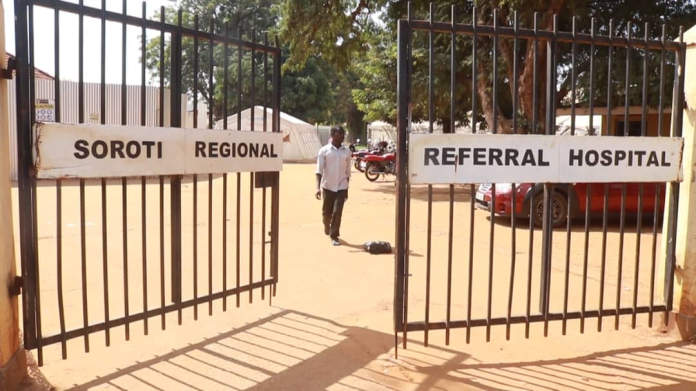
Gov’t summoned over delayed Soroti Regional Hospital construction

A report by the Committee on Government Assurances and Implementation has faulted the government for dragging its feet on the construction of the long-promised Soroti Regional Referral Hospital, which continues to operate under deteriorating infrastructure.

The committee chairperson, Abed Bwanika, noted that the hospital serves a large population under conditions that threaten both the quality of service delivery and patient safety.

“Soroti Hospital is relying on very old structures that have hampered not only service delivery but also exposed the facility to security risks. Yet it serves over 10 districts with a population of more than two million people,” Bwanika said.

The report highlights several critical deficiencies, including the absence of essential departments such as an Accident and Emergency Unit, a functional Intensive Care Unit (ICU), and the presence of congested operating theatres.

Bwanika presented the report during a plenary sitting on Thursday, August 7, 2025, chaired by Speaker Anita Among. He commended local leaders for securing land for the proposed hospital but expressed concern over government inaction.

“Soroti District Local Government and Soroti University offered 60 acres of land for the project. While some of the land has been used to build a regional blood bank and staff housing, actual construction of the hospital has not yet begun. The hospital also serves as a training ground for medical interns, further straining its capacity,” he said.

He blamed the Ministry of Health for delays in formalising land acquisition from Soroti University, a critical step before construction can commence.

Speaker Among also decried the hospital’s poor state, saying it does not meet the standards of a regional referral facility and even struggles with basic hygiene.

“We do not have a regional referral hospital in Soroti — maybe the name should be changed. When you stand at the gate, the stench is overwhelming because they lack trucks to remove garbage,” she said. “Soroti Hospital cannot even conduct major operations.”

Sarah Opendi, Woman MP for Tororo District, called on Parliament to prioritise the hospital in the upcoming national budget, citing its strategic importance.

“The hospital still functions like a district hospital. Yet, recently, we celebrated its doctors for successfully separating conjoined twins. But when you see the theatres they’re operating in, you could shed tears,” she said.

In response, Minister of Health, Dr. Jane Ruth Aceng, said the ministry is working on acquiring a land title for the new hospital but admitted that there is currently no funding for its construction.

“Constructing a new hospital requires funding. We have asked the Ministry of Finance to mobilise resources. Until that is done, we cannot proceed with construction,” Aceng stated.

“We have been engaging with JICA [Japan International Cooperation Agency] for possible support, but until we get a response, we do not have a clear way forward,” she added.

The committee’s report also raised concerns about Kilembe Mines Hospital in Kasese District, which has remained in ruins for five years following devastating floods from River Nyamwamba.

Although the government had pledged Shs2 billion to rebuild the facility, the report reveals that no meaningful progress has been made. The hospital previously served over 50,000 people from six sub-counties in Kasese.

Minister Aceng clarified that construction at Kilembe Mines Hospital was put on hold until an investor is secured to revamp the mines and River Nyamwamba is properly desilted.

Stories Continues after ad

Parliament Report reveals shocking pay disparities among local gov’t leaders

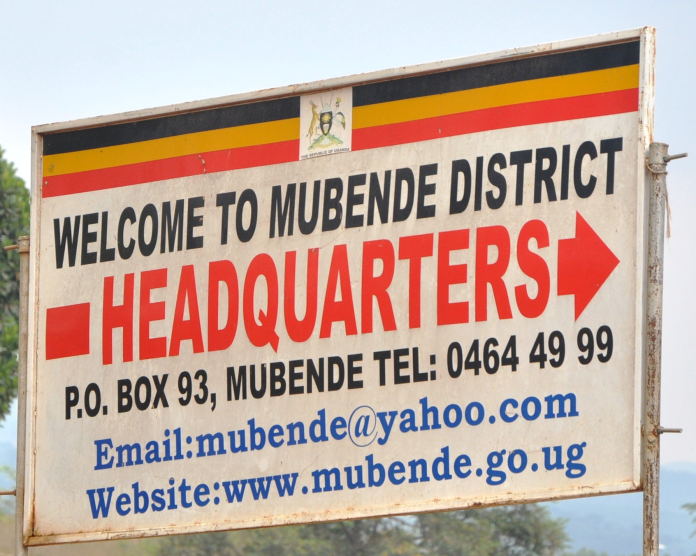
The signpost of Mubende District.

Parliament has uncovered major disparities in the remuneration of political leaders across local governments, with some Sub-county councilors earning as little as Shs35,000 per month, while their counterparts in cities and municipalities earn up to Shs250,000.

This revelation is contained in the Report of the Committee on Government Assurance and Implementation which assessed the status of assurances to fully operationalize newly created cities.

“The Committee noted gross variations in the remuneration to Political Leaders at both City level and Local Governments,” the report reads in part, adding that the findings were “demonstrated by the huge disparities in the salary structures.”

The Committee, chaired by Abed Bwanika, expressed concern that the salaries of new city leaders and staff are still meager and not commensurate with the rising cost of living.

“This is no different from the report by the Ministry of Local Government when appearing before the House Committee on Public Service on March 26, 2024,” the report adds.

According to the report:

 · Sub-county Chairpersons earn Shs 400,000,

 · Sub-county Councilors earn Shs35,000,

 · Municipal, City, and District Councilors earn Shs250,000,

 ·Speakers and their deputies earn between Shs300,000 and Shs600,000,

 ·City and District Executive Committee members earn Shs600,000,

 ·City and District Chairpersons earn Shs2 million monthly.

The situation is not much better in districts like Mbarara, where:

 ·Executive Committee members earn Shs700,000,

 · Speakers and Deputy Speakers also earn Shs700,000,

 · Councillors take home Shs 250,000, all figures before tax.

“The Sitting Allowances per Council or Committee do not exceed 15% of the Local Revenue Collection,” the Committee further noted.

The Committee attributed these disparities to Uganda’s fiscal decentralization system, where local revenue generation directly influences how much political leaders are paid.

The report revealed, “Cities with higher local revenues will have more funds to spend on emoluments of their officials, as opposed to those with less revenue, which not only creates discrepancies in salaries but also demoralizes public servants.”

The Committee warned that these disparities are not only unjust but are also affecting morale and performance in local governments.

“Discrepancies in emoluments and allowances cause a decline in morale among political leaders, especially those in sub-counties with lower local revenues,” the report reads.

It adds, “It becomes difficult to attract and retain competent leaders in such areas.”

The report calls for urgent reforms in the salary structure of local government leaders to ensure equity and sustainability, especially as the country continues to operationalize new administrative units.

Stories Continues after ad

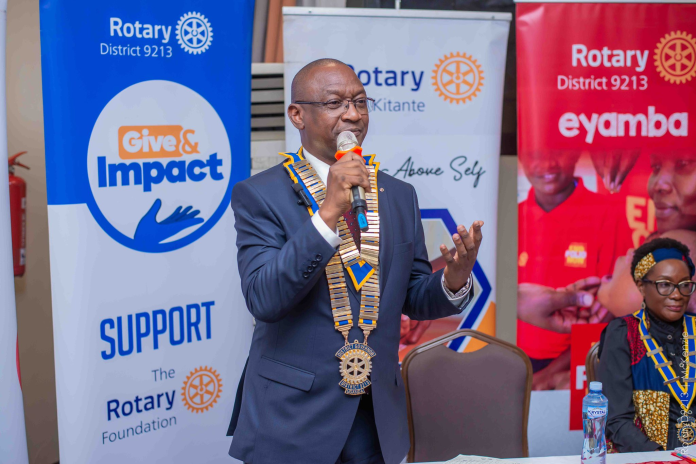
Rotary Governor Kitakule rallies Rotary Club Kitante to expand membership and boost impact

District Governor G M Kitakule.

Rotary Governor, Geoffrey Martin Kitakule has challenged members of the Rotary Club of Kitante to intensify their recruitment efforts and broaden the club’s visibility in order to sustain its life-changing community initiatives.

Speaking during his official visit to the club on Wednesday, Kitakule commended the vibrancy of Rotary Club Kitante, which boasts 57 members. However, he expressed concern that only about 40% of the members are actively engaged in club activities.

“My challenge is simple. Each member should bring in at least one new Rotarian by the end of the year. Our goal is to grow by 20 members, and with that growth comes more hands for service, stronger leadership pipelines, and the energy to sustain impactful projects,” Kitakule said.

Kitakule emphasized the importance of attracting a younger, more passionate generation of Rotarians who can carry the torch forward and uphold Rotary’s legacy of service and innovation.

He noted, “Let’s bring in young, purpose-driven people who are eager to make a difference. That’s how we ensure continuity and relevance.”

The Rotary Club of Kitante has already made its mark through impactful projects such as providing clean water to communities in Kamwokya and championing support programs for the boy child. Kitakule praised these initiatives but noted they require more visibility to attract meaningful partnerships and inspire others.

“Kitante’s projects speak volumes, clean water for Kamwokya, support for the boy child, these initiatives are changing lives,” he said.

He added, “But we need to amplify them. Visibility is key to drawing in partners and showing others what’s possible.”

On the international front, Kitakule lauded the club for its contributions to the Rotary International Foundation. To date, the club has donated $10,000, with a target of raising another $10,000 by the end of the year.

“That level of giving is commendable. If we hit the $20,000 target, not only will Rotary Club Kitante receive recognition at the District Conference, but it will also help fuel global projects that uplift communities around the world,” he applauded.

Kitakule also urged members to participate fully in upcoming Rotary events, serve with boldness, and remain committed to the club’s mission.

“With growth, visibility, and commitment, Rotary Club Kitante can become a true model of service and leadership. “Let’s show up, serve boldly, and inspire lasting change.”

Stories Continues after ad

Equity Bank expands services to Ugandans in South Africa

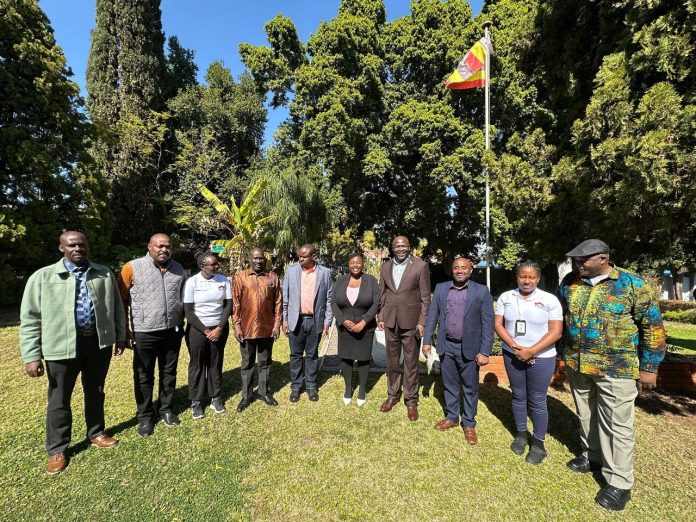
In the photo is the team from Equity Bank Uganda in the white branded t-shirts led by Damali Balungi- International Banking Manager, and Allen Ritah Nanteza- Diaspora & International Money Transfer (IMT) Officer, together with the Diaspora team.

Johannesburg, August 7, 2025.  Ugandans living and working in South Africa now have greater opportunities to invest back home following Equity Bank’s entry into the country, marking the first time the East African financial giant has ventured into the South African market.

The Bank officially introduced its integrated financial services during the Confederation of Ugandans in South Africa event, which the Ugandan Community organised in Johannesburg in partnership with the Uganda High Commission in South Africa.

At the event, Equity Bank Uganda presented financial solutions tailored for the diaspora, including savings and investment accounts, mortgages, and cross-border money transfer services.

Speaking at the event, Equity Bank’s Manager for International Banking, Damali Balungi, said the move was driven by the growing demand among Ugandans abroad to seamlessly connect with financial opportunities back home.

“Our mission here is to give Ugandans in South Africa access to secure and reliable banking services that meet their needs but also enable them to invest back home,” Balungi said.  Adding, “From mortgages to business financing, we want all Ugandans abroad to know that they can be part of their community’s growth story.”

According to Balungi, Equity Bank Uganda views South Africa as a key link for the diaspora and plans to introduce more financial services to simplify cross-border financial transactions.

She revealed that the Bank will also offer access to secure and reliable banking services that will enable the South African community to enjoy safe banking.

COUSA is an annual event that brings together hundreds of Ugandans living in South Africa. Participants expressed excitement at the Bank’s presence, saying it would make it easier for them to invest and save back home.

Sara Nalumansi, a Ugandan entrepreneur based in Pretoria, welcomed the development. “For years, we have wanted a bank that understands both our home country, Uganda, and South Africa. Equity’s presence here today gives us confidence that saving or even buying property back home will now be simpler and safer.”

Officials from the Uganda High Commission also lauded the bank’s decision to be present at the confederation, noting that the diaspora plays a critical role in remittances and national development.

Stories Continues after ad

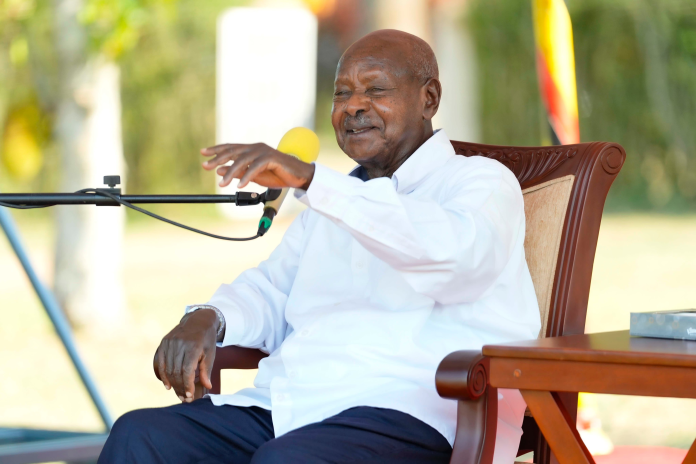
Museveni plans to buy Mayuge Sugar Factory for Busoga sugarcane farmers

President Museveni.

President Yoweri Kaguta Museveni has announced that the government will purchase the Mayuge Sugar Factory for Busoga sugarcane farmers.

The President announced on Wednesday, August 6, 2025, while meeting sugarcane growers, millers, and sugar manufacturers from across Uganda at Kityerera State Lodge, Mayuge.

The move is in fulfillment of the government’s pledge to build a sugarcane processing plant for Busoga sugarcane farmers.

During the meeting, the farmers gave the government a green light to go into purchase negotiations with the sugar factory.

The new ownership model is expected to restore fairness in the sugar industry and ensure that profits return directly to the farmers.

“I pledged to build a sugar factory for you. Recently, the people of Mayuge Sugar Factory came and wanted to sell it to me and give it to the poor people. Do you agree?” President Museveni asked, receiving a resounding “Yes!” from the farmers.

“Okay, we shall negotiate with them and buy it for you,” the President assured.

The meeting brought together key stakeholders from Uganda’s major sugarcane growing regions — Busoga, Buganda, Western, and Northern Uganda — and is part of President Museveni’s wider agenda to reform the agro-industrial sector and uplift communities from poverty.

In the same meeting, President Museveni revealed that the cabinet will decide the fate of CN Sugar Ltd and Shakti Sugar limited which were closed due operational issues. He said the issue should be handled next week on Monday.

On the other hand, President Museveni directed the Minister for Trade, Industry and Cooperatives, Hon. Francis Mwebesa, to ensure the long-awaited Sugar Council is established by the Sugarcane (Amendment) Act, 2023, passed by Parliament in April 2025. He ordered that the names of the council members should be confirmed by next week.

The council is expected to regulate the industry and represent the interests of growers and millers alike.

The council will consist of a chairperson, four representatives of sugarcane out-growers, four from sugar millers, and Permanent Secretaries from the Ministries of Agriculture, Finance, and Trade.

During the same meeting, Mr. Budugo Isa, Chairperson of the Uganda National Association of Sugarcane Growers, expressed concern over the continued deduction of a 5% levy from farmers delivering sugarcane to factories, a cost management charge that was supposed to be scrapped under the new law.

“We had hope in this council, but the Ministry of Trade is taking too long to implement it,” Mr. Budugo lamented.

President Museveni responded firmly, directing that the charge should stop and urged the sugar manufacturers to reject sugarcane deliveries that are mixed with husks and tops, which degrade processing efficiency.

“Can we now agree? Reject the unclean sugarcane,” President Museveni said. “And the 5% charge must stop.”

Minister Mwebesa pledged to enact new regulations in line with the President’s directive. He also disclosed that the government has secured funds to compensate suppliers of the Atiak Sugar Factory, and the payments would be effected next week.

Delving into Uganda’s historical struggles with poverty, President Museveni shared personal insights on wealth creation, the challenges of land fragmentation, and the transformation of traditional communities.

“The idea of transformation was not clear in the 1960s. Some people believed that poverty must exist — that some be rich while others stay poor. I refused that logic,” he said.

“When I went to school, I compared traditional systems with capitalist economies and saw how industrial revolutions changed societies,” he added.

H.E. Museveni said his early efforts in the cattle corridor focused on ending nomadic lifestyles, promoting food production, and introducing income-generating activities. However, the long years of war against Idi Amin disrupted economic progress and led to further land fragmentation, weakening household incomes.

Who should grow sugarcane?

The President gave a detailed economic analysis of sugarcane production, noting that the average returns — Shs4 million per acre annually — are insufficient for families with small land holdings.

“Sugarcane should be grown by people with large chunks of land. Those with two acres will never get out of poverty with sugarcane, let’s be clear. You, the sugarcane growers, must agree on the minimum land size for one to engage in sugarcane farming,” H.E. Museveni said

He contrasted the income from sugarcane with alternative models, recommending the four acres model for smallholder farmers. This includes growing food crops, coffee, pasture, and engaging in livestock, poultry, fish farming, or piggery.

President Museveni highlighted the case of Joseph Ijara of Serere, who uses only 2.5 acres to generate over UGX 1 billion annually through poultry and zero-grazing dairy farming.

“Ijara sells 310 eggs a day and 320 liters of milk daily. That’s what I have been talking about for years,” the President emphasized. “Another farmer, Nyakana, earns UGX 300,000 daily from eggs — that’s UGX 108 million a year.”

He urged communities to adopt evidence-based agricultural choices based on land size, advising those with smaller plots to avoid sugarcane and instead focus on more profitable, intensive models.

The President also discussed cotton farming, noting that returns are too low for smallholders. He cited large-scale models as viable, recommending prisons and institutions with large landholdings to take on cotton cultivation to support the country’s textile industry.

Stories Continues after ad