Stanbic Bank
Stanbic Bank
19.7 C
Kampala
Stanbic Bank
Stanbic Bank
Home Blog Page 116

WHO recommends injectable lenacapavir for HIV prevention

The World Health Organization (WHO) has recommended the use of injectable lenacapavir (LEN) twice a year as an additional pre-exposure prophylaxis (PrEP) option for HIV prevention, in a landmark policy action that could help reshape the global HIV response. 

LEN, the first twice-yearly injectable PrEP product, offers a highly effective, long-acting alternative to daily oral pills and other shorter-acting options. With just two doses per year, LEN is a transformative step forward in protecting people at risk of HIV – particularly those who face challenges with daily adherence, stigma, or access to health care.

“While an HIV vaccine remains elusive, lenacapavir is the next best thing: a long-acting antiretroviral shown in trials to prevent almost all HIV infections among those at risk,” said Dr Tedros Adhanom Ghebreyesus, WHO Director-General.

 “The launch of WHO’s new guidelines, alongside the FDA’s recent approval, marks a critical step forward in expanding access to this powerful tool. WHO is committed to working with countries and partners to ensure this innovation reaches communities as quickly and safely as possible.”

The new guidelines come at a critical moment as HIV prevention efforts stagnate with 1.3 million new HIV infections occurring in 2024 – with disproportionate impact among key and priority populations, including sex workers, men who have sex with men, transgender people, people who inject drugs, people in prisons, and children and adolescents. WHO’s recommendation on LEN signals a decisive move to expand and diversify HIV prevention, giving people more options to take control over their health with choices that fit their lives.

As part of these guidelines, WHO has recommended a public health approach to HIV testing using HIV rapid tests to support delivery of long-acting injectable PrEP, including LEN and cabotegravir (CAB-LA). The simplified testing recommendation removes a major access barrier by eliminating complex, costly procedures and enabling community-based delivery of long-acting PrEP through pharmacies, clinics, and tele-health.

LEN joins other WHO-recommended PrEP options, including daily oral PrEP, injectable cabotegravir and the dapivirine vaginal ring, as part of a growing arsenal of tools to end the HIV epidemic. While access to LEN outside clinical trials remains limited at the moment, WHO urges governments, donors and global health partners to begin rolling out LEN immediately within national combination HIV prevention programmes – while collecting essential data on uptake, adherence and real-world impact.

For the first time, WHO’s treatment guidelines include a clear recommendation for the use of long-acting injectable cabotegravir and rilpivirine (CAB/RPV) as an alternative switching option for antiretroviral therapy (ART) for adults and adolescents who have achieved full viral suppression on oral ART and do not have active hepatitis B infection. This approach is designed to support people living with HIV facing adherence challenges to oral regimens.

Updated guidelines on service delivery integration include recommendations to integrate HIV services with noncommunicable diseases (NCDs) such as hypertension and diabetes, as well as mental health care for depression, anxiety and alcohol use disorders into HIV services, alongside interventions to support ART adherence. Additionally, new guidelines on management of asymptomatic STIs recommend screening of gonorrhoea and/or chlamydia in key and priority populations.

For people living with HIV who have mpox and are either ART naive or have experienced prolonged ART interruption, rapid initiation of ART is strongly recommended. Additionally, early HIV testing is advised for individuals presenting with suspected or confirmed mpox infection. WHO’s standard operating procedures further emphasize HIV and syphilis testing for all individuals with suspected or confirmed mpox.

In response to the broader challenges facing HIV programmes, WHO has also issued new operational guidance on sustaining priority HIV services in a changing funding landscape. The guidance aims to provide a stepwise framework to help countries prioritize services, assess risks, monitor disruptions, and adapt systems to protect health outcomes and preserve progress.

“We have the tools and the knowledge to end AIDS as a public health problem,” said Dr Meg Doherty, Director of WHO’s Department of Global HIV, Hepatitis and STI Programmes and incoming Director of Science, Research, Evidence and Quality for Health. “What we need now is bold implementation of these recommendations, grounded in equity and powered by communities.”

HIV remains a major global public health issue. By the end of 2024, an estimated 40.8 million people were living with HIV with an estimated 65% in the WHO African Region. Approximately 630 000 people died from HIV-related causes globally, and an estimated 1.3 million people acquired HIV, including 120 000 children. Access to ART continues to expand, with 31.6 million people receiving treatment in 2024, up from 30.3 million in 2023.

At a time of reduced funding for HIV and health, WHO’s new and updated guidelines offer practical, evidence-based strategies to sustain momentum. By expanding prevention and treatment options, simplifying service delivery and promoting integration with broader health services, they support more efficient, equitable, and resilient HIV responses. Now is the moment for bold implementation to ensure these gains translate into real-world impact.

Stories Continues after ad

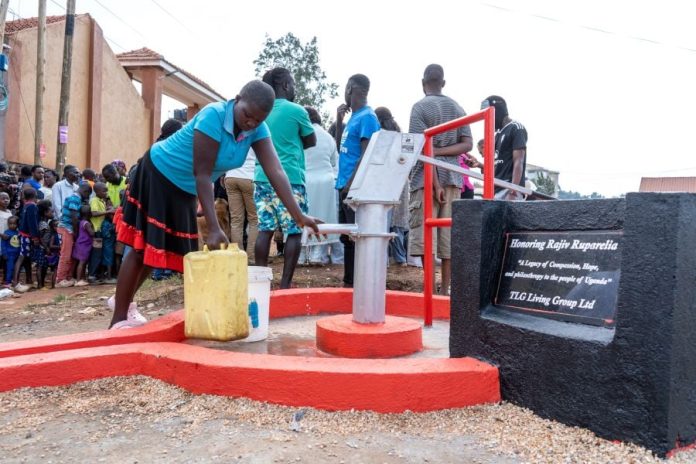
TLG Group donates borehole and supplies to Naguru residents in honour of Rajiv Ruparelia

The newly constructed borehole.

 In a gesture of compassion and corporate responsibility, TLG Group, a Ugandan premium property developer, has donated a borehole and essential supplies to residents of Naguru in memory of the late Rajiv Ruparelia.

The donation, made during a heartfelt community outreach in Naguru’s Police Barracks Village included clean water access and household supplies, benefiting hundreds of families. The event was spearheaded by officials from TLG Group and was marked by an emotional tribute to Rajiv Ruparelia, who passed away in May 2024.

“This act of generosity honours Rajiv’s enduring legacy of philanthropy and dedication to bettering lives,” read a statement by the company. “We are proud to stand with the Ruparelia Foundation to bring this community much-needed relief and hope.”

The borehole, drilled to serve the densely populated and water-stressed Naguru II community, was officially handed over amid gratitude and praise from local leaders and residents. TLG officials emphasized that this initiative was not just about infrastructure, but a heartfelt contribution to uplift the vulnerable.

Among those in attendance were Rajiv’s mother, Jyotsna Ruparelia, his brother, Rajan Ruparelia, and TLG Group Executive Director Nicole Kalungi. The family reaffirmed their commitment to philanthropy and community support, with Rajan Ruparelia noting:

“Rajiv lived for the people. His mission was always to give, to uplift. This borehole is a symbol of the light he brought into people’s lives.”

The donated borehole is expected to ease the strain on Naguru residents, particularly women and children who face daily challenges accessing safe water. According to the Uganda Bureau of Statistics (UBOS), nearly 70% of urban dwellers in informal settlements like Naguru rely on unsafe or distant water sources, often paying exorbitant fees for water.

Local resident Susan Akello shared,“We’ve struggled for years. Water is life, and this gift is a blessing. It’s something Rajiv would have done himself.”

The event also featured the distribution of assorted relief items including sugar, soap, rice, flour, and sanitary towels. Volunteers from the Ruparelia Foundation and TLG Group joined hands to ensure efficient delivery and engagement with beneficiaries.

Water scarcity remains a critical issue in Uganda, with Kampala’s urban poor among the hardest hit. The World Bank estimates that over 7 million Ugandans lack access to safe drinking water, and women and girls are disproportionately affected.

A recent Water Aid report noted that residents in informal settlements like Naguru often spend up to 22% of their monthly income on water, a figure far beyond the UN-recommended threshold of 3%.

This initiative is part of TLG Group’s broader Corporate Social Responsibility (CSR) strategy, which includes regular community engagement and infrastructure support. It also affirms the ongoing work of the Rajiv Ruparelia Foundation, committed to education, healthcare and humanitarian causes across Uganda.

“Rajiv may be gone, but his vision lives on,” said Nicole Kalungi. “We will continue to honour him through action and impact.”

Stories Continues after ad

Stream East Platform launched to propel East African cinema to global audiences

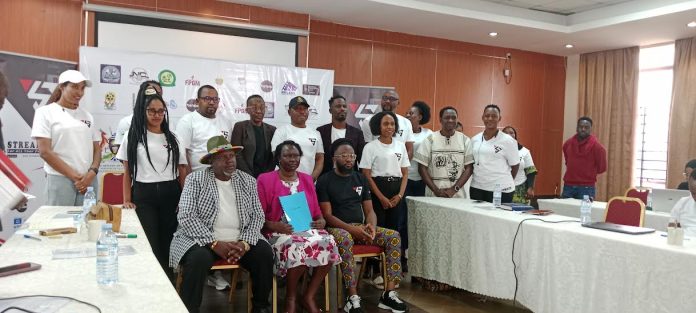
Guests at the official launch of Stream East, a seamless digital streaming platform designed to bring regional films to global audiences at Esella Hotel Najjera.

A new chapter in East African cinema has been written with the official launch of Stream East, a seamless digital streaming platform designed to bring regional films to global audiences. The platform was unveiled at Esella Country Hotel in Najjera during a high-profile summit attended by film leaders, cultural stakeholders and government officials from across the region.

The Stream East platform, developed under the one-year Revitalizing the Film Industry for Livelihood Enhancement (REFILE) project worth $100,000, aims to empower filmmakers across East Africa to showcase their work, improve content quality, and generate revenue through digital distribution.

“This platform will serve as a vital space for showcasing our stories, connecting creators to new audiences, and creating new income streams for film professionals,” said Ms. Naumo Juliana Akoryo, Commissioner for Culture and Family Affairs, speaking on behalf of Mr. Aggrey Kibenge, the Permanent Secretary at the Ministry of Gender, Labour and Social Development.

Stream East is part of a regional initiative supported by the International Fund for Cultural Diversity (IFCD) under UNESCO. Uganda joins seven other countries — Kenya, Tanzania, Rwanda, Ethiopia, Zambia, Malawi, and Zanzibar in embracing this collaborative platform.

During the four-day summit leading up to the launch, delegates from the eight participating countries exchanged expertise and laid the groundwork for regional integration in the film sector. A major outcome was the signing of the East Africa Filmmakers’ Pact, which formalizes cooperation in content aggregation, intellectual property rights, market access, and revenue sharing.

“This Pact, being signed today by country representatives, sets a new foundation for regional cooperation in filmmaking. It is more than a document — it is a declaration of unity, vision, and mutual empowerment,” Ms. Akoryo said.

To strengthen coordination and ensure the implementation of the pact’s priorities, an Interim Regional Film Makers’ Council has been established. The leadership of the council for the first three months includes: Secretary General – Salma Salim Adim (Zanzibar), Vice Secretary General – Dusabimana Apollos (Rwanda) and Secretary of the Council – Bridget T. Chibwe (Zambia)

“This council will guide the operationalization of the union and oversee the implementation of the Pact’s action points,” Akoryo noted.

The event was attended by representatives from UNESCO, Uganda National Commission for UNESCO (UNATCOM), Uganda Registration Services Bureau, and cultural leaders including Pearlwood, Uganda’s umbrella body for filmmakers.

“We are grateful to UNESCO, both the Nairobi Regional Office and our own Uganda National Commission, for their financial and technical support. Let us nurture and invest in this industry not only for its economic potential, but for its capacity to tell our stories, shape our identity, and inspire generations,” Akoryo added.

Mzee Bwanika, Secretary General Pearlwood said that the platform is owned by film producers themselves under associations where they subscribe. He added that the door is open and called more producers’ associations to join.

Speaking on the sustainability of the newly signed East Africa Filmmakers’ Pact and the role of Stream East, Salma Salim Adim, a delegate from Zanzibar and also the interim Secretary General of the regional filmmakers’ council, expressed confidence in the platform’s long-term viability and regional impact.

“The sustainability comes from the cooperation and willingness of the member states — and we are hopeful that this spirit will continue to grow. What also gives us hope is the readiness of some organizations, mentors, and advisers who are positioned to guide and help us reach the vision we have set for ourselves.”

She emphasized that the initiative is regionally owned and driven by collective responsibility across the participating countries.

“Because this is a regional effort not owned by any single country, I strongly believe that collective management organizations already in place can help protect the work of filmmakers across borders. This pact is not just about growth; it’s about protecting and valuing our creative output.”

Salma also highlighted how the platform addresses longstanding challenges faced by local filmmakers in distribution and marketing.

“We’ve all struggled to sell and market our films. This platform is a breakthrough — now, instead of only selling locally, we will be selling regionally. Stream East opens up access across Eastern Africa, where films can be streamed live at affordable rates while showcasing the full cultural diversity of our region.”

She added that the pact also prioritizes generational inclusion:

“We have projects that involve the younger generation. This will build a love for film among future storytellers and creators. So I believe it’s going to be sustainable.”

When asked whether Stream East aims to compete with global giants like Netflix, Salma responded thoughtfully:

“We won’t call it a takeover of Netflix. That platform has been there for years, and it has built its brand and customer base. We are not aiming to compete directly, but to complement  and to offer something homegrown that represents and celebrates East African identity.”

The launch of Stream East is expected to revolutionize the way African stories are told and shared, marking a critical step in amplifying regional narratives on a global stage.

Stories Continues after ad

Equity Bank leads Uganda’s green transition on Global Energy Independence Day

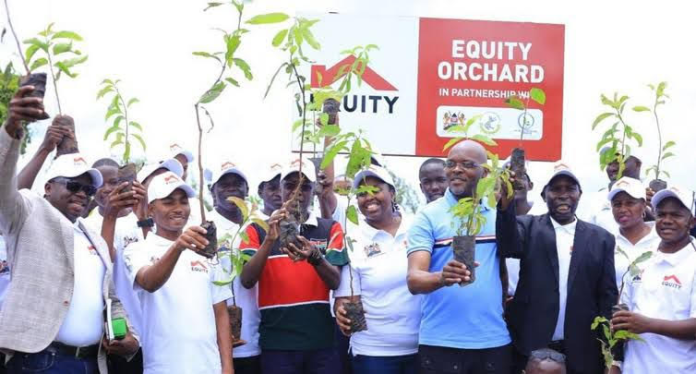
Equity Bank Uganda global energy campaign.

As the world marked Global Energy Independence Day 2025 on July 10th 2025, Equity Bank Uganda led the charge toward sustainable energy access with its bold commitment to clean energy financing.

The bank has emerged as a key driver of clean energy access through its transformative Equi-Green credit facility. The program offers affordable financing for solar energy systems, clean cookstoves, water storage tanks, and solar powered irrigation schemes. This has empowered communities to shift away from non-renewable sources of energy such as charcoal, kerosene, and firewood to cleaner, renewable alternatives.

Since its launch in 2022, the Bank has disbursed Equi-Green credit facility worth over UGX 22 billion. More than 51,000 clean energy products have been distributed to households, small businesses, and institutions across the country, significantly improving energy access and air quality while reducing Uganda’s carbon footprint.

This year’s Global Energy Independence Day theme, “Empower Local, Power the Planet” echoes through Equity’s work. By providing flexible loans starting from UGX 200,000 and partnering with over 18 clean energy providers, the Bank ensures even low-income households in rural areas can access high-quality, sustainable energy solutions.

The benefits go beyond light and power. In schools and health centres- solar systems funded through Equi-Green have increased safety and productivity. Clean cookstoves have reduced smoke inhalation risks, while water tanks are supporting better hygiene.

This July, as Uganda celebrates its own progress on the journey toward energy independence, Equity Bank stands as a shining example of how financial institutions can be powerful enablers of green transformation by making clean energy affordable, accessible and sustainable.

By doing this, Equity Bank is also supporting the efforts of the Uganda Government which has demonstrated a strong and ongoing commitment to achieving energy independence through a multi-faceted approach that balances oil and gas development with the advancement of renewable energy resources and infrastructure.

This commitment is reflected in Uganda’s Energy Transition Plan (unveiled in 2023) and the National Development Plan IV (2025-2030), which prioritize energy access, affordability, and sustainability, alongside leveraging its oil and gas potential and significant renewable energy resources.

Stories Continues after ad

Accounting Officers warned against corruption in management of PDM funds

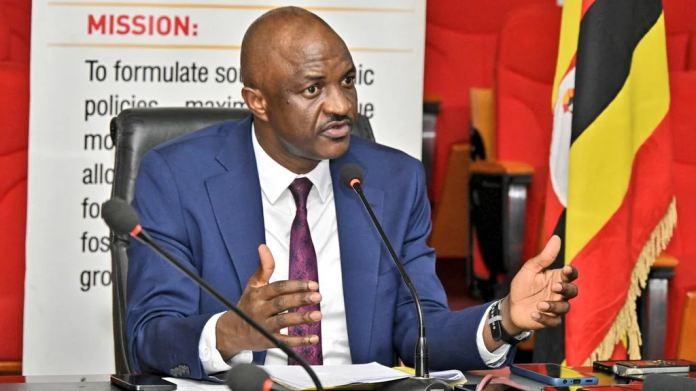
Mr. Ramathan Ggoobi.

The Permanent Secretary and Secretary to the Treasury, Ramathan Ggoobi, has warned accounting officers across the country, urging them to ensure transparency and integrity in the management of Shs1.1 trillion allocated for the implementation of the Parish Development Model (PDM) in the Financial Year 2025/26.

Ggoobi made the revelation during the release of the budget execution circular for financial year 2025/26 on July 10, 2025.

“In the FY 2025/26, Government has provided Shs1,096.9 billion for PDM activities at the parish level,” Ggoobi said.

He added, “Shs1,059.4 billion will go directly into the Parish Revolving Fund, giving each parish Shs100 million to support organised households.”

The funds will also cover other critical PDM components. Ggoobi revealed that Shs5.297 billion has been set aside for loan processing costs at the SACCOs, allocating Shs500,000 per parish. An additional Shs4.237 billion will cater for withdrawal charges associated with PDM loans, with each parish receiving Shs400,000.

To ensure inclusivity, Shs4.654 billion will support Persons with Disabilities who access PDM loans. Administrative costs for Parish Development Committees will be covered under Shs10.594 billion, with each parish receiving Shs1 million. Furthermore, Shs12.712 billion has been allocated to facilitate monthly allowances of Shs100,000 for Parish Chiefs and Town Agents.

Ggoobi stressed that the funds must be used strictly according to the guidelines issued by the Ministry of Finance. He condemned all forms of corruption and illegal charges imposed on beneficiaries.

“The Parish Revolving Fund beneficiaries should not be charged any fees or forced to pay any money to access a loan,” Ggoobi warned.

He added, “Any person or government official involved in fraud, extortion or manipulation of the PDM processes contrary to the guidelines should be handled in accordance with the law.”

He reminded accounting officers to fill all parish chief vacancies without delay and ensure that eligible officers receive their monthly duty facilitation allowances promptly.

Ggoobi further directed that all Accounting Officers must submit detailed quarterly reports accounting for the use of PDM funds. These reports must trace the flow of public funds from all sources to activities under the respective sub-county departments and PDM pillars.

“Government has allocated funds to both Central and Local Governments for the provision of public goods and services at the lower local government level,” he stated. “These resources are intended to enhance service delivery through PDM structures, and proper reporting is not optional — it is mandatory.”

The Parish Development Model is Uganda’s flagship program for transforming the livelihoods of households still engaged in subsistence agriculture. The Finance Ministry’s latest funding and warnings come as part of efforts to protect the integrity and effectiveness of the initiative, and ensure no funds are lost through corruption or inefficiency.

Stories Continues after ad

Uganda reopens DRC border crossings in M23 zones on Museveni’s orders

Officials of both countries at the border reopening.

The Government of Uganda has reopened the Bunagana and Ishasha border crossings with the Democratic Republic of Congo (DRC), following a presidential directive aimed at restoring trade in areas controlled by the M23 movement.

The announcement was made by Chris Magezi, the MA CDF/SPASO who confirmed that the directive was issued through the Chief of Defence Forces (CDF), Gen. Muhoozi Kainerugaba.

“Breaking: Border crossings between Uganda and DRC in M23-controlled areas of Bunagana and Ishasha reopened. This follows a Presidential directive through the CDF-UPDF to reopen the border crossings,” Magezi stated.

He strongly criticized the previous closure of the crossings, calling it a “criminal and counterproductive move.”

“It was a criminal and counterproductive move to block meaningful trade between neighbouring communities whose survival and prosperity depends on it. Those who did it are being investigated,” Magezi added.

The directive was first publicly communicated on July 9 by Gen. Muhoozi Kainerugaba via X (formerly Twitter) emphasizing the President’s instruction to immediately reopen all affected border posts.

“The President and CIC UPDF has said ALL border posts that are situated next to M23 positions must be IMMEDIATELY RE-OPENED. These are Bunagana, Ishasha etc. NOTHING should stop our people’s trade,” Gen. Muhoozi earlier posted.

He added, “We shall investigate ALL the officials who blocked this natural commerce.”

The reopening is expected to revive economic activity between border communities in southwestern Uganda and eastern DRC, many of whom rely on cross-border trade for their livelihoods.

Authorities have pledged accountability measures against officials who were responsible for the closures, with investigations now underway.

Stories Continues after ad

Byanyima calls for renewed solidarity over HIV response amidst budget cuts

Ms Winnie Byanyima.

UNAIDS Executive Director Winnie Byanyima has expressed alarm over a crisis in the global HIV response, urging the international community to rally behind a renewed effort to prevent millions of new infections and deaths.

In a statement accompanying the latest UNAIDS report, Byanyima revealed that by the end of 2024, remarkable gains had been made in the fight against HIV.

“This report shows that at the end of 2024, just before a sudden collapse in funding triggered a crisis in the global AIDS response, the remarkable efforts of communities and governments had brought down the numbers of new HIV infections by 40% and of AIDS-related deaths by 56% since 2010,” she said.

However, she cautioned that significant gaps remain.

“It also shows that huge gaps in HIV prevention remained, with 1.3 million new infections in 2024—almost unchanged from the year before,” she said.

Byanyima highlighted the promise of medical innovation as a potential game-changer.

“We started 2025 excited about a transformative opportunity to tackle HIV with lenacapavir, a new long-acting medicine that can prevent HIV infection with twice-a-year injections. This is just one of a suite of new long-acting medicines. Within the next few years, annual injections and monthly tablets to prevent HIV could be a reality.”

She added that such developments could herald an “HIV prevention revolution” but only if access is widened.

“We could be on the verge of an HIV prevention revolution that reduces new infections towards epidemic control if the world comes together again to overcome monopolies, drive down prices, and ensure everyone who could benefit has access to these new, highly effective prevention tools.”

Troublingly, a major disruption occurred in early 2025 following the withdrawal of the single largest donor to the global HIV response.

“The sudden withdrawal of the single biggest contributor to the global HIV response disrupted treatment and prevention programmes around the world in early 2025,” she said, noting that international aid accounts for 80% of prevention programs in low- and middle-income countries.

According to UNAIDS modeling, if this funding loss becomes permanent, the consequences could be devastating:

“There could be an additional 6 million HIV infections and an additional 4 million AIDS-related deaths by 2029.”

Adding to the concern, Byanyima noted a reversal in global human rights progress, “The number of countries criminalizing the populations most at risk of HIV has risen for the first time since UNAIDS began reporting.”

Despite the funding crisis and shrinking civic space, communities have stepped up.

“When formal systems broke down in Ethiopia, young volunteers formed WhatsApp groups to check on their peers, mothers banded together to support children’s treatment, and youth collectives used community radio to share health information.”

Byanyima acknowledged that while the traditional model of global HIV financing may be nearing its end, a new framework is emerging.

“The consensus behind the old model of financing the HIV response may be coming to an end, but the international community is forging a new, more sustainable path.”

At a major international conference in Seville, countries agreed to explore progressive reforms to boost domestic investment.

“Nations embraced calls for debt relief, international tax cooperation and reform of international financial institutions—the first steps towards a new economic settlement that can give countries the fiscal space needed to invest in the global HIV response.”

She praised progress in domestic HIV financing, noting that 25 out of 60 low- and middle-income countries have already found ways to increase their investment into 2026.

“This is the future of the HIV response—nationally owned and led, sustainable, inclusive and multisectoral.”

Still, she warned that global support remains essential, “This transformation cannot happen overnight. Global solidarity and renewed commitment from funding partners will be needed as countries plan and lead sustainable transitions towards self-financing.”

Ending AIDS, she emphasized, is within reach, “The HIV response has already saved 26.9 million lives. With an HIV prevention revolution, we could end AIDS as a public health threat, saving many more lives.”

And the shift could bring significant economic benefits, “It could be better value for money too: UNAIDS estimates that if the world embraces new technologies, efficiencies and approaches, the annual cost of the HIV response could fall by around US$ 7 billion.”

Byanyima noted that the AIDS response may be in crisis, but there is power to transform. Communities, governments and the United Nations are rising to the challenge.

Stories Continues after ad

UK-based COLAS firm to revamp over 100 roads across Kampala

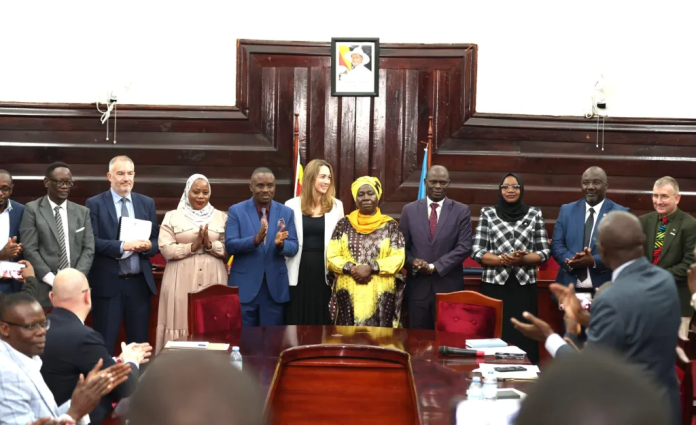
Minister for Kampala Hajjat Minsa Kabanda [standing in front of while lady], State Minister Kabuye Kyofatogabye [ standing next to minister Kabanda on the right] , KCCA Executive Director Hajjat Sharifah Buzeki [4th left, standing], Kampala Lord Mayor Erias Lukwago [5th left, standing], and the Deputy British High Commissioner to Uganda, Tiffany Kirlew [3rd left, standing].Photo by Simon Kabayo/Eagle Online.

Kampala Capital City Authority [KCCA] has entered into an agreement with UK-based global infrastructure firm COLAS to launch the Kampala City Roads and Bridges Upgrading Project [KCRBUP], a transformative infrastructure initiative that will rehabilitate and upgrade more than 118 roads across all five divisions of Uganda’s capital city.

Valued at €250 million [approximately Shs1 trillion], the four-year project is fully financed by UK Export Finance [UKEF]. Central Division will see the most extensive work with 54 roads, followed by Nakawa [27], Kawempe [15], Makindye [14], and Rubaga [8].

The signing ceremony, held at the Mayor’s Parlour on Thursday, was attended by Minister for Kampala Hajjat Minsa Kabanda, State Minister Kabuye Kyofatogabye, KCCA Executive Director Hajjat Sharifah Buzeki, Kampala Lord Mayor Erias Lukwago, and the Deputy British High Commissioner to Uganda, Tiffany Kirlew.

The project will deliver wide-ranging improvements including modern pedestrian walkways, underground drainage systems, solar-powered street lighting, and urban landscaping, measures designed to enhance safety, reduce congestion, and beautify the city.

Three pedestrian bridges will be built at key points to improve safety and accessibility: Uganda Management Institute [Jinja Road], Kawempe Hospital, and Queensway [Entebbe Road].

“This partnership is a major step toward making Kampala a resilient, liveable, and sustainable city,” said KCCA Executive Director Buzeki. “Our residents deserve safe, accessible, and attractive roads, this project brings that vision closer to reality.”

This agreement adds to ongoing KCCA road projects, including the Kampala City Roads Rehabilitation Project [KCRRP], which spans 70 kilometres, and the Greater Kampala Metropolitan Area Urban Development Programme, covering at least 81 kilometres.

Combined, these initiatives are set to greatly enhance road connectivity, stormwater drainage, and urban mobility in the capital.

Minister Kabanda stressed the importance of robust oversight and prioritising local content. “We must ensure Ugandans benefit directly from this investment,” she said, calling for the use of local labour and materials.

Between 200 and 300 Ugandans are expected to be employed directly, with at least 40 percent of the work subcontracted to local companies. A majority of the construction materials will also be sourced locally.

“We are grateful to President Museveni, the Ministry of Finance, and our political leaders whose support has been instrumental,” Buzeki added. “We are committed, alongside all stakeholders, to delivering this project with the urgency it deserves. The people of Kampala have waited long enough.”

Deputy British High Commissioner Kirlew hailed the agreement as a reflection of the strong UK–Uganda partnership.

“This marks the sixth major UKEF-backed infrastructure project in Uganda and the second involving COLAS in the past eight years,” Kirlew noted. “Upon financial close, UKEF’s total portfolio in Uganda will exceed USD 1 billion, a clear indication of the UK’s long-term commitment to the country’s development.”

COLAS, which operates in more than 50 countries and has an annual turnover of €16 billion, has pledged to use low-carbon technologies and innovative construction methods for the Kampala project. This includes recycling existing road materials and deploying efficient traffic management systems to minimise disruption during construction.

Lord Mayor Erias Lukwago welcomed the initiative, calling it “a great moment” for the city. “We are not doing well in terms of mobility, this will significantly improve our infrastructure,” he said, while stressing the need for timely and transparent implementation.

COLAS Country Manager, Eng. Jensen Lars, thanked the Ugandan government and KCCA for their trust. “We are proud to support Kampala’s transformation and will uphold the highest standards of safety, transparency, and sustainability,” he said.

The project builds on COLAS’ growing footprint in Uganda, including its current involvement in the construction of Kabalega International Airport in Hoima.

Some of the roads slated for improvement include Kamwokya–Mbazira Road, Clinic Road, Gowan Road, Katale Road, and Katoogo Road. Others are Klementi Lubwama Road, Mulago Church Road, Mulwanyamuli Road, and Ssebagala Road.

In Makindye and surrounding areas, upgrades will be made to St Kizito Jambula Road, Junju Road, Buziga Islamic Road, Kabali Kabwa Road, Kakembo Road, Kansanga Kiwafu Road, Kiyingi Road, Lubowa Road, Muwuliriza Road, and Tank Hill Bypass. Additional roads such as Faraday Road, Kampala Road, Kirombe Road, Mulwana Kibira Road, and Naalya Road will enhance connectivity in both central and suburban areas.

With works set to commence shortly, residents of Kampala are looking forward to smoother, safer, and greener roads, and a capital city that is future-ready.

Stories Continues after ad

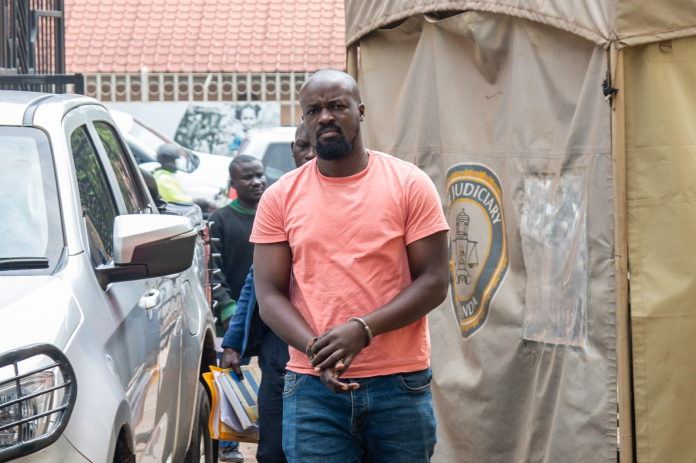
Lawyer charged over theft of Shs200m from Prof. Kanyeihamba

Lawyer Andrew Obam.

The Anti-Corruption Court on Tuesday, 9 charged Obam Andrew, an advocate of the High Court with money laundering in connection with the theft of over $56,500 (Shs202 million)from retired Supreme Court Judge Prof. George Kanyeihamba.

According to the State House Anti-Corruption Unit, working in collaboration with the Criminal Investigations Directorate (CID) and the Office of the Director of Public Prosecutions (ODPP), Obam was arraigned for allegedly conspiring with David Kaliisa , who served as a driver to Prof. Kanyeihamba to fraudulently obtain funds through stolen cheques.

The prosecution alleges that between October 2022 and September 2024, the duo orchestrated a scheme to steal and illegally transfer the funds from Prof. Kanyeihamba’s accounts. The money was reportedly deposited into the account of Loi Advocates — a law firm where Obam Andrew is the sole signatory.

“The accused conspired to defraud and launder over Shs56,500 using cheques that were unlawfully obtained from Prof. Kanyeihamba,” authorities said in a statement released Tuesday.

Obam was remanded to Luzira Prison until July 14, 2025 when he is expected to return to court to take a plea.

The State House Anti-Corruption Unit emphasized its ongoing commitment to prosecuting white-collar crimes particularly those involving trusted professionals. The investigation is ongoing, and more charges or suspects could arise as inquiries deepen.

Stories Continues after ad

Makerere University clarifies global ranking amidst misreporting

Makerere University has clarified its global standing following misinterpretation of its position in the 2025 university rankings.

The University emphasized that its performance is often evaluated using multiple international metrics and ranking systems, including those by Times Higher Education (THE) and the Center for World University Rankings (CWUR).

In a statement, the Office of the Vice Chancellor, Prof. Barnabas Nawangwe, stated: “It is pertinent to inform our stakeholders that, in addition to the ranking by Times Higher Education, Makerere University is also ranked by other international agencies. According to the latest Centre for World University Rankings (CWUR) report, Makerere University is ranked 13th in Africa and 912th globally, maintaining its position as Uganda’s leading university.”

He added that EduRank, another global ranking body places Makerere 7th in Africa and among the top 5% of universities worldwide, with notable distinction in Health Sciences research.

“We wish to reassure our stakeholders, partners, alumni, students, and the general public that Makerere has regained its international reputation as a leader in collaborative research, with the highest impact noted in the SDGs,” Prof. Nawangwe added.

The clarification came following a letter from Times Higher Education dated July 9, 2025, addressed to Makerere University’s Director of Quality Assurance, Dr. Misinde.

The letter, authored by Victor Okeugo, Business Development Manager for Sub-Saharan Africa, clarified that the published performance of Makerere in the 2025 World University Rankings (WUR) places it in the 1201–1500 band.

Okeugo stated, “The number 41 position stated in the article is inaccurate. Institutions within each band are listed alphabetically, not based on score.”

He further noted, “The article has conflated the World University Rankings 2025 and Sub-Saharan Africa University Rankings when comparing Makerere University’s performance over time. This is also inaccurate.”

Makerere University reaffirmed its dedication to excellence in teaching and research, highlighting its continuous efforts in innovation and quality improvement.

“Makerere University remains firmly committed to excellence in teaching and learning, groundbreaking research and innovation, and the continuous improvement of our academic and research environment,” said Prof. Nawangwe.

According to the Ministry of Finance, Makerere’s improving rankings enhance Uganda’s reputation in the international academic and scientific community.

Stories Continues after ad