Stanbic Bank
Stanbic Bank
17.2 C
Kampala
Stanbic Bank
Stanbic Bank
Home Blog Page 23

UN Women, Equity Bank Uganda sign deal to boost women’s financial inclusion and economic growth

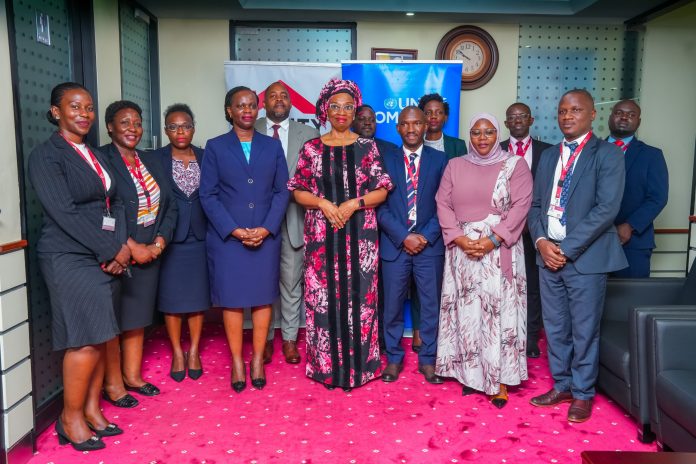
Officials from UN Women and Equity Bank Uganda in a photo after the launch of the partnership this morning at the bank’s head office, Church House kampala

Equity Bank Uganda Limited has partnered with the UN Women in a new agreement aimed at strengthening women’s economic empowerment and expanding access to inclusive financial services across Uganda.

The collaboration, signed on Tuesday at the bank’s boardroom at Church House along Kampala Road, sets out a two-year strategic framework running from April 2026 to March 2028. It will focus on equipping women, particularly those in underserved and refugee-hosting communities, with financial tools, business skills and access to sustainable livelihood opportunities.

Under the partnership, the two institutions will jointly roll out programmes designed to improve financial literacy, entrepreneurship and digital inclusion while widening access to affordable financial products and services.

Speaking at the signing ceremony, UN Women Deputy Country Representative Adekemi Ndieli underscored the importance of private sector partnerships in advancing gender equality.

“This partnership reflects our shared commitment to ensuring that women especially those in underserved and vulnerable communities have the tools, resources and opportunities to thrive economically. By working together, we can accelerate progress toward inclusive growth and sustainable development,” Ndieli said.

On behalf of the bank, Managing Director Gift Shoko said the initiative aligns with Equity’s broader mission of promoting inclusive finance.

“Equity Bank Uganda is proud to partner with UN Women to dismantle barriers that prevent women from achieving economic autonomy. Our commitment goes beyond financial products. We are offering training, digital literacy and clean energy solutions to ensure women can compete and succeed in today’s economy,” Shoko said.

He added, “We believe inclusive finance is the foundation of inclusive growth. Together, we will empower women to transform their enterprises and their communities.”

The partnership will focus on expanding access to savings, credit and digital banking solutions for women and underserved populations, alongside delivering financial literacy and entrepreneurship training. It will also support women-led agribusinesses and cooperatives, promote clean energy financing for low-income and rural households, and strengthen social protection and resilience in refugee-hosting areas.

As part of the arrangement, UN Women will provide technical expertise, policy guidance and community mobilization support, while Equity Bank Uganda will deliver tailored financial products, training and advisory services. The implementation will be guided by a joint work plan with clear targets and measurable outcomes.

The initiative is expected to benefit thousands of women across Uganda by improving access to finance, expanding business opportunities and strengthening their participation in economic development.

It will also support women entrepreneurs to tap into opportunities under the African Continental Free Trade Area, enabling them to access wider regional markets, scale their enterprises and play a greater role in driving economic growth.

Stories Continues after ad

Build more prisons, hire more Judges to avoid inmate congestion-Otafiire

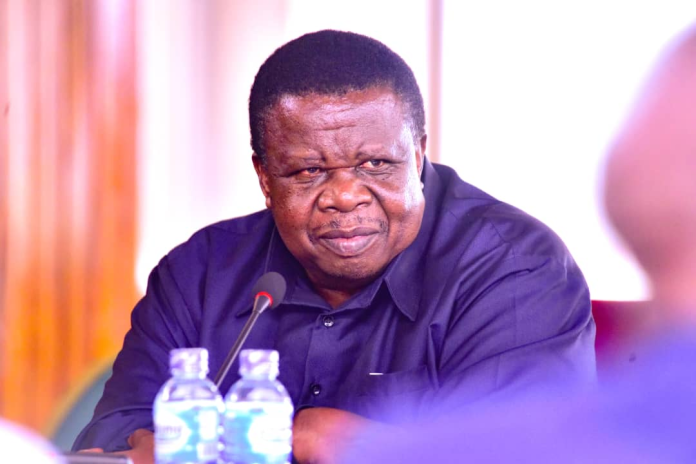
Minister of Internal Affairs Kahinda Otafiire.

The Minister of Internal Affairs Kahinda Otafiire has urged the government to prioritise the construction of new prison facilities and the recruitment of more judicial officers, saying these are the most effective ways to address Uganda’s worsening inmate congestion.

Appearing before Parliament’s Defence and Internal Affairs Committee during the consideration of the 2026/27 Ministerial Policy Statement for Uganda Prisons Services, Otafiire said delays in the justice system have left many suspects and convicts spending years on remand or awaiting case disposal, often exceeding the sentences they would have served if tried on time.

“We have in prison people who are convicted, who serve six months, but they have been in prison for three years because they don’t have enough resources to listen to these cases,” Otafiire said.

He warned that plea bargaining, often proposed as a remedy, places inmates in a difficult position where they must accept a criminal record even after enduring prolonged detention.

“Now, they can’t plea bargain because to plea bargain will be for themselves, you have been in jail for three years whereas you would have served six months,” he added.

He noted that the process does not necessarily deliver fair outcomes for those already disadvantaged by systemic delays.

Otafiire also expressed reservations about relying on parole as a primary solution, arguing that its implementation requires funding and supervision structures that are not yet in place.

“But then we need money to supervise those on parole, as well as the local governments, which money is not available,” he said.

He stressed that expanding physical prison space remains unavoidable given the current pressure on facilities.

Data presented by the Uganda Prisons Service shows the scale of the crisis, with the current inmate population standing at over 80,000 against an official holding capacity of just over 23,000, leaving an excess of more than 56,000 prisoners.

Undersecretary Samuel Emigu told the Defence and Internal Affairs Committee that the prison population is growing at an annual rate of seven percent, largely driven by prolonged remand periods.

“This increased population is against the holding capacity that we have of 23,184 prisoners,” Emigu said, warning that the number of inmates could rise to 111,822 by 2030 if no urgent measures are taken.

The prisons authority is now seeking Shs75.099 billion to construct 50 prison wards, three local security prisons and regional minimax facilities as part of efforts to ease congestion.

Deputy Commissioner General Samuel Akena said overcrowding has pushed the occupancy rate to 345 percent, meaning that spaces designed for one inmate are now shared by up to four people.

“For every single space we should have, it is being occupied by four people,” Akena said.

He described the congestion as the biggest operational and financial challenge facing the institution.

Meanwhile, the Minister of State for Internal Affairs David Muhoozi supported a combined approach, noting that addressing congestion will require reforms across the justice system, including reducing time spent on remand and improving case handling.

“I think we need more than one intervention,” Muhoozi said, pointing to the need to tackle delays before trial alongside expanding prison space.

Officials also indicated that the government is in the final stages of preparing regulations for the rollout of a parole system in the 2026 to 2027 financial year, which is expected to complement other measures once implemented.

Stories Continues after ad

Over 500 patients regain sight after surgeries at Rajiv memorial free eye camp in Bukedea 

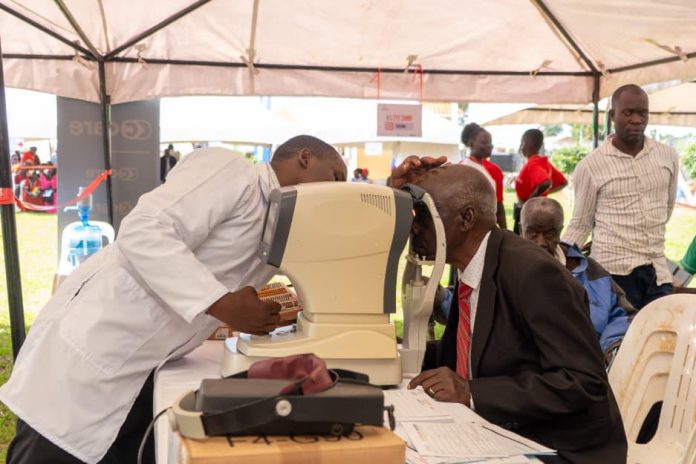
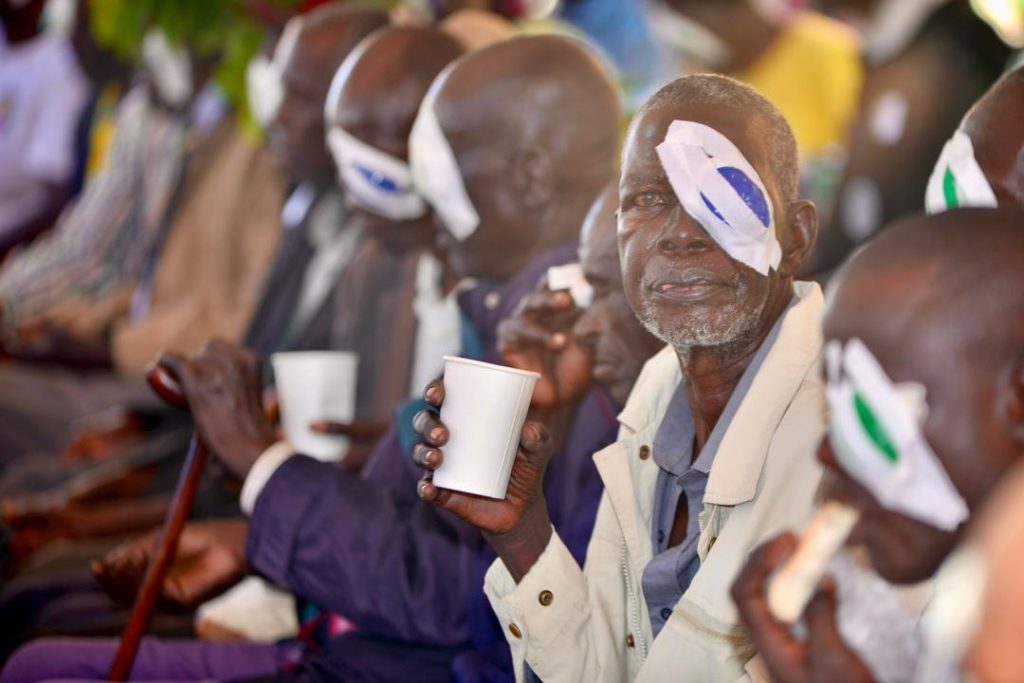
Hundreds of people suffering from preventable and treatable eye conditions regained their sight following the free medical outreach that concluded at Bukedea Teaching Hospital, with a total of 507 surgeries successfully carried out over three days.

The surgical camp, organised by the Ruparelia Foundation in memory of the late Rajiv Ruparelia, attracted a large turnout of patients from across the Teso sub-region and neighbouring districts seeking specialised eye care services.

Medical teams conducted cataract removals and other corrective procedures, restoring vision to many who had lived with impaired sight for years. 

According to the camp’s official summary, 306 of the beneficiaries were male while 201 were female, with at least 34 children receiving surgical intervention.

Beyond surgeries, the outreach offered comprehensive services including eye screening, treatment for infections and the distribution of free spectacles. 

The camp plays a critical role in addressing avoidable blindness in Uganda, where cataracts remain one of the leading causes of visual impairment, particularly in rural communities with limited access to specialised care.

Speaking at the closing ceremony, businessman Sudhir Ruparelia reaffirmed his family’s commitment to community support through health initiatives and other social programmes. 

The event also carried cultural significance, as the Emorimor of Teso, Paul Sande Emolot, formally inducted Sudhir and his wife into the Iteso community in recognition of their continued contributions to the region.

In a further boost to local healthcare services, an ambulance was donated to Bukedea residents through a joint effort led by the Speaker of Parliament, Anita Annet Among, alongside Kachumbala County MP-elect David Beecham Okwere. The donation is expected to improve emergency response and patient referrals in the district.

Health sector reports in Uganda consistently highlight the growing burden of eye diseases, with thousands of patients requiring surgical intervention annually. 

However, access to affordable treatment remains a challenge for many, making community-based initiatives like the Bukedea camp an essential lifeline.

The outreach is aimed at sustaining the legacy of Rajiv Ruparelia through impactful social programmes focused on healthcare, education and youth empowerment. Similar medical camps will be rolled out in other parts of the country to expand access to critical services as the next camp will be in Kasese.

For many beneficiaries, the Bukedea camp marked more than a medical intervention, it restored independence, dignity and renewed hope.

Stories Continues after ad

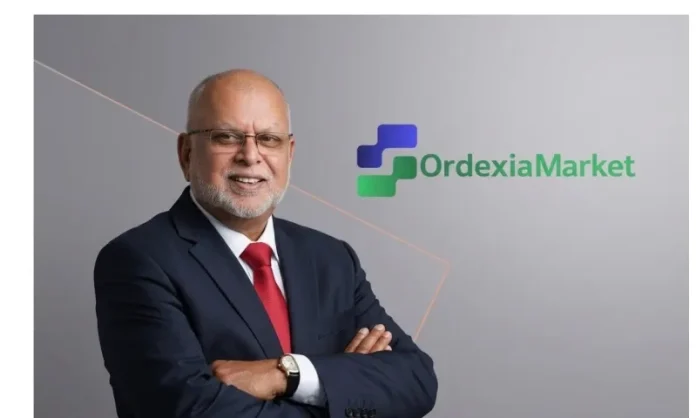
IT IS A SCAM: Tycoon Sudhir warns public over fake AI video promoting dubious investment App

Tycoon Sudhir Ruparelia has warned the public against a fake video circulating on social media that falsely portrays him endorsing an online investment platform known as OredexiaMarket.

The video, which appears highly convincing, uses artificial intelligence to imitate Sudhir’s voice and likeness, urging viewers to sign up for what is presented as a financial platform aimed at improving household incomes. The clip is also packaged to resemble a credible media report, giving it a misleading sense of authenticity.

Sudhir dismissed the claims in the video and made it clear that he has no connection to the platform.

“This is completely fake. I have not launched any such app and I am not involved in anything called OredexiaMarket,” he said. “

Sudhir urged that people must be extremely cautious because artificial intelligence is now being used to mislead the public.

The manipulated footage encourages users to register and take advantage of a unique financial opportunity, language commonly associated with fraudulent online schemes designed to attract quick sign ups.

Sudhir cautioned that advances in artificial intelligence have made it easier for fraudsters to clone voices and create realistic videos, increasing the risk of deception, especially when prominent figures are falsely linked to such schemes.

The incident reveals the increasing threat posed by digital scams that exploit emerging technologies to gain public trust. Such schemes often rely on fabricated endorsements to lure unsuspecting individuals into sharing personal information or investing money.

The public is urged to verify investment opportunities through official channels and to avoid engaging with suspicious online content.

The public is also advised to ignore the video and refrain from interacting with the advertised platform.

Stories Continues after ad

Lotteries Board, Online Publishers partner to promote responsible gaming awareness across Uganda

Online Media Publishers Association (OMPA) President Giles Muhame making a presentation.

The Lotteries and Gaming Regulatory Board (LGRB) has partnered with the Online Media Publishers Association (OMPA) to promote responsible gaming through a strategic collaboration aimed at amplifying public awareness and strengthening coordination within the sector.

The engagement, which brought together key stakeholders from the gaming regulator and the digital media fraternity, focused on enhancing public understanding of the Board’s mandate while addressing emerging trends in both land-based and online gaming platforms.

The leaders emphasised that gaming in Uganda has evolved beyond traditional physical outlets to include a rapidly expanding online space, necessitating broader awareness campaigns and responsible gaming initiatives across all platforms.

“We are strengthening our partnership with OMPA to not only drive positive mindset change but also to collaboratively shape and enhance policies that support responsible gaming across all platforms,” said Adrine Otunga, Manager Legal at LGRB.

The discussions also show the importance of strategic partnerships in fostering a well-informed gaming environment, with a particular focus on curbing misinformation and encouraging responsible participation among the public.

OMPA leadership welcomed the collaboration, pledging to leverage its wide digital reach to support the regulator’s objectives through innovative content and public education campaigns.

“We are ready and willing to develop innovative ideas and create content to advance responsible gaming,” said Gilespie, President of OMPA. 

Gillespie added that they will prepare proposals in line with the Board’s mandate and ensure the public receives accurate and relevant information.”

The partnership comes at a time when Uganda’s gaming industry continues to grow, driven largely by increased internet penetration and mobile accessibility. This growth has raised the need for stronger regulatory awareness, consumer protection measures and responsible gaming practices.

LGRB has in recent years come up to regulate the sector, including licensing operators, monitoring compliance and conducting public sensitisation campaigns to mitigate risks associated with excessive gaming.

The Board aims to harness the power of digital platforms to reach wider audiences, promote informed decision-making and reinforce a culture of responsible gaming across the country.

Stories Continues after ad

How smart financing is helping Ugandan schools stay open and growing

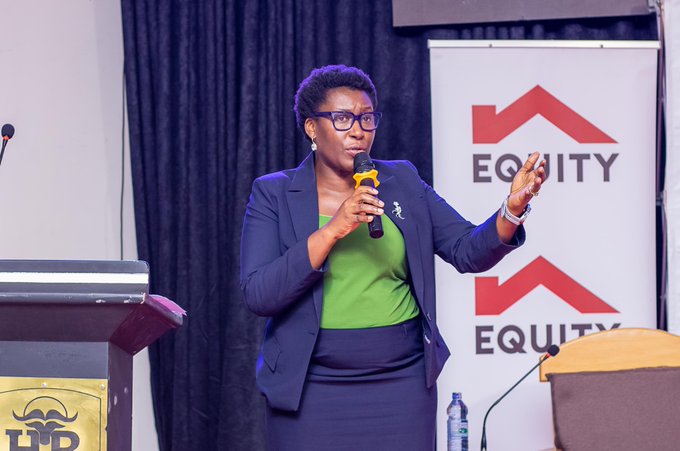
Ms Olivia Mugaba, Head of SMEs at Equity Bank Uganda.

As a new school term begins, classrooms fill with eager learners, but behind the scenes many schools face a familiar financial storm. Salaries must be paid, utilities cleared, supplies purchased and facilities maintained, all before most parents complete paying school fees. This timing gap can strain budgets, disrupt operations and in extreme cases affect the quality of learning.

Education and finance experts say the solution lies in one often overlooked tool-early financial planning. In Uganda’s private education sector, where fees are commonly paid in installments, the start of term represents the period of highest expenditure and lowest cash inflow. Without careful budgeting and access to flexible financing, schools risk delays in staff payments, stalled projects and reduced service delivery.

Equity Bank Uganda is positioning itself as a key partner in helping schools navigate this pressure through structured financial solutions tailored to the academic calendar.

According to Equity, institutions that forecast income and expenses term by term are far more resilient to seasonal cash shortages. By separating day-to-day operational costs from long-term development projects, schools can maintain stability while still pursuing expansion.

“When schools plan early, they understand how much money will come in and how much will go out. This helps them avoid pressure at the beginning of the term,” said Olivia Mugaba, Head of SMEs at Equity Bank Uganda. 

The bank works with school administrators to map projected fee collections against anticipated expenses, ensuring that loan repayments fall during periods when revenue is strongest.

Across the country, many private schools are investing heavily in infrastructure to meet growing demand. New classroom blocks, dormitories, school buses, ICT laboratories and improved water and energy systems are becoming standard expectations.

Ms Mugaba explained that through tailored asset financing, schools can acquire these investments without making large upfront payments. Funds are often paid directly to approved suppliers, accelerating delivery while ensuring transparency. In some cases, the asset itself serves as collateral, reducing the need for additional security.

“Repayment schedules are designed around school fee cycles, with options for termly or seasonal payments and, in some cases, short repayment breaks during holidays when income drops,” said Ms Mugaba.

Financial institutions now offer multiple credit products designed specifically for educational institutions. These include long-term loans for construction projects, working capital facilities for operational expenses, overdrafts for short-term liquidity, and bridging loans to cover temporary cash flow gaps.

Such flexibility is intended to ensure that learning continues uninterrupted, even when finances fluctuate. Schools investing in renewable energy or water systems may also qualify for special financing arrangements, reflecting the growing importance of sustainable infrastructure in education.

Beyond loans, digital banking platforms are transforming how schools manage finances. Systems such as School Pay, Peg Pay, and Sure Pay enable parents to pay fees electronically, reducing long queues and improving accountability.

Online banking services also allow institutions to pay staff and suppliers efficiently while maintaining real-time financial records, an important factor for transparency and planning.

Banking support increasingly extends beyond financing to include advisory services. Schools can receive guidance on budgeting, project planning, risk management, and digital financial management, helping administrators make informed decisions as they grow.

To access financing, institutions typically need to provide registration documents, financial statements, enrollment trends, and detailed project plans. Smaller facilities can sometimes be approved quickly, while larger developments undergo more extensive assessment.

As Uganda’s education sector expands, financial sustainability is becoming as critical as academic performance. Experts warn that without careful planning; even well-intentioned investments can strain institutions.

By combining early budgeting, flexible financing, digital tools, and advisory services, banks and schools are working to ensure that financial challenges do not derail learning.

For thousands of students returning to school each term, the goal is simple: classrooms that function smoothly from day one. Behind that stability, however, lies a carefully managed balance sheet.

In the modern education landscape, keeping schools running may depend as much on financial discipline as on dedicated teachers and eager learners.

Stories Continues after ad

Kabira Country Club unveils exciting Easter festivities for families

kabira country club

Families across the city are set to enjoy a festive Easter experience as Kabira Country Club unveils a lineup of activities and special offers from April 3-6, 2026. 

The club promises a perfect blend of fine dining, entertainment and leisure in a family-friendly environment.

The celebrations kick off on Good Friday, April 3, with a Mongolian-themed dining experience accompanied by live band performances. Adults will pay Shs70,000, while children under 10 can enjoy the experience for Shs40,000.

Easter Sunday, April 5th, will feature a special lunch complete with a free cocktail, live music, bouncing castles, face painting, clowning, and kids’ activities led by the popular Henry the Clown. A friendly bunny mascot will also join the festivities. Prices for adults are set at Shs120,000, and for children below ten at Shs65,000.

On Easter Monday, the club will host a brunch buffet featuring live music, free soda and water per guest, and additional activities for children, including a kids’ corner and bouncing castles. Adults will pay Shs85,000 while children below ten pay Shs50,000.

In addition to the celebrations, Kabira Country Club is offering special Easter week room rates of $125 per night on a half-board basis from April 1-6, 2026. 

Guests will enjoy bed and breakfast, lunch or dinner, daily mineral water, tea and coffee making facilities, and access to the club’s health and leisure facilities, including the gym, pool, steam and sauna, tennis, squash, basketball courts, and complimentary Wi-Fi.

Kabira Country Club is renowned for its luxurious accommodations, elegant dining experiences and recreational amenities.

The club is also a preferred destination for both locals and visitors seeking a relaxing retreat in the heart of Kampala.

Stories Continues after ad

UDB expands to Eastern Uganda as assets hit Shs2.28t

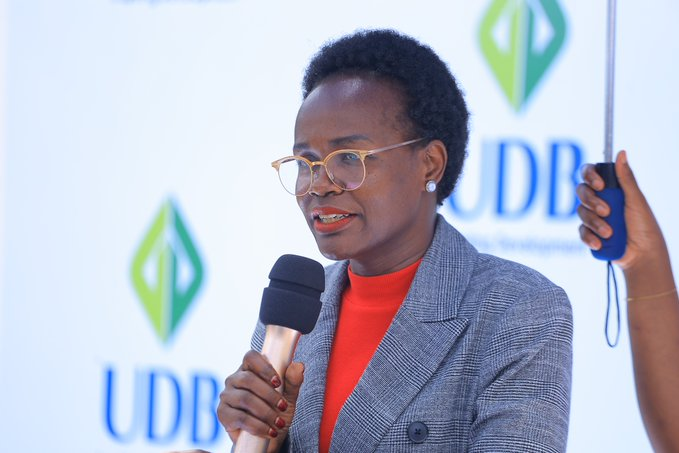
Dr. Patricia Ojangole, Managing Director, UDB.

The Uganda Development Bank has officially opened its Eastern Regional Office in Mbale City, as the institution reports a growth with total assets rising to Shs2.28 trillion in 2025.

The new office, located on Masaba Road will serve the sub regions of Elgon, Teso, Bukedi, Busoga and Karamoja in a bid to bring development financing and advisory services closer to businesses and communities in Eastern Uganda.

The expansion comes amid improved financial performance by the bank, with total assets growing by 24% supported by Shs438 billion in new funding from government capital contributions and external lines of credit.

“Our gross loan portfolio also expanded to Shs1.77 trillion, with 60% of this invested in primary agriculture, agro industry and manufacturing, demonstrating our continued focus on driving real sector growth,” said Joshua Allan Mwesiga, Director Strategy and Corporate Affairs at UDB.

He added that the bank approved Shs518.4 billion for 120 projects across the country in 2025, with 50% directed towards agriculture, agro industrialisation and manufacturing, while key service sectors such as tourism, education and health accounted for 12%.

“These investments underscore UDB’s role as a catalyst for private sector led growth and national development,” Mwesiga said.

The bank projects that the 120 financed projects will create more than 33,600 jobs, mainly for the youth, while generating output worth Shs5.2 trillion and profits of Shs2.76 trillion.

“They are also expected to contribute about Shs918.7 billion in corporation tax and generate Shs2.79 trillion in foreign exchange earnings, strengthening the country’s balance of payments,” Mwesiga noted.

The Mbale regional office will offer long term financing of up to 15 years, alongside business advisory, project preparation and investment support across sectors such as agriculture, manufacturing, tourism, education, health and construction.

Steven Kakonge, Senior Investment Manager for Agriculture at UDB said the office will act as a strategic hub for unlocking the region’s economic potential.

“With opportunities such as tourism offering significant potential, where increased visitor numbers could greatly boost local economies, UDB is proud to be part of transforming the region and improving the lives of Ugandans,” Kakonge said.

Managing Director Dr Patricia Ojangole said the expansion is part of a broader plan to strengthen the bank’s national presence.

“Today represents a significant step forward as we broaden our reach and expand the Bank’s capacity to deliver on our mandate. Until now, we have operated from Kampala, Gulu and Hoima, supported by mobile teams across more than 105 districts,” Ojangole said.

She added that the bank plans to establish additional regional offices in Mbarara and Arua.

“With the launch of the Mbale Regional Office, we are deepening our presence in Eastern Uganda and strengthening our ability to serve clients closer to where they live and do business,” she said.

Ojangole noted that over the past five years, the bank has disbursed more than Shs200 billion into nearly 100 projects across Eastern Uganda.

“Between 2021 and 2024, projects financed by UDB in Eastern Uganda created and maintained over 7,000 jobs, generated output of Shs1.3 trillion and contributed Shs67 billion in corporation tax,” she said.

Local leaders welcomed the move, describing it as timely in addressing the financing gap in the region.

Mbale District Chairperson Muhammad Mafabi said the presence of the bank will unlock investment opportunities.

“The establishment of Uganda Development Bank’s Eastern Regional Office presents a timely solution to the financing gap faced by businesses in the region. With access to long term affordable financing, businesses can now invest in expansion, machinery and value addition,” Mafabi said.

Mbale Mayor Elect Joyce Matuka Kidulu said the city is ready to support initiatives that drive inclusive growth.

“Today, we see the positive changes taking shape, from new buildings to improving infrastructure, which signal a brighter future for our people. We are committed to working together and supporting initiatives that uplift our community,” she said.

UDB aims to continue with its efforts in sustainable financing solutions that drive job creation, boost productivity and strengthen exports.

Stories Continues after ad

UEDCL records Shs1.71t revenue in first year of power distribution takeover

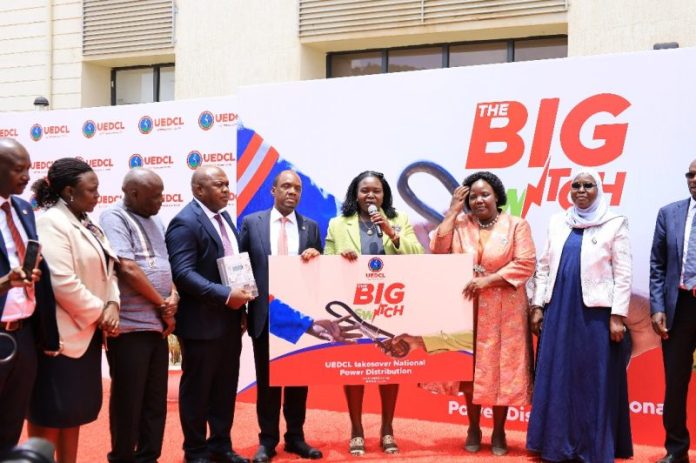
Uganda Electricity Distribution Company Limited has registered a strong operational and financial rebound in its first year of managing the country’s electricity distribution network, posting Shs1.71 trillion in revenue as it stabilised a system inherited from private operators.

The performance comes a year after the government repossessed the distribution mandate from Umeme Limited on April 1, 2025, in a transition referred to as the “Big Switch,” returning the function to state control after two decades.

In its one-year report, UEDCL said the takeover marked an improvement for the electricity sub-sector, which was unbundled 25 years ago into three entities, including Uganda Electricity Generation Company Limited, Uganda Electricity Transmission Company Limited, and UEDCL.

Despite early turbulence characterised by widespread outages and aging infrastructure, the company says it has since stabilised the national grid while expanding access and improving operational efficiency.

“The past year demanded strong leadership, focus and resilience,” said Managing Director Paul Mwesigwa.

“The Big Switch has impacted the nation’s industrial capacity, Gross Domestic Product, social and economic transformation, and created job opportunities for Ugandans,” he said.

He added that the grid has relatively stabilised and investments are now flowing into the asset.

According to the report, UEDCL currently serves about 2.7 million customers across the country, having added 236,326 new electricity connections within the first year. The company operates the largest distribution network in Uganda, with a nationwide footprint spanning Central, Western and North Eastern regions.

The utility also emerged as a major contributor to government revenue, remitting Shs132.5 billion in taxes while maintaining near full staffing levels at 99.5 percent of its approved workforce structure.

Financial indicators show a stable start, with revenue standing at Shs1.71 trillion by February 2026, supported by a gross margin of 22 percent and an EBITDA margin of 9 percent. The company projects revenue to rise to Shs2.62 trillion by the end of the financial year, with improved profitability driven by efficiency gains and increased electricity sales.

UEDCL attributed this performance to rising demand for electricity, with domestic peak demand increasing from 986 megawatts in April 2025 to 1,188 megawatts in February 2026, representing a 20.4 percent growth.

The company also recorded a 12 percent increase in average daily electricity purchases from UETCL, reflecting expanded distribution capacity and a growing customer base.

To sustain this growth, UEDCL has unveiled an ambitious five year investment plan worth over 994 million dollars aimed at rehabilitating and modernising the country’s aging electricity infrastructure.

“This programme is not only a capital plan but a systematic recovery and growth strategy to transform an outdated distribution network into a modern, dependable and scalable power system,” the report stated.

The investment will target three key areas including expansion of electricity access through last mile connections, improvement of network reliability and quality of supply, and replacement of obsolete equipment using modern technology.

The company plans to connect at least 300,000 new customers annually over the next five years, translating into an additional 1.5 million connections, as Uganda pushes toward universal electrification and industrial growth.

In the first year alone, UEDCL committed significant resources toward stabilising the grid, including transformer relocations, substation upgrades, and installation of protection systems across key areas such as Kasese, Bombo, Mbale Industrial, Mukono, Jinja Industrial and Hoima.

“These interventions have improved fault detection, reduced outages and strengthened supply reliability, benefiting tens of thousands of customers across the country,” the report noted.

At the same time, the company undertook major procurements worth over Shs412 billion for critical materials, including transformers, cables, meters, and network equipment, alongside an additional Shs20 billion committed to labour and logistics support.

UEDCL also demonstrated strong financial discipline by paying Shs1.71 trillion to UETCL for bulk electricity purchases within its first ten months of operation, ensuring stability in the national power supply chain.

In a landmark move, the company secured a $50 million financing facility from Absa Bank Uganda, becoming the first government agency to directly borrow for infrastructure investment at relatively low interest rates.

However, the transition was not without challenges. UEDCL revealed that much of the infrastructure inherited at takeover was aging and, in some cases, operating beyond its recommended lifespan.

“The condition of the distribution network rather than the company’s ability to run the grid is the primary cause of outages,” the report explained, citing old transformers, weak protection systems and worn out equipment as key constraints.

Additionally, persistent vandalism of electricity infrastructure continues to disrupt operations and divert resources from planned investments.

“What emerges is a recurring pattern of deliberate damage to critical infrastructure, often in areas where restoration works have just been completed,” the company said.

Despite these challenges, UEDCL reported strong operational performance, including a cash collection rate averaging 101 percent, indicating improved revenue efficiency and financial sustainability.

The company successfully transitioned its ICT systems after Umeme’s exit, ensuring seamless billing, vending, and customer service from day one.

Looking ahead, UEDCL’s focus remains on strengthening the grid, reducing energy losses to 13.7 percent in line with targets set by the Electricity Regulatory Authority, and supporting Uganda’s growing industrial base.

“The plan provides a transformative roadmap aimed at delivering safe, reliable, affordable, and sustainable electricity services,” the report stated.

Stories Continues after ad

Brig Gen Namanya released from detention after friendly meeting with CDF Muhoozi

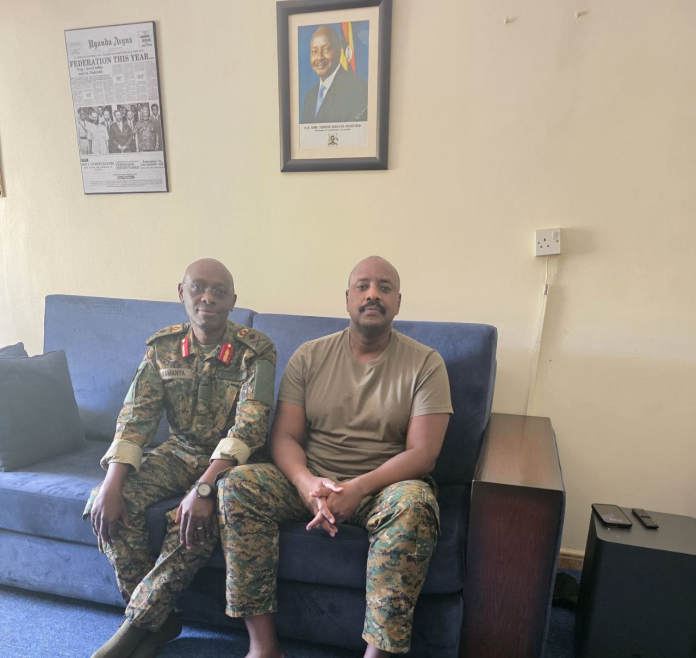
Brig. Namanya and Gen. Muhoozi.

The Chief of Defence Forces, Muhoozi Kainerugaba has directed the release of Brig Gen Johnson Namanya following a cordial meeting that cleared him of all allegations.

In a statement issued by Acting Director Defence Public Information, Chris Magezi via X(formerly Twitter), the army said Brig Gen Namanya was freed after engaging with the CDF in what was termed as an amicable process.

“General Muhoozi Kainerugaba has today released Brig Gen Johnson Namanya from detention after an amicable and friendly meeting in which the latter was cleared of all allegations leveled against him,” Chris Magezi said.

According to the Uganda People’s Defence Force, Brig Gen Namanya will immediately resume his duties following his release, showing a return to normalcy after a period of uncertainty surrounding his detention.

Sources indicate that Brig Gen Namanya had been arrested alongside other senior officers in an internal military crackdown reportedly linked to alleged misconduct and concerns within the force. Among those earlier affected was Maj Gen Don William Nabasa, who was also detained as part of the same operation.

While the military has not publicly detailed the specific charges that had been brought against Namanya, his release suggests that investigations into the allegations did not substantiate the claims.

The UPDF emphasized that the meeting between the CDF and the senior officer was constructive and aimed at resolving the matter internally.

“The Brigadier General will resume his military duties accordingly,” Magezi added, without providing further details on the nature of the accusations.

The development comes amid heightened scrutiny of internal discipline within the UPDF, which is commanded by Gen Muhoozi, who was appointed Chief of Defence Forces in 2024 and oversees the country’s armed forces.

While Namanya has now been cleared, questions remain over the status of other officers who were arrested during the same operation, with no official communication yet confirming their release.

The UPDF, Uganda’s national army, has in recent years maintained that internal disciplinary processes are necessary to preserve professionalism and operational integrity within its ranks.

Stories Continues after ad