Stanbic Bank
Stanbic Bank
17.2 C
Kampala
Stanbic Bank
Stanbic Bank
Home Blog Page 25

Gov’t calls for apprenticeship placements in agriculture sector

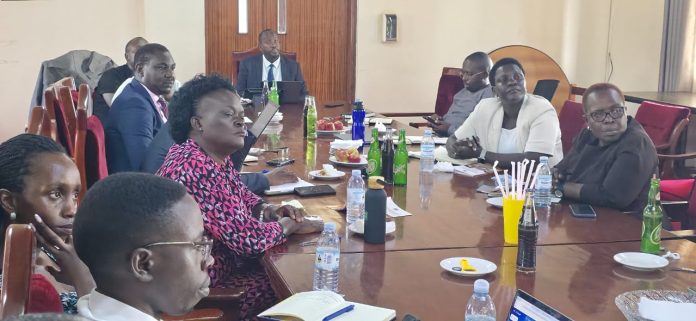
Members during the meeting at the Ministry of Gender, Labour and Social Development.

The Ministry of Gender, Labour and Social Development (MGLSD) has urged stakeholders in the agriculture sector to create more placement opportunities for apprentices and unemployed graduates under the National Apprenticeship Programme (NAP).

Mr. Alex Asiimwe, the Commissioner Labour, Industrial Relations and Productivity at the MGLSD, emphasized that the programme plays a critical role in facilitating a quicker transition from training to employment, aligning skills supply with the rapidly evolving needs of the labour market, and boosting productivity and sustainability of Agricultural enterprises.

The remarks were delivered on Wednesday this week during a strategic engagement with agriculture sector players at the Ministry of Gender, Labour & Social Development headquarters. Mr. Asiimwe was represented by Mr. Zachary Kansiime, the Senior Skills Development, Technology Uptake and Innovation Officer at the Ministry.

He told the members that the Agriculture sector is pivotal because it employs the majority of Uganda’s youth. He, therefore, called upon sector players to actively provide training and placement opportunities for unemployed young people. This was the first inaugural meeting of the Agriculture Sector Apprenticeship Committee meeting that brought on board active participation of key Agriculture Associations in the country.

SAC members and secretariat members in a group photo after the meeting.

The National Apprenticeship Programme forms part of the government’s commitment to strengthening structured and high-quality apprenticeships in the country. It follows the Cabinet’s approval of the Uganda National Apprenticeship Framework (UNAF) in 2018 under Minute No. 358 (CT 2018).

Apprenticeship in Agriculture sector combines on-the-job training happening at Farms, Agriculture business enterprises and off-the-job training happening at specialized Skills Training & TVET centres, culminating in formal assessment and certification.

In January 2026, the MGLSD published an advertisement inviting unemployed Apprentices to apply for opportunities under the programme. Approximately more than 6,000 candidates responded, seeking placements in various careers.

Mr. Asiimwe encouraged sector players to visit the National Apprenticeship and Graduate Volunteerism Management Information System (NAGV-MIS) and create placement offers for these applicants.

“When employers provide work and training opportunities for the young people, the government pays them a monthly stipend for up to a maximum of one year,” he explained. “We also encourage potential employers to consider retaining and formally employing the trainees upon successful completion of their training.”

Presenting at the same meeting, Mr. Ibrahim Wako Kisu, the Work-Based Learning Officer at the MGLSD, highlighted worrying statistics about Uganda’s youth. He noted that nearly half (48%) of the youth population aged 18–30 are underutilized, 37.8% are outside the labour force, and a staggering 50.9% are neither in employment, education, nor training (NEET).

“That is why we are reaching out to these young people, to equip them with hands-on skills and help them enter the labour market,” Mr. Kisu said.

He added that Apprentices and Graduate Volunteers receive practical, workplace-based training, which helps solve the common challenge of “no experience, no job” by providing both relevant skills and real work experience.

“The National Apprenticeship Programme, therefore, facilitates a smooth transition into the labour market,” he concluded.

The meeting brought together representatives from several key organisations, including The Uganda National Apiculture Development Organisation, Makerere University, Uganda Fish Processors and Exporters Association, Uganda National Farmers Federation, Fisheries Training Institute, National Agricultural Research Organisation (NARO), the Ministry of Agriculture, Animal Industry and Fisheries and the Veterinary Association.

Participants elected Mr. William Tibyasa Mwesigye as chairperson of the Agriculture Sector Apprenticeship committee. He has been tasked with mobilising the sector to actively provide training and placement opportunities for apprentices and graduate volunteers.

In his remarks, Mr. Tibyasa called upon all the key Agriculture sector Players present in the room to encourage their members to open up spaces and support the National Apprenticeship Programme. He further called upon active participation of the members to address the existing skills gaps in the sector.


Stories Continues after ad

Two UPDF generals arrested at Mbuya

The Uganda Peoples’ Defence Forces have arrested two of its generals.

The army generals were arrested this morning in Mbuya. One of the two is a Major General, while the other is a Brigadier.

The brigadier, whose identity we will not reveal, worked with one of the agencies until he was recalled for redeployment, and this website couldn’t ascertain whether the arrest is linked to his previous deployment.

The Major General has been on ‘Katebe’ for some time, ever since he was recalled from his deployment in Northern Uganda.

This is a developing story

Stories Continues after ad

Gaming Board CEO Denis Mudene earns continental nomination for responsible gambling award

Chief Executive Officer of the National Lotteries and Gaming Regulatory Board, Denis Mudene.

The Chief Executive Officer of the National Lotteries and Gaming Regulatory Board, Denis Mudene has been nominated for a prestigious continental accolade at the iGaming AFRIKA Summit Awards 2026, further elevating Uganda’s profile in gaming regulation across Africa.

Mudene is contesting in the Rising Star in Responsible Gambling category, a segment that recognises emerging leaders driving initiatives that promote safer betting environments and protect players from the harmful effects of gambling.

The nomination reflects Uganda’s deliberate efforts to enforce responsible gaming standards in a fast growing industry increasingly driven by mobile and online platforms.

“This recognition reflects deliberate efforts to ensure that gaming is conducted responsibly, with strong measures to protect the public,” the Board said, pointing to ongoing compliance enforcement and public awareness campaigns.

In recent years, Mudene has led operations targeting illegal gaming activities, including unlicensed online operators and unauthorised slot machine businesses, while strengthening coordination with financial and communications regulators to track suspicious transactions and shut down non compliant platforms.

Africa’s gaming sector is evolving rapidly and requires stronger safeguards. Africa’s gaming industry is maturing and that growth must be matched with firm responsibility and evidence based regulation to safeguard players.

The iGaming AFRIKA Summit Awards 2026 recognise excellence across a wide range of areas within the gaming industry. Among the competitive categories are Responsible Gambling Operator of the Year, which honours companies demonstrating strong player protection frameworks and ethical practices.

The awards also feature Best iGaming Platform, a category that rewards innovation and user experience in digital betting environments, as well as Affiliate Programme of the Year, which recognises outstanding partnerships that drive growth within the sector.

Other notable categories include Marketing Campaign of the Year, celebrating impactful promotional strategies, and Payment Solution Provider of the Year, which highlights secure and efficient financial systems supporting gaming transactions.

Industry Innovator Award is another category that recognises groundbreaking ideas shaping the future of gaming, while Compliance Excellence Award honours organisations that have demonstrated strong adherence to regulatory standards.

The awards follow a rigorous process involving nomination, shortlisting, submission of supporting achievements and final selection through community voting.

Voting will open on April 3, with winners expected to be announced on May 4, as stakeholders across the continent rally behind nominees in recognition of excellence and responsibility in the gaming industry.

Stories Continues after ad

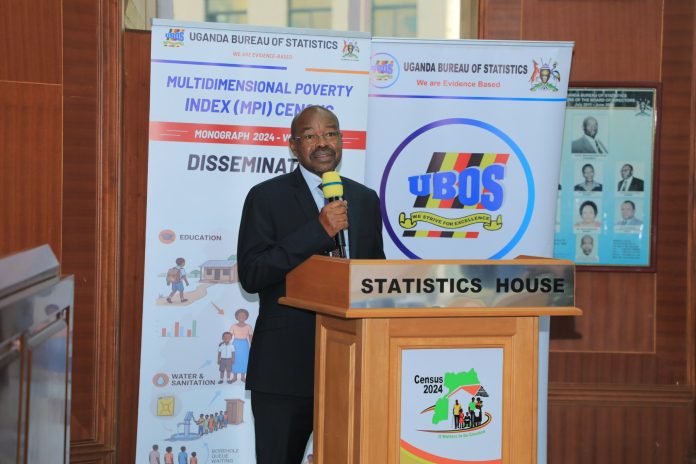
Karamoja sub-region tops Uganda’s poverty at 56.9% in UBOS 2024 Multidimensional Poverty Report

Minister Amos Lugoloobi.

The Karamoja sub region has emerged as the most affected area by multidimensional poverty in Uganda with more than half of its population experiencing overlapping deprivations, according to the newly released Multidimensional Poverty Index Census Monograph 2024 Volume 5.

The report, published by the Uganda Bureau of Statistics, shows that 56.9 percent of people in Karamoja are multidimensionally poor, more than double the national average of 27 percent. This is followed by West Nile at 39 percent and Sebei at 33.5 percent, while Kampala recorded the lowest levels at 8.8 percent.

Speaking at the dissemination of the findings, UBOS Executive Director Dr Chris N Mukiza said the report is derived from the 2024 National Population and Housing Census and forms part of a series of thematic publications aimed at deepening understanding of socio economic conditions in the country.

“This Multidimensional Poverty Index Census Monograph 2024 Volume 5 will give us critical indicators that will support progress towards SDG 1 on eliminating poverty in all its forms,” Mukiza said.

He added that the data goes beyond income measures to capture multiple deprivations, urging policymakers to adopt targeted interventions.

“These indicators should equip governments and policymakers with up to date data to look beyond income poverty and focus on other challenging aspects of poverty whose dynamic nature requires more targeted policies and mindset change,” he noted.

Representing the UBOS Board, Irene Birungi Mugisha emphasized the central role of data in national development, describing it as a strategic asset.

“Quality statistics are instrumental in supporting the success of government programmes. From the first National Development Plan up to the current one, evaluations consistently show that statistics is an essential part of development processes,” she said.

The report indicates that multidimensional poverty is more prevalent in rural areas at 31.5 percent compared to urban areas. It is also higher among female headed households and most severe in child headed households, where it stands at 36 percent.

Senior Economic Advisor at United Nations Development Programme, Dr Thangavel Palanivel, described the index as a vital tool for identifying inequalities and guiding policy.

“The MPI is not merely a measurement tool, but a driver of human development that helps identify who is being left behind, where, and in what ways,” he said.

At the same event, World Bank economist Dr John Ilukol said the report provides a broader understanding of poverty beyond income and will inform programme design and targeting.

“This offers a clear picture of poverty patterns across the country and regions and will guide efforts towards reducing poverty in all its forms and promoting shared prosperity,” Ilukol said.

Minister of State for Planning Amos Lugoloobi called for increased utilisation of the data generated by UBOS, noting that statistics must translate into practical action.

“While UBOS continues to generate extensive and valuable statistics, there is a growing need to strengthen the utilisation of this data by users,” Lugoloobi said.

He pointed to persistent challenges such as limited access to improved sanitation, saying more effort is required to address existing gaps while protecting progress already made.

“Quality statistics are central for planning, policy formulation, and evaluation of national programmes. Without reliable data, it is not possible to effectively assess progress or undertake meaningful reviews,” he added.

Lugoloobi further stressed the importance of addressing poverty in all its dimensions rather than focusing solely on income, urging collective action from government, the private sector, and academia.

He said the findings will be critical in tackling regional disparities, particularly in hard hit areas like Karamoja, and in guiding targeted interventions under the national development agenda.

The report also highlights that Uganda’s overall MPI stands at 0.270, with Karamoja recording the highest index at 0.569 and Kampala the lowest at 0.088. At district level, Kaabong was identified as the most deprived.

Members of Parliament, including Faith Nakut, said the findings reflect persistent poverty challenges in Karamoja, with districts like Napak seeing 56 out of every 100 people affected.

“I wish to commend UBOS for producing data that supports more informed decision making,” Nakut said, while calling for more targeted interventions to improve outcomes.

The findings will inform evidence based planning, strengthen resource allocation, and guide implementation of programmes such as the Parish Development Model aimed at transitioning households into the money economy.

The Multidimensional Poverty Index Census Monograph 2024 Volume 5 will help the government to reduce poverty and improve livelihoods across all regions.

Stories Continues after ad

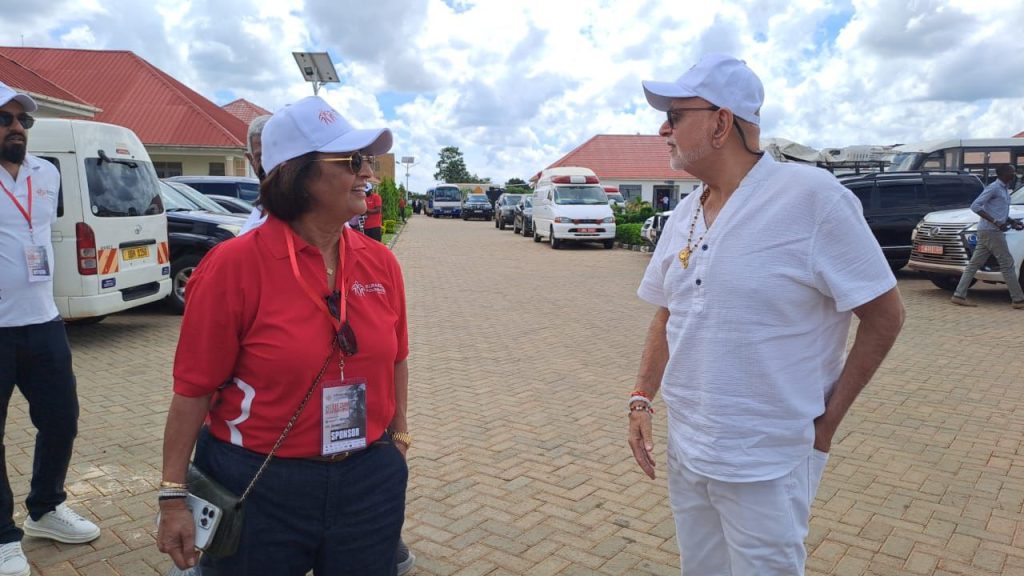
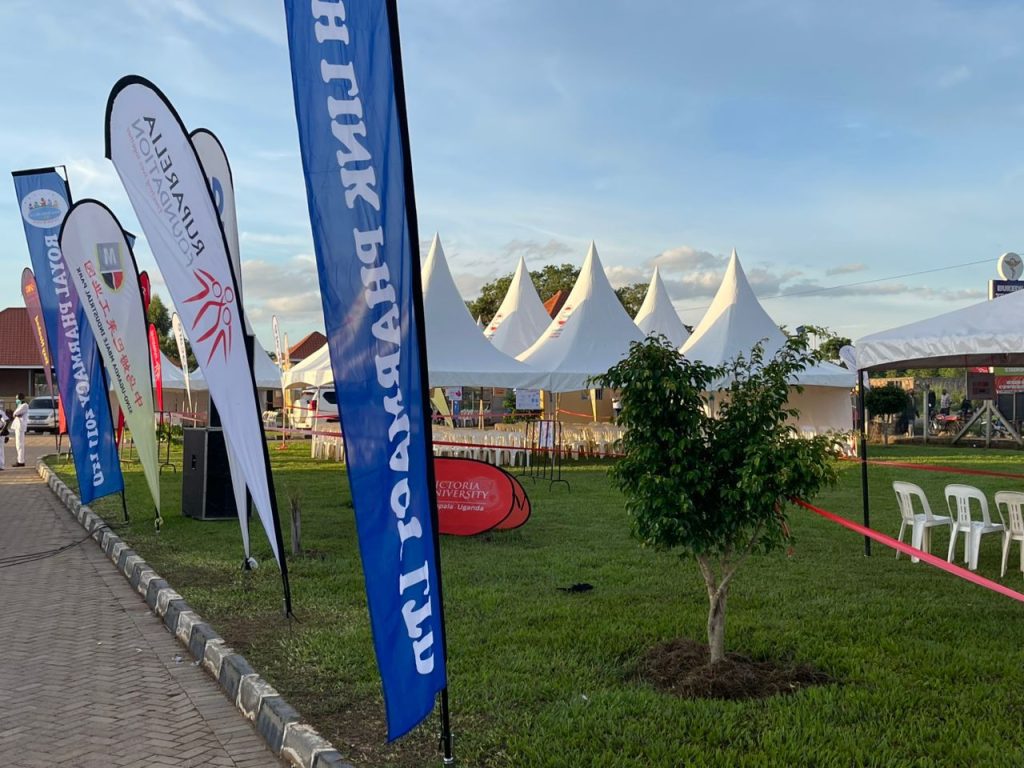
Ruparelia Foundation Bukedea eye camp starts with massive turn up

Hope and healing returned to Eastern Uganda as the Ruparelia Foundation officially launched a massive free eye care camp in Bukedea District, targeting at least 5,000 beneficiaries in a three-day medical outreach.

Held at Bukedea Teaching Hospital, the camp has drawn hundreds of residents from across the Teso sub-region and beyond, all seeking specialised eye treatment that is often out of reach due to cost and limited access to healthcare facilities.

The initiative, organised in partnership with Mulago National Referral Hospital and healthcare provider C-Care, is offering a wide range of services including eye screening, cataract surgeries, and free distribution of corrective glasses for both adults and children.

Medical experts at the camp say the outreach is critical in tackling Uganda’s growing burden of preventable blindness, particularly in rural communities where many patients live with untreated conditions such as cataracts and refractive errors.

“For many people here, this is the only opportunity to access specialised eye care,” one of the health workers noted, highlighting the financial barriers that often prevent patients from seeking treatment in major hospitals.

Organisers estimate that hundreds of patients will undergo life-changing surgical procedures during the camp, while thousands more will receive diagnosis and medication, interventions that could significantly improve their quality of life.

Beyond the medical impact, the camp carries deep emotional significance. It is being held in memory of the late Rajiv Ruparelia, whose legacy of philanthropy continues to inspire community-focused initiatives across Uganda.

Government leaders have also thrown their weight behind the programme, underscoring its role in complementing public health efforts and bringing services closer to underserved populations.

Health officials say initiatives like the Bukedea eye camp are essential in bridging healthcare gaps, especially in regions where specialised services remain scarce and unaffordable.

For many beneficiaries, however, the impact goes beyond treatment. It is the chance to see again. To work again. To live with dignity.

And for a community long underserved, that transformation is nothing short of life-changing.

Stories Continues after ad

Court orders ancestral burial for Masaka businessman Bitanda, ends family dispute

SAD ENDING: Late Bosco Ssenyonjo and his two children perished in a car accident on March 16, 2026, on Entebbe Express-Highway.

The High Court of Uganda in Masaka has resolved a burial dispute and directed that the late Bosco Ssenyonjo alias Bitanda be laid to rest at his ancestral home in Kyalusolwe, Nyendo Mukungwe, in accordance with Buganda customs.

In a detailed ruling delivered on March 26, 2026, Justice Victoria N N Katamba brought to a close a family wrangle that had threatened to delay burial arrangements following a tragic road accident that claimed the lives of Ssenyonjo and two of his children.

The dispute had pitted the deceased’s widow, Jane Nabukeera, against his mother, brother, and several women claiming to be his customary wives, with both sides advancing conflicting positions on where he should be buried.

While the widow sought to have the deceased buried at his home in Mpugwe, arguing that he had expressed such wishes during his lifetime, the wider family insisted on burial at the ancestral grounds, citing long standing cultural practices and the deceased’s ties to his clan.

In her judgment, Justice Katamba noted that although several parties claimed the deceased had expressed his preferred burial place, none of the accounts was supported by clear or consistent evidence.

“In nearly every affidavit, the deponents assert that the deceased made known to them his wishes as to where he desired to be buried. However, none of these alleged declarations was made in the presence of more than one witness,” she observed.

She added, “The court is confronted with a classic case of he says she says, with no independent or corroborative evidence to support any one account.”

The judge also questioned the credibility of some individuals who claimed to be customary wives of the deceased, noting that their assertions were not backed by sufficient proof such as marriage documentation.

“In the absence of cogent evidence establishing their status as customary wives, their testimonies on the wishes of the deceased carry little probative value,” she ruled.

With no reliable evidence on the deceased’s stated wishes, the court turned to his conduct and the applicable customary law to determine the appropriate burial place.

Justice Katamba found that Ssenyonjo’s actions during his lifetime, including efforts to secure and preserve the ancestral burial grounds, pointed to a strong connection to the family land.

“Where a person intervenes to secure ancestral burial land from alienation, the most reasonable inference is that he regarded that land as of enduring personal and familial importance. On a balance of probabilities, it is more likely than not that he intended to be laid to rest there.”

The court emphasised that customs remain a key consideration in burial disputes, especially where they are consistent with the Constitution and principles of justice,” she stated.

“Ancestry is not a matter of choice but of birth, and the customs that flow from it cannot be lightly disregarded,” Justice Katamba said.

She further noted that burial at the ancestral home would provide a neutral ground for all family members, particularly in light of the deceased’s polygamous life, ensuring equal access for his children, widows and relatives.

The court rejected the argument that the widow had exclusive authority to determine the burial site, ruling that her rights arose within the same customary framework she sought to set aside.

“She cannot invoke that framework to establish her status as a widow and then disregard it when it comes to the burial of the deceased,” the judge held.

However, the court made a separate finding regarding the deceased’s two children who died in the same accident, allowing their mother to bury them at Mpugwe.

“It is both just and humane that the applicant, as their mother and a grieving parent, be allowed to lay her children to rest at the home she shared with the deceased,” Justice Katamba ruled.

In addition, the court ordered that a DNA sample be extracted from the deceased’s body before burial and preserved for any future disputes over paternity, although no immediate testing will be conducted.

The ruling also outlined the sequence of burial arrangements, directing that Ssenyonjo’s funeral be held at the ancestral home, followed by the burial of his children the next day at Mpugwe.

Beyond the legal determination, the judge used the case to caution families against escalating burial disputes to court, urging reconciliation during moments of loss.

“Death is intended to unite rather than divide. It is a time for reconciliation, for setting aside differences, and for honouring the departed,” she advised.

She further encouraged the use of mediation in resolving family conflicts, noting that it preserves relationships and promotes healing.

The decision brings an end to days of tension among relatives and clears the way for final rites to proceed. The ruling sets a precedent on the role of customary law and family conduct in determining burial rights in Uganda.

Stories Continues after ad

Kira Municipality officials questioned over delayed recovery of PDM funds

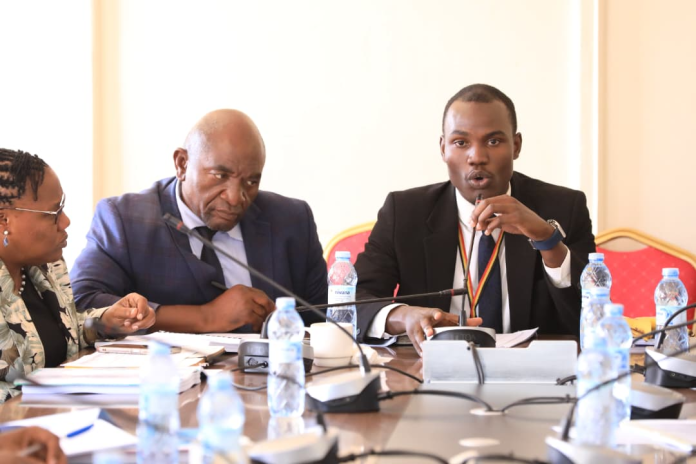
Kira Municipality officials appearing before Parliament’s Public Accounts Committee.

March 26, 2026, Kampala-More than Shs2 billion disbursed under the Parish Development Model in Kira Municipality has come under scrutiny, with lawmakers raising alarm over weak recovery efforts that have seen only about Shs67.4 million returned to date.

The concerns were raised during a session of Parliament’s Public Accounts Committee on Local Government, where municipal officials were tasked to explain why hundreds of millions of shillings expected back into the revolving fund remain outstanding despite expired grace periods.

Appearing before the committee chaired by Gilbert Olanya, Kira Municipality leaders led by Town Clerk Benon Yiga faced tough questions over the worrying trend that could derail the sustainability of the government flagship programme.

Olanya expressed concern that the slow pace of recovery risks undermining the core principle of the Parish Development Model, which is designed to operate as a revolving fund at the beneficiary level.

“We are happy that you appreciate the programme and are even asking for more resources, but up to now you have never recovered any money out of PDM. Do you think this money will be recovered?” he asked.

He stressed that while funds are channelled to parishes as grants, they are effectively loans to individual beneficiaries who must repay to enable others to benefit.

“This money is not for free and the beneficiary must return that loan so that it helps other beneficiaries in that parish,” Olanya added.

Committee members warned that failure to enforce repayments early could see the initiative follow the troubled path of previous government programmes. Legislators pointed to the collapse of earlier revolving funds, cautioning that history could repeat itself if strict accountability is not enforced.

Data presented to the committee showed that by the time of the audit for the financial year ending June 2025, at least Shs309 million should have been recovered from beneficiaries whose repayment periods had elapsed, but this had not been achieved.

Kira Municipality’s Parish Development Model focal person, Ronald Kagolo acknowledged the slow recovery but said the local government was taking steps to address the gaps.

“For example, Bweyogerere has recovered Shs8.5 million, Kyaliwajjala Shs7.4 million, bringing the total to Shs67.4 million,” Kagolo said.

He attributed the delays to earlier disbursement challenges, noting that some beneficiaries received funds before the introduction of a digital payment system.

“Initially we disbursed without a system but now we have Wendi through which people should pay. Those who got money outside the system are being enrolled so they can start repayments,” he explained.

However, lawmakers remained unconvinced, raising concerns about the absence of a clear and verifiable database of beneficiaries. They questioned whether funds were being issued without proper identification and tracking mechanisms.

“You seem to be disbursing funds without a clear database. Do you have the specific individuals who qualify?” one member asked, echoing concerns raised in the Auditor General’s report.

In response, Kagolo said beneficiaries are selected through village level vetting processes involving local leaders to identify subsistence households eligible for support.

The committee has now directed Kira Municipality to submit within seven days a detailed report showing individual beneficiaries and the amounts recovered from each, including those who have defaulted after the expiry of their repayment timelines.

“We do not deal with guesswork. Give us the names of the individuals and how much each has recovered,” Olanya insisted.

He warned that Parliament would not allow a repeat of past failures that saw billions lost under similar initiatives.

“What we are suspecting is the same thing that happened to earlier programmes is going to occur again. If we are not serious, government is going to lose huge amounts of money in the name of helping beneficiaries,” he said.

Town Clerk Yiga acknowledged the shortcomings and pledged to strengthen monitoring and recovery mechanisms.

“We appreciate the concerns and we promise to do better. We are learning lessons on how to manage and monitor the programme because it is a people centred approach,” he said.

Stories Continues after ad

Gov’t ready for the National Labour Convention and Expo

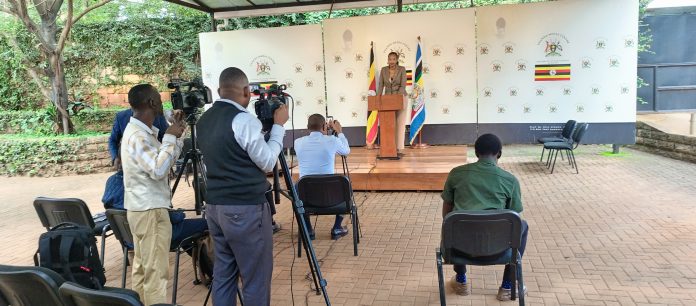
Minister Esther Anyakun Davinia addressing journalists at Uganda Media Centre.

The Ministry of Gender, Labour and Social Development (MGLSD) is in the final preparation stages to host this year’s 4th Annual National Labour Convention & Expo, 2026, (ANLEC).

The event will take place from Wednesday, April 15-16, 2026, at the Kampala Serena Hotel.

According to Esther Anyakun, Minister of State for Labour, Employment and Industrial Relations, this year’s convention will focus on analysing opportunities to harness Uganda’s youth labour force as a catalyst for productivity and structural transformation; and identifying and addressing policy and institutional barriers that limit youth access to decent work, among other key objectives.

“The convention will also focus on promoting scalable strategies such as skills development, apprenticeships, digital skilling, and education-to-employment pathways; and strengthening multi-stakeholder partnerships that generate actionable commitments to expand decent employment and extend social protection to all young workers,” Minister Anyakun told journalists at Uganda Media Centre recently. 

The convention will be presided over by Her Excellency, the Vice President of the Republic of Uganda, Maj (rtd) Jessica Alupo, who will also serve as Chief Guest. The Convention also forms part of the build-up activities leading to the commemoration of International Labour Day on May 1, 2026, providing a national platform for dialogue on Uganda’s labour market priorities. 

Since its launch in 2023, the Convention has grown into one of Uganda’s key platforms for shaping the world of work. It convenes government, employers, workers’ organisations, development partners, academia, and civil society to generate actionable commitments on decent employment, labour productivity, and inclusive growth. The 2026 edition builds on three successful Conventions to advance Uganda’s progress toward its Tenfold Growth Strategy, Vision 2040, and NDP IV.

Uganda’s population stands at approximately 45.9 million, with over 75% below the age of 30, and the working-age population accounting for about 57.4% of all Ugandans. However, over 80% of the labour force remains in the informal economy, characterised by low productivity, job insecurity, and limited social protection.

“Youth unemployment currently stands at 13.3%, while many younger people remain underemployed or engaged in vulnerable work,” she says. “Unlocking the productive potential of this youthful majority is both an economic imperative and a pathway to Uganda’s long-term prosperity.”

The Convention will bring together Cabinet Ministers, Permanent Secretaries, senior government officials, top private sector leaders, heads of employers’ and workers’ organisations, development partners, and civil society organisations.

Their collective engagement will align national policy direction with practical on-the-ground solutions, showcase scalable innovations, and generate concrete commitments to enhance labour productivity, youth employment, and inclusive economic growth.

“Therefore, I call upon businesses, innovation-driven enterprises, training institutions, financial service providers, and development organisations to take advantage of the Expo platform to showcase innovations, services, and programmes that support job creation, skills development, and labour productivity,” she said.

Interested exhibitors and partners are invited to submit their applications through the Ministry of Gender, Labour and Social Development website to collaborate in making this Convention and Expo a resounding success. Your participation will directly contribute to advancing Uganda’s agenda for youth employment, productivity, and decent work for all.

This year’s invite-only convention will be held under the theme: “Unlocking the Potential of Uganda’s Youth Labour Force: Advancing Productivity and Expanding Opportunities for Decent Work.”

Stories Continues after ad

Attorney General halts enforcement of computer misuse law after court nullification

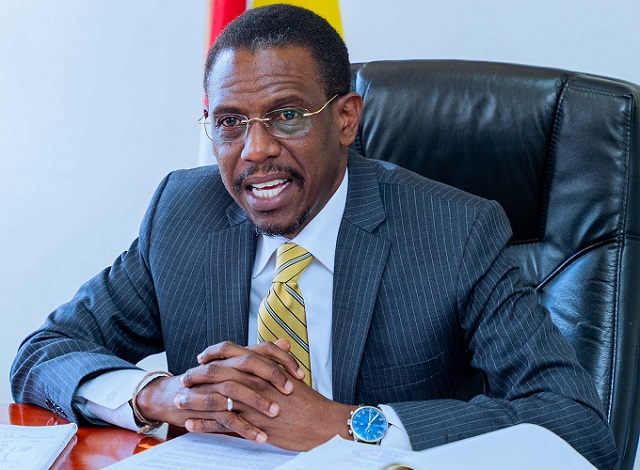
Attorney General Kiryowa Kiwanuka.

The Attorney General, Kiryowa Kiwanuka, has directed all government agencies to immediately halt enforcement of key provisions of the Computer Misuse law following a landmark ruling by the Constitutional Court of Uganda that declared the legislation null and void.

In a formal communication dated March 18, 2026, and addressed to security and prosecution authorities, Kiwanuka advised that all criminal proceedings based on the impugned sections of the law must be frozen with immediate effect.

“The implication of the permanent injunction issued by the Constitutional Court against all government agencies, authorities, and officials from enforcing the provisions is that all criminal proceedings emanating from the impugned provisions should be halted,” Kiwanuka stated.

He added, “No arrests should be made based on the impugned provisions of the said Acts,” emphasizing that law enforcement bodies,, including the Uganda Police Force and the Directorate of Criminal Investigations must comply fully with the court’s directive.

The decision follows a March 17 ruling in consolidated petitions filed by activists and legal bodies including the Uganda Law Society, which challenged the constitutionality of the Computer Misuse Amendment Act 2022.

In its judgment, the Constitutional Court found that the Parliament of Uganda failed to follow proper procedures when passing the law, particularly breaching its own rules of procedure. As a result, the court declared the enactment unconstitutional and rendered the contested provisions legally void.

“The enactment of the Computer Misuse Amendment Act without complying with the Rules of Procedure of Parliament was inconsistent with the Constitution, and as a result, the Act is null and void,” the court held.

The nullified provisions include sections relating to unauthorised access, sharing of information about children, and other digital communication offences that had been widely criticised for curtailing freedom of expression.

The court also struck down provisions on criminal defamation under the Penal Code, ruling that the law was vague and inconsistent with constitutional guarantees on fair hearing and freedom of expression, as well as Uganda’s obligations under regional human rights instruments.

Kiwanuka further clarified that individuals currently facing charges under the affected provisions should be released without delay.

“Courts must free all accused persons facing such nullified charges immediately,” he said.

However, he noted that the ruling does not affect individuals who were already convicted and are serving sentences under the same provisions, and that other sections of the Computer Misuse Act and the Penal Code remain in force.

On the way forward, the Attorney General advised the government against appealing the ruling, instead recommending that the law be returned to Parliament for fresh enactment in line with constitutional requirements.

“This Office is of the view that no appeal should be preferred. Rather, the law should be sent back to Parliament for proper enactment,” Kiwanuka stated.

Stories Continues after ad

Newly elected MPs to be sworn in mid-May at Parliament House

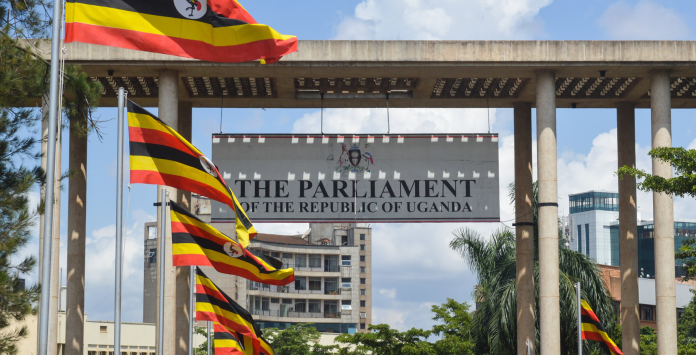
Parliament of the Republic of Uganda.

The Clerk to Parliament of Uganda has announced a three-day schedule for the swearing in of newly elected Members of Parliament, set to take place from May 13-15, 2026, at Parliament House in Kampala.

According to the notice, all Members elect will take the Oath of Allegiance and the Oath of Member of Parliament ahead of the commencement of the 12th Parliament. The exercise will be conducted in sessions spread across the three days to ensure a smooth and orderly process.

On Wednesday, May 13, the morning session running from 8.00 am to 1.30 pm will cover members from Aayoo Joyce Makamoe to Babirye Milly Babalanda. The afternoon session from 2.00 pm to 6.30 pm will continue with members from Babula Noel Kataike Matilda to Kanaabi Jimmy.

The exercise will resume on Thursday, May 14 May, beginning with members from Kangwagye Stephen Rwakanuma to Lukyamuzi David Kalwanga in the morning session, before proceeding with those from Lule Eria Erick to Nambeshe John Baptist in the afternoon.

On the final day, Friday, May 15, the morning session will see members from Nambooze Teddy to Opolot Patrick take their oaths, while the concluding afternoon session will cover members from Hon. Opolot Okwalinga Simon Peter to Zawedde Victorious.

Members elect are asked to collect their invitation cards, programme booklets, and biodata forms from the Office of the Clerk on May 4 and 5 between 9.00 am and 5.00 pm. Completed biodata forms are to be returned to Room 112 on the first floor of the South Wing or submitted at the registration desk on the day of swearing in.

The Clerk has asked all members to follow the assigned schedule and be on time. Each Member elect will be allowed to attend the ceremony with only three guests, while those with disabilities will be permitted an additional aide.

The swearing in is a constitutional step before legislators can formally assume their duties in the next Parliament.

Stories Continues after ad