Stanbic Bank
Stanbic Bank
21.7 C
Kampala
Stanbic Bank
Stanbic Bank
Home Blog Page 65

UPDF denies detaining opposition figure Sam Mugumya, so who is holding him?

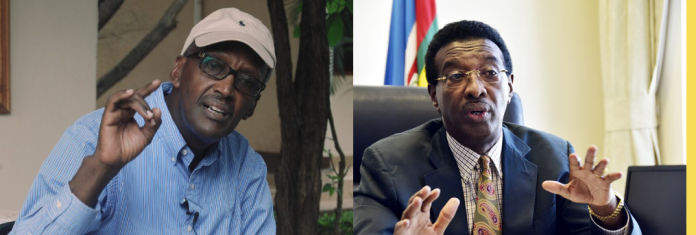
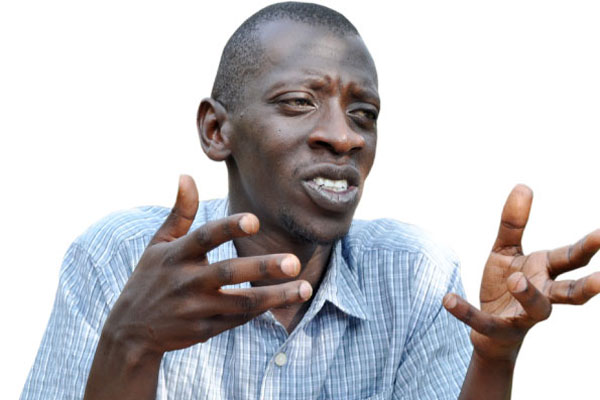
Mr Sam Mugumya.

The Uganda People’s Defence Forces (UPDF) has denied holding opposition activist Sam Mugumya, in a response filed before the High Court in Kampala in a habeas corpus case.

Lt. Col. Edgar Musasizi, the Director of Civil Affairs at the Ministry of Defence and Veteran Affairs, filed the return to the writ of habeas corpus on behalf of the Chief of Defence Forces and the Directorate of Defence Intelligence and Security.

“In obedience to the writ, I do satisfy and return that Sam Mugumya has not at any material time been in the custody of the respondents in this matter,” Lt. Col. Musasizi stated in court documents dated September 11, 2025.

He added that a comprehensive search had been conducted across all relevant detention facilities.

“We have searched all relevant detention facilities records and found no entry relating to the said Sam Mugumya between 26th August 2025 and to date. We caused inquiries to be made in all detention facilities under the command of the 1st and 2nd respondents, and no officer in the different units under their command had knowledge of the said Sam Mugumya,” Musasizi explained.

The UPDF therefore concluded, “I confirm that the said Sam Mugumya is not within our custody, and we do not know about his whereabouts.”

The habeas corpus application was filed to compel security agencies to produce Mugumya, a well-known opposition figure with a history of run-ins with security forces.

Mugumya, a long-time political activist and former aide to opposition leader Dr. Kizza Besigye, has previously faced arrests and detention over his activism. In 2014, he was arrested in the Democratic Republic of Congo and later repatriated to Uganda, where he spent years in military detention before being released in 2022.

His disappearance in late August 2025 raised concern among his political allies and human rights defenders, many of whom accuse security operatives of abducting opposition supporters.

The High Court is expected to make further directions on the matter as the search for Mugumya continues.

Stories Continues after ad

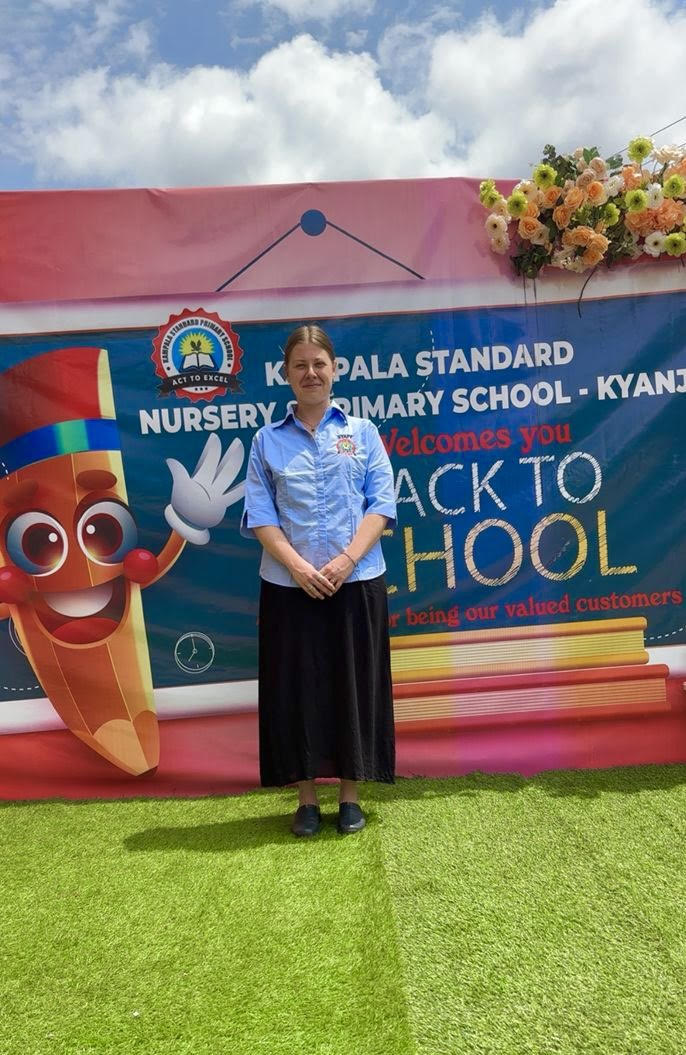
Kampala Standard welcomes Ms Danmark Stine as new supervisor for lower primary and nursery

Ms Danmark P. Stine.

Kyanja-based Kampala Standard Nursery and Primary School has announced the appointment of Miss Danmark P. Stine as the new Supervisor for the Lower Primary (P1 & P2) and Nursery sections in a bid to strengthen the school’s commitment to better education.

Revealing the appointment to parents and guardians, the school proprietor, Dr Aggrey Kyobuguzi expressed excitement about the new addition to the team.

“We’re pleased to introduce Miss Danmark P. Stine as our new Supervisor for Lower Primary and Nursery. Miss Stine brings technical expertise, experience, and a passion for pupil development,” Dr. Kyobuguzi said.

He emphasized that Miss Stine’s knowledge of both national and international curricula coupled with her proven track record in credible institutions locally and globally would elevate the school’s standards.

“With her expertise, we anticipate her contributions will enrich our teaching methods and further enhance the learning experience for our pupils,” he added.

Kampala Standard P/S positions itself as a forward-thinking, child-centered institution, committed to nurturing children academically, socially and emotionally. The school focuses on providing a supportive and inclusive environment where learners are equipped with knowledge, skills and values necessary for success in today’s world.

The school prides itself on small class sizes, allowing for personalized attention. “Our intimate learning environment ensures that every pupil is supported according to their unique needs, creating a space where they can flourish academically, socially, and emotionally,” the school statement noted.

Kampala Standard’s dedicated team of highly qualified teachers, supportive staff and enthusiastic volunteers work together to foster a nurturing and enriching learning environment.

Founded by Kentim Group as a demonstration school for Kentim University’s Faculty of Education, the institution benefits from the leadership of Dr. Aggrey Kyobuguzi, a business development consultant with experience in Uganda and the United Kingdom alongside education expert Madam Apophia Arinaitwe.

The school is committed to providing exceptional education from Kindergarten to Primary 7 (P7) and ensuring that every child reaches their full potential.

Stories Continues after ad

If You’re Born in September, What Life Has in Store According to Masunga Doctors.

If you celebrate your birthday anytime in September, Masunga Doctors believe your life is shaped by a special blend of qualities your strengths, your challenges, and the path that is likely to unfold. Uganda, with its rich cultures, community values, and spiritual beliefs, paints a unique backdrop to what these traits might mean for you. Read on to learn how being born in September could influence your journey here in Uganda, what to watch out for, and how to make the most of your potentials.

Your Strengths, Gifts, and What You’re Naturally Good At

Being born in September in Uganda often means you carry a few hallmark qualities:

  • Diligence and Order
    You tend to be someone who values discipline whether it’s in your work, in your education, or in your home. People respect you for always being on time, for doing what needs to be done, and for paying attention to detail. In a setting like Kampala, or any Ugandan town, this makes you reliable someone others can depend on.
  • Helping and Serving Others
    There’s a strong sense of community in Uganda. If you were born in September, you likely feel fulfilled when helping your family, neighbours, or church members. You may volunteer, you may offer advice, or you may quietly support others in ways that are not flashy but deeply meaningful.
  • Strong Moral Compass & Integrity
    Honesty matters to you. In a country where trust can sometimes be scarce, people born in September often stand out because of their integrity the way you keep your word, your reliability, your sense of fairness. These traits draw people to you and help you build lasting relationships, both personally and professionally.
  • Ability to Plan & Build Slowly but Surely
    You are not one to go for shortcuts; instead, you prefer laying solid foundations. Whether it’s in business, farming, studies, or family life, you are methodical, persistent, and prepared to invest time and patience. This sometimes means your success builds steadily rather than explosively, but it often endures.

Challenges You Might Face What to Be Mindful Of

Every set of gifts comes with shadows. For those born in September, especially in Uganda’s social and economic landscape, these are some of the difficulties you may regularly encounter:

  • Perfectionism
    Because you aim high and notice many details, you may often feel nothing you do is ever quite good enough. This can lead to frustration, self-blame, or even burnout especially when people around you don’t share your standards.
  • Overthinking & Worry
    You may find yourself replaying situations what you said, what you did and wondering “what if.” In a setting where resources are constrained (time, money, networks), this mental load can weigh you down. Worry about the future children’s schooling, health costs, job security might distract you from enjoying the present.
  • Difficulty Expressing Vulnerability
    In many Ugandan cultures, people born in September may feel pressured (or simply used to) appearing strong not showing fears, doubts, or uncertainties. While strength is admired, suppressing your vulnerabilities too much can isolate you.
  • Carrying Too Many Responsibilities
    Because you are dependable, others may lean heavily on you family members, community, church, etc. You may take on too much perhaps more than is healthy and neglect your own rest and wellbeing.

How These Play Out in Everyday Life in Uganda

Here are some practical ways the strengths and challenges above might affect your life, especially in a Ugandan context:

  • Career & Finances
    You may do especially well in roles that involve planning, administration, teaching, health services, research or any work that rewards reliability and precision. You might climb steadily through civil service, NGOs, or private sector roles that value consistency. Financially, you tend to save (sometimes overly so), prioritize stability, avoid risk, and work hard which can lead to long-term success, though you may sometimes miss opportunities because you’re cautious.
  • Relationships & Family
    Relationships with partners and family tend to be loyal. You might express love through service: helping with chores, caring for elders, ensuring children are educated or well provided for. But you might struggle to express emotional needs or show vulnerability, which can leave others guessing.
  • Health & Well-Being
    Stress, worry, and taking on too many duties can manifest physically: headaches, digestive issues, sleepless nights. Also, because of your high standards, when things go wrong you may not give yourself space to recover. Listening to your body, resting, moderate exercise (walking, dancing, practicing sports), and spending time in nature (e.g., the countryside, or forests) can help you reset.
  • Spiritual & Personal Growth
    In Uganda many are spiritually rooted church, clan beliefs, traditional practices. Your path might include moments of spiritual awakening: feeling called to deeper service, seeking meaning beyond material success, or trying ways to “cleanse” or renew your spirit (prayer, retreats, ritual, etc.). Because of your analytical side, you may gravitate toward things you can verify or sense in your soul, rather than blind faith but you also have a quiet yearning for purpose, for alignment between what you do and who you want to be.

How to Walk Your Best Path Suggestions from Masunga Doctors

To make the most of being born in September, while navigating Uganda’s challenges, here are strategies you might embrace:

  1. Practice Self-Compassion & Accept Imperfection
    Allow yourself room to make mistakes. Learn that “good enough” at times is enough. Celebrate small wins completing a project, helping someone, being consistent.
  2. Set Healthy Boundaries
    Learn to say “no” when obligations are too heavy. Delegate when possible. Ensure you take time off rest, fun, relaxation so your mind and body can recover.
  3. Express Emotions
    Share more of what’s going on inside with trusted friends, family, or mentors. This can lighten burdens you carry alone and deepen relational bonds.
  4. Balance Planning with Spontaneity
    While your strength in organizing and thinking ahead is valuable, allow for moments of flexibility doing things for joy, exploring new experiences, being open to detours. This helps balance stress.
  5. Engage in Purpose & Service
    Because helping others fulfills you, find volunteer roles, mentorship opportunities, or community projects that align with your values. Uganda has many community-led groups, church ministries, or local NGOs; your steady reliability can be a powerful asset.
  6. Spiritual Renewal Practices
    Whether through church, meditation, retreats, traditional rituals, or time in nature, make space for renewal. Masunga Doctors would suggest using guided spiritual reflection, or rituals that respect both your inner life and your cultural/spiritual roots, to clear old patterns and align with where you feel called.

Final Thoughts: The Beauty of Being Born in September in Uganda

Being born in September here often means carrying a rare blend of strength: you are grounded, you are observant, you are reliable, you have a servant’s heart. Yes, you’ll confront challenges high expectations, inner criticism, maybe the feeling that you don’t belong in certain spaces or that you’re always working hard behind the scenes. But these very struggles can become the source of your growth, empathy, and leadership.

In Uganda’s rich tapestry of culture, spirituality, community, and resilience, your path has room to flourish. When you embrace both the gifts and the shadows, you can build a life that not only honours your inner integrity but also blesses those around you.

📍 Masunga Doctors Contact Information

Stories Continues after ad

Generals Tumukunde & Muhwezi: We did not order closure of Radio Boona

Generals, Tumukunde and Muhwezi.

The sudden closure of Radio Boona in Rukungiri has prompted two of the district’s most prominent leaders, Gen. Henry Tumukunde and Security Minister Jim Muhwezi to clarify their positions on the matter.  

Both have firmly denied any involvement in the station’s shutdown and attributed the decision solely to the Uganda Communications Commission (UCC).

Gen. Tumukunde urged the public to ignore claims linking him to the closure, emphasizing that UCC alone has the legal mandate to regulate broadcasting.

“While the closure of Boona FM has fueled speculation regarding political motives, it must be emphasized that Uganda Communications Commission’s (UCC) mandate is clearly stipulated in the law,” Tumukunde said in a statement on Friday.

He further noted that discussions were already underway between Radio Boona’s management and UCC to resolve outstanding compliance matters.

“To the people of Rukungiri, I urge calm and focus on the challenges that are before us. Any conjecture about our supporters or I seeking to take advantage of the situation should be disregarded,” Tumukunde added.

Security Minister Muhwezi also distanced himself from the controversy, stating, “I am not the person who closed the radio. I do not have the authority to do so; it is UCC that holds that power.”

He acknowledged regulatory issues faced by the station and underscored the importance of compliance.

“Radios, including mine, must adhere to laws and regulations. If there are concerns regarding the regulator’s actions, the radio has the right to seek redress through the courts. Therefore, I urge the public to remain calm,” Muhwezi said.

Both leaders stressed that the closure should not be politicized, calling on UCC to clarify its actions and urging Radio Boona’s management to pursue lawful channels if aggrieved.

Stories Continues after ad

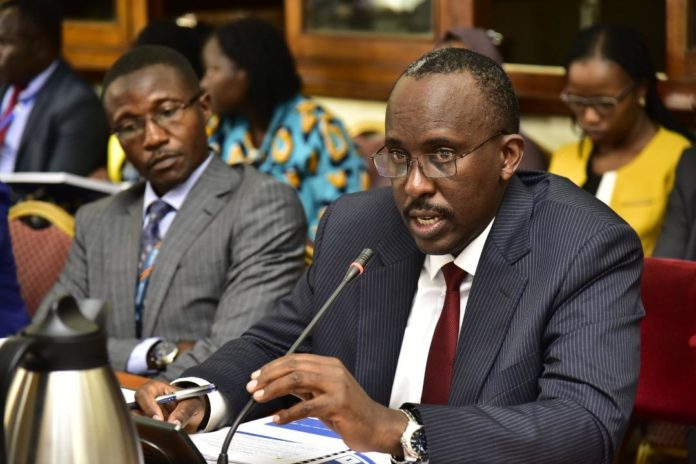
Parliament queries URA’s Shs15.7b telecom audit over costly delays, unverified equipment

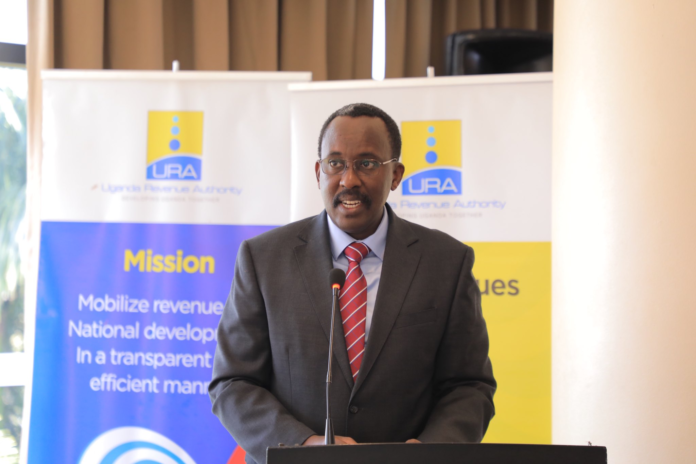
URA boss, John Musinguzi.

Parliament has launched an investigation into the Uganda Revenue Authority (URA) over a controversial Shs15.7 billion contract signed with a foreign consultancy to audit telecom companies. The deal is seen to be filled with delays, unverified expenditures and potential financial loss to the taxpayer.

The contract, signed in May 2023, was meant to run for 18 months with the aim of recovering undeclared taxes from telecom companies and building URA’s internal capacity to conduct such audits. It included the procurement of hardware and software valued at Shs11.4 billion.

However, by the time the Auditor General reviewed progress in late 2024, only MTN Uganda had been audited, while other major players such as Airtel, Smart Telecom, Lyca Mobile, Roke Telecom and Liquid Telecom had not been touched.

“The work remains incomplete as only MTN has been audited. There were no reports or updates on audits of other telecoms. This raises doubts on whether the project can achieve its intended objectives,” the Auditor General cautioned.

Worse still, MPs discovered that despite payments being made, there was no proper documentation confirming that URA had verified delivery of the costly hardware and software.

“There is a risk that the equipment may not have been procured and value for money may not have been achieved,” PAC noted, describing the deal as deeply problematic.

The Committee also expressed concern that the contract’s requirement to train at least 15 URA auditors had not been fulfilled. By February 2025, just three months before expiry, only three officers had participated in skills transfer sessions.

“It is abundantly clear that both parties did not fully appreciate the complexity and nature of the contract they were entering into. With only months to expiry, the work is not even a quarter executed,” PAC said in its hard-hitting report.

The Committee concluded that the project was poorly managed, the timelines unrealistic, and the oversight weak. It warned that without renegotiation of terms, URA risked sinking billions into a failed project.

The revelations have revealed doubt on URA’s procurement practices with MPs calling for accountability.

“URA should renegotiate the timelines and outputs to salvage the project, or else risk a repeat of costly mismanagement of taxpayers’ money,” the report urged.

Stories Continues after ad

Uganda’s public debt hits Shs116tn but remains sustainable, says Kasaija

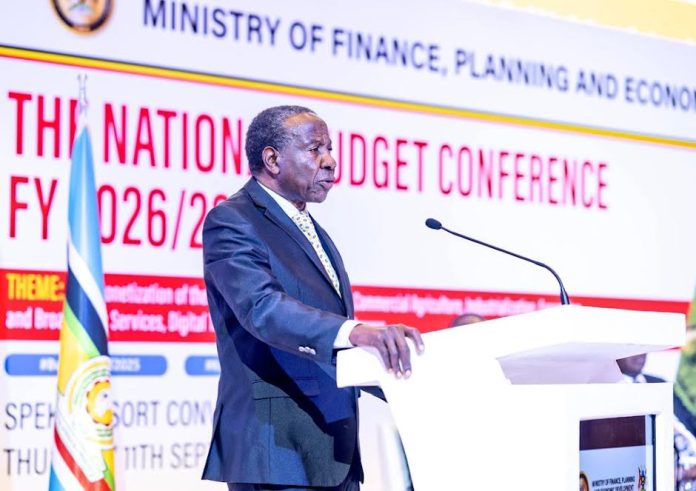
Finance Minister, Matia Kasaija.

Finance Minister Matia Kasaija has reassured Ugandans that the country’s growing public debt remains sustainable despite concerns over increased borrowing.

Speaking at the opening of the National Budget Conference for the Financial Year 2026/27 on Thursday, September 11, 2025, held at Speke Resort Convention Centre, Kasaija revealed that Uganda’s total debt stock had risen significantly in the past year but still falls within safe thresholds.

“By the end of June 2025, the total stock of public debt was $32.33 billion (Shs116.21 trillion), up from $25.63 billion (Shs94.72 trillion) as at the end of June 2024,” Kasaija said.

He added, “Of this, domestic debt was $16.8 billion (Shs60.34 trillion) and external debt was $15.54 billion (Shs55.88 trillion). This translates into a debt-to-GDP ratio of 51.3%, remaining within sustainable thresholds in the short to medium term.”

The Minister attributed the rise in debt to increased financing for major infrastructure projects, noting that the share of domestic debt had also grown significantly.

“The share of domestic debt as a percentage of the total debt stock rose to 51.9% by June 2025, up from 42.9% the previous year. This was within the approved medium-term debt strategy and annual borrowing plan,” Kasaija added.

Despite the surge, Kasaija said government borrowing remains guided by a strict strategy aimed at balancing fiscal needs with sustainability.

“The increase in public debt reflects higher external disbursements and expanded domestic borrowing to finance major infrastructure projects,” he said, emphasizing that debt sustainability frameworks remain intact.

Kasaija also used the conference to unveil Uganda’s Tenfold Growth Strategy, a bold economic blueprint designed to transform the country into an upper-middle-income economy before 2040.

“Uganda has diversified its exports beyond the traditional three Cs — Coffee, Cotton, and Copper — and the three Ts — Tea, Tourism, and Tobacco. We are now opening up regional and continental markets with a shared national consensus to grow the economy tenfold by 2040,” he declared.

The strategy, anchored on boosting value addition, scaling up innovation, strengthening enablers like energy and transport, and enhancing regional integration, is expected to push economic growth to 7% in FY 2025/26 and into double digits after commercial oil production starts in 2026.

Prime Minister Robinah Nabbanja urged all ministries and agencies to align with the new priorities while reducing reliance on borrowing.

“Our collective responsibility is to deepen the implementation of the anchor sectors of agro-industrialisation, tourism, mineral-based industries, and science, technology, and innovation. We must boost revenue collection to secure Uganda’s development path,” Nabbanja said.

With a current debt stock of Shs116.21 trillion and borrowing trends still on the rise, the government is banking on its new fiscal strategy, structural reforms, and the oil and gas windfall to drive growth while keeping public debt within manageable limits.

Stories Continues after ad

Eight arrested in Shs242m aggravated robbery case of hardware accountant

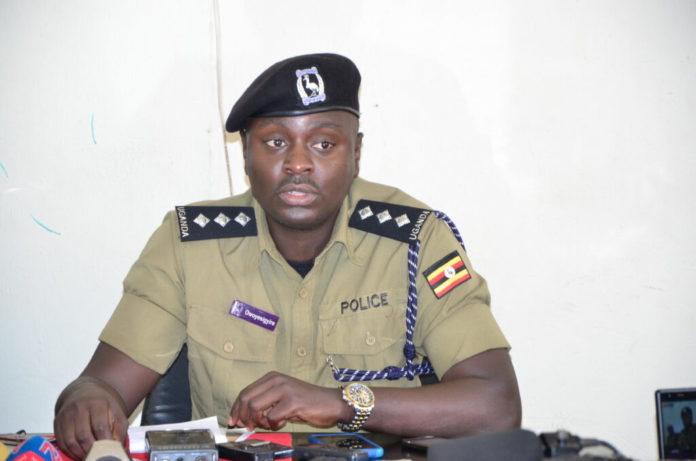
ASP Luke Owoyesigyire, the Deputy Public Relations Officer for Kampala Metropolitan Police.

The Territorial Police in Old Kampala Division have arrested eight suspects in connection with a violent robbery that left a hardware accountant stripped of Shs242 million in Rubaga Division last month.

According to ASP Luke Owoyesigyire, the Deputy Public Relations Officer for Kampala Metropolitan Police, the incident occurred on August 22, 2025, at Kakeka Zone, Rubaga Division.

“On that day, a group of thugs armed with pangas and riding on five motorcycles violently intercepted a city hardware accountant, robbed him of Shs242 million that he was taking to the bank. Fortunately, neither the victim nor his rider was injured during the attack,” said ASP Luke Owoyesigyire, Deputy PRO of Kampala Metropolitan Police.

Following intelligence-led operations, detectives analyzed CCTV footage and pursued other leads that led to the arrest of eight suspects.

“So far, the following individuals have been charged: Bakunda Steven alias Kevin, Atwine Robert Kiiza alias Mzee Lubuto, Andebuni Brian alias Junior Black, Musuza Raymond alias Caesar, Ssali Andrew alias Ande Swag, Kanyerezi Stanley, Nsubuga Andrew, and Aboth Shivan Alecho, who has been charged as an accessory after the fact,” Owoyesigyire revealed.

During the crackdown, police recovered Shs105 million, a motorcycle suspected to have been bought with proceeds of the robbery, and a black laptop bag containing vouchers and receipts belonging to the victim’s hardware. These exhibits were positively identified by the complainant.

“The suspects face charges of Aggravated Robbery, Conspiracy to Commit a Felony, and Being Accessories After the Fact to a Felony. Investigations are ongoing to trace other accomplices who are still at large,” Owoyesigyire added.

The eight suspects appeared before Mwanga II Chief Magistrate’s Court on Thursday, 11th September 2025, where they were formally charged.

Police have since reassured the public of their commitment to tackling violent crime.

“We reassure the public that such violent crimes will be pursued to their full conclusion, and we commend our officers for the dedicated work that has already yielded results in this case,” Owoyesigyire said.

Stories Continues after ad

EXCLUSIVE: URA on spot over misuse of Shs46b and expired appropriations

URA Commissioner General, John Musinguzi

Uganda Revenue Authority (URA) is once again in the spotlight after Parliament’s Public Accounts Committee on Commissions, Statutory Authorities and State Enterprises (PAC-COSASE) accused the tax body of financial recklessness and disregard of the law in handling billions of taxpayers’ money.

The latest revelations from the Auditor General’s 2024 report revealed irregularities in URA’s management of appropriated funds. By June 2023, URA had a cash balance of Shs46.6 billion on its expenditure account, of which Shs4.3 billion was not returned to the Consolidated Fund within the legally required timeframe. Instead, the money was utilized months later, contravening the Public Finance Management Regulations of 2016.

“The usage of expired appropriations contravenes the law, distorts government planning initiatives, and overstates the entity’s budget,” the Auditor General warned.

In the following year, the problem repeated itself. As of June 2024, URA held another Shs26.6 billion on its expenditure account but failed to transfer it to the Consolidated Fund by October 30th, as required by law.

While appearing before PAC, URA management blamed the irregularity on a garnishee order of Shs26.2 billion slapped on the Authority by the High Court in favour of businessman John Imoniroguho after a protracted tax dispute that had dragged on for over two decades.

But MPs were unconvinced. Despite the garnished Shs26.2 billion, there was Shs4.3 billion remaining after the audit process, which was not garnished and could therefore have been transferred. The entity’s retention of the amount was irregular and may have deprived other entities from access and use of the same funds in addition to distorting planning,” the Committee observed.

The Committee also raised eyebrows over URA’s Alternative Dispute Resolution (ADR) process, noting that it is chaired and supervised by the Commissioner General, the very office whose assessments are often under dispute.

“This compromises the independence of the process,” PAC said, recommending legislative reforms to make ADR impartial and effective.

The report concluded that URA’s handling of expired appropriations not only undermines fiscal discipline but also deprives the government of much-needed funds for service delivery.

PAC has now recommended that URA strictly comply with Regulation 17 of the PFMA by returning all unutilised balances to the Consolidated Fund by July 31st of every year.

“Failure to do so will continue to undermine credibility in public financial management and erode confidence in URA’s stewardship of national resources,” the Committee warned.

Stories Continues after ad

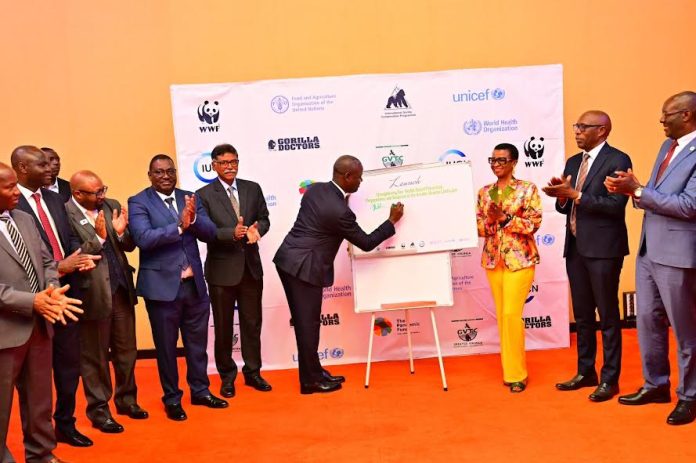
One Health Preparedness project launched at Speke Resort Munyonyo

Deputy Speaker of Parliament, Thomas Tayebwa, launching the project.

Deputy Speaker of Parliament, Thomas Tayebwa, this morning officially launched the One Health Preparedness, Prevention, and Response Project in the Greater Virunga Landscape at Speke Resort Munyonyo.

The initiative, funded by the World Bank Pandemic Fund and implemented in collaboration with WHO, FAO, UNICEF, and other partners, aims to strengthen regional defenses against zoonotic diseases, including Ebola, Marburg, Anthrax, and M-pox.

Speaking at the event, Tayebwa emphasized the importance of regional cooperation in combating potential health crises. “Today, we take a decisive step towards protecting the health of our communities and safeguarding our shared ecosystems. This project is not just about disease prevention; it is about ensuring the safety of our people, livestock, and wildlife,” he said.

The Greater Virunga Landscape, which spans Uganda, Rwanda, and the Democratic Republic of Congo, is one of the most biodiverse regions on the planet. Home to the iconic mountain gorilla and numerous other species, it is also an area where human, livestock, and wildlife interactions are frequent, heightening the risk of zoonotic disease transmission.

“The One Health approach recognizes that human, animal and environmental health are interconnected,” Tayebwa explained.

He added, “By investing in joint surveillance, early warning systems, laboratory capacity, and community engagement, we are prioritizing prevention before crises strike.”

On the Ugandan side, the Greater Virunga Landscape encompasses key tourist destinations such as Bwindi Impenetrable National Park and Mgahinga Gorilla National Park. These sites attract thousands of visitors annually and generate millions of dollars in tourism revenue. Officials note that by protecting health security, Uganda also safeguards the future of its vital tourism sector.

Tayebwa reassured stakeholders of Parliament’s support for the project, stating, “As a legislature, we are committed to backing initiatives that enhance public health, promote regional solidarity, and secure our economic growth. This project exemplifies how we can achieve all three.”

The launch at Speke Resort Munyonyo was attended by government officials, development partners, and representatives from the participating countries, highlighting the collaborative spirit of the One Health approach. Through regional cooperation, the project seeks to create resilient systems capable of responding to disease outbreaks before they escalate into full-scale emergencies.

Stories Continues after ad

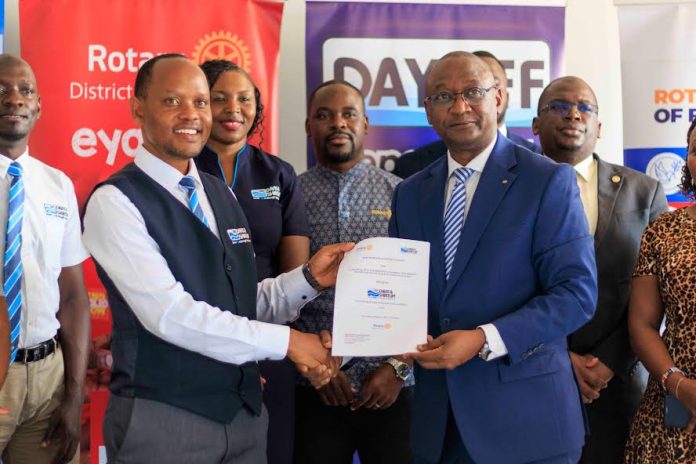
Rotary, Davis & Shirtliff partner to deliver clean water and solar energy in Uganda

Rotary District 9213 Governor, Geoffrey Kitakule, displaying the landmark Memorandum of Understanding with Davis & Shirtliff Uganda.

Many communities in Uganda continue to face limited access to safe water and reliable energy, challenges that affect health services, education and local development.

To address this, Rotary District 9213 Uganda has signed a landmark Memorandum of Understanding with Davis & Shirtliff Uganda (D&S) to implement sustainable water and solar energy solutions in underserved areas.

The collaboration seeks to leverage Rotary’s community networks and D&S’s technical expertise to design and implement projects that expand access to clean water, improve energy supply, and strengthen community resilience.

Announcing the partnership in Kampala on Thursday, Rotary leaders said the initiative will focus on installing solar-powered water systems for schools, communities, and health facilities. It will also provide sustainable irrigation systems to boost agriculture and food security, as well as water treatment solutions for schools and health centres.

Under the agreement, the two institutions will share responsibilities on a 50-50 cost-sharing model, ensuring sustainability and local ownership. D&S will provide technical expertise, equipment, training, and cost-sharing support, while Rotary will mobilize communities, identify projects, and fundraise.

“This partnership will not only expand access to clean and renewable energy but also improve access to safe water and sanitation, reduce reliance on unreliable utilities, and strengthen the resilience of local communities,” said Samuel Ingambwaaki, District Membership Chair, Rotary District 9213.

The MoU will initially run for one year, with the potential for renewal and expansion. Both partners are committed to promoting joint projects that prioritize inclusion and address Uganda’s infrastructure gaps. They emphasized that access to safe water and energy should not be a privilege, but a fundamental right for all Ugandans.

Stories Continues after ad