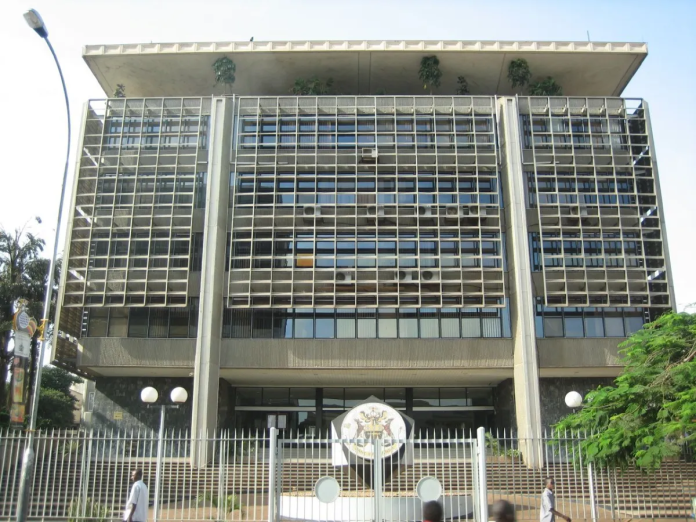
The Bank of Uganda (BoU) has announced a major government securities auction scheduled for Wednesday, January 7, 2026, offering a total of Shs 990 billion in Treasury Bonds as the government continues to mobilise domestic financing for budgetary and debt management needs.
According to the auction invitation issued under the Public Finance Management Act, 2015, the central bank will re-open three benchmark Treasury Bond tenors: a 3-year, 10-year, and 20-year bond. The re-openings are intended to enhance liquidity in the secondary market and strengthen benchmark yield curves across the short, medium, and long ends of the market.
Under the offer, BoU will auction Shs 230 billion for the 3-year bond carrying a coupon rate of 15.550 percent and maturing on July 6, 2028. The 10-year bond, with a coupon of 16.250 percent and maturing on November 8, 2035, will raise Shs 330 billion, while the 20-year bond, carrying a 15.000 percent coupon and maturing on June 18, 2043, will account for the largest share at Shs 430 billion.
Successful bidders will settle their transactions on Thursday, January 8, 2026. Interest payments on the bonds will be made semi-annually, with detailed coupon schedules already published by the central bank.
The auction will be conducted on a uniform price basis, meaning that all successful competitive and non-competitive bids will be allocated at a single price, the lowest accepted auction price, which corresponds to the highest accepted yield. Non-competitive bids of up to Shs 200 million per tenor will be accepted in full at the cut-off yield, a provision designed to encourage broader participation by smaller investors.
Only Primary Dealer banks are permitted to submit competitive bids, while non-competitive bids may be submitted through commercial banks. The current Primary Dealers include Absa Bank, Citi Bank, Centenary Bank, DFCU Bank, Equity Bank, Housing Finance Bank, Stanbic Bank, and Standard Chartered Bank.
The minimum competitive bid has been set at Shs 200.1 million, while non-competitive bids can be as low as Shs 100,000, widening access to government securities for retail and smaller institutional investors. Bid prices must be quoted per 100 with up to three decimal places.
BoU cautioned that it retains the right to increase or reduce the amounts on offer and to accept or reject bids either partially or in full, depending on market conditions.
Lawyer Sarah Bireete, 49 has been charged with unlawfully obtaining and disclosing personal data, police confirmed on Thursday,1.
Sarah Bireete is a seasoned lawyer, the Executive Director of the Center for Constitutional Governance (CCG), and a former employee at the Ministry of Foreign Affairs.
According to a statement seen by Eagle Online from the Uganda Police at Kampala Metropolitan Police Headquarters, Bireete is accused of violating Section 35 (1) and (2) of the Data Protection and Privacy Act, Cap 97.
Bireete, who serves as the Executive Director of the Centre for Constitutional Governance (CCG), is accused of violating sections of the Data Protection and Privacy Act. The prosecution alleges that she, along with others still at large, unlawfully obtained or shared voters’ data without permission from the Electoral Commission, the body mandated to manage and safeguard voter information in the country.
The charges relate to the unauthorized access and disclosure of National Voter’s Information controlled by the Electoral Commission.
“Between January 2025 and December 2025, Sarah Bireete, together with others still at large, unlawfully obtained or disclosed voter information without the prior consent of the Electoral Commission,” the police statement read.
Police statement added, “This data was controlled or processed by the Electoral Commission and any unauthorized handling is strictly prohibited under the law.”
The charge sheet details that the alleged offences occurred in various locations across Uganda, including Kampala, Mukono and Wakiso Districts.
During the court session, Grade One Magistrate Winnie Nankya Jatiko read the charges to Bireete. The accused pleaded not guilty, denying any involvement in the alleged offences. She acknowledged the gravity of the charges but maintained that the accusations are baseless. The court, citing ongoing investigations, ruled to remand her until the next hearing set for January 21, 2026.The alleged offences reportedly occurred across multiple districts, including Kampala, Wakiso, and Mukono. Authorities claim that the data was accessed and potentially shared for purposes yet to be fully disclosed, a matter that continues to raise concerns regarding the safety and ethical use of personal voter records in the electoral process.
The arrest of Dr. Bireete late last month has sparked strong reactions from civil society organizations and human rights defenders. Many have criticized what they describe as a growing trend of shrinking civic space in Uganda, particularly as the country moves closer to its general elections. Bireete has long been recognized as a leading voice on issues of democracy, transparency, and accountability in governance.
Bireete, a resident of Kiwango-Namwezi Village, Bukerere Parish, Goma Sub-County in Mukono District, was arrested on Wednesday, December 30, 2025, by police officers investigating the case. Legal experts say the case could set a precedent for how Uganda treats data-related offences, particularly as digital access to information becomes more common in electoral processes. Her legal team is expected to seek bail in the coming days.
Currently, Bireete is remanded to Luzira Women’s Prison, where she awaits her first court appearance. The case is a sensitive one, as it involves access to national voter data that underpins Uganda’s electoral process.
Prosecutions told the court investigation was ongoing, with authorities confirming that other individuals involved in the alleged scheme remain at large.
The words of the father speak first, quietly, painfully yet with the unmistakable voice of a grieving.
For city tycoon Sudhir Ruparelia, today is not seen by celebration but remembrance, as he mourns his only son, Rajiv Ruparelia on what would have been another birthday and his first heavenly one.
“Missing you on your birthday… You were very kind and thoughtful, with a warm and loving heart. When other people needed help, you always played your part,” Sudhir said.
He added, “You’re thought of every single day, whatever time of year. But somehow more than ever now, your special day is here.”
Sudhir captures the quiet ache of absence that time has failed to soften.
Rajiv Ruparelia died in the early hours of May 3, 2025, following a fatal road accident along the Busabala Flyover on the Kampala–Entebbe Expressway. The crash claimed his life instantly which shocked business and sports communities.
He was later cremated at the Hindu Crematorium in Lugogo, in line with Hindu rites, as family, friends and thousands of mourners gathered to bid farewell to a young man many described as generous, grounded and full of promise.
Born on January 2, 1990, Rajiv was the Managing Director of the Ruparelia Group, one of Uganda’s largest conglomerates, with interests spanning real estate, hospitality, education and finance. He played a central role in steering the group’s operations, championing innovation, youth employment and community-focused initiatives.
Beyond business, Rajiv was a passionate motorsport enthusiast and rally driver, credited for supporting the growth of rally racing in Uganda. Through active participation and sponsorship, he helped nurture local talent and elevate the sport’s profile, earning respect both on and off the track.
In his tributes, Sudhir Ruparelia has consistently spoken of a son defined not by wealth or position, but by kindness, creativity and an instinct to help others.
Sudhir grieved, “Each memory is shining bright and treasured dearly, too. But memories can’t take the place of someone dear, like you.”
Sudhir’s grief is expressed not through ceremony, but through simple words that speak of love, loss and a legacy that continues to live beyond time.
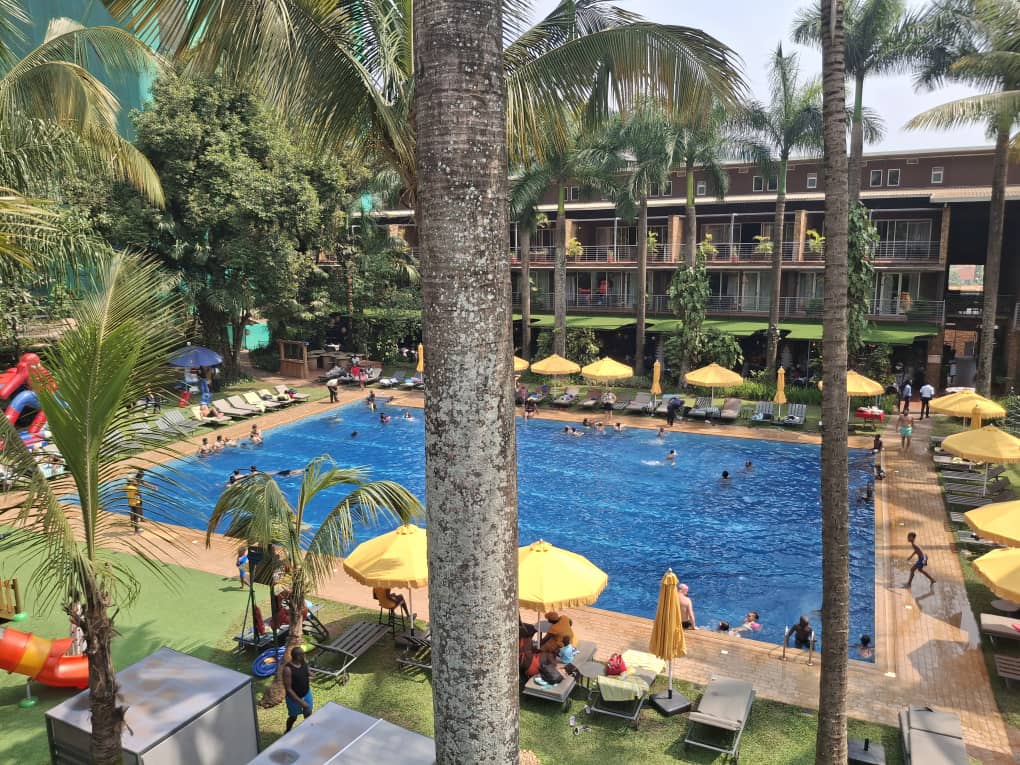
Kabira Country Club has come alive with colour, music and excitement as New Year celebrations roar with families and friends into a vibrant atmosphere of joy and togetherness.
As the New Year unfolds, the club has extended warm greetings to its guests and the wider community, wishing them a year filled with health, happiness and unforgettable moments shared with loved ones.
Management expressed appreciation to patrons for their continued support and reaffirmed its commitment to offering exceptional hospitality, relaxation and memorable experiences throughout the year.
“Warm New Year greetings from Kabira Country Club. May the year ahead bring health, happiness, and memorable moments with family and friends. We look forward to welcoming you for more celebrations, relaxation, and exceptional hospitality,” the club said in its New Year message.
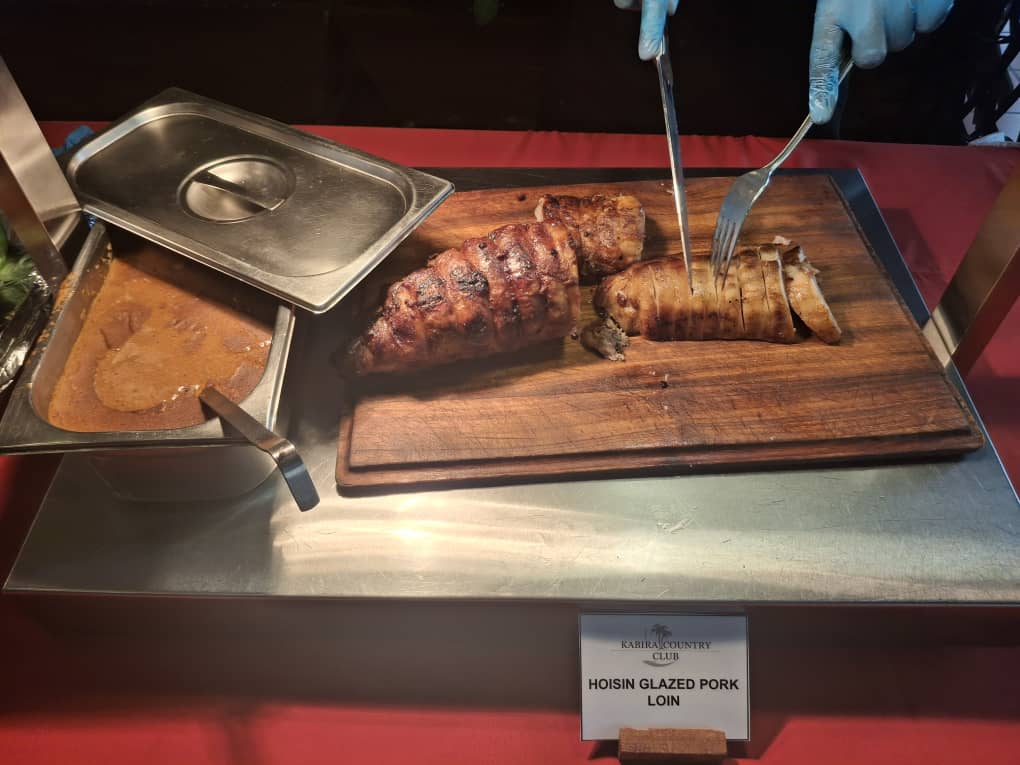
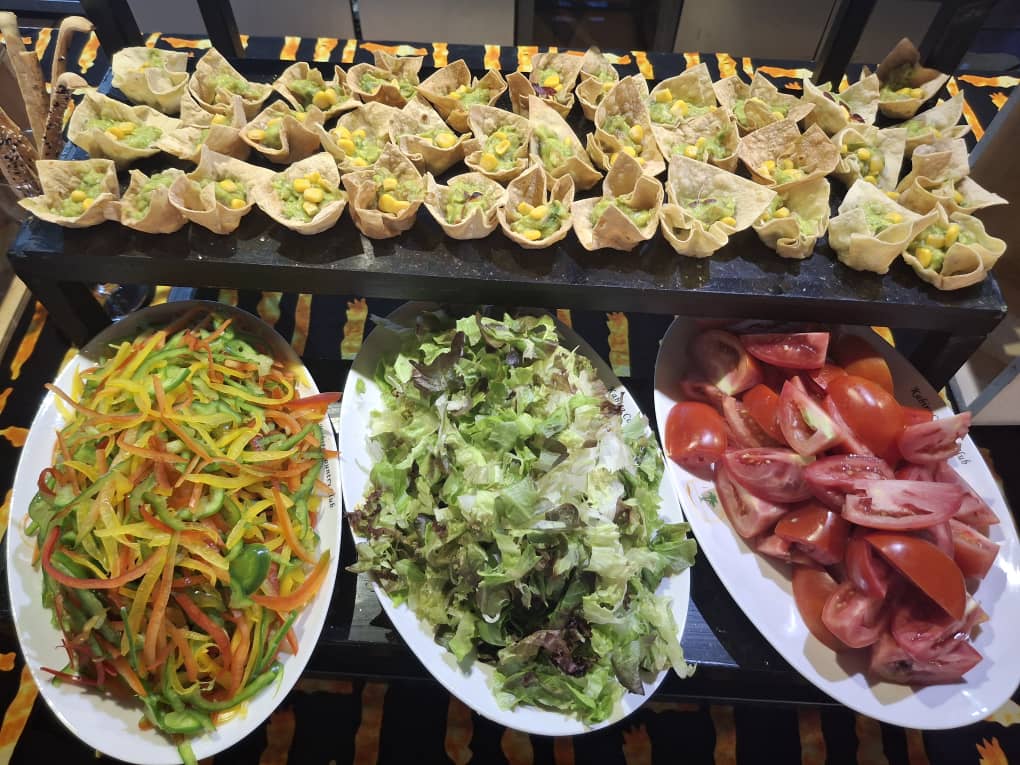
The celebrations, currently in full swing, have transformed Kabira Country Club into a lively hub of entertainment. Guests are enjoying a specially curated buffet, live music performances and a range of fun-filled activities designed for both adults and children. Face painting, cheerful clown acts and a dedicated kids’ pool have added to the festive mood, creating laughter and excitement across the venue.
Families present at the event have described the experience as joyful and inclusive, with activities that allow every generation to celebrate the New Year together.
Kabira Country Club is a preferred destination for New Year revelry and offers a space where guests can welcome the year ahead in a warm, festive, and family-friendly setting.
EC Chairman Justice Simon Byabakama addressing the media.
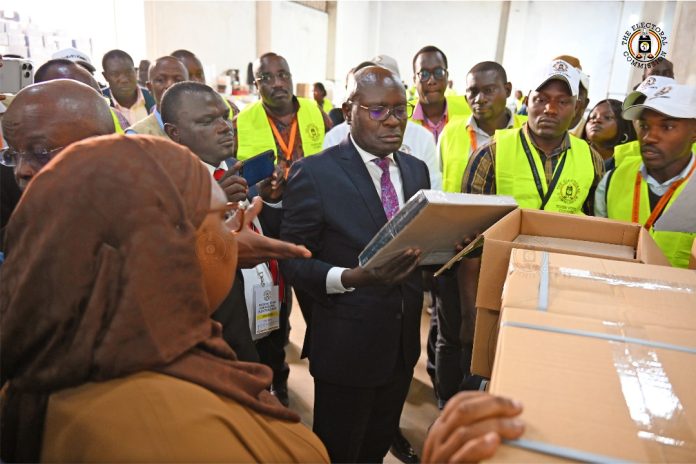
The Electoral Commission (EC) has confirmed that it has received ballot papers for presidential and parliamentary candidates ahead of the 2026 General Elections, marking a key milestone in the final phase of election preparations.
Speaking on Wednesday, December 31, 2025, EC Chairperson Justice Simon Byabakama Mugenyi said the commission had begun receiving consignments of ballot papers and Declaration of Results forms from contracted security printers abroad to ensure readiness for polling.
“The Commission started receiving consignments of ballot papers and Declaration of Results forms for the 2025/2026 General Elections from the contracted security printers abroad to ensure readiness for polling,” Byabakama said.
He disclosed that ballot papers received so far cover the Presidential Election, Directly Elected Members of Parliament, and District Woman Representatives to Parliament. The process, he added, was conducted transparently and witnessed by representatives of presidential candidates, political parties, the media, and accredited election observers.
The EC chairperson said the delivery of ballot papers comes as the commission concludes key activities on the electoral roadmap, including campaigns and preparations for polling.
“All activities on the roadmap up to this point, namely campaigns and preparations for polling, have been concluded,” he said, noting that the commission has also recruited and trained election officials at national, district, and polling station levels to ensure a free, fair, and transparent process.
Byabakama further revealed that the commission has completed the packing of generic election materials and commenced work on non-generic materials. These include pens, stamp pads, indelible ink markers, tamper-proof envelopes, official report books, and other essential polling-day items. Dispatch of transparent ballot boxes, cordoning tapes, basins, and solar lamps to districts and cities has already begun.
“The Commission has commenced packing of the National Voters Register and ballot papers for each respective polling station before dispatch for polling day for Presidential and Parliamentary Elections,” he said.
In his address, the EC chairperson reiterated that the use of the Biometric Voter Verification Kit (BVVK) during polling is mandatory, following a statutory instrument signed by the Minister of Justice and Constitutional Affairs.
“This measure is critical in safeguarding the integrity of the vote by ensuring that only duly registered voters participate in the elections,” Byabakama said.
He also cautioned the public against sharing unverified information about the National Voters Register, warning that publishing personal details or photographs of voters without consent violates data protection and privacy laws.
The commission further issued a strong warning against an unauthorised website, www.registry.ugtally.com
, which it said is not affiliated with the EC and may expose users to misinformation and data risks.
“The public is hereby strongly cautioned not to visit the website, submit personal information, or engage with its services,” Byabakama said, adding that only the official EC website should be used to verify voter registration details.
However, as part of measures to enhance transparency, the EC will issue hard copies of the photo-bearing National Voters’ Register to all presidential candidates, in line with the law. The register contains details of 21,681,491 registered voters across 50,739 polling stations nationwide.
“This issuance should put to rest any concern among stakeholders about the readiness of the National Voters’ Register for the 2026 General Elections,” Byabakama said.
As the country enters the final weeks of the campaign period, the EC chairperson called on candidates, political parties, and supporters to uphold peace, tolerance, and the rule of law.
“Peaceful conduct before, during, and after polling is essential for credible elections and national stability,” he said and assured Ugandans of the commission’s commitment to delivering free, fair, credible, and transparent elections.
Byabakama also extended New Year wishes to Ugandans and urged all citizens to play their part in ensuring a peaceful and successful electoral process.
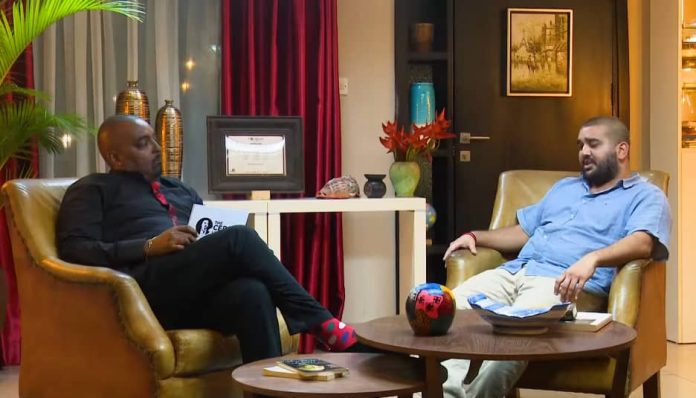
TWO FRIENDS: Rajiv Ruparelia and Cedric Babu. In this photo, Cedric was interviewing Rajiv. Rajiv perished in a car accident, while Babu died of heart failure.
History is not only recorded in elections, budgets or speeches. Sometimes, it is written in loss.
As Uganda closes the year 2025, the country confronts a difficult truth: this was a year that took away voices that mattered. From journalism and politics to law, business, security and culture, the nation lost individuals whose influence stretched far beyond their titles.
Their deaths demand more than remembrance. They require reflection.
Risdel Kasasira
RIP: Residel Kasasira.
Risdel Kasasira’s death on January 3, in a road accident at Kalagala village along the Lyantonde–Kashagama Road in Lyantonde District, Greater Masaka region, marked a painful moment for Ugandan journalism.
Returning from his ancestral home in Kashari, Mbarara District, Kasasira’s vehicle veered off the road and plunged into a swamp. He died not chasing headlines, but returning quietly to his roots. That detail alone captures the humility with which he practiced journalism.
Kasasira belonged to a disciplined generation of reporters who believed the newsroom was a public trust. His absence leaves a silence that will not easily be filled.
Muhammad Ssegirinya
Muhammad Ssegirinya
Muhammad Ssegirinya died on January 9 at Lubaga Hospital after a prolonged illness. At 37, the Kawempe North Member of Parliament represented a restless and demanding political base that wanted to be heard.
He was unconventional, sometimes controversial, but undeniably connected to his constituents. His death raised uncomfortable questions about the physical and emotional toll of political life, especially on young leaders navigating Uganda’s harsh political environment.
Brig. Henry Oluka
Brig. Charles Oluka.
Brigadier Henry Oluka died suddenly on January 29 after collapsing during a family prayer session at his home.
As Director General of the Internal Security Organisation, Oluka operated largely away from public view. Yet his role placed him at the center of the state’s most sensitive responsibilities. His sudden death exposed the human vulnerability behind the architecture of power.
John Bashaija Kazoora
Late Maj. John Kazoora.
Major (Rtd) John Bashaija Kazoora died on April 20 at his home in Rutooma, Kashari, Mbarara District after a long illness.
Kazoora’s life tells the story of Uganda’s liberation and its contradictions. Once a trusted insider in the National Resistance Army, he later became a critic of the system he helped establish. His book Betrayed by My Leader remains a bold and unsettling political document.
Rajiv Ruparelia, son to tycoon Sudhir Ruparelia
Rajiv Ruparelia died on May 3 in a fatal crash on the Kampala–Entebbe Expressway near the Busabala Flyover.
At 35, he symbolized a new generation of Ugandan business leadership confident, modern and visible. His vehicle struck concrete barriers, overturned and caught fire. The violence of that moment forced the country to confront uncomfortable realities about speed, privilege and road safety.
His death was not just personal tragedy; it was a national reckoning.
Cedric Babu Ndilima
Cedric Babu Ndilima died on May 31 at Aga Khan Hospital in Nairobi after suffering heart complications.
He was a connector between sports and entertainment, ambition and mentorship. His death abroad also reopened a familiar question: why Uganda’s elite continue to seek critical healthcare outside the country.
Shaka Ssali
Shaka Ssali.
Shaka Ssali died on March 25 in the United States, ending a career that gave Africa one of its calmest and most credible journalistic voices.
Through Straight Talk Africa, Ssali proved that serious journalism could be respectful yet firm. His passing marked the end of an era when journalism placed understanding above confrontation.
George Kanyeihamba
Prof. George Kanyeihamba died on July 14 at Kampala Hospital after a prolonged illness.
A retired Supreme Court justice and constitutional scholar, Kanyeihamba believed deeply in the rule of law. His judgments, writings and public engagements shaped Uganda’s legal consciousness. His death removed one of the country’s most principled legal minds from public debate.
Mary Karooro Okurut
RIP Mary Karooro Okurut.
Mary Karooro Okurut died in August in Nairobi while receiving medical care.
She was rare in Ugandan public life, a politician who valued literature, and a writer who believed public service could be intellectual and ethical. Her absence leaves a gap in both policy and cultural discourse.
Sam Omara
Retired Assistant Commissioner of Police Sam Omara died on April 28, 2025, at Mulago National Referral Hospital after a prolonged battle with prostate cancer and kidney failure. He was 65.
Omara rose to national prominence in 2011 as Kampala North Police Operations Commander during the Walk to Work protests triggered by rising fuel prices and economic hardship. Under his command, police repeatedly confronted and arrested opposition leader Dr Kizza Besigye and his supporters in an effort to suppress the demonstrations.
Those operations drew sustained criticism from opposition figures and civil society groups who cited excessive force and human rights abuses. The images of Besigye’s arrest and mistreatment during that period became some of the most defining moments of Uganda’s recent political history.
In his final days, Omara is reported to have sought reconciliation, asking his family to seek forgiveness from anyone he may have wronged during his years in the police force.
A family lost at Christmas
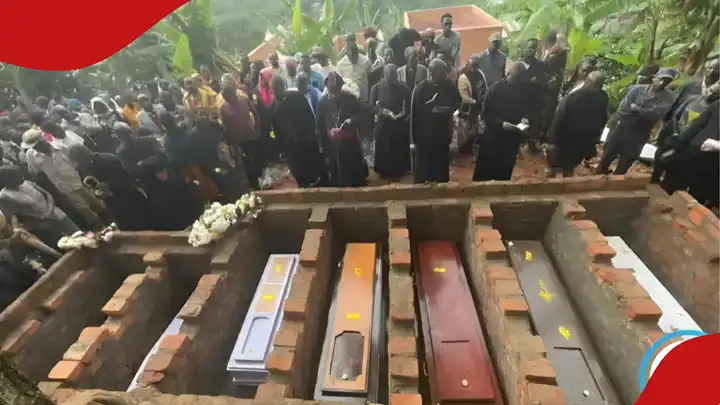
On December 27, seven members of one family died in a head-on collision at Njagalakasayi along the Masaka–Mbarara Highway.
Their deaths during the Christmas season stripped the festivities of meaning for many Ugandans. They were not public figures, yet their loss resonated because it reflected a tragedy too many families know too well.
2025 took more than names. It took experience, institutional memory and moral authority.
Uganda must decide whether these deaths will merely be marked by funerals, or whether they will force deeper national introspection on road safety, healthcare, political culture and the value we place on human life.
A disagreement has emerged within the Ministry of Works and Transport following severe traffic jam along the Kampala Masaka Highway, particularly in Mpigi with a senior road safety official questioning the official explanation issued by Works Minister, Edward Katumba Wamala.
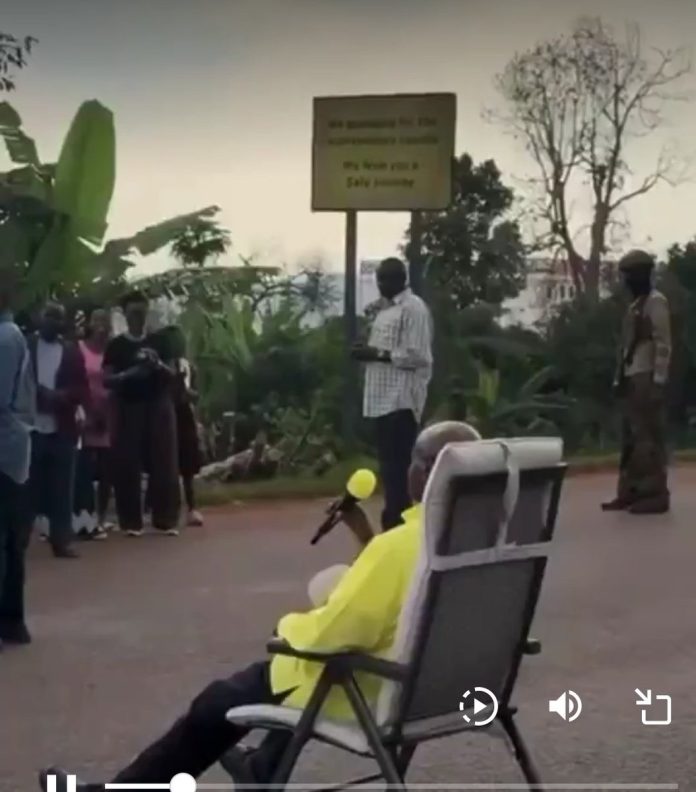
The traffic gridlock which left thousands of motorists stranded for hours sparked widespread public debate with claims circulating online that the congestion was linked to the movements of President Yoweri Kaguta Museveni.
In a statement via X (formerly Twitter) Principal Road Safety Officer Ronald, Amanyire argued that national leadership cannot be detached from institutional failures including traffic management.
“Why do we readily praise the NRM and President Museveni yet hesitate to acknowledge that he like any leader is not perfect. There is nothing improper about constructive positive and progressive engagement” Amanyire said.
Amanyire noted that President Museveni’s nearly four decades in power place him at the centre of both Uganda’s successes and failures.
“Everything that happens in this country whether positive or negative is connected to the office he occupies. One may commend the Kampala Expressway while also criticising the condition of Jinja Road and that is entirely legitimate” he said.
He added that even if the President was not directly involved in yesterday’s traffic jam the root cause remains institutional weakness.
“Poor driving practices stem from institutional failures. Indiscipline among drivers is a symptom of institutions led by officials appointed through constitutional authority” Amanyire said.
However Works Minister Gen Edward Katumba Wamala dismissed claims linking the Mpigi traffic jam to presidential movements saying the assertions were misleading.
“The severe traffic congestion experienced yesterday was not caused by any road closures to facilitate political activity by H E the President as has been inaccurately portrayed online” Katumba Wamala said.
The minister explained that traffic assessments showed the jam was largely caused by indiscipline among road users particularly at intersections and choke points.
“Motorists blocked junctions encroached into oncoming lanes and obstructed right of way creating a complete standstill” he said.
Katumba Wamala added that the Uganda Police Traffic Directorate deployed officers and aerial surveillance to restore traffic flow and urged motorists to observe discipline especially as festive travel continues.
The exchange shows contrasting views within the ministry on accountability and the causes of recurring traffic congestion as public frustration over road management continues to grow.
The Minister of Works and Transport, Gen. Edward Katumba Wamala, has dismissed claims that the severe traffic congestion along the Kampala–Masaka Highway, particularly in Mpigi, was caused by road closures to facilitate political activities of President Yoweri Kaguta Museveni.
In a statement issued on December 30, 2025, Katumba Wamala said the ministry had noted growing public concern and online narratives surrounding the gridlock experienced on December 29 and 30, stressing that the claims were misleading.
“The severe traffic congestion experienced on the 29th and 30th December 2025 along this section was not caused by any road closures to facilitate political activity by H.E. the President of the Republic of Uganda, Gen. Yoweri Kaguta Museveni, as has been inaccurately portrayed in the online space,” Katumba Wamala said.
The minister said suggestions that the President’s movements disrupted traffic were unfounded, emphasizing that President Museveni adheres strictly to established engagement protocols.
“We therefore categorically dismiss these claims. The President has consistently demonstrated responsibility and strict adherence to established protocols, conducting all public engagements and rallies exclusively at designated venues,” he said.
Katumba Wamala explained that assessments conducted by traffic authorities showed the congestion was largely caused by road user indiscipline, especially at major intersections and choke points in Mpigi.
“Available traffic assessments confirm that the gridlock was primarily caused by traffic indiscipline, with motorists blocking intersections and encroaching into oncoming lanes, thereby obstructing right of way in both directions and creating a standstill,” he said.
He further revealed that the Uganda Police Traffic Directorate had intervened using both technology and personnel to restore traffic flow.
“The Uganda Police Traffic Directorate has deployed aerial surveillance and ground officers to identify and clear gridlock points, restore lane discipline and traffic flow is steadily improving,” Katumba Wamala said.
While acknowledging that traffic congestion is common during the festive season due to increased travel, the minister warned that reckless driving habits significantly worsen the situation.
“While congestion during the festive season is not unusual, indiscipline by road users, blocking junctions, refusing to yield and lane invasion contributes to extreme congestion,” he said.
Katumba Wamala urged motorists to remain disciplined on the roads as the festive season comes to an end.
“In the remaining days of the festive season, we call upon motorists to ensure orderly driving, respect for lane discipline and compliance with traffic officers’ directions,” he said.
The Uganda Police Force has confirmed the arrest of Sarah Bireete, the Executive Director of the Center for Constitutional Governance (CCG), saying she is currently being held in police custody and will be produced in court.
According to a statement issued by Metropolitan Police Spokesperson Racheal Kawala, Bireete was arrested as part of ongoing police operations although details surrounding the charges were not immediately disclosed.
“The Uganda Police Force would like to confirm the arrest of Sarah Bireete, Director of the Center for Constitutional Governance,” Kawala said.
She added,“She is in police custody and will be arraigned before court in due course.”
Prior to her arrest, Bireete raised alarm over the presence of security personnel at her residence, describing the situation as a siege involving both police and the army.
“My house is under siege by Police and Army,” Bireete said in a statement shared via her X (formerly Twitter) before she was taken into custody.
By press time, police had not provided further details on the circumstances leading to her arrest or the specific offences she is expected to face in court. Authorities say more information will be communicated as investigations progress.
Ms Sarah Bireete is a seasoned lawyer and human rights activist. However, she will be arraigned in court on yet to be disclosed charges. She is a former employee of the Ministry of Foreign Affairs who fell out with the government over accountability issues.
In online gaming, information is power. Knowing when tournaments start, which promos are active, or what new games are launching can completely change your gaming experience. This is exactly why GameZone News plays such an important role for card game players in the Philippines. It serves as the official update center where players can stay informed, prepared, and always one step ahead.
Whether you enjoy Tongits, Pusoy Dos, or other classic Filipino card games, GameZone News ensures you never miss opportunities to compete, earn rewards, and explore new content. Instead of relying on rumors or outdated posts, players get direct, accurate, and timely updates straight from GameZone itself.
What Is GameZone News?
GameZone News is the official information hub of GameZone, one of the leading online card gaming platforms in the Philippines. It was created to keep players informed about everything happening on the platform in one convenient place.
Through GameZone News, players can access updates on:
Ongoing and upcoming promotions
Tongits tournament schedules and mechanics
Tournament prize pools and registration details
Newly released games and game updates
Special events and limited-time campaigns
Instead of searching across multiple platforms, players can rely on GameZone News as a trusted source for all essential updates.
Why Staying Updated Matters in Online Card Gaming
Many players miss out on exciting tournaments or generous promos simply because they find out too late. In competitive online gaming, timing matters. GameZone News solves this problem by providing players with advanced announcements and complete details.
By following GameZone News regularly, players can:
Register for tournaments before slots fill up
Prepare strategies ahead of major competitions
Take advantage of time-limited bonuses
Join special events as soon as they go live
Discover new games immediately after launch
Staying informed transforms casual gaming into a more strategic and rewarding experience.
Complete Coverage of Tongits Tournaments
Tongits continues to be one of the most popular card games in the Philippines, and GameZone regularly hosts exciting tournaments for both casual and competitive players. GameZone News provides detailed and easy-to-understand tournament coverage, making it easier for players to prepare.
Tournament updates typically include:
Tournament start dates and schedules
Match formats and official rules
Entry requirements and registration steps
Prize pool breakdowns
Deadlines and important reminders
Knowing these details in advance allows players to choose tournaments that fit their skill level and gaming goals.
Transparent Prize Pool Information You Can Trust
One of the biggest concerns for online gamers is transparency, especially when it comes to rewards. GameZone News clearly displays tournament prize pools, allowing players to understand what they are competing for before joining.
This transparency helps players:
Decide which tournaments are worth entering
Understand how rewards are distributed
Feel confident about fair competition
Stay motivated during high-pressure matches
Because GameZone operates under a PAGCOR license, players can trust that all prize pools and tournament systems follow strict regulatory standards.
Promos That Make Every Game More Rewarding
GameZone is known for offering exciting promotions that add extra value to gameplay, and GameZone News is where these promos are announced first. These promotions are designed to reward active players and keep the gaming experience fresh.
Promos may include:
Limited-time bonuses
Event-based rewards
Game-specific challenges
Seasonal campaigns
Loyalty programs for regular players
Since some promos only last for a short time, checking GameZone News regularly ensures you never miss out on extra rewards.
Discover Over 1,000 Games on GameZone
While Tongits remains a favorite, GameZone offers over 1,000 games, making it one of the most diverse online gaming platforms in the Philippines. GameZone News highlights newly released games and important updates, helping players explore new options.
Popular game categories include:
Tongits and its variations
Pusoy and Pusoy Dos
Baccarat
Other local and international card games
With GameZone News, players can stay informed about new additions and decide which games to try next.
A Safe and Trusted PAGCOR-Licensed Platform
Trust and security are essential in online gaming. GameZone is officially licensed by PAGCOR (Philippine Amusement and Gaming Corporation), ensuring legal, fair, and responsible gaming operations.
GameZone News reinforces this commitment by:
Announcing regulated tournaments
Promoting responsible gaming practices
Sharing transparent platform updates
This gives players confidence and peace of mind while enjoying their favorite card games.
Why You Should Visit gzone.ph Regularly
The official website gzone.ph is the main gateway to GameZone News. Visiting the site regularly helps players stay informed and prepared.
On gzone.ph, players can:
Read the latest GameZone News articles
Check tournament schedules and details
View promo announcements
Discover new games and features
Learn about upcoming events
Making gzone.ph part of your routine ensures you are always updated and ready to play.
GameZone News Helps You Play Smarter
Being informed doesn’t just help you join games—it helps you play better. Knowing tournament formats, prize structures, and event mechanics allows players to prepare strategies and manage their time effectively.
GameZone News empowers players to:
Plan gaming sessions wisely
Choose tournaments that match their strengths
Maximize rewards through promos
Stay ahead of other competitors
This level of preparation turns gaming into a more enjoyable and strategic experience.
Final Thoughts
If you want to make the most of your online card gaming experience, staying updated through GameZone News is essential. From Tongits tournament announcements and prize pool details to promotions, new game releases, and platform improvements, everything you need to know is published there first.
With GameZone continuing to grow as a PAGCOR-licensed platform offering over 1,000 games, opportunities are always expanding. Whether you’re a competitive player aiming for tournaments or a casual gamer looking for fun and rewards, GameZone News keeps you informed, prepared, and ahead of the game. Visit gzone.ph regularly and make every gaming session smarter, more exciting, and more rewarding.
Frequently Asked Questions (FAQs)
1. What is GameZone News?
GameZone News is the official source of updates about tournaments, promotions, games, and events on the GameZone platform.
2. Does GameZone News include prize pool information?
Yes. GameZone News provides complete details about tournament schedules, mechanics, and prize pools.
3. How often should I check GameZone News?
It’s best to check regularly so you don’t miss limited-time promos, tournament announcements, or new game releases.