Stanbic Bank
Stanbic Bank
17.7 C
Kampala
Stanbic Bank
Stanbic Bank
Home Blog Page 71

SIU Detective Musa Walugembe found dead in bed

Musa Walugembe talks to President Museveni after receiving a medal.

Uganda Police Force is mourning the sudden death of Detective Musa Walugembe, an officer with the Special Investigations Unit (SIU), who was found dead in his bed under unclear circumstances.

The news was revealed by the State Minister for Labour, Gender and Social Development in charge of children and youth affairs, Balaam Barugahara Ateenyi, who described Walugembe as a patriotic and selfless servant of the nation.

“On behalf of friends, it is with deep sorrow and heartfelt grief that I announce the passing of our patriotic and dedicated police officer, Afande Musa Walugembe, who was serving with the Special Investigations Unit,” Balaam said.

He added, “Afande Walugembe passed away peacefully in his sleep, cause of death unknown.”

Walugembe, remembered as a man of integrity, humility and kindness, served the police force with distinction. Beyond his uniform, he was also a prince of Buganda from Nakifuma, a heritage that he carried with honor and respect.

“He was not only a distinguished officer but also a prince of Buganda from Nakifuma, whose legacy of loyalty and service to Uganda will forever be remembered,” Balaam noted.

In his tribute, Balaam said Uganda has lost “a brave soul who served with honor and dedication.” He extended condolences to the Inspector General of Police, Martin Okoth Ochola, the Director of Crime Intelligence, AIGP Christopher Damulira, the Director of CID, AIGP Tom Magambo, as well as all police officers across the country, family, friends and loved ones of the fallen officer.

“May the Almighty grant you strength during this difficult time, and may Afande Musa Walugembe’s soul rest in eternal peace. Gone but never forgotten,” Balaam added.

The cause of Walugembe’s death remains unknown,and funeral arrangements will be communicated in due course.

Stories Continues after ad

The tough call from my siblings that changed my life

Have you ever felt like you have reached the end of the road, where nothing in life seems to be working in your favor? I know many of us have been there at some point.

My name is Nancy Mugerwa, and I was born and raised in Mukono District. Today, I’m just grateful to God for being alive, considering all I have been through.

Before everything fell apart, my husband, James Kato, and I had it all. He was in politics, and I had a well-paying job in one of the ministries. We were thriving both financially and in our 27-year marriage, during which we were blessed with four grown children.

For years, I had a good relationship with my in-laws. My father-in-law was especially fond of me, and I even got along well with my mother-in-law.

The Betrayal That Destroyed My Marriage

My world came crashing down in 2019 when my father-in-law passed away. My husband and his mother teamed up to kick me out of our matrimonial home. In their ruthless scheme, my husband sold all our property. He even took out a loan using our house in Lubowa as collateral.

I only discovered all this when I returned from a work trip, but I managed to settle the matter for the time being. Fast-forward to March 2020, my husband decided to marry a second wife, Pamela Namaganda.

To make things worse, he bought her a new house in Kampala and kicked me out of the company we had built together. He was now running it with his new wife.

Losing Everything

As if things couldn’t get any worse, two of my children became alcoholics, making an already painful situation even more complicated. I still held onto hope that life would get better until six months later, when I suddenly fell sick at work. I was rushed to the hospital, where I stayed for a month. A visiting pastor’s powerful prayers helped me recover, and I was discharged.

But my suffering was far from over. A few days after leaving the hospital, tragedy struck again my eldest son and his wife were involved in a fatal accident in Entebbe and both passed away. It’s never easy losing a child as a parent, but I gathered strength and gave them a decent send-off.

Two weeks later, I started getting hallucinations. I would see Pamela trying to stab me in broad daylight, and I would scream in terror but she was only visible to me. My sister was always there, yet she saw nothing. That’s when everyone realized I was losing my mind.

It got so bad that I had to be tied down to prevent harming myself or others. My siblings took me from hospital to hospital, but nothing worked.

The Call That Changed My Life

In January 2021, my brother John Obbo heard about Dr. Masunga, a renowned herbalist, through a friend. When he told our mother about it, she refused, believing it was witchcraft. Being staunch Christians, she wanted no part in it.

But my brother and sister decided to contact Dr. Masunga behind her back. After a lengthy conversation, Dr. Masunga promised to send herbal medicine to stabilize me so I could travel to Kampala, where he is based.

A New Beginning

After using the herbs, I felt as if I had been woken from a deep sleep. The next day, I traveled to Kampala.After a thorough cleansing, I fully recovered.

Today, I am totally fine, back to work, and my family is thriving all thanks to Dr. Masunga. I will forever be grateful to my siblings for making that tough call it changed my life forever.

Are You Struggling with a Similar Problem?

If you are going through difficult times, Dr. Masunga can help.

📞 Call/WhatsApp+256 769 678 458
🌍 Websitehttp://www.masungadoctors.com/

Stories Continues after ad

Mobile Money transactions surge as Uganda’s economy shows mixed signals in July

Mobile money transactions.

Kampala – Uganda’s financial inclusion drive received a major boost in July 2025, with mobile money transactions reaching record highs despite sluggish job growth, a widening trade deficit, and environmental pressures, according to the Ministry of Finance’s latest Microeconomic Indicators and Developments (MIND) Report.

The report indicates that digital finance remains a central component of Uganda’s economy. The number of mobile money transactions increased by nearly 20% in just a year, while their total value jumped by almost a quarter. This signals both growing consumer reliance on digital platforms for everyday payments and the continued expansion of the financial sector into previously underbanked communities.

“The volume of mobile money transactions increased by 19.9% from 1.0 billion transactions in March 2024 to 1.2 billion in March 2025. The value of mobile money transactions increased by 23.9% from Shs33.9 trillion to Shs42.0 trillion,” the report highlighted.

Despite these positive strides, the broader economy faced several headwinds. Formal employment slightly contracted, suggesting businesses remain cautious in hiring. The number of employees captured under the PAYE register dropped by almost 700 in July, while the inflow of migrant workers also slowed, reflecting reduced demand for labor.

“Formal employment returns reduced by 0.08% from 890,111 employees in June 2025 to 889,422 employees in July 2025. Migrant workers also declined by 7.3% from 3,213 in June 2025 to 2,980 in July 2025,” the ministry revealed.

At the household level, inflationary pressures softened, giving some relief to families struggling with the high cost of living. Food and non-alcoholic beverage prices fell slightly, while energy and fuel prices also eased. This slowdown in price growth suggests greater stability in household expenditure, despite healthcare remaining a significant cost driver. On average, Ugandans spend about Shs32,000 per month on healthcare, but the disparities are wide — residents in Kampala spend more than four times the amount spent by households in West Nile.

While the cost of living showed some signs of easing, the environment deteriorated sharply. Kampala’s air quality worsened dramatically in July, with particulate matter nearly doubling within a month. This poses serious health risks, particularly for children and those with respiratory conditions, and highlights the challenge of balancing rapid urban growth with environmental sustainability.

“Air quality in Kampala deteriorated significantly, with particulate matter increasing by 90% from 28.75µg/m³ in June 2025 to 54.70µg/m³ in July 2025,” the ministry warned.

Adding to the strain were natural disasters that struck between June and July. Heavy rains, floods, and landslides displaced nearly 15,000 people, destroyed over 500 homes, and left thousands more vulnerable. The economic cost of such disasters continues to weigh heavily on affected communities and the government’s disaster response systems.

Uganda’s external sector also presented a worrying picture. The trade deficit widened dramatically, more than doubling from May to June. Higher import bills for petroleum products and minerals drove this imbalance, underscoring the country’s vulnerability to global price movements. A ballooning trade deficit not only puts pressure on foreign reserves but also risks weakening the shilling if not offset by stronger export growth.

“The monthly trade deficit significantly increased by 146.3% from $110.8 million in May 2025 to $272.9 million in June 2025. The increase was mainly attributed to a rise in import bills for petroleum and mineral products,” the report explained.

Still, there were bright spots. Capital markets recorded strong activity, with the Uganda Securities Exchange All-Share Index climbing by 4.6%. Turnover more than doubled to Shs10.8 billion, signaling renewed investor appetite, particularly in counters such as MTN Uganda and Umeme. At the same time, new business registrations rose by nearly a third in July, indicating growing confidence among entrepreneurs despite broader economic challenges.

Spotlight on Karamoja sub-region

While national averages showed a mixed picture of resilience and vulnerability, the MIND report singled out the Karamoja sub-region as an area of deep concern. With a population of 1.45 million, most of whom depend on subsistence farming and pastoralism, Karamoja continues to lag behind other regions in key development indicators.

The report revealed that poverty in Karamoja has worsened significantly over the past five years, with nearly three-quarters of the population now living below the poverty line. Although income inequality narrowed slightly, overall deprivation remains high. Unemployment in the sub-region stands at 14.5%, just under the national average, but limited formal job opportunities continue to drive dependence on livestock and small-scale agriculture.

“The poverty rate of the sub-region significantly increased by 13% from 65.65% in 2019/20 to 74.20% in 2023/24,” the report revealed.

Karamoja is endowed with significant natural resources, including 16.7% of Uganda’s cattle stock and minerals such as gold, marble, and limestone. However, these resources have not translated into sustained local prosperity, with wealth largely bypassing the communities. Tourism potential remains underexploited, as Kidepo Valley National Park, despite being Uganda’s largest game park, attracts only 1.7% of national park visitors.

Financial inclusion remains one of Karamoja’s biggest hurdles. The sub-region has very limited access to banking services, with only Centenary Bank and DFCU Bank present among the institutions listed on the Uganda Securities Exchange. This limited financial infrastructure has hindered access to affordable credit and slowed the uptake of government-led wealth creation initiatives such as GROW loans.

“Among the financial institutions listed on the Uganda Securities Exchange, only Centenary and DFCU Bank have presence in the sub-region. This makes the sub-region underserved in terms of financial inclusion and its inability to access affordable finance,” the ministry noted.

Outlook

Despite the challenges, the Ministry of Finance remained cautiously optimistic. It projected that lower inflation, especially in food and passenger transport, would boost consumer demand in the coming months.

“With a reduction in inflation pressures due to lower food crop and passenger transport prices during July 2025, aggregate demand is expected to increase. Domestic economic activity has remained resilient, thus pointing to a brighter microeconomic outlook in the near term,” the report concluded.

Stories Continues after ad

Uganda Development Finance Summit 2025 successfully held at Speke Resort Munyonyo

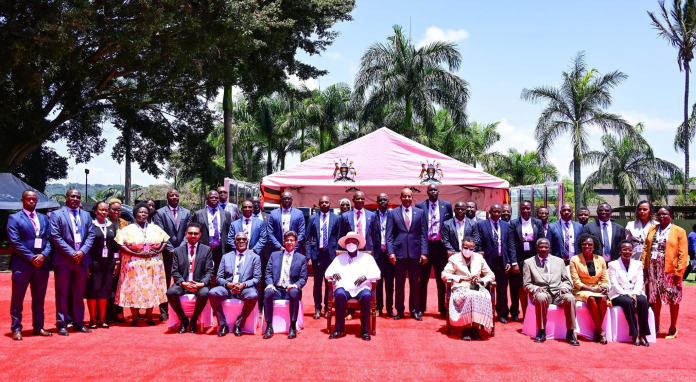
President Yoweri Museveni and First Lady Janet Museveni are joined by other participants at the conference.

The inaugural Uganda Development Finance Summit 2025 officially began, yesterday setting the stage for dynamic discussions, networking, and innovative solutions to Africa’s pressing economic challenges.

Organised by Uganda Development Bank [UDB], the two-day summit being held at Speke Resort Munyonyo, Kampala has attracted delegates from across the globe, marking a pivotal moment for Africa’s economic transformation.

The opening ceremony saw a keynote address from Yoweri Museveni who was accompanied by his Janet. Museveni underscored the importance of vision, integrity, and patient capital for Africa’s growth, highlighting the crucial role of development finance institutions in driving sustainable progress.

“We must prioritise vision, integrity, and patient capital to transform Africa,” said Museveni.

He added, “Development finance institutions are essential for balancing impactful infrastructure and integrating millions of Ugandans into the economy. We need a government institution like the Uganda Development Bank, which focuses on development rather than profit.”

The President also called attention to the challenge posed by commercial banks, citing high interest rates of 22 percent despite inflation being below 5 percent. He proposed the need for a shift towards more development-oriented financial institutions to drive long-term prosperity.

In her remarks for today, Monica Musenero, Uganda’s Minister of Science, Technology, and Innovation, echoed the sentiment, emphasising the transformative power of technology.

“All nations have three vital resources: Natural resources, human capital, and technology. It is the technology that will amplify value,” Musenero asserted.

He further noted, “We must ensure that technology is at the core of Africa’s development agenda.”

The summit also featured insightful perspectives from renowned international experts such as Prof. Jeffrey Sachs of Columbia University. Sachs called for Africa to borrow more from abroad, but with a longer-term focus, citing the region’s limited access to credit and the impact of short-term loans on economic growth.

“Africa’s debts are not too high; they only appear so relative to low GDP levels,” Sachs remarked. “The focus must be on rapid growth and the investments needed to achieve it, without letting debt distress narratives derail long-term thinking.”

Sachs further emphasised that Africa’s population is poised to reach 25 percent of the global total by 2050, which will position the continent at the heart of the global economy. He urged the continent to look beyond traditional Western financial partnerships and embrace collaborations with emerging economies such as China and India.

The importance of empowering Africa’s youth and women was also highlighted on Tuesday by Justine Lumumba Kasule, Minister in the Office of the Prime Minister. She lauded the Uganda Development Bank for creating opportunities for women and youth through targeted financial facilities.

“When government programmes are complemented by financial institutions, the result is not just growth but transformation. Women and youth become employers, farmers are linked to markets, and communities gain access to better services,” Kasule said.

The summit’s parallel session on Economic Transformation in a Technologically Driven World was moderated by Collin Babirukamu, Executive Director of IT at the Bank of Uganda. This session brought together Musenero, Arshad Rab, CEO of the European Organisation for Sustainable Development, and Edem Adzogenu, Executive at Afrochampions, to discuss the future of Africa’s tech ecosystem.

“Technology is set to transform every industry, but Africa risks being left behind if we don’t act now,” said Rab. “We must optimise limited financial resources to close the gap and align government priorities with the needs of the tech sector.”

Didas Kayiranga, Resident Underwriter at ATIDI, discussed the role of capital markets in unlocking potential for SMEs and entrepreneurs. He shared success stories of regional trade initiatives, including the customs transit scheme that is simplifying cross-border trade and reducing transportation costs in East Africa.

“We have removed the tedious process of buying a bond at every border, streamlining trade between countries like Kenya and Burundi,” Kayiranga explained.

The summit also featured Prof. David Luke, a leading trade economist from the London School of Economics [LSE], who delivered the keynote address on the importance of intra-African trade. He highlighted the impressive 12.4 percent increase in intra-African trade reported by Afreximbank and emphasised that trade flows are a cornerstone of Africa’s development.

Stories Continues after ad

WHO REPORT: Over one billion people live with mental health disorders

More than one billion people worldwide are living with mental health disorders, according to new data released by the World Health Organization (WHO). The reports reveal that conditions such as anxiety and depression are not only widespread across all countries but are also inflicting immense human suffering and significant economic losses.

The findings, presented in two new publications – World Mental Health Today and the Mental Health Atlas 2024 – show that while many countries have strengthened policies and programmes in recent years, the global response remains insufficient. WHO warns that greater investment and urgent action are needed to scale up services, reduce stigma, and uphold mental health as a basic human right.

“Mental health conditions such as anxiety and depression are highly prevalent in all countries and communities, affecting people of all ages and income levels,” WHO noted in its release.

WHO added, “They represent the second biggest reason for long-term disability, contributing to loss of healthy life, driving up health-care costs, and inflicting substantial economic losses worldwide.”

Suicide remains one of the most devastating consequences, claiming an estimated 727,000 lives in 2021 alone. Despite global commitments, progress in reducing suicide mortality has been too slow to meet the Sustainable Development Goal of a one-third reduction by 2030. Current projections show only a 12% reduction will be achieved by the deadline.

The economic toll is equally staggering. Depression and anxiety alone cost the global economy an estimated US$ 1 trillion each year, with lost productivity representing the largest share of the burden.

WHO Director-General Dr. Tedros Adhanom Ghebreyesus described the crisis as one of the most urgent challenges facing public health today. “Transforming mental health services is one of the most pressing public health challenges,” he said.

He added, “Investing in mental health means investing in people, communities, and economies – an investment no country can afford to neglect. Every government and every leader has a responsibility to act with urgency and to ensure that mental health care is treated not as a privilege, but as a basic right for all.”

The reports highlight some progress. Since 2020, many countries have adopted rights-based policies, expanded psychosocial support during health emergencies, and integrated mental health into primary care. More than 80% of countries now provide mental health support in emergencies, compared to just 39% in 2020. School-based programmes, suicide prevention initiatives, and telehealth services are also becoming more common.

However, significant gaps persist. Global investment remains alarmingly low, with median government spending on mental health still at just 2% of health budgets – unchanged since 2017. Disparities are sharp: while high-income countries spend as much as US$ 65 per person on mental health, low-income countries spend as little as US$ 0.04. The shortage of skilled professionals is equally severe, with only 13 mental health workers per 100,000 people globally, and far fewer in low- and middle-income nations.

Reform of mental health services is also progressing slowly. Less than 10% of countries have fully transitioned to community-based care, with many still relying heavily on psychiatric hospitals. Nearly half of psychiatric admissions worldwide remain involuntary, and more than 20% last longer than a year raising human rights concerns.

The findings are expected to shape dialogue at the United Nations High-Level Meeting on non-communicable diseases and the promotion of mental health and well-being, scheduled for 25 September 2025 in New York. WHO has urged governments and partners to scale up efforts with equitable financing, sustained workforce development, legal reforms, and a shift to community-based, person-centered care models.

As the world heads toward this critical summit, the organization is sounding an unmistakable alarm: unless urgent action is taken, the global community risks falling far short of the targets set in WHO’s Comprehensive Mental Health Action Plan.

Stories Continues after ad

Dr. Sidi Ould Tah swears-in as 9th President of African Development Bank

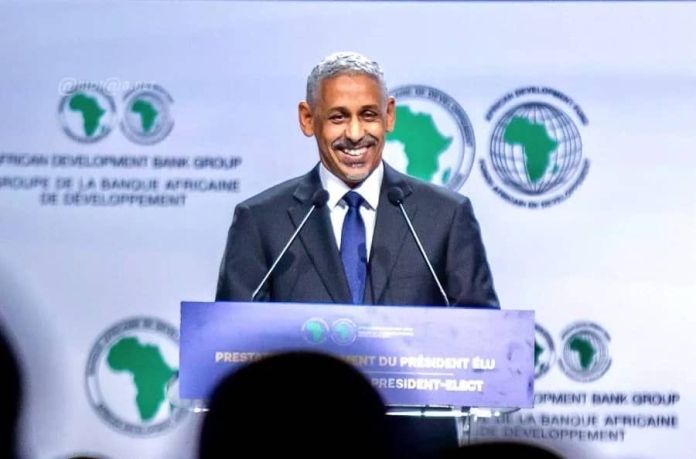
Dr. Ould Tah.

Dr. Ould Tah on Monday, September 1st took the oath of office, taking over the leadership of Africa’s premier development finance institution. He succeeds Dr. Akinwumi A. Adesina, who completed two terms as President.

Côte d’Ivoire’s President Alassane Ouattara and Mauritania’s President Mohamed Ould Ghazouani graced the high-level ceremony at the Sofitel Abidjan Hôtel Ivoire. Also in attendance were former AfDB Presidents Dr. Adesina and Dr. Donald Kaberuka, members of the Board of Governors, Executive Directors, staff, and international dignitaries. The ceremony was presided over by Ludovic Ngatse, Minister of Economy of the Republic of the Congo and Chair of the AfDB Board of Governors.

Dr. Ould Tah, 60, from the Islamic Republic of Mauritania, was elected on 29 May 2025 with more than 76% of shareholder votes—the highest margin ever for a first-term President in the Bank’s history.

President Ouattara described the transition as a “milestone which comes at a historic moment in the life of our pan-African institution” and one that “paves the way for a new era of hope for the Bank.”

In his remarks, President Ghazouani emphasized the weight of responsibility entrusted to Dr. Ould Tah: “He must ensure that the Bank strengthens its role in promoting Africa’s economic and social development, fulfilling the aspirations of our people for peace, prosperity, and progress.”

In his inaugural address, Dr. Ould Tah pledged that under his leadership, the Bank would be “the bridge between regions, between ambitions and execution, between public and private, between urgency and bureaucracy. Let us move forward together—with urgency, unity, and unwavering accountability.”

He laid out his “Four Cardinal Points” to guide his first 100 days in office: Listening intently; Launching a fast-track reform agenda; Deepening partnerships; and Accelerating delivery of real solutions.

“The Bank will be attentive, responsive, and capable of setting priorities that matter,” he said, stressing the importance of working closely with governments, the private sector, and international partners to “create a financial framework that serves Africa on its own terms.”

Acknowledging key development partners—including Finance in Common, the Alliance of African Financial Institutions, the International Development Finance Club, and the Arab Coordination Group—he pledged to broaden collaboration to include sovereign wealth funds, pension funds, and other new actors. He further committed to “urgently revisit our investment models to include a dedicated pillar for investment in peace.”

Dr. Ould Tah also announced plans to host a town hall meeting with staff, describing them as “the institution’s most valuable resource.”

Positioning the Bank as a guide for Africa amid the 21st-century challenges of demographics, technology, and climate change, he remarked: “Africa must look North, South, East and West—not to imitate, but to draw wisdom and strength from every direction while defining its own course. Like a navigator guided by the compass, the Bank should help Africa navigate megatrends toward greater self-reliance, ambition, and agency.” However, he cautioned that the Bank “should not aim to be everything to everyone,” but rather focus where it can make the greatest impact, always in partnership.

Dr. Ould Tah previously served as President of the Arab Bank for Economic Development in Africa (BADEA), where he oversaw a landmark transformation that grew assets from $4 billion to nearly $7 billion, increased annual approvals twelvefold, expanded disbursements eightfold, and secured AA+/AAA credit ratings. He also served as Mauritania’s Minister of Economy and Finance (2008–2015), and represented the country on the boards of the AfDB, the World Bank, and the Islamic Development Bank.

Fluent in Arabic, English, and French, with working proficiency in Portuguese and Spanish, Dr. Ould Tah holds a PhD in Economics from the University of Nice Sophia Antipolis in France, and advanced degrees from Paris VII-Jussieu and the University of Nouakchott.

He assumes leadership of a Bank with strong fundamentals: $318 billion in capital, AAA credit ratings maintained for ten consecutive years, and the world’s highest transparency score for a sovereign portfolio at 98.8%. Over the past decade, the AfDB has approved $102 billion in development financing.

Stories Continues after ad

Makindye East MP Nyeko Derrick announces exit from 2026 race

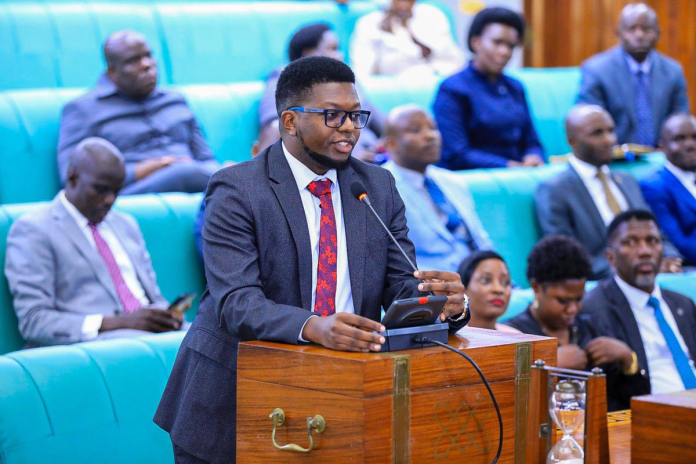
Mr Derrick Nyeko.

Derrick Nyeko, the incumbent Member of Parliament for Makindye East under the National Unity Platform (NUP), has announced he will not be seeking re-election in the upcoming 2026 general polls.

In a statement released on Tuesday, Nyeko expressed gratitude to his constituents for the trust and support they have accorded him over the years.

“I wish to extend my deepest gratitude to all who have believed in me throughout the years I have been entrusted with leadership,” Nyeko said.

He added, “It is with a heart full of joy that I have served you with honour, respect, and a deep commitment never to betray the trust of your vote.”

The legislator acknowledged that the announcement may come as a shock to many of his supporters who were confident in his re-election.

“I know this decision may not be easy for my team and supporters to receive, especially after our strong belief that we would once again win the Makindye East MP seat. However, after deep reflection, I have made the difficult decision not to offer myself for election in the coming polls,” he added.

Nyeko emphasized that his decision does not erase the achievements made during his tenure. He urged his supporters to continue upholding the values of unity, resilience, and service to the community.

“This choice does not diminish the journey we have walked together, nor the victories we have achieved. It is my hope that the spirit of unity, resilience, and service to our people will remain stronger than ever,” he said.

Known for his clean track record, Nyeko described himself as a leader who remained true to his principles.

“I remain the man of no corruption, no problems,” he declared.

Nyeko Derrick has served Makindye East with a reputation for integrity and transparency. Throughout his tenure, he has positioned himself as a people-centered leader, often engaging directly with communities on issues ranging from youth empowerment to infrastructure improvement.

He has also been recognized for his vocal stance against corruption, frequently reminding colleagues in Parliament of the need to serve Ugandans with honesty and accountability.

Nyeko’s exit from the race leaves the Makindye East seat wide open, likely triggering intense competition among both ruling party and opposition candidates eager to capture the constituency.

Stories Continues after ad

Ex-MUBS Principal Prof Waswa Balunywa remanded to Luzira Prison over abuse of office

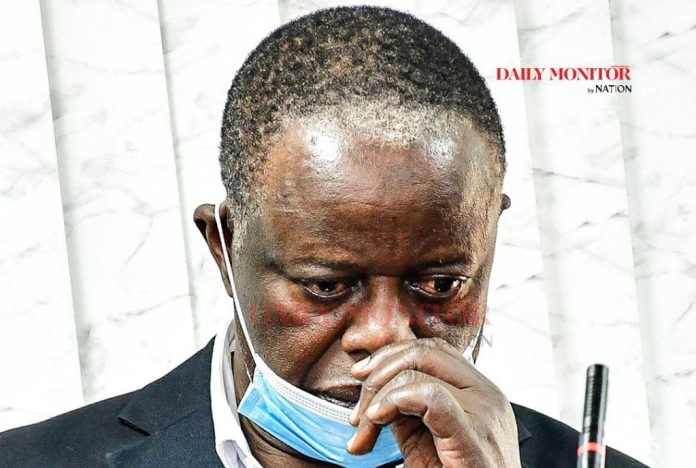
Prof. Balunywa in the dock. Photo credit, Daily Monitor.

Former Makerere University Business School (MUBS) Principal, Professor Waswa Balunywa has been remanded to Luzira Prison over abuse of office allegations.

This follows his court appearance, where he faced accusations of irregular recruitment during his tenure.

The prosecution claims Prof. Balunywa unlawfully recruited three individuals as administrative assistants between February and April 2023, despite them lacking the necessary academic qualifications.

Between March 15 and April 13, 2023, Prof. Balunywa allegedly recruited Nuwagira Nathan and between February 20 and March 28, 2023, Nimrod Kakayi both as Administrative Assistants yet they lacked the minimum academic qualifications.

It is further argued that this recruitment resulted in unnecessary government expenses, forming the basis for the corruption charges.

Court proceedings revealed the recruitment violated set guidelines for hiring public servants, leading to an investigation by the Inspectorate of Government.

Prof. Balunywa, who served as MUBS Principal for several years, denied the charges and is awaiting a bail hearing.

Stories Continues after ad

Mbarara Banker narrates how best friend impregnated lover after he became epileptic

If there is one thought that every employed person dreads, it is the bitter truth that at some point in life, they may lose their job before hitting retirement age. In today’s world, job security is never guaranteed—many people find themselves out of employment due to reasons such as redundancy, company closures, economic recessions like the one caused by COVID-19, or even illness.

Amos Mugisha never imagined that after landing a well-paying job, he would one day return to struggling, to the point of begging for survival. Four years ago, Mugisha, a finance graduate, was hired by a leading bank in Uganda. After two years of hard work, he was promoted to a managerial position. His success didn’t stop there he was later transferred to head a branch, South Sudan.

The banker was overjoyed by his rapid career growth, unaware that his rise was also the beginning of his downfall.

A Betrayal Like No Other

While in South Sudan, Mugisha helped his former classmate, Steve Owor, secure a job at the bank’s branch.

“We had struggled together in school and job-hunted for years after graduating. I was happy to help him when he told me he was still jobless,” Mugisha recalled.

But just months after Owor started working at the bank, everything changed. He became arrogant and distanced himself from Mugisha, despite having lived in his house for two months. Worse still, rumors began circulating that Owor was badmouthing him to their bosses in Kampala.

“What hurt me most was that he went ahead and started dating my Ugandan girlfriend the woman I had planned to marry. It crushed me. I never expected such betrayal from a friend I had lifted from the ashes,” he said.

The Dark Forces at Play

As if that wasn’t enough, despite claiming to be a devout Christian, Owor sought the help of a witch doctor to cast an evil spell on Mugisha. Soon after, Mugisha started experiencing fainting spells and seizures at work. He would suddenly collapse, shaking violently.

When the problem persisted, he was put on medical leave, but after months without improvement, his contract was terminated. Heartbroken and jobless, Mugisha returned to his home in Mbarara, where he turned to illicit alcohol to escape his troubles.

In mid-2019, he received devastating news Owor had impregnated his ex-girlfriend, and they were planning to get married.

“That news nearly sent me to an early grave. I sank into deeper depression. My sister later helped me get a teaching job at a local secondary school, but I could not work because each time I tried to teach, I would collapse and foam at the mouth,” he continued.

A Glimmer of Hope

In October 2019, his sister brought home a copy of a local newspaper that had a story about renowned Ugandan herbalist Dr. Masunga and his incredible ability to solve life’s problems. At first, Mugisha dismissed the article, believing it was a scam.

However, his sister insisted on trying the healer, whose phone number (+256 769 678 458) was listed in the article along with numerous testimonials from Ugandans who had sought his help.

After much convincing, Mugisha reached out. Dr. Masunga invited him to Kampala, where he quickly revealed that Owor had used dark forces against him. The healer immediately countered the evil spell, reversing all the damage done.

“By November 2019, I started applying for jobs. By January 2020, I had received job offers from seven different companies. I chose the best deal, and that’s where I still work to this day,” he shared.

Karma Strikes Back

On the other hand, from February this year, Owor’s downfall began. He was caught attempting to steal money from the bank and was fired immediately. He is now back in his village in Mbale, where he is reportedly suffering from severe mental instability.

“Dr. Masunga said Owor was simply paying for his sins. He advised me to make peace with him if I wanted to stop the punishment. I am, however, still afraid of him after all he put me through. But with time, I may consider burying the hatchet I don’t want him to suffer too much,” Mugisha said with a sigh.

Are You Struggling with Life’s Challenges?

Do you have problems that bring you to tears, just like Mugisha? If so, worry no more! Herbalist and healer Dr. Masunga is here to restore your hope. Contact him today, and he will take action immediately. Be assured that you will smile again just like Mugisha, who now has a great job and a loving new partner!

📞 Call/WhatsApp: +256 769 678 458
🌍 Websitehttp://www.masungadoctors.com/

Stories Continues after ad

Beyond CSR – Why the Private Sector Must Become Co-Creators of Social Change in Uganda

By Emmanuel Njuki, Country Legal & Corporate Affairs Lead, Nile Breweries Limited

For decades, “corporate social responsibility” (CSR) has been the catch-all phrase for how companies give back to society. However, the traditional model of CSR, often characterised by photo-op donations, short-term and self-promotional charity drives, or once-a-year sponsorships disconnected from a company’s core mission. These initiatives, while well-intended, are proving insufficient for the scale and complexity of today’s challenges, be it climate change, unemployment, skills development, public health, or educational inequality.

A few weeks back, I was invited to join a panel at the Annual Philanthropy Symposium to discuss Beyond Corporate Social Responsibility: Private Sector Leadership in Reclaiming Local Giving and Social Investment. That conversation underscored the urgent need to rethink how businesses engage with communities, moving beyond surface-level initiatives toward sustainable, ecosystem-building investments.

The truth is that charity alone cannot fix systemic problems. And when corporate giving is still ad-hoc, reactive, and disconnected from community priorities, it undermines the very impact it intends to create.

From chequebook charity to shared value creation

In Uganda, the private sector holds immense untapped potential to shape transformational societal change by leveraging its resources, reach, and influence strategically. When CSR is integrated into annual planning and aligned with business strategy, it stops being a tick-box exercise and becomes a driver of shared value, strengthening communities while also creating long-term benefits for companies. Sustainable CSR fosters meaningful, measurable change that empowers communities, enhances brand trust, and drives enduring business success. This transformation begins with three mindset shifts:

• Communities as co-creators – instead of seeing communities as passive recipients of goodwill, companies should regard them as active partners in shaping solutions.

• Alignment with development priorities – CSR should complement national and local agendas such as job creation, climate resilience, education, and health.

• Measuring what truly matters – impact should be measured not only in money spent, but in lives improved, systems strengthened, and ability built.

Why the Stakes Are Higher Now

Uganda, like many countries, is navigating a complex development landscape. Rapid urbanisation, youth unemployment, and environmental degradation demand interventions that go beyond surface-level fixes. The corporate sector cannot afford to run in isolation from these realities.

Done right, corporate philanthropy has the power to strengthen the ecosystems that enable businesses and communities to thrive together. This is not just a moral imperative. It is a strategic one.

What “Beyond CSR” looks like in practice

In our work at Nile Breweries Limited, we have learned that meaningful social investment begins with deep listening, thrives on broad collaboration, and endures through long-term commitment.

Take the River Rwizi Water Catchment Initiative, for example. Instead of designing a top-down environmental programme, we co-created solutions with local leaders and residents in communities. This approach ensured that interventions from riverbank restoration served over 1,000 households. Similarly, our Equality Scholarship Programme goes beyond tuition fees to empower students from rural farming families through mentorship and welfare support, nurturing future leaders who can contribute back to their communities. To date, the programme has spent millions of Ugandan shillings and assisted over 72 beneficiaries. 

These examples are not acts of charity. They are strategic investments in the people, systems, and environments that sustain both society and business.

Building an enabling environment for corporate philanthropy

To mainstream the beyond CSR approach, the private sector requires an enabling policy framework that actively supports and rewards meaningful social investment. This could take the form of tax incentives for companies that channel resources into community-driven initiatives. A recognition of non-financial contributions such as skills transfers, employee volunteering, and mentorship as legitimate and valuable components of corporate philanthropy. 

Additionally, setting up public-private platforms that foster co-investment, innovation, and shared learning would create collaborative spaces where businesses, government, and civil society can address complex challenges together in Uganda. Collectively, these reforms would help institutionalise the role of companies not merely as donors, but as co-leaders in driving national development and supporting the national agenda.

call to action

We are at a turning point. Companies can no longer treat their role in society as peripheral. The question is no longer “How much can we give?” but “How can we build together?” By moving beyond traditional CSR into genuine co-creation, the private sector can help design enduring solutions, strengthening communities, shaping policy, and driving sustainable growth for all.

Stories Continues after ad