Stanbic Bank
Stanbic Bank
16.3 C
Kampala
Stanbic Bank
Stanbic Bank
Home Blog Page 8

Uganda to host 32nd ARSO General Assembly at Speke Resort Munyonyo

Uganda National Bureau of Standards (UNBS) has announced that Uganda will host the 32nd General Assembly of the African Organisation for Standardisation (ARSO) at Speke Resort Munyonyo from June 15 to 19, 2026.

The meeting is aimed at bringing together standards experts, policymakers and private sector leaders from across Africa.

The high-level continental meeting will be held under the theme “Standards enabling Intra-Africa Trade under the AfCFTA –ARSO Quality Mark Working for You,” and is expected to focus on how harmonised standards can boost trade among African countries under the African Continental Free Trade Area (AfCFTA).

In a statement, UNBS invited stakeholders to participate in the assembly, noting that the event will provide a key platform for collaboration on quality infrastructure and trade facilitation across the continent.

“Join us at the 32nd ARSO General Assembly 2026 as we collaborate to foster trade, promote quality standards, and unlock Africa’s economic potential through standards,” the bureau said.

According to UNBS, the assembly will attract ARSO member states, national standards bodies, African Union institutions, regional economic communities, international standards organisations, conformity assessment bodies, development partners, and private sector representatives from across Africa.

The gathering will discuss ways to strengthen the adoption of common standards that can ease cross-border trade and improve the competitiveness of African products in both regional and global markets.

“The theme highlights the critical role of standards in facilitating intra-African trade and ensuring that African products meet globally recognised quality benchmarks,” the bureau noted.

ARSO, the continental standards organisation established to harmonise standards across Africa, works closely with national standards bodies such as UNBS to develop common guidelines that support trade, consumer protection, and industrial development.

Hosting the event positions Uganda at the centre of continental discussions on quality assurance, product certification and standards harmonisation, areas considered essential for the success of the AfCFTA, which aims to create the world’s largest free trade area by number of participating countries.

UNBS said the assembly at Speke Resort Munyonyo will also feature technical meetings, policy discussions and networking sessions aimed at strengthening cooperation among African standards institutions.

“The ARSO General Assembly provides an important opportunity for stakeholders to share knowledge, strengthen partnerships, and advance the use of standards as a tool for economic transformation across Africa,” the statement added.

The annual ARSO gathering rotates among member states and is regarded as one of Africa’s most important forums for shaping the future of standardisation, quality infrastructure, and trade integration on the continent.

Stories Continues after ad

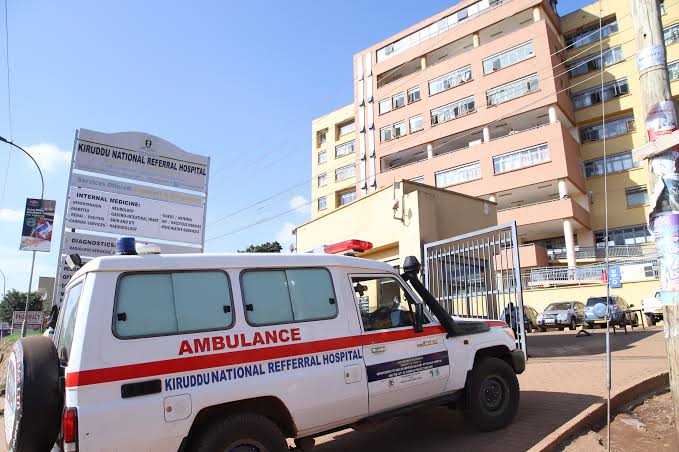
Kiruddu Referral awaits Museveni’s official guidance on proposed downgrade to district hospital 

The Executive Director of Kiruddu National Referral Hospital, Dr. Charles Kabugo has revealed that the facility is waiting for formal communication regarding a proposal by President Yoweri Museveni to downgrade it to a district hospital.

Dr. Kabugo made the remarks while appearing before Parliament’s Public Accounts Committee, where he led a delegation from the hospital to respond to queries raised in the 2024/25 Auditor General’s report.

“This was a pronouncement during our campaigns and we waited for an official communication to get to us. We have consulted the Minister of Health to guide us on how we should plan our new structure, whether we should plan now based on the fact that we are going to be downgraded or to be maintained as a national referral hospital,”Dr. Kabugo explained.

He added that although there have been verbal assurances, no official directive has been issued.

“Verbally, we have been told that we are going to maintain the same course like we are right now, but there is no written communication to that effect. Yes, they have told us to keep the course,” he said.

His remarks followed questions from Members of Parliament, including Gorreth Namugga (Mawogola South) and Fredrick Angura (Tororo South), who sought clarity on the hospital’s status after the President’s pronouncement.

During his Parish Development Model tours in Kampala in July 2025, President Museveni expressed dissatisfaction with the Ministry of Health’s decision to elevate Kiruddu and Kawempe hospitals to national referral status. 

He argued that the move deviated from the original plan of establishing the facilities to decongest Mulago National Referral Hospital and serve nearby communities.

Namugga pressed Dr. Kabugo to explain the possible reasons behind the President’s position, questioning whether the nature of services offered at Kiruddu justified its referral status.

In response, Dr. Kabugo attributed the development to public expectations and misconceptions about the hospital’s scope of services.

“So, when the community noticed that Government was constructing the hospital, they were excited thinking that they were going to get a complete hospital within their community. Now you are telling them that, no, for us, we don’t handle maternity, so that angered the community a bit,” he said.

He explained that at the time of its establishment, the Ministry of Health designated Kiruddu Hospital to handle internal medicine and plastic surgery cases, while maternity and paediatric services were assigned to Kawempe Hospital.

“So, when they were meeting the President in Kawempe, it came up, they raised the issue, said, yes, thank you for giving us this hospital, it is assisting us, it is doing all this. But our women are not delivering there. So, the origin was not the scope of services. It was more of; we want it expanded to offer more,” he added.

Dr. Kabugo, however, acknowledged the practical challenges of expanding services at the facility, citing space limitations.

“But the truth is, it is difficult for you to divide a 200-bed capacity hospital in Kampala and provide everything. Otherwise, you are going to have three or four beds per speciality, which doesn’t make sense,” he said.

The uncertainty surrounding the hospital’s status continues to raise concerns over planning and service delivery as the institution awaits formal guidance from the government.

Stories Continues after ad

Parliament Passes Copyright and Neighbouring Rights (Amendment) Bill, 2025

Jose Chameleon, one of the musicians who will benefit from the copyright law.

March 18,2026-Kampala, Uganda — The Parliament of Uganda has passed the Copyright and Neighbouring Rights (Amendment) Bill, 2025, marking a major step toward strengthening intellectual property protection in the country’s fast-evolving creative economy.


The legislation, which amends the Copyright and Neighbouring Rights Act of 2006, was approved during a recent plenary sitting after extensive debate among lawmakers and stakeholders. The Bill now awaits President Yoweri Kaguta Museveni’s assent before it can become law.
The amendment seeks to address long-standing gaps in Uganda’s copyright regime, particularly in relation to the distribution of digital content and enforcement. Government officials have argued that the existing law has struggled to keep pace with technological advancements, leaving artists and content creators vulnerable to widespread piracy and revenue losses.


Among its key provisions, the Bill introduces stricter measures to combat copyright infringement, especially on digital platforms. It also strengthens the regulation of collective management organisations, which are responsible for collecting and distributing royalties on behalf of artists. Lawmakers say the reforms will improve transparency and accountability in how creators are compensated for the use of their work.
The legislation further aims to enhance the rights of performers, producers, and broadcasters—collectively known as neighbouring rights holders—by ensuring they receive fair remuneration when their content is used commercially. This includes provisions expected to affect music distribution channels such as radio, television, and telecom-operated services.


Supporters of the Bill have welcomed its passage as a long-overdue intervention to protect Uganda’s creative sector. They argue that stronger copyright enforcement will not only safeguard artists’ livelihoods but also attract investment into the country’s cultural industries.
However, the Bill has also sparked debate among sections of the public and industry players, with some raising concerns about its potential impact on access to content and the operational demands it may place on media houses and digital service providers. Critics have called for clear implementation guidelines to ensure the law does not unintentionally stifle innovation or limit public access to creative works.
The passage of the amendment comes at a time when Uganda is seeking to expand its digital economy and position its creative industries as key contributors to national development. Analysts note that effective enforcement will be critical in determining whether the law achieves its intended goals.
Once assented to by the President, the new law is expected to usher in a more structured and enforceable framework for copyright protection in Uganda, reshaping how creative works are produced, distributed, and monetised across the country.

Stories Continues after ad

Three people drown in Lake Victoria as others remain missing

Busoga East Police spokesperson Michael Kasadha.

At least three people have been confirmed dead, while several others remain missing following a tragic boat accident on Lake Victoria near Bugoto landing site in Bukabooli Sub County, Mayuge District.


The yet-to-be-identified victims include one adult woman and two children, highlighting the devastating human toll of the incident. Authorities have also confirmed that four people were successfully rescued alive and are currently receiving medical attention, although their condition has not yet been publicly disclosed.
According to Busoga East Police spokesperson Michael Kasadha, the fatal incident occurred on Wednesday when a boat carrying an unspecified number of passengers capsized under circumstances that remain unclear. Preliminary reports suggest that the vessel may have been overloaded or encountered rough waters, though investigations are still ongoing to establish the exact cause.
Eyewitnesses at Bugoto landing site described scenes of panic and desperation as the boat overturned, throwing passengers into the water. Local fishermen and residents are said to have rushed to the scene in a bid to rescue those struggling in the lake, playing a critical role in saving the four survivors.
Police and marine rescue teams have since launched an intensive search and rescue operation, combing the waters for any additional survivors or bodies. The operation is being supported by local volunteers familiar with the area, as authorities race against time amid fears that more people could still be unaccounted for.
The number of passengers who were on board at the time of the accident remains unknown, complicating efforts to determine how many individuals are still missing. Officials have urged families with missing relatives to report to the nearest police stations to aid in identification and coordination of rescue efforts.
The incident once again raises concerns about water transport safety on Lake Victoria, where cases of overcrowding, lack of life jackets, and poor weather monitoring have often contributed to fatal accidents. Authorities have repeatedly called for stricter enforcement of maritime safety regulations to prevent such tragedies.
This is a developing story, and more details will be provided as investigations continue and rescue operations progress.

Stories Continues after ad

Four arrested over robberies targeting bank clients in Nansana

Some of the arrested suspects.

Police in Nansana have arrested four suspects in connection with a string of robberies targeting bank clients.

According to Luke Owoyesigyire, deputy spokesperson, Kampala Metropolitan Police, the arrests were made during operations conducted between March 10 and March 14, 2026, following intensified efforts to dismantle the criminal group behind the attacks.

“The Police at Nansana have registered a significant breakthrough in the ongoing investigations into a series of robberies targeting bank clients within the area,” Owoyesigyire said.

He noted that the suspects are believed to have been trailing individuals from banking halls before ambushing them and robbing them of cash and other valuables.

“The suspects are alleged to have been waylaying individuals returning from banking halls and robbing them of their cash and other valuables,” he added.

Police further revealed that during interrogation, the suspects admitted to involvement in multiple robberies, particularly around Base Hotel and other banking points within Nansana.

“During the interview, the suspects reportedly confessed to participating in several robbery incidents targeting bank clients, including those around Base Hotel and other banking points within Nansana,” Owoyesigyire said.

Preliminary investigations indicate that the group used crude weapons and quick escape methods to execute the crimes.

“Preliminary findings indicate that the suspects have been carrying out the attacks while armed with pangas and using boda bodas as a means of transport to facilitate their quick escape from crime scenes,” he said.

Police say investigations are still ongoing to uncover the full scope of the network and to apprehend additional suspects who may still be at large.

“Investigations are ongoing to establish the full extent of their criminal network and to apprehend any other accomplices still at large,”Owoyesigyire noted.

He urged the public, especially bank clients, to exercise caution when handling large sums of money.

“We urge members of the public, especially bank clients, to remain vigilant and to seek escort or use safer means when carrying large sums of money,”he said.

Police indicated that more details will be shared as the investigation progresses.

Stories Continues after ad

Equity Group records historic KShs75.5b profit amid regional expansion 

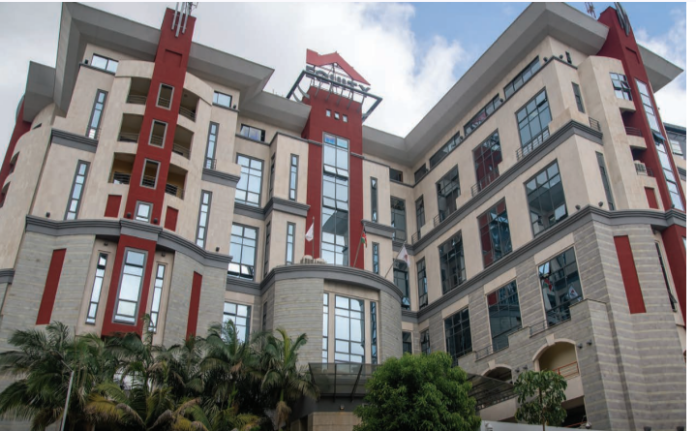
Equity Bank headquarters - Nairobi.

Equity Group Holdings Plc has reported its strongest financial performance on record, posting a 55 percent increase in profit after tax to KSh75.5 billion for the year ended 2025, up from KSh48.8 billion the previous year.

The Group attributed the growth to a successful strategic transformation, stronger regional contributions, and improved operational efficiency. Its balance sheet expanded to KSh1.97 trillion, while customer deposits rose to KSh1.46 trillion and net loans grew to KSh882.5 billion. The lender closed the year with 22.4 million customer accounts, supported by an expanded regional and digital network.

Revenue performance remained robust, with net interest income rising 17 percent to KSh126.9 billion, while non funded income grew to KSh90.8 billion. Total income increased to KSh217.7 billion. Efficiency gains saw the cost to income ratio improve to 51 percent from 58.2 percent, driven by increased use of digital channels and tighter cost management. Over 98 percent of transactions were conducted outside branches, with 88.4 percent processed digitally.

Loan loss provisions declined by 28 percent as asset quality improved, with non performing loan coverage strengthening to 67.7 percent.

Commenting on the results, Group Managing Director and Chief Executive Officer James Mwangi said the performance reflects the strength of the Group’s transformation strategy.

“The 2025 performance reflects the success of our deliberate transformation into a diversified, regional financial services group. We delivered strong profit growth by expanding and deepening our income streams, improving efficiency across the franchise, and strengthening the quality of our balance sheet,” he said.

“Our regional subsidiaries now contribute about half of our banking profitability, demonstrating the value of our pan African footprint and the resilience that comes from diversification,” he added.

The Board has recommended a dividend of KSh5.75 per share, amounting to KSh21.7 billion, up from KSh16 billion paid the previous year.

Equity Bank Kenya Limited recorded a 63 percent rise in profit after tax to KSh39.2 billion, supported by strong growth in interest income and reduced funding costs. Shareholders’ funds rose to KSh136.2 billion, while returns on assets and equity improved significantly.

Regional subsidiaries delivered strong growth and now account for about half of the Group’s profitability. Operations in the Democratic Republic of Congo recorded a 58 percent increase in profit after tax, while Uganda posted a sharp 500 percent rise. Rwanda and Tanzania also reported solid gains, supported by loan growth and expanding balance sheets.

The Group’s insurance business, Equity Insurance Group, sustained strong momentum, with gross written premiums increasing by 75 percent to KSh9.17 billion and profit before tax rising by 36 percent to KSh2.0 billion.

Beyond financial performance, the Group reported significant investment in social impact and sustainability initiatives, committing approximately KSh99.5 billion during the year. Through the Equity Group Foundation, over one million entrepreneurs were trained and more than 500,000 small businesses accessed credit worth KSh401 billion.

The Foundation also supported education, agriculture, healthcare, and climate initiatives, including scholarships, farmer training, and the planting of millions of trees across the region.

Looking ahead, Mwangi said the Group will continue executing its Africa Recovery and Resilience Plan, with a focus on digital innovation, financial inclusion, and regional expansion.

“Our focus is to build a future ready institution that is scalable, secure and impact led. We are investing in next generation digital and AI enabled capabilities to enhance customer experience, strengthen risk management, and extend access to affordable financial services,” he said.

The Group aims to expand its footprint to 15 countries and serve up to 100 million customers by 2030, positioning itself as a transformation finance institution driving inclusive growth across Africa.

Stories Continues after ad

Rotary invests $35,000 in maternal and child health project at Masindi District Hospital

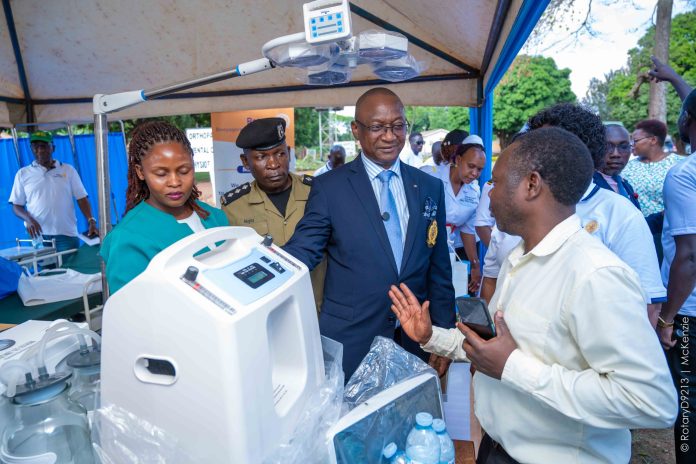
Rotary District 9213 Governor Geoffrey Martin Kitakule at the handover ceremony.

Masindi District Hospital has received a significant boost following a $35,000 investment by the Rotary Club of Bweyogerere Namboole and its partners to strengthen maternal and child health services and reduce preventable deaths among mothers and young children.

The project is funded through the Rotary Club of Bweyogerere Namboole in partnership with its International Rotary partners of the Rotary Club of Allschwil-Regio Basel D1980 and local partners Rotary Club of Seeta, Rotary Club of Masindi, D9213, D9214, and Rotary International.

The project focuses on improving the quality of healthcare services for mothers, newborns and children under five, while also empowering communities through disease prevention and better access to care.

Masindi District Hospital serves a wide population drawn from Buliisa District, Kiryandongo District, Hoima District, Luwero District and Nakaseke District, as well as refugees from Democratic Republic of the Congo and South Sudan. The facility handles referrals from across the region but has long faced challenges of inadequate equipment and overstretched services.

Under the new intervention, Rotary and its partners have delivered essential medical equipment to the hospital and supported training and capacity building for health workers and village health teams. The initiative is designed to improve service delivery, particularly in maternity and child health units where demand has remained high.

Hospital data indicates that limited access to appropriate equipment has forced many expectant mothers to travel long distances in search of care, a factor linked to maternal and child deaths that could otherwise be prevented.

The project is expected to benefit at least 6,000 women of reproductive age, 5,000 pregnant and breastfeeding mothers, 1,000 newborns and 3,000 children under five. It will also strengthen the capacity of 350 health workers and 30 village health teams, while supporting the efforts of Masindi District Local Government and the Ministry of Health Uganda.

The intervention will enhance access to quality healthcare, improve health awareness and contribute to a reduction in disease burden across the district and neighboring areas.

The official handover ceremony is being presided over by Rotary District 9213 Governor Geoffrey Martin Kitakule, with international partners participating virtually and local government leaders attending in person.

In addition to the maternal and child health project, Rotary has launched a separate $64,000 water initiative at the hospital aimed at improving sanitation, hygiene and reliable water access within the facility.

Speaking on the huge impact of such interventions, Kitakule said access to safe water and proper sanitation remains central to community health and development.

“Rotarians are transforming lives by ensuring that people, especially children and women, have safe water to drink and clean sanitation facilities,”he said.

“These improvements lead to better health, fewer waterborne illnesses and reduce the burden on women and girls who previously walked long distances in search of water,”he added.

He emphasized that strengthening water, sanitation and hygiene systems in health facilities is critical in preventing infections, particularly in maternity and surgical units, and in improving trust and efficiency in healthcare delivery.

The combined investment in maternal health services and water infrastructure is aimed at improving conditions at Masindi District Hospital and expanding access to lifesaving care for thousands of mothers and children across the region.

Stories Continues after ad

Equity Bank’s Wawulira calls for inclusive banking to address women’s financial needs 

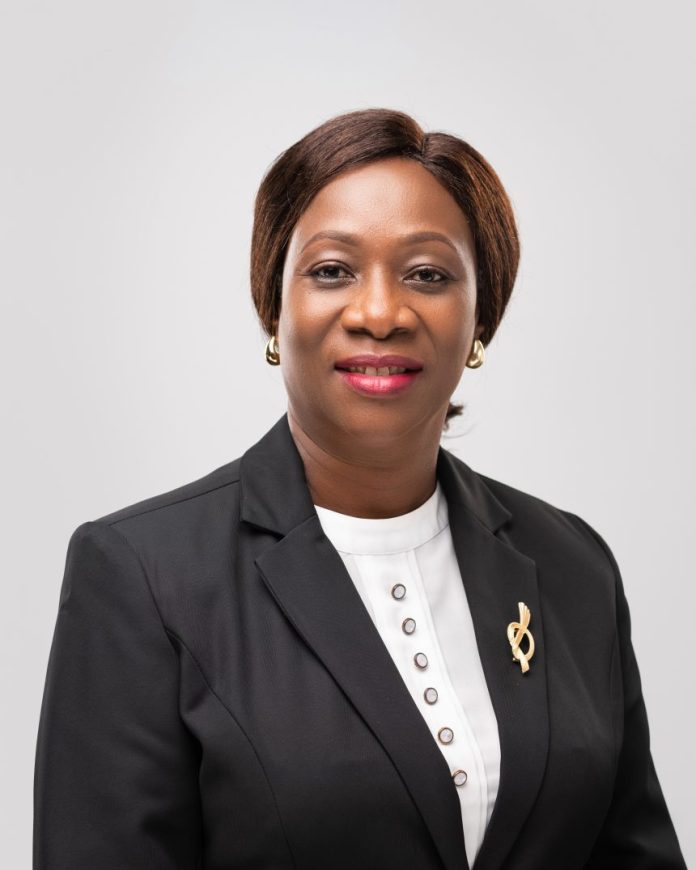
Ms. Jael Christine Wawulira, Head of Customer Experience at Equity Bank Uganda.

The Head of Customer Experience at Equity Bank Uganda, Jael Christine Wawulira has urged financial institutions to design banking services that respond to the real-life needs of women and emphasized that customer experience is key to increasing women’s participation in the economy.

In her commentary, Wawulira noted that banking for women goes beyond access to accounts and loans, highlighting the need for services that reflect their daily realities and responsibilities.

“For many women, banking is not just about opening an account or taking a loan. It is about finding financial services that understand their realities, support their ambitions, and respond to the responsibilities they carry every day,” she said.

She explained that women engage with financial services differently depending on their life stage, profession and personal responsibilities, making it necessary for banks to tailor their products accordingly.

“A young professional woman may focus on accessing loans to support further education or career growth, while a single mother may prioritize flexible loans, savings plans or healthcare support for her children,” Wawulira said.

She added that simple adjustments in service delivery, such as providing private spaces for lactating mothers or prioritizing expectant mothers in queues, can significantly improve customer experience.

Wawulira also pointed out that women in small businesses, including market vendors and micro-entrepreneurs, require personalized support and clear communication to fully benefit from financial services.

“Many of these women depend on their businesses to support their families, and they value having a trusted person they can contact when they face challenges with their businesses or loan repayments,” she explained.

At the same time, she noted that women in formal employment often prefer fast and efficient digital banking platforms due to their busy schedules.

Despite these varying needs, Wawulira acknowledged that many women still face barriers in accessing financial services, particularly limited financial literacy and lack of collateral.

“Without clear information about financial products, it becomes difficult for many women, especially those in the informal sector, to fully benefit from the services available,” she said.

She further highlighted that cultural practices limiting women’s ownership of property continue to hinder their ability to secure loans, while mobility challenges also affect access to banking services.

To address these gaps, Wawulira called on financial institutions to invest in financial education, community engagement and inclusive product design.

“Providing financial education in simple language and, where possible, in local languages can help women better understand and use financial services,” she noted.

She cited initiatives by Equity Bank Uganda such as the Equi-Mama programme and the Abakyala Ku Ntiiko platform, which support women entrepreneurs through tailored financial solutions and shared learning experiences.

Wawulira stressed that empathy must be central to customer service, urging institutions to train staff to treat all customers with dignity and respect, while also involving women in product development.

“When customers feel respected and understood, they develop greater trust in financial institutions,” she said.

She added that creating inclusive banking environments encourages women to save, invest and grow their businesses, ultimately contributing to broader economic development.

“When women feel supported, they are more likely to participate confidently in the financial system, strengthening not only their financial independence but also the growth of families, communities and national economies,” Wawulira emphasized.

As March marks the celebration of Women’s Month, Wawulira called on women to continue investing in themselves and supporting one another.

“Every financial decision, whether small or big, contributes to building stronger communities and more inclusive economies,” she said.

Stories Continues after ad

I repeat Anita Among is an accidental Speaker-Mao

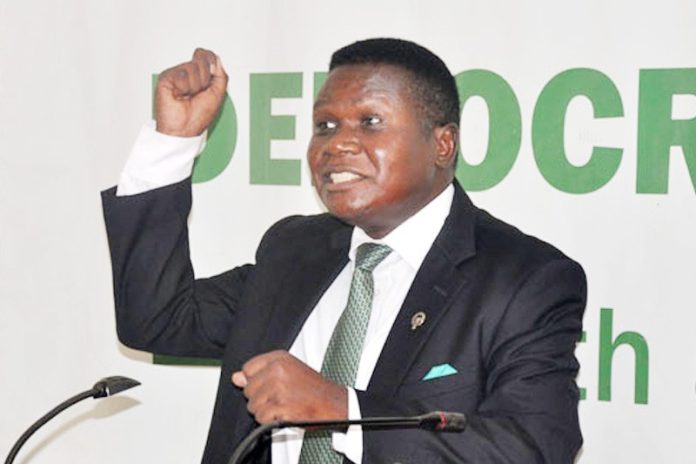
Justice and Constitutional Affairs Minister, Nobert Mao.

Justice and Constitutional Affairs Minister Norbert Mao has repeated his controversial description of Parliament’s leadership, insisting that Anita Annet Among is an accidental Speaker and challenged critics to reflect on the circumstances that led to her rise.

Speaking at the Democratic Party (DP) headquarters on Balintuma Road, Mao defended his remarks, saying they have been widely misunderstood and taken out of context.

“When I said we have an accidental speaker, I saw a lot of rage. But the answer is in the dictionary. If you open a dictionary, ‘accidental’ means ‘unplanned, unintended’ unless they are saying there was an intention and there was a plan,” Mao said.

He added, “So, was there a plan that the late speaker should die? Was that an intention?”

Mao linked his argument to the death of former Speaker Jacob Oulanyah, whose passing in 2022 created a vacancy that eventually ushered Among into the top parliamentary seat.

“Unfortunately, we lost Jacob Oulanyah, so we got an accidental Speaker. It was not supposed to be that way,” he said.

The Laroo-Pece MP-elect emphasized that his decision to join the speakership race stems from dissatisfaction with the current leadership, saying he does not feel adequately represented.

He maintained that his comments are not personal attacks but rather a reflection of how the current leadership emerged.

“Some people have chosen to misunderstand it,” Mao said.

He added that the next Speaker should come in through a deliberate and competitive process rather than circumstance.

Mao, who is also president general of the Democratic Party, expressed confidence in his bid for the position in the 12th Parliament.

“We are going to take over that House in the name of the people,” he said.

He also pushed back against critics questioning DP’s political positioning, especially in light of its cooperation agreement with the ruling establishment.

“Now is opposition. And remember, they are the ones who have been saying that they married DP. So you married DP, but now that the position of Speaker is at stake, you say DP is opposition,” Mao said.

“They are saying we do not know anything about it, but that is a public document… because the position of Speaker is at stake, there is now denial,” he added.

Mao further hinted at a broader strategy in the unfolding race.

“Not all my cards are facing up. Many of my cards are facing down, and nobody knows them,” he said.

His remarks come amid an intensifying contest for the Speakership of Parliament, where he is positioning himself as a challenger to Among.

However, Among, the Bukedea District Woman MP rejected the accidental Speaker label and maintained that her election by over 400 Members of Parliament affirms her legitimacy.

Stories Continues after ad

Speke Resort Munyonyo announces ultimate Easter Sunday celebration with brunch, live entertainment and family activities

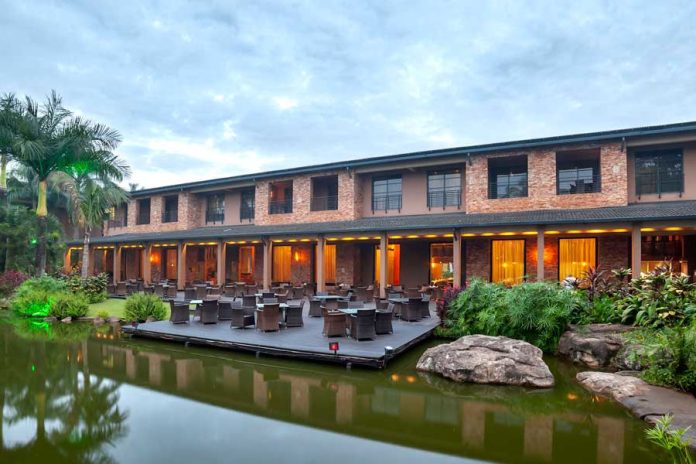
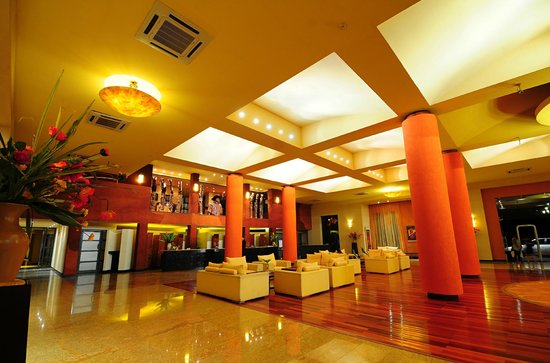
Speke Resort Munyonyo.

Speke Resort Munyonyo has announced an exciting Easter Sunday celebration due on Sunday, 5th April, inviting families and friends to enjoy a day of fun, live entertainment and memorable moments at its scenic waterfront grounds.

The resort’s Easter Sunday Special offers a variety of activities and experiences designed for all ages, centered around its popular Bubbly Brunch at the Pool Pavilion from 12:00 pm to 4:00 pm. Guests will enjoy a sumptuous brunch accompanied by live band performances and a DJ, delivering vibrant music throughout the afternoon.

Children are in for a treat with a range of activities that include meeting the Easter Bunny, an Easter egg hunt, cookie counter, and a petting zoo. Tickets for adults are priced at Shs200,000, while children under 13 are admitted at Shs100,000.

At the Nyanja/Lake Terrace, from 1:00pm to 4:00pm, families can relax with lunch while enjoying additional attractions such as pony pampering, a kid’s movie night, a bonfire with marshmallows and impressive acrobatic performances.

Meanwhile, the Lake Grill area will offer a lively atmosphere with a DJ, acrobats, a kids’ carnival, and continued access to the petting zoo; entry here is Shs5,000 per person.

For adults seeking a more relaxed setting, the Viking Bar will host a cocktail happy hour to complement the day’s festivities.

Speke Resort Munyonyo encourages guests to secure reservations early as spaces are expected to fill up quickly. 

The resort is also offering attractive room rates starting from $139 for a Full Board Single Deluxe package, inclusive of the Easter Sunday Brunch.

This Easter, Speke Resort Munyonyo promises a blend of leisure, entertainment, and seasonal cheer perfect for families looking to make the most of the holiday weekend.

Stories Continues after ad